Imagine this: a beautiful day with the sun shining, a serene lake calling your name, and your trusty kayak ready for adventure. But there’s one small problem—getting your kayak from the car to the water.
That’s where a kayak cart comes into play. If you’ve ever found yourself struggling to lug your kayak over uneven terrain or along narrow paths, you’re not alone. Many paddlers face this challenge, and a kayak cart can be your secret weapon.
In this guide, you’ll discover how to use a kayak cart effectively, making your trips to the water easier and more enjoyable. Whether you’re a seasoned kayaker or just starting out, mastering this tool can save you time, energy, and even prevent injuries. Imagine effortlessly gliding your kayak along the path, without the heavy lifting and awkward maneuvers. Stay with us, and you’ll learn how this simple piece of equipment can transform your kayaking adventures. Let’s dive into the details and make your next trip as smooth as the water you’ll be paddling on.
Choosing The Right Kayak Cart
Transport your kayak easily with a kayak cart. Attach the kayak securely, then pull it smoothly to your destination. Make sure the cart fits your kayak size for a hassle-free experience.
Choosing the right kayak cart makes transporting your kayak effortless. A good kayak cart saves your back and time. It keeps your kayak safe from scratches and damage. Let’s explore the types of kayak carts and what to consider before buying one.Types Of Kayak Carts
Kayak carts come in various styles. The most common types include:- Plug-In Carts:These fit into the scupper holes of sit-on-top kayaks. They provide stability but fit specific kayak models.
- Strap Carts:These use straps to secure the kayak. They are versatile and fit many kayak types.
- Folding Carts:These are portable and easy to store. Perfect for those with limited space.
- Balloon-Wheeled Carts:Ideal for sandy terrains. The large wheels prevent sinking in soft ground.
Factors To Consider
Choosing the right cart depends on several factors.- Weight Capacity:Ensure the cart can handle your kayak’s weight.
- Terrain:Consider where you’ll use the cart most. Sand, grass, or concrete?
- Portability:A lightweight, foldable cart is easier to transport.
- Durability:Look for materials that withstand wear and tear.
- Ease of Use:Simple designs make loading and unloading hassle-free.
Assembling Your Kayak Cart
Assembling your kayak cart is simple. Begin by attaching the wheels to the cart frame. Securely fasten all parts to ensure stability. Slide the cart under the kayak, align it properly, and use straps to hold it in place. Ready for easy transport to the water!
Assembling your kayak cart is a straightforward process. It enhances your kayaking experience by allowing easy transportation. You’ll save time and effort with a well-assembled kayak cart. Let’s dive into the steps and tools needed for a smooth assembly.Tools You Might Need
A few tools make the assembly easier. Here’s what you may require:- Adjustable wrench
- Screwdriver
- Rubber mallet
Step-by-step Assembly Guide
Follow these steps to assemble your kayak cart: 1. Identify the parts: Lay out all pieces. Ensure nothing is missing. 2. Connect the frame: Align the main bars. Use the wrench to tighten screws. 3. Attach wheels: Secure wheels to the axles. Use the rubber mallet if needed. 4. Add straps: Loop the straps through hooks. This holds the kayak steady. 5. Check stability: Ensure all parts are secure. Test the cart with your kayak. Each step ensures the cart functions smoothly. Enjoy effortless kayaking trips!Loading Your Kayak Onto The Cart
Gently lift the kayak onto the cart, ensuring it’s balanced and secure. Strap it tightly to prevent any movement. This makes transporting your kayak much easier, especially over long distances.
Loading a kayak onto a cart can seem tricky at first. But with a bit of practice, it becomes simple and quick. A kayak cart helps you move your kayak easily to the water. It saves your energy for paddling. Here’s how to load your kayak onto the cart safely.Positioning The Cart Correctly
Start by placing the cart on flat ground. Make sure it’s stable and not wobbling. Align the cart with the middle of the kayak. This balance is crucial for smooth movement. The cart should be perpendicular to the kayak. This ensures the weight is evenly distributed.Securing Your Kayak
Gently lift one end of the kayak. Slide it onto the cart until it’s centered. Use straps or bungee cords to secure the kayak. Tighten the straps firmly but not too tight. This keeps the kayak from slipping off. Check that the kayak is stable before moving.Transporting Your Kayak Safely
Using a kayak cart makes transporting your kayak easy and safe. Simply place the kayak on the cart, secure it with straps, and wheel it to your destination. This method reduces the strain on your body and protects your kayak from damage.
Transporting Your Kayak Safely Getting your kayak from point A to point B can be a daunting task if not done correctly. A kayak cart is a handy tool that can make this process much smoother and safer. With a little know-how, you can transport your kayak efficiently, ensuring both you and your kayak stay in great shape.Handling Different Terrains
Different terrains present unique challenges when transporting a kayak. On sandy beaches, wide-tread wheels are your best friend. They prevent sinking and make pulling much easier. For rocky paths or forest trails, opt for a kayak cart with robust, inflatable tires. These absorb shock and protect your kayak from unwanted bumps and scrapes. Consider testing your cart on various terrains to understand its capabilities and limitations.Avoiding Common Mistakes
It’s easy to make small errors that can lead to big problems. Ensure your kayak is properly balanced on the cart to prevent tipping over. Always secure it with straps to avoid accidental falls that could damage your kayak or injure someone. Avoid overloading the cart. Understand the weight capacity of your cart and never exceed it. Overloading can lead to breakages or even harm you during transport. Are you double-checking your setup before you start moving? A quick once-over can save you from potential mishaps. Remember, each trip with your kayak is an opportunity to learn. Mastering the art of using a kayak cart can make your adventures more enjoyable and stress-free.Maintaining Your Kayak Cart
Using a kayak cart involves placing your kayak on the cart and securing it with straps. Gently push or pull the cart to transport the kayak over land. Regularly check the wheels and straps to ensure smooth operation and longevity.
Maintaining your kayak cart is essential for ensuring its longevity and performance. Just like any other piece of equipment, a well-maintained cart will serve you better and longer. Regular upkeep can prevent unexpected hiccups on your next adventure.Cleaning And Storage Tips
After a day on the water, rinse your kayak cart with fresh water to remove salt, sand, and debris. Pay special attention to the wheels and joints, as these areas tend to collect most of the grime. Dry the cart thoroughly to prevent rust, especially if it’s made of metal components. Store it in a cool, dry place, away from direct sunlight to avoid any material degradation. Consider using a protective cover if you plan to store it for an extended period. This can shield it from dust and accidental damage.Inspecting For Damage
Before and after each use, check your kayak cart for any signs of wear or damage. Look at the wheels for any punctures or wear that might affect their performance. Examine the frame for any cracks or bends that could compromise its structural integrity. Pay attention to the fasteners and straps, ensuring they are secure and not frayed. A quick inspection can prevent bigger issues and ensure your cart is ready for the next adventure. Have you ever found yourself miles from your car with a broken cart? A simple pre-check could save you from such scenarios.
Credit: www.scouterlife.com
Troubleshooting Common Issues
Kayak carts simplify transportation, but wheel misalignment can cause instability. Adjust wheels to ensure smooth movement. Securing straps tightly prevents tipping, ensuring the kayak stays balanced during transit.
Troubleshooting common issues with a kayak cart can save time and frustration. Understanding these problems helps ensure a smooth transport experience. Here are some frequent challenges and solutions.Cart Stability Problems
A wobbly cart can make transporting a kayak difficult. Check if the kayak is centered on the cart. An off-center kayak affects balance. Adjust the straps, ensuring they are tight and secure. Consider the terrain. Uneven surfaces can destabilize the cart. Use a cart designed for the terrain you encounter most. Another tip is to distribute weight evenly. Heavier items should be placed centrally on the kayak. This prevents tipping and adds stability.Wheel And Axle Issues
Wheels and axles are crucial for smooth movement. Inspect for debris or damage. Clear any stuck items from the wheels. Check for wear and tear on the tires. Worn tires can affect grip and cause sliding. Regularly lubricate the axles to ensure smooth rotation. Tighten loose bolts or nuts. They can cause the wheels to wobble or fall off. If a wheel is misaligned, adjust the positioning to ensure it rolls straight. Consider upgrading wheels for durability if issues persist.Expert Tips For Efficient Use
Using a kayak cart efficiently can save time and effort. Understanding expert tips can make the process smoother and extend the cart’s lifespan. Learn how to maximize your kayak cart’s utility for the best experience.
Maximizing Cart Lifespan
Regular maintenance is key to prolonging your kayak cart’s life. Check the wheels for wear and tear. Keep them clean and lubricated to prevent rust. Store the cart in a dry place. Avoid overloading it with weight beyond its capacity.
Inspect the straps and buckles periodically. Ensure they are secure and undamaged. Replace worn parts immediately to avoid mishaps. Following these steps can help maintain the cart’s functionality for years.
Enhancing Mobility And Ease
Position the kayak correctly on the cart. Balance it to prevent tipping. Use adjustable straps to secure it firmly. This ensures smooth movement over varied terrains.
Choose routes with flat surfaces when possible. Avoid rocky paths which can strain the cart. Push the cart at a steady pace. Sudden jerks can damage the wheels or frame.
Consider using carts with larger wheels. They handle rough surfaces better. This can make transporting your kayak a breeze, even on challenging paths.
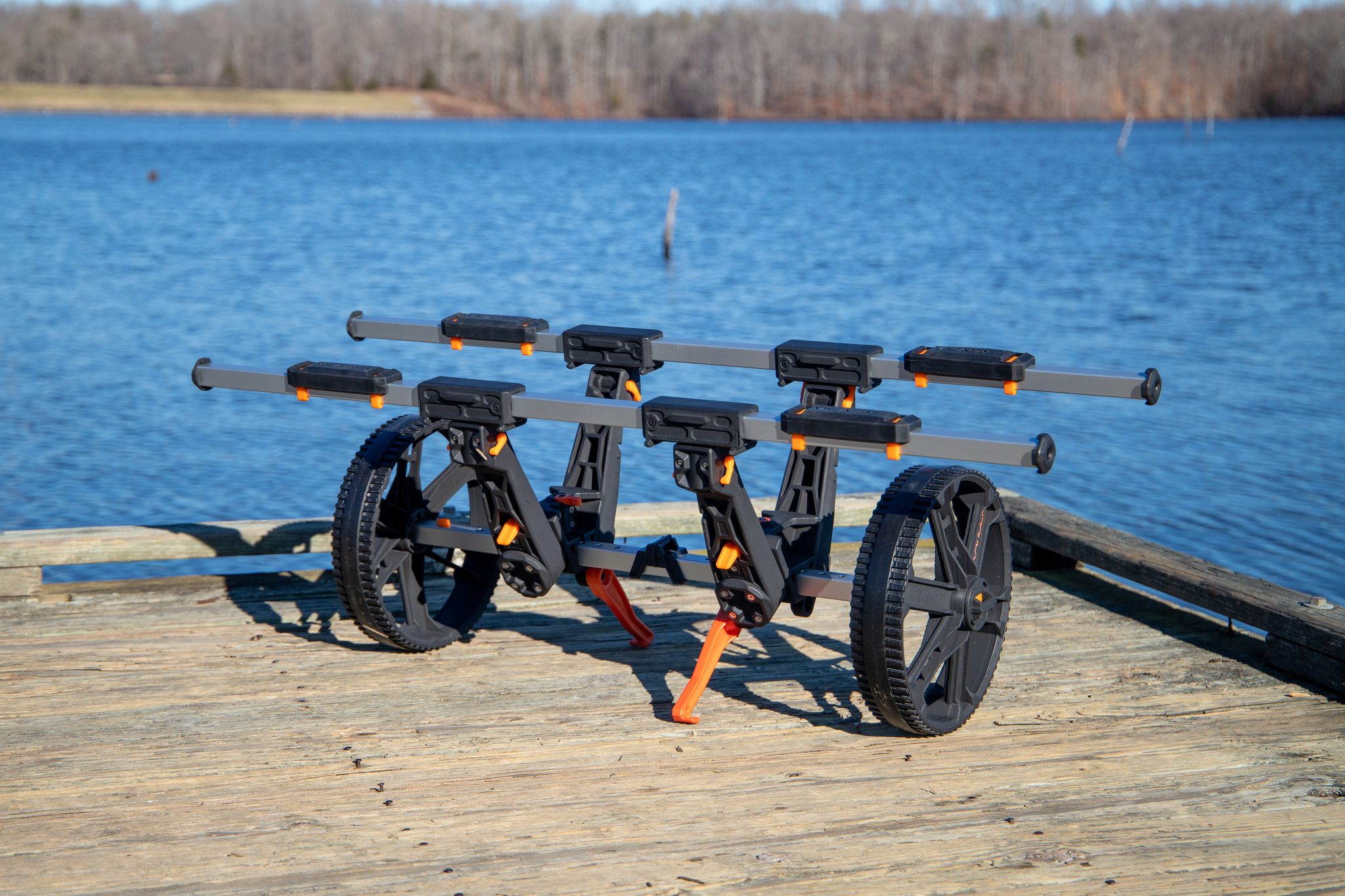
Credit: www.yakattack.us

Credit: hub.jacksonkayak.com
Frequently Asked Questions
How To Launch A Kayak With A Cart?
Place the kayak on the cart, securing it tightly. Push the cart towards the water. Stop at the water’s edge, lift the kayak from the cart, and gently slide it into the water. Secure the cart nearby. Ensure safety and balance while launching.
How To Put A Kayak On A Kayak Cart?
Place the kayak parallel to the cart. Lift one end of the kayak onto the cart’s frame. Secure the kayak using straps or bungees. Ensure it’s balanced and tightly fastened for stability. Adjust the cart’s position if needed for even weight distribution.
Are Kayak Carts Worth It?
Kayak carts simplify transporting your kayak, saving time and effort. They prevent damage and make trips more enjoyable. Compact designs ensure easy storage, and durable materials offer longevity. Investing in a kayak cart enhances convenience, making them worth it for frequent paddlers.
How Does A Kayak Anchor Trolley Work?
A kayak anchor trolley lets you position your anchor line along the side of the kayak. It uses a pulley system to move the anchor point from bow to stern. This allows for optimal positioning against wind or current, ensuring stability and control while fishing or resting.
Conclusion
Using a kayak cart makes transporting your kayak easier. It saves time and energy. You avoid straining your back. Just secure your kayak onto the cart. Then, pull it effortlessly. This simple tool enhances your kayaking experience. You reach the water faster.
Your kayak stays safe from damage. No more dragging across rough surfaces. Whether on sand or rocky terrain, a kayak cart helps. It ensures a smooth, hassle-free trip. So, next time, consider using one. Your body and kayak will thank you.
Enjoy more time on the water, less on the shore.