

Imagine gliding across the water, feeling the cool breeze on your face as you paddle with purpose. Your kayak cuts through the waves, and you start to wonder—just how fast can a kayak go?
Whether you’re a seasoned paddler or just dipping your toes into the world of kayaking, the thrill of speed on water is universal. But what determines your kayak’s speed? Is it the design, your paddling skills, or perhaps the water conditions?
You’ll discover the factors that influence kayak speed, and by the end, you’ll have a clear picture of how to maximize your performance on the water. So, are you ready to unlock the secrets to a faster, more exhilarating kayaking experience? Keep reading to find out.
Factors Influencing Kayak Speed
Kayak speed depends on several factors, including water conditions, paddler skill, and kayak design. A streamlined kayak and experienced paddler can achieve impressive speeds.
Understanding the factors influencing kayak speed can enhance your paddling experience and help you make informed decisions. While kayaking may seem simple, numerous elements contribute to how fast you can glide across the water. From the kayak’s design to the paddler’s physical fitness, each factor plays a unique role in determining your speed. Let’s dive into these aspects to see how they affect your kayaking adventure.Kayak Design And Material
The design and material of a kayak significantly impact its speed. Sleek, narrow kayaks are generally faster than wider ones because they cut through the water more efficiently. Materials like fiberglass or carbon fiber are lighter, allowing for quicker acceleration compared to heavier materials like plastic. Consider the trade-off between speed and stability when choosing your kayak, as faster designs can be less stable.Paddle Efficiency
Your paddle is more than just a tool; it’s an extension of your body. A well-designed paddle can drastically improve your speed. Longer paddles with larger blades can generate more thrust, but they require more strength to use effectively. Experiment with different paddle designs to find one that balances your strength and paddling style.Water Conditions
Water conditions can either be your best friend or your worst enemy when it comes to speed. Calm, flat water provides minimal resistance, allowing for faster kayaking. However, choppy water or strong currents can slow you down and require more effort to maintain speed. Always check the water conditions before heading out to ensure a smooth and enjoyable ride.Wind Influence
Wind can have a surprising impact on how fast your kayak travels. A tailwind can push you forward and increase your speed with minimal effort. On the other hand, a headwind can create resistance, making it harder to maintain your pace. Adjust your paddling technique according to the wind conditions to optimize your speed.Physical Fitness Of The Paddler
Your physical fitness plays a crucial role in how fast you can kayak. Stronger, more conditioned paddlers can maintain a higher speed for longer periods. Regular exercise, focusing on upper body and core strength, can improve your paddling power and endurance. Ask yourself: how can you enhance your fitness to boost your kayaking speed?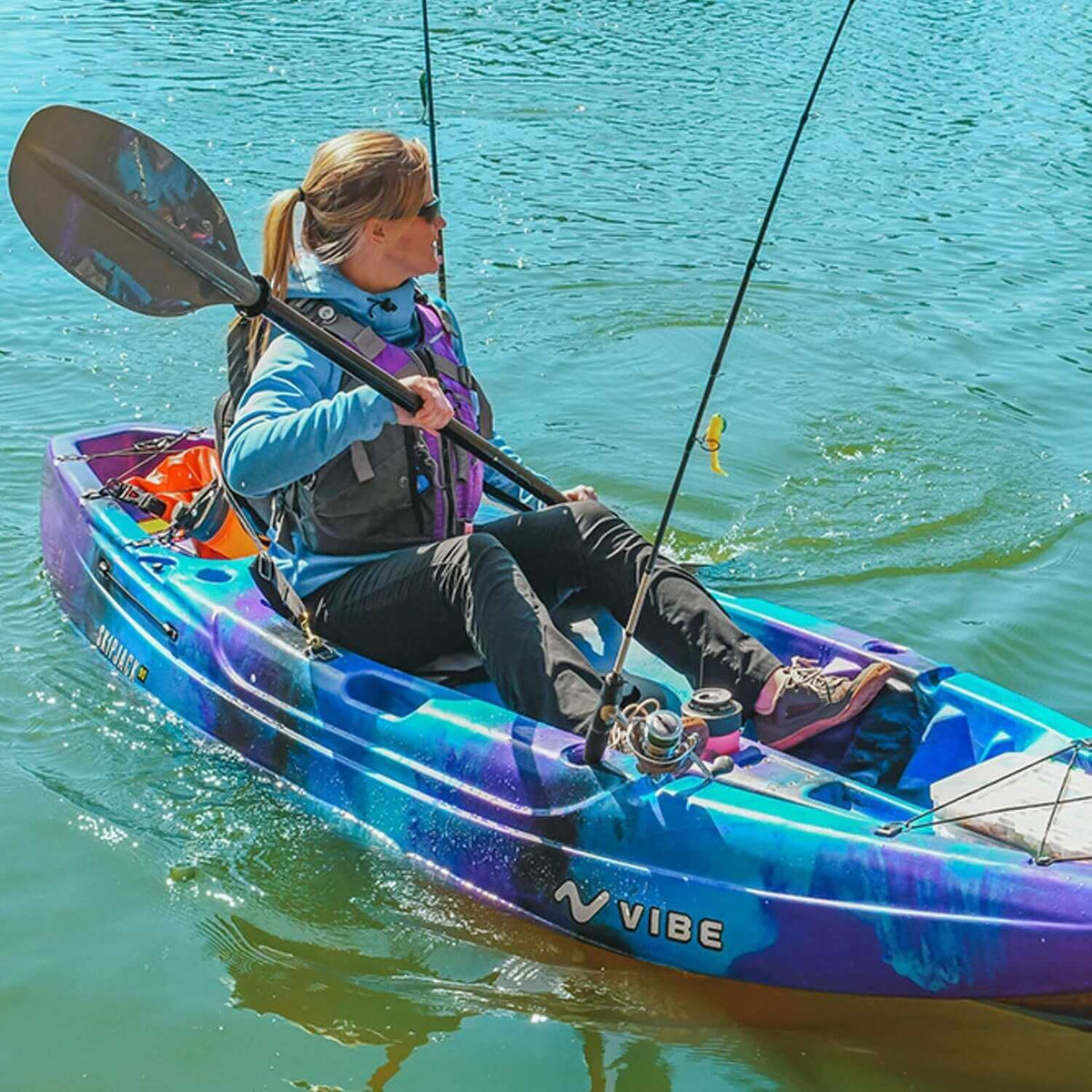
Credit: vibekayaks.com
Types Of Kayaks And Their Speeds
Ever wondered how fast a kayak can go? It largely depends on the type of kayak you’re using. Different kayaks are designed for different purposes, and their speeds vary accordingly. Whether you’re a leisurely paddler or a speed enthusiast, understanding the types of kayaks and their speeds can enhance your experience on the water.
Recreational Kayaks
Recreational kayaks are perfect for beginners and casual paddlers. They prioritize stability over speed, making them ideal for calm waters like lakes and slow-moving rivers. These kayaks generally reach speeds of 2 to 3 miles per hour. My first kayaking experience was with a recreational kayak, and the slow pace allowed me to enjoy the scenery without worrying about tipping over. Does this sound like the right kayak for you?
Touring Kayaks
Touring kayaks are designed for long-distance travel and can handle choppy waters. They are longer and narrower, allowing for speeds between 3 to 5 miles per hour. If you’re planning a weekend adventure on a large river or coastal area, a touring kayak can be your best friend. Imagine gliding smoothly across the water, covering miles without breaking a sweat.
Racing Kayaks
Racing kayaks are built for speed. These sleek vessels can reach impressive speeds of 6 to 9 miles per hour, depending on your paddling strength and technique. They are often used in competitive events, where every second counts. Have you ever watched a kayak race and wondered if you could achieve those speeds? With practice, you might just surprise yourself.
Inflatable Kayaks
Inflatable kayaks offer convenience but sacrifice some speed. They can reach speeds of 2 to 3 miles per hour, similar to recreational kayaks. They’re easy to transport and store, making them popular among travelers and those with limited storage space. Imagine packing your kayak in a backpack, hiking to a secluded spot, and enjoying a peaceful paddle. Is convenience more important to you than speed?
Understanding the speeds of different kayak types can help you choose the right one for your needs. Whether you’re seeking leisure, adventure, competition, or convenience, there’s a kayak out there that matches your pace. Which type of kayak do you think suits your lifestyle best?
Techniques To Increase Kayak Speed
Paddle efficiently for better speed. Choose a lightweight kayak for less resistance. Improve technique with regular practice.
Techniques to Increase Kayak Speed Kayaking isn’t just about enjoying the water; it’s also about the thrill of moving swiftly and gracefully. If you’ve ever wondered how to make your kayak glide faster, you’re not alone. Many kayakers are keen to push their limits and feel the rush of speed. But how do you actually achieve that? Here are some proven techniques to increase your kayak speed and make your paddling sessions more exhilarating.Proper Paddling Technique
Mastering the art of paddling is key to gaining speed. Start by ensuring that your paddle enters the water at the right angle. A vertical stroke gives you more power and keeps your kayak on a straight path. Pay attention to your grip and wrist position. Your hands should be shoulder-width apart, and your wrists should stay straight to avoid strain. Keep your movements smooth and consistent, drawing strength from your core rather than just your arms.Optimizing Body Position
Your body position can significantly impact your kayak’s speed. Sit upright with a slight forward lean to engage your core muscles effectively. This posture not only enhances your power but also helps maintain balance. Make sure your feet are comfortably positioned on the footrests, allowing you to use your legs for additional thrust. Regularly shift your weight to keep the kayak stable and reduce drag.Strength And Endurance Training
Building physical strength and stamina is crucial for faster kayaking. Focus on exercises that target your core, arms, and shoulders, as these are the muscles you use most while paddling. Incorporate cardio workouts like running or cycling to boost your endurance. As you build strength and stamina, you’ll find that you can maintain higher speeds for longer periods without tiring quickly. Have you tried any of these techniques before? What changes did you notice in your kayak speed? Share your thoughts and experiences with us!Measuring Kayak Speed
Kayak speed depends on design, paddler skill, and water conditions. Typically, kayaks can reach 3 to 5 miles per hour. Racing models may go faster, offering thrilling experiences on water.
Measuring the speed of your kayak can turn a casual paddle into an exciting challenge. Understanding how fast you can go not only adds thrill but also helps in improving your skills over time. Whether you are a competitive paddler or just curious about your speed on water, measuring it accurately is essential. Let’s explore some effective ways to track your kayak speed and understand the factors that could affect the accuracy of these measurements.Using Gps Devices
Using a GPS device is one of the easiest and most accurate ways to measure your kayak speed. Most modern GPS devices are waterproof and attach easily to your kayak. They provide real-time data and track your speed over a specific distance. Imagine paddling through the serene waters, glancing down at your GPS to see your speed reaching new personal records. It’s a small investment that can bring a lot of satisfaction. Plus, some GPS devices come with additional features like route mapping and distance tracking, which can enhance your kayaking experience.Calculating Speed Manually
If you prefer a more hands-on approach, calculating speed manually can be quite rewarding. All you need is a stopwatch and a known distance. Start your timer as you begin paddling and stop it once you’ve covered the set distance. Divide the distance by the time taken to get your speed. This method requires focus and can be a fun challenge, especially if you enjoy numbers. It also gives you a sense of achievement knowing you calculated it all by yourself. However, this method might be less accurate due to human error in timing.Factors Affecting Accuracy
Accuracy in measuring kayak speed can be influenced by several factors. Environmental conditions like wind and current can significantly alter your speed readings. You might paddle fast against the current but see slower speeds on your device. Consider the calibration of your GPS device. Over time, devices might need recalibration to ensure accuracy. Also, if you’re manually calculating speed, ensure the distance is accurately measured to avoid skewed results. By understanding these factors, you can adjust your expectations and methods to get the most precise speed readings possible. What strategies will you use next time to measure your kayaking speed?Record-breaking Kayak Speeds
Paddling enthusiasts often wonder about kayak speed capabilities. Typically, a kayak can reach speeds of 5 to 7 miles per hour. Advanced designs and skilled paddlers have achieved record-breaking speeds, surpassing these averages.
Record-breaking kayak speeds have always fascinated enthusiasts and athletes. The pursuit of speed in kayaking challenges both the limits of human endurance and design innovations. Kayakers strive to push the boundaries, achieving impressive feats on water.Notable Speed Achievements
Some kayakers have reached remarkable speeds. A few have achieved speeds exceeding 15 miles per hour. These feats often involve specialized racing kayaks. These kayaks are designed for speed and stability. The design reduces drag and enhances speed.Competitive Kayaking Records
Competitive kayaking has seen impressive records. Sprint races often showcase high speeds. Athletes train rigorously to shave off seconds. The current record for a 500-meter sprint is under two minutes. Such records require exceptional skill and focus.Future Possibilities
Innovations continue to shape the future of kayaking. New materials and designs promise faster kayaks. Engineers explore lightweight materials to reduce weight. Technology integration might offer new insights into speed. The future holds exciting possibilities for speed enthusiasts.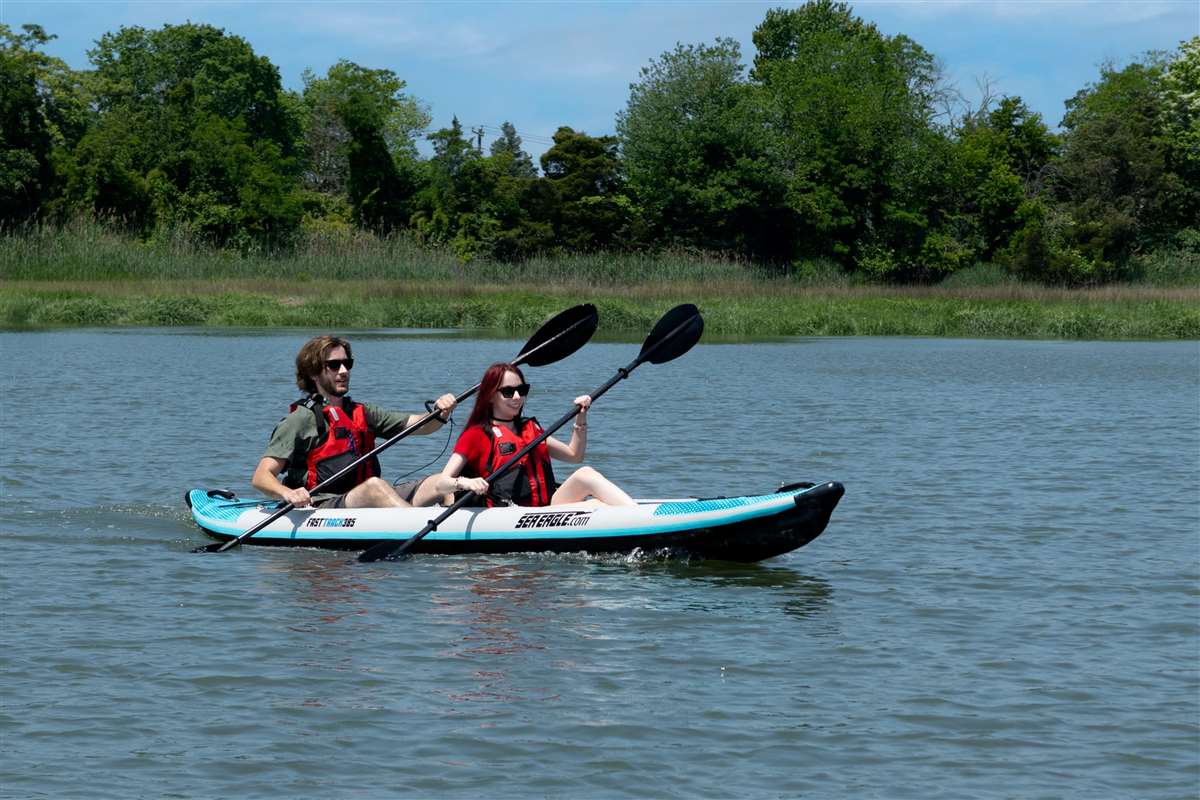
Credit: www.seaeagle.com
Safety Considerations At High Speeds
Paddling a kayak at high speeds demands careful attention to safety. Always wear a life jacket and assess water conditions before setting out. Stay alert to potential obstacles and keep a safe distance from other watercraft.
Kayaking at high speeds can be exhilarating, but it’s crucial to prioritize safety. As you push the limits of your kayak’s velocity, maintaining control and ensuring your well-being should be at the forefront. High-speed kayaking poses unique challenges that demand attention to detail and preparation.Risks Of Speeding In A Kayak
Speeding in a kayak can increase the risk of accidents. Rapid movements can lead to capsizing, especially if you’re navigating through choppy waters. Quick reflexes are essential, but even experienced kayakers can find themselves in precarious situations when speed is a factor. Consider the potential for collisions with obstacles or other kayakers as well. Have you ever found yourself in a tight spot because you were going too fast? It’s a stark reminder that speed should be approached with caution.Protective Gear And Equipment
Investing in quality protective gear can make a significant difference. A well-fitted life jacket is non-negotiable, providing buoyancy and safety in case of an unexpected dip. Helmets are crucial, particularly when kayaking in areas with rocks or other hard surfaces. They protect your head from impacts and ensure you’re shielded against injury. Consider adding a whistle to your gear—a simple tool that can be invaluable for signaling for help when needed.Environmental Awareness
Speed can impair your ability to react to environmental changes. Are you aware of the currents, wind patterns, or wildlife in your area? High speeds can disturb the natural habitat, affecting local wildlife. Be mindful of your surroundings and make adjustments to minimize your impact. Understanding weather conditions is paramount. Sudden changes can transform a thrilling ride into a hazardous situation, so always check forecasts before embarking on your kayaking adventure.
Credit: www.evlithium.com
Frequently Asked Questions
What Is The 50-90 Rule In Sea Kayaking?
The 50-90 rule in sea kayaking advises paddlers to exert 50% effort for 90% of the journey. This strategy helps conserve energy and ensures endurance over long distances, particularly in challenging conditions. It promotes efficient paddling and enhances safety during extended sea kayaking trips.
How Fast Can You Kayak A Mile?
Kayaking a mile typically takes 20 to 30 minutes for recreational paddlers. Experienced kayakers might complete it in 10 to 15 minutes. Factors affecting speed include water conditions, kayak type, and paddler’s skill. Regular practice and improved technique can enhance speed over time.
Does A Kayak Flip Easily?
Kayaks generally don’t flip easily if used correctly. Stability depends on design, paddler’s experience, and water conditions. Beginners should choose wider, more stable models. Practicing balance and techniques in calm waters can reduce flipping chances. Always wear safety gear.
Are 15 Foot Kayaks Faster?
Yes, 15-foot kayaks are generally faster. Longer kayaks offer better speed due to reduced water resistance. Their design enhances tracking and efficiency, making them ideal for long-distance paddling. Shorter kayaks are typically slower but offer more maneuverability. Choose based on your paddling needs and preferences.
Conclusion
Kayaking speed varies with skill and conditions. Beginners usually paddle slower. More experienced kayakers often reach higher speeds. Current, wind, and equipment also play roles. For faster kayaking, practice regularly. Improve your technique. Choose the right kayak and paddle. Always prioritize safety over speed.
Kayaking offers not just speed, but enjoyment too. Relax and embrace the journey on water. Every trip brings new experiences. Explore your limits and have fun. Happy paddling!





