Have you ever wondered why some kayak paddles seem just right while others feel awkward and cumbersome? Choosing the correct paddle length isn’t just a matter of comfort; it’s crucial to your kayaking performance and enjoyment.
Imagine gliding effortlessly across the water, your paddle working in harmony with your movements. This is possible when you understand how to select the perfect paddle length tailored to your needs. You will discover the secrets behind the ideal kayak paddle length and how it can transform your kayaking experience.
Whether you’re a novice or an experienced paddler, this knowledge will empower you to make informed decisions and enhance your time on the water. Don’t miss out on uncovering these vital insights that could be the key to unlocking your ultimate kayaking adventure.
Credit: vibekayaks.com
Kayak Paddle Length Basics
Understanding kayak paddle length is crucial for a comfortable and efficient paddling experience. The right paddle length enhances your performance and reduces fatigue. But how do you determine the perfect length for your paddles? Let’s dive into the basics and explore the key factors that influence this essential decision.
Standard Measurements
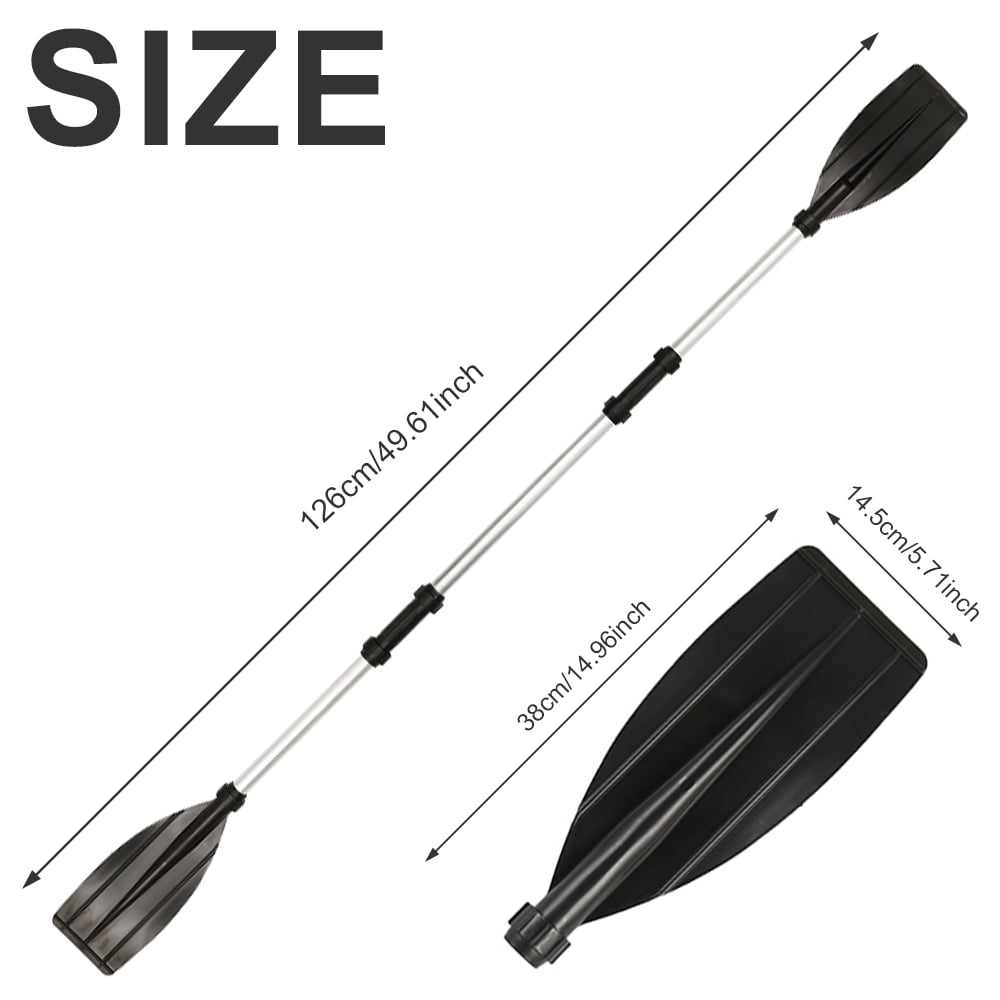
Kayak paddles typically range from 210 to 260 centimeters in length. The standard measurement often depends on the type of kayaking you’re engaging in. Recreational paddling might demand shorter paddles, while touring or sea kayaking could require longer ones.
Consider your kayak’s width. A wider kayak might need a longer paddle to help maintain control and efficiency. Check the manufacturer’s guidelines for recommended lengths specific to your kayak model.
Factors Influencing Length
Your height plays a significant role in paddle length selection. Taller individuals might prefer longer paddles for better reach, while shorter paddlers might find more comfort in shorter lengths. Test different paddle lengths to find what suits your height best.
Think about your paddling style. Do you prefer a high-angle or low-angle stroke? High-angle paddlers often opt for shorter paddles to enhance speed and agility, whereas low-angle paddlers might benefit from longer paddles for a more relaxed approach.
Consider the water conditions. Calm lakes might not require the same paddle length as rough seas. Adapt your choice based on where you plan to kayak most frequently.
Ultimately, the right paddle length depends on various factors, including your physical characteristics and paddling preferences. Is your current paddle length serving you well, or could a change enhance your kayaking experience?
Impact Of Kayak Type
The length of your kayak paddle can significantly impact your paddling experience, and the type of kayak you use plays a crucial role in determining the right paddle size. Whether you’re cruising along serene lakes or navigating turbulent rivers, the kayak type influences not only the paddle length but also how you maneuver through the water. Let’s explore how different kayak types can affect your choice of paddle length.
Recreational Kayaks
Recreational kayaks are designed for casual paddling, often in calm waters. These kayaks are typically wider, offering more stability and comfort for beginner paddlers. A paddle length between 210-240 cm is generally recommended for recreational kayaks. The extra length helps you make wider strokes, which is ideal for leisurely paddling.
Have you ever noticed how a longer paddle can make steering easier, especially when you’re taking your time to enjoy the scenery? It’s a small detail that can make a big difference in your overall experience.
Touring Kayaks
Touring kayaks are built for longer journeys and often feature a sleeker design to glide efficiently through the water. This type of kayak benefits from a paddle length of 220-240 cm. The slightly longer paddle aids in maintaining a steady rhythm over long distances, giving you a smooth and efficient stroke.
Imagine embarking on a multi-day kayaking trip with the right paddle; it can drastically reduce fatigue and enhance your adventure. Isn’t it fascinating how a small adjustment can amplify your endurance and enjoyment?
Whitewater Kayaks
Whitewater kayaks are designed for navigating fast-moving rivers and challenging rapids. These kayaks are shorter and more maneuverable, requiring a shorter paddle, usually between 190-210 cm. The shorter length allows for quick, precise strokes, essential for responsive maneuvers in turbulent waters.
If you’ve ever battled a rushing current, you know how crucial it is to have a paddle that responds swiftly to your movements. Choosing the right paddle can be the difference between a thrilling ride and a struggle against the elements.
Choosing the right paddle length tailored to your kayak type isn’t just about measurement—it’s about enhancing your overall kayaking experience. Have you tried different paddle lengths for your kayak? What impact did it have on your adventure?
Paddler’s Physical Attributes
Choosing the right kayak paddle length is crucial for comfort and efficiency. A key factor is the paddler’s physical attributes. These include height, arm length, and reach. Understanding these elements helps in selecting the perfect paddle.
Height Considerations
Your height plays a big role in paddle choice. Taller paddlers usually need longer paddles. This ensures they can reach the water easily. Shorter paddlers do well with shorter paddles. It helps them maintain control and comfort.
Arm Length And Reach
Arm length affects how far you can reach. Longer arms may require a longer paddle. This provides a full stroke and prevents strain. Shorter arms might need a shorter paddle. It offers a better grip and control over movements.

Credit: kitchi-gami.com
Paddling Style Preferences
When choosing the right kayak paddle, understanding your paddling style preferences can make all the difference in your kayaking experience. Your style will affect not only your comfort but also your efficiency on the water. Let’s dive into the two main paddling styles: High Angle and Low Angle, and see how they influence paddle length and design.
High Angle Paddling
High angle paddling is characterized by a more aggressive and vertical stroke. This style is often preferred by those who seek speed and power, such as white-water kayakers or competitive racers. Imagine slicing through the water with each stroke, feeling the exhilaration of a faster pace.
For high angle paddling, shorter paddles are recommended. Their shorter length allows for quicker, more efficient strokes. Typically, these paddles have a wider blade, which offers more resistance and power. If you enjoy the thrill of fast-paced kayaking, a paddle designed for high angle paddling might be your best friend.
Low Angle Paddling
Low angle paddling, on the other hand, is associated with a more relaxed and leisurely stroke. This style is ideal for long-distance trips or casual paddlers who prefer a smoother, more effortless glide. Picture yourself enjoying a serene day on a tranquil lake, with each stroke bringing you quietly forward.
For low angle paddling, longer paddles are beneficial. They allow for a smoother, more relaxed stroke, reducing fatigue over extended periods. These paddles typically feature a narrower blade, optimizing comfort and ease. If your kayaking adventures are more about soaking in the scenery than racing the current, consider opting for a paddle suited for low angle paddling.
Have you ever considered how your paddling style influences your paddle choice? By understanding your preferences, you can enhance your kayaking experience, whether you’re seeking the thrill of speed or the joy of a peaceful journey.
Adjustable Vs Fixed Length Paddles
Choosing between adjustable and fixed length paddles depends on flexibility needs. Adjustable paddles cater to varied kayaking conditions. Fixed paddles offer a consistent, familiar feel. Each type affects the overall kayaking experience differently.
Choosing between adjustable and fixed length kayak paddles can significantly impact your paddling experience. Each type has its unique advantages and drawbacks that cater to different paddling styles and preferences. Whether you’re a beginner or an experienced kayaker, understanding these differences can help you make a more informed decision.Pros And Cons Of Adjustable Paddles
Adjustable paddles offer flexibility, allowing you to modify the length to suit various conditions and personal preferences. This is particularly beneficial if you share your paddle with others or switch between different kayak types. On the downside, adjustable paddles can be heavier due to the additional mechanism required for adjustment. They might also be less durable over time as the adjustable parts can wear out. Consider how often you’ll need to change the length and weigh it against the potential for wear. Many kayakers appreciate the versatility of adjustable paddles, but it’s crucial to assess whether the added weight and potential maintenance issues align with your paddling habits.Benefits Of Fixed Length Paddles
Fixed length paddles are known for their simplicity and reliability. With fewer moving parts, they tend to be lighter and more durable, making them an excellent choice for long paddling trips where every ounce matters. These paddles offer consistent performance, as they maintain their structure without the worry of adjustment mechanisms failing. However, they lack the flexibility of adjustable paddles, which means you need to find the perfect length for your needs before purchasing. Think about your typical kayaking environment. Do you often paddle in diverse conditions that require varying paddle lengths, or do you prefer consistency in your equipment? Fixed length paddles might be ideal if you value stability and simplicity in your gear. Ultimately, the choice between adjustable and fixed length paddles hinges on your personal preferences and paddling style. Which one aligns better with your kayaking adventures?Material And Design Influences
The length of kayak paddles greatly depends on their material and design. These factors influence the weight, durability, and efficiency of the paddles. Choosing the right paddle involves understanding how these elements impact your kayaking experience.
Weight And Durability
Paddle material affects its weight and durability. Lightweight materials like carbon fiber offer ease of use. They reduce fatigue during long kayaking trips. Fiberglass paddles strike a balance between weight and cost. They are durable and slightly heavier. Aluminum paddles are affordable and sturdy. Yet, they are heavier, making them less ideal for long journeys.
Blade Shape And Efficiency
Blade shape plays a key role in paddling efficiency. Narrow blades are gentle on water. They require less effort, ideal for beginners. Wide blades offer more power per stroke. They suit experienced kayakers and rough waters. Asymmetrical blades provide balanced strokes. They enhance control and stability in various conditions.
Testing Paddle Length
Choosing the right kayak paddle length is essential for a smooth ride. Testing different paddle lengths can help find the perfect fit. This process involves trying several paddles in real conditions. You get to feel how each length affects your paddling. It’s important to test paddles in various settings to ensure accuracy.
On-water Trials
Begin your on-water trials in calm conditions. This helps you focus on paddle length rather than water challenges. Use a variety of paddle lengths to understand the differences. Notice how each length affects your stroke and comfort. Try different paddles over a period of time to gather reliable data.
Feedback And Adjustments
After each trial, take notes on your experience. Record which paddle felt best and why. Consider factors like speed, ease, and fatigue. Share your findings with other paddlers for additional insights. Use feedback to make necessary adjustments. Testing and refining will lead to finding the ideal paddle length.

Credit: www.amazon.com
Common Mistakes To Avoid
When choosing the perfect kayak paddle, many enthusiasts fall into common pitfalls. These mistakes can impact your kayaking experience, leading to discomfort or inefficient paddling. By understanding these errors, you can make a more informed decision and enhance your time on the water.
Overestimating Paddle Length
One of the most frequent mistakes is overestimating the paddle length. You might assume a longer paddle is better for reaching further or paddling faster. However, longer paddles can be cumbersome, especially for those with shorter arms or smaller frames.
Consider your height and the width of your kayak. A paddle that’s too long can lead to awkward strokes, making you tire quickly. Think about whether you’ve ever found yourself struggling to maintain a rhythm or feeling fatigued too soon. The solution might be as simple as adjusting the paddle length.
Ignoring Comfort And Control
Comfort and control are crucial aspects often overlooked when selecting a paddle. Have you ever experienced wrist strain or blisters during a lengthy kayak trip? Such discomfort might be due to a poor grip or inappropriate paddle design.
Choosing a paddle that feels natural in your hands can significantly enhance your control over the kayak. Test different grips and materials to find what suits you best. Ask yourself, does the paddle feel like an extension of your arm, or are you constantly adjusting your hold?
By steering clear of these common mistakes, you can ensure a more enjoyable and efficient kayaking experience. The right paddle not only complements your style but also makes each stroke more rewarding. Are you ready to re-evaluate your paddle choice and make adjustments for better adventures?
Frequently Asked Questions
How Long Is A Standard Paddle?
A standard paddle typically measures between 84 to 86 inches in length. It suits most paddlers comfortably. The size can vary based on personal preference and paddling style. Always consider your height and intended use when selecting a paddle. Proper sizing enhances paddling efficiency and comfort.
How To Know What Size Kayak Paddles To Get?
Choose kayak paddle size based on your height and kayak width. Taller people need longer paddles. Check manufacturer’s size chart for recommendations. Consider your paddling style and water conditions. Test different lengths for comfort and efficiency. Ensure paddle fits well for optimal performance.
Do I Need A Longer Kayak Paddle?
Choosing a longer kayak paddle depends on your height, kayak width, and paddling style. Taller individuals or wider kayaks may need longer paddles for efficient strokes. Measure your paddle length based on these factors to ensure comfort and performance. Visit a store to try different options for the best fit.
What Is The Length Of A Guide Paddle?
Guide paddles typically range from 60 to 66 inches in length. They offer stability and control in various water conditions, making them ideal for river and whitewater rafting. Choose a paddle length based on your height and the type of water activity for optimal performance.
Conclusion
Choosing the right kayak paddle length is crucial. It affects your comfort and efficiency. Consider your height and kayak width. These factors help decide the best paddle size. Short paddles suit narrow kayaks and smaller paddlers. Longer paddles work better for wider kayaks and taller individuals.
Try different sizes if unsure. A proper paddle enhances your kayaking experience. It makes paddling easier and more enjoyable. Remember, the right paddle can make a big difference. Enjoy your time on the water with the perfect paddle!