
Are you thinking about diving into the world of kayaking? One question you might be asking yourself is, “How long are kayaks?”
Understanding kayak lengths can greatly influence your paddling experience, whether you’re gliding over serene lakes, navigating white-water rapids, or exploring coastal waters. The length of a kayak isn’t just a number; it’s a key factor that affects speed, stability, and maneuverability.
Imagine finding the perfect kayak that matches your adventure style, offering you the thrill and freedom you seek on the water. This guide will help you unlock that potential. Dive deeper to discover the ideal kayak length for your needs and make your next water adventure unforgettable.
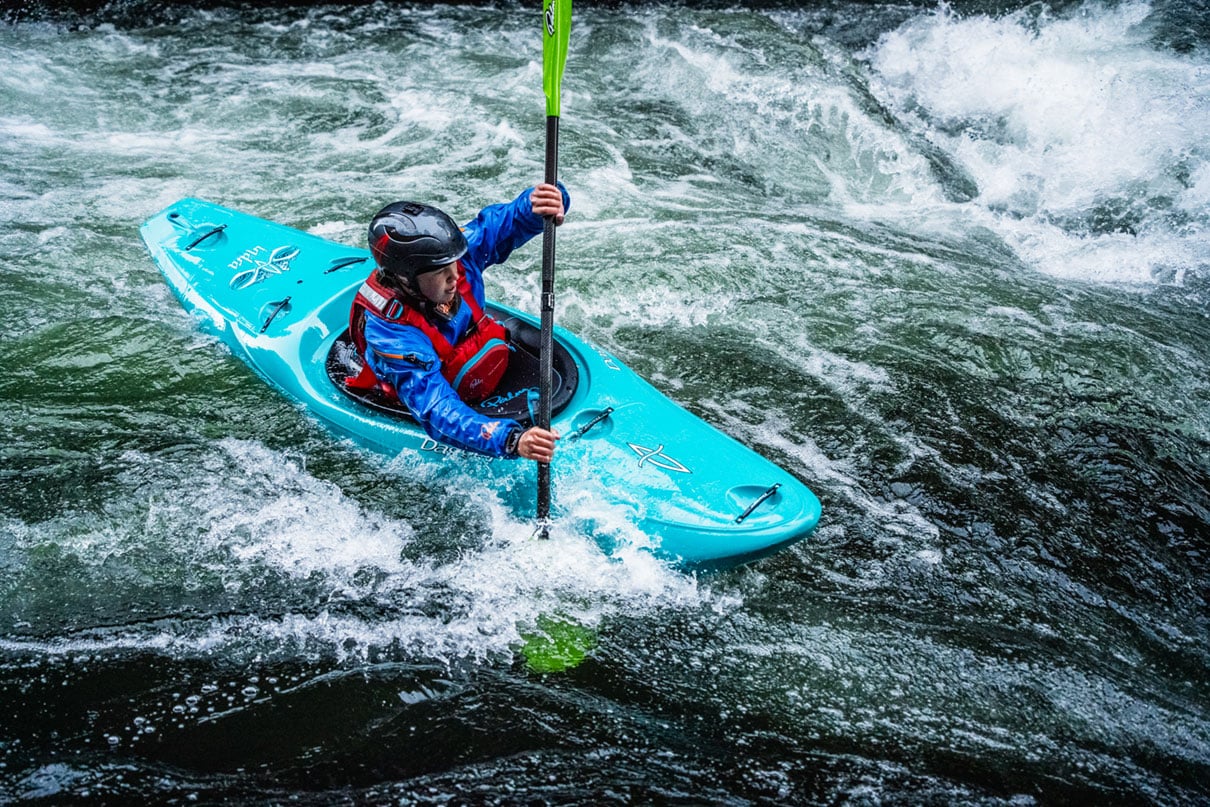
Credit: paddlingmag.com
Kayak Length Basics
Understanding the basics of kayak length is essential for any paddler, whether you’re a beginner or seasoned enthusiast. The length of a kayak affects its speed, stability, and maneuverability. Knowing the right length for your kayaking adventures can make all the difference in your water experience.
Types Of Kayaks
Kayaks come in various types, each designed for specific water activities. Recreational kayaks are typically shorter, ranging from 9 to 12 feet, providing excellent stability for calm waters and easy transport. Touring kayaks, used for longer trips and open waters, usually stretch from 12 to 17 feet, offering better speed and storage capacity.
Whitewater kayaks are designed for swift rivers and rapids, often measuring between 6 to 9 feet to enhance agility. If you’re into fishing, fishing kayaks are generally wider and range from 10 to 14 feet, giving you stability to cast your line. Consider what type of kayaking you enjoy most when selecting the right kayak.
Length Variations
Kayak length isn’t just about the type—it’s also about the purpose. A longer kayak typically tracks straighter and moves faster, ideal for covering greater distances. However, a shorter kayak is easier to turn, making it perfect for navigating tight spots and rapid waters.
Imagine a sleek 15-foot touring kayak slicing through serene lakes, offering both speed and ample storage for a day trip. In contrast, a compact 9-foot whitewater kayak allows for quick maneuvers around river obstacles. Reflect on your usual paddling environment to decide the best length for your needs.
Have you ever found yourself struggling to control your kayak on a windy day? It might be time to reassess its length. Sometimes, the right length can transform a challenging paddling session into a smooth, enjoyable ride.
Choosing The Right Length
Choosing a kayak involves considering its length, which impacts stability and speed. Shorter kayaks offer better maneuverability, ideal for narrow waterways. Longer kayaks enhance speed and track straighter, suitable for open waters and long distances.
Choosing the right kayak length is crucial for a great paddling experience. Kayak lengths vary and each serves specific purposes. Knowing your needs helps in selecting the ideal kayak length.Purpose And Use
Different activities require different kayak lengths. Short kayaks are agile, perfect for swift rivers. Long kayaks offer speed and stability, ideal for touring or sea kayaking. Match the kayak length to your preferred activity.Skill Level Considerations
Beginners benefit from shorter, more maneuverable kayaks. They’re easier to handle and control. Experienced paddlers might prefer longer kayaks for speed and efficiency. Choose a length that complements your skill level for a better experience.Impact Of Length On Performance
When choosing a kayak, understanding the impact of its length on performance is crucial. The length of a kayak can significantly influence how it behaves in water, affecting everything from speed to maneuverability. As you explore different options, consider how these factors align with your paddling goals.
Speed And Stability
Longer kayaks tend to be faster. Their extended hull allows them to glide through water with less resistance. This makes them ideal for long-distance paddling or racing.
However, longer kayaks may sacrifice some stability. They can feel tippier compared to shorter models, especially in choppy waters. If speed is your priority, the trade-off might be worth it.
Maneuverability
Shorter kayaks excel in maneuverability. They can easily navigate tight spaces and make sharp turns. This is perfect for exploring narrow waterways or whitewater paddling.
But, with increased maneuverability comes decreased tracking. A shorter kayak might struggle to maintain a straight line in open water. Consider where you plan to paddle most often.
Have you thought about how kayak length aligns with your paddling style? Whether you prioritize speed or maneuverability, understanding these dynamics will help you make an informed decision.
Length And Storage Solutions
Kayak length impacts its performance and storage needs. Shorter kayaks turn easily and suit rivers. Longer kayaks track better and handle open waters. Understanding length helps in choosing the right kayak and planning storage.
Transport Options
Transporting kayaks can be challenging due to their length. Roof racks are popular for car transportation. Secure the kayak with straps to avoid movement. For trucks, use bed extenders to support longer kayaks. Trailers offer another solution for multiple kayaks.
Home Storage Tips
Proper storage extends the life of your kayak. Store kayaks indoors, away from sunlight. Use wall mounts to save space and keep kayaks off the floor. Ceiling hoists are great for garages with limited space. Ensure the kayak is dry before storing to prevent mold.
Popular Kayak Lengths
Kayaks typically range from 6 to 18 feet, catering to various uses and skill levels. Shorter kayaks, around 6 to 8 feet, offer easy maneuverability for beginners. Longer kayaks, up to 18 feet, enhance speed and tracking, ideal for advanced paddlers seeking longer adventures.
When choosing a kayak, understanding the various lengths available can make all the difference in your paddling experience. The length of a kayak significantly influences its performance, stability, and maneuverability. Whether you’re a beginner or a seasoned paddler, knowing the popular kayak lengths helps you select the perfect kayak for your adventures.Short Kayaks
Short kayaks, typically ranging from 6 to 10 feet, are perfect for those who love quick turns and agile maneuvers. These kayaks are ideal for navigating narrow streams and rivers with ease. Their compact size makes them easy to transport and store, fitting snugly in small vehicles or garages. However, with their enhanced maneuverability, they sacrifice speed and tracking. A friend once commented that using a short kayak on a large lake felt like “paddling in circles.” If you prioritize turning over straight-line speed, a short kayak might be your best bet.Medium Length Kayaks
Medium-length kayaks, measuring between 10 to 14 feet, strike a balance between stability and speed. These kayaks are versatile, making them a popular choice for recreational paddlers. They perform well in both calm lakes and mild rivers. Their increased length enhances tracking, helping you maintain a straight course. Imagine gliding smoothly across a serene lake, your kayak cutting through the water effortlessly. If you’re looking for a kayak that offers versatility without compromising too much on maneuverability, consider this size.Long Kayaks
Long kayaks, over 14 feet, are built for speed and efficiency on open waters. They are favored by seasoned paddlers and those planning long-distance trips. Their length offers excellent tracking and stability, allowing for a swift and steady ride. However, maneuvering these kayaks in tight spaces can be challenging. Picture navigating a narrow, winding river—every turn requires careful planning. If you enjoy long, uninterrupted paddling sessions and relish the thrill of speed, a long kayak is your ideal companion. Choosing the right kayak length depends on where you plan to paddle and what you value most in your kayaking adventures. What type of waters do you envision exploring?
Credit: www.euronews.com
Adjusting To Your Kayak Length
Adjusting to your kayak length is essential for a smooth and enjoyable paddling experience. Whether you’re a novice or an experienced kayaker, understanding how to handle different kayak lengths can make all the difference. Shorter kayaks offer agility, while longer ones provide speed and stability. But how do you adapt to the one you have? Let’s dive into some practical tips.
Training Techniques
Begin by getting familiar with your kayak on calm waters. Practice basic paddling strokes, paying attention to how the kayak responds. Short kayaks turn quickly, so work on mastering tight turns. For longer kayaks, focus on straight-line paddling to maintain speed.
Try adjusting your paddling rhythm. Short kayaks require quicker strokes, whereas longer ones benefit from steady, powerful strokes. Challenge yourself by navigating through obstacles, enhancing your agility and control.
Consider joining a local kayaking club or group. Sharing experiences with fellow kayakers can provide valuable insights. You might learn new techniques or discover areas where your kayak excels.
Safety Considerations
Safety is paramount when adjusting to your kayak length. Ensure your kayak is equipped with essential safety gear like a life jacket, whistle, and paddle leash. Shorter kayaks can be more prone to tipping in turbulent waters, so brace yourself effectively.
Practice self-rescue techniques. Knowing how to re-enter your kayak after capsizing boosts confidence and safety. Longer kayaks might require different methods, so tailor your approach accordingly.
Regularly inspect your kayak for any damages or wear. A well-maintained kayak is less likely to cause unexpected issues. Always inform someone of your kayaking plans, including your estimated return time.
How do you feel when navigating your kayak? Is it a dance with the waves or a battle against them? Understanding your kayak length can transform your experience into a seamless adventure.

Credit: www.amazon.com
Frequently Asked Questions
What Is The Standard Length Of A Kayak?
The standard length of a kayak typically ranges from 10 to 14 feet. Recreational kayaks are usually shorter, while touring and sea kayaks are longer. The length affects speed, stability, and maneuverability. Choose based on your paddling needs and water conditions.
Is An 8 Foot Kayak Too Small?
An 8-foot kayak is ideal for beginners, children, or small adults. It’s lightweight and easy to maneuver. Suitable for calm waters, it may not perform well in rough conditions. Check weight capacity and comfort before purchasing. Always choose based on your specific needs and water activities.
What Is The 120 Rule For Kayaking?
The 120 rule for kayaking ensures safety by combining air and water temperatures to be at least 120°F. This guideline helps kayakers determine suitable conditions and avoid hypothermia. Always wear appropriate gear and check weather forecasts before kayaking.
What Is The Length Of A 2 Person Kayak?
A typical 2 person kayak ranges from 12 to 15 feet in length. They offer stability and space for two paddlers. Dimensions may vary based on the model and purpose, such as recreational or touring kayaks. Always check the specifications for exact measurements before purchasing.
Conclusion
Choosing the right kayak length enhances your paddling experience. Short kayaks offer agility and easy handling. Perfect for rivers and small lakes. Longer kayaks provide speed and stability. Ideal for touring and open waters. Assess your needs and water conditions.
This helps you select the best kayak length. Comfort and performance should guide your choice. Think about storage and transport too. Take your time. Find the kayak that suits your adventure. Enjoy the waters with confidence and excitement. Happy kayaking!