
Are you planning your next kayaking adventure and wondering just how long your paddle should be? Choosing the right kayak paddle length is crucial for your comfort, efficiency, and overall enjoyment on the water.
Whether you’re a seasoned paddler or just starting out, the decision can feel overwhelming. But don’t worry, you’re not alone in this journey. Many kayakers face the same dilemma, and the good news is, we’re here to help you navigate through it.
Imagine gliding effortlessly over the water, each stroke perfectly synchronized with your body, allowing you to explore further and paddle longer without fatigue. The secret to this seamless experience often lies in the length of your paddle. With the right guidance, you can make an informed decision that enhances your kayaking trips like never before. So, if you’re ready to unlock the mystery of selecting the perfect kayak paddle length, keep reading. You’re about to discover everything you need to know to make your time on the water truly unforgettable.
Choosing The Right Paddle Length
Selecting the correct kayak paddle length ensures comfort and efficiency on the water. Consider your height and kayak width for the best fit. A suitable paddle enhances your paddling experience by reducing strain and increasing control.
Choosing the right paddle length for your kayak can make a world of difference in your paddling experience. Imagine you’re out on the water, the sun warming your shoulders, but something feels off. Your paddle either feels too short, causing your knuckles to scrape against the kayak, or too long, making each stroke a chore. The secret to smooth, efficient paddling often lies in selecting the correct paddle length tailored to your needs.Factors Affecting Paddle Length
Several factors come into play when determining the ideal paddle length for you. Your height and the width of your kayak are two primary considerations. Taller individuals generally require longer paddles, while a wider kayak may also necessitate a longer reach. The type of kayaking you plan to do is another crucial factor. For example, recreational kayaking on calm waters might benefit from a shorter paddle, while sea kayaking or touring requires a longer one for better control and efficiency. Don’t forget your personal paddling style. If you prefer a high-angle stroke, a shorter paddle might be more suitable. Conversely, a low-angle stroke often pairs well with a longer paddle.Importance Of Paddle Size
Choosing the right paddle size is not just about comfort; it affects your performance on the water. A paddle that’s too short can lead to an awkward, inefficient stroke, leaving you tired and frustrated. On the other hand, a paddle that’s too long can be cumbersome, reducing your control and speed. A properly sized paddle enhances your control over the kayak, allowing for smoother and more precise movements. This is particularly important in challenging conditions where maneuverability is key. Consider this: investing time in finding the right paddle can save you from unnecessary strain and elevate your entire kayaking experience. So, is your current paddle truly the best fit for your needs?Paddler’s Height And Kayak Width
Choosing the right kayak paddle involves several factors. One crucial aspect is the paddler’s height and the kayak’s width. These elements affect your paddling efficiency and comfort. A well-suited paddle enhances your kayaking experience. Let’s explore how your height and kayak width influence paddle selection.
Height Considerations
Your height directly impacts paddle length. Taller paddlers need longer paddles. This ensures proper reach and stroke efficiency. A shorter paddle can cause discomfort or ineffective strokes. Conversely, shorter paddlers benefit from shorter paddles. It allows for easier maneuverability and control. To determine the right length, consider your torso height too. Stand up straight and measure from the ground to your nose. This gives a rough idea of a suitable paddle length.
Matching Paddle To Kayak Width
The width of your kayak plays a vital role. Wider kayaks require longer paddles. This ensures your strokes do not hit the kayak’s sides. Narrower kayaks allow for shorter paddles. They offer more precision and ease of movement. Consider both width and height for the best fit. A paddle that matches both factors enhances your paddling experience. Keep in mind the type of water you navigate. Wider paddles suit calm waters, while narrower ones handle rough conditions well.
Types Of Kayak Paddles
Choosing the right kayak paddle length depends on your height and kayak width. Shorter paddles suit smaller kayaks, while longer ones are ideal for wider kayaks or taller paddlers. Consider your paddling style for the best fit.
Understanding the different types of kayak paddles is crucial. It helps you choose the right paddle for your adventure. Various paddles cater to specific kayaking styles. Each type has unique features and benefits. Let’s explore the main types of kayak paddles.Touring Paddles
Touring paddles are ideal for long trips. They are designed for efficiency and comfort. These paddles have longer, narrower blades. This shape reduces fatigue over extended distances. Touring paddles often come with adjustable lengths. This feature lets you customize your paddle for different conditions. Lightweight materials make them easy to handle.Recreational Paddles
Recreational paddles suit beginners and casual kayakers. They are perfect for calm waters. These paddles have wider blades. This shape provides more power with each stroke. Recreational paddles are often affordable. They offer a great balance between performance and cost. They are usually made from durable materials.Whitewater Paddles
Whitewater paddles are built for rough conditions. They are strong and sturdy. These paddles have shorter, wider blades. This design offers more control in fast-moving waters. They are made from tough materials to withstand impacts. Whitewater paddles are essential for navigating rapids. They provide the stability and power needed in turbulent waters.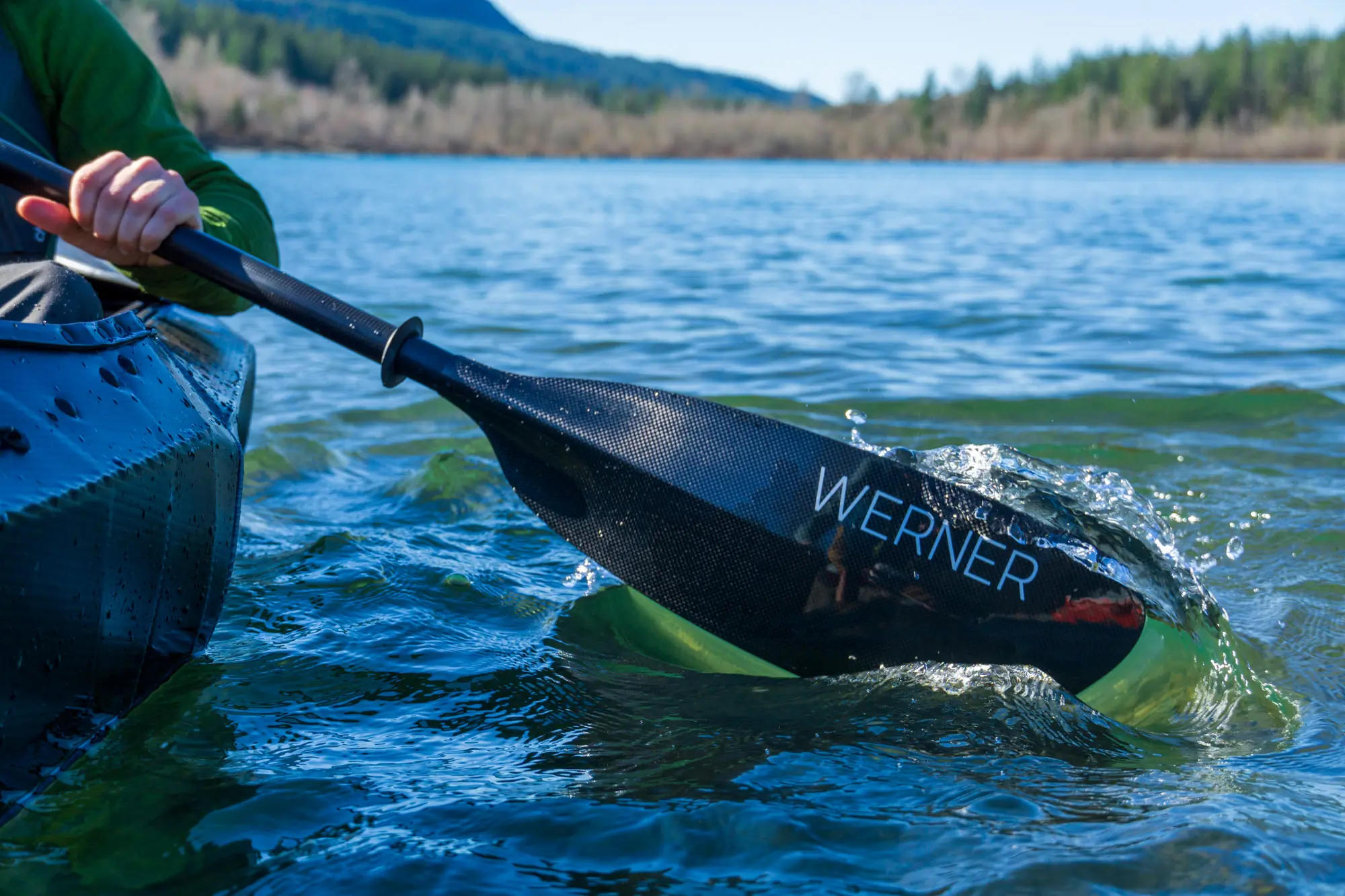
Credit: gearjunkie.com
Materials And Durability
Choosing the right kayak paddle length ensures comfort and efficiency. Paddle materials affect durability and performance. Lightweight and sturdy options like carbon fiber or fiberglass offer long-lasting use, enhancing your kayaking experience.
Choosing the right kayak paddle is crucial for both comfort and performance on the water. One aspect you’ll need to consider is the materials used in the paddle and their durability. The right material can significantly impact your paddling experience, influencing everything from speed to energy expenditure.Common Paddle Materials
Kayak paddles are typically made from a variety of materials, each with its own set of characteristics. Aluminum paddles are often the most affordable option, ideal for beginners. They are sturdy but can be heavier, which may lead to fatigue during long paddling sessions. Fiberglass paddles offer a balance between weight and cost. They are lighter than aluminum, making them a popular choice for more frequent paddlers. The durability of fiberglass also means they can withstand rougher waters without too much wear and tear. For those looking to optimize performance, carbon fiber paddles are the go-to choice. They are incredibly light, which enhances speed and reduces effort. However, they come with a higher price tag, which might not be justified for casual users.Impact On Performance
The material of your paddle not only affects its weight but also its performance. A lighter paddle like those made from carbon fiber can make long distances feel easier. You expend less energy, allowing you to paddle longer without tiring. On the other hand, if you are paddling in rocky or unpredictable waters, the durability of fiberglass might be more important than weight. These paddles can handle bumps and scrapes better than lighter, more fragile materials. Consider your typical paddling environment and how often you’ll use your paddle. Are you a weekend warrior or a daily adventurer? Your answer will guide you towards the material that best suits your needs. Ultimately, the right paddle material enhances your kayaking experience, making it enjoyable and efficient. As you weigh your options, remember that the material not only impacts cost but also your comfort and control on the water.Adjustable Vs. Fixed Length Paddles
Choosing between adjustable and fixed length kayak paddles can be tricky. Both types offer unique features that cater to different kayaking needs. Understanding these differences helps make an informed decision.
Advantages Of Adjustable Paddles
Adjustable paddles offer flexibility in length. This feature allows them to adapt to various kayaking conditions and user preferences. They are ideal for kayakers who share equipment or paddle in diverse environments. The adjustable nature helps accommodate different heights and arm spans. This means several people can use the same paddle comfortably.
These paddles are also convenient for travel. They can be shortened for easy storage and transportation. This makes them perfect for those who frequently travel with their kayaking gear. Adjusting the paddle length can help fine-tune performance. This is especially useful in changing water conditions.
Benefits Of Fixed Length Paddles
Fixed length paddles provide a solid and reliable feel. They are often lighter and sturdier due to their simpler design. This makes them efficient for long-distance kayaking. The constant length offers consistent performance. Experienced kayakers prefer this as it provides predictability.
These paddles are generally more durable. There are fewer moving parts, which reduces the risk of breakage. This reliability makes them a great choice for challenging environments. They also tend to be more affordable. If budget is a concern, fixed paddles might be the right choice.
Paddle Shape And Design
Choosing the right kayak paddle isn’t just about the length; the shape and design play a critical role in your overall paddling experience. Imagine gliding smoothly across the water with a paddle that feels like an extension of your arm. The paddle’s shape and design can greatly impact your efficiency and comfort. Let’s dive into the specifics of blade shapes and shaft designs to help you make the best choice.
Blade Shape Options
Blade shapes vary and each offers distinct advantages. The most common shapes include:
- Flat Blades:These are versatile and ideal for casual paddling, offering a balanced performance.
- Dihedral Blades:Designed with an angled face, they reduce flutter and provide smooth, stable strokes—perfect for beginners.
- Wing Blades:Often used by racers, these blades maximize speed and efficiency but require more skill.
Think about your paddling goals. Are you aiming for speed, stability, or versatility? Your choice will significantly affect your paddling style.
Shaft Design Variations
The shaft is the backbone of your paddle. You’ll find variations like:
- Straight Shafts:Classic and straightforward, these are reliable for most paddlers.
- Bent Shafts:Ergonomic design reduces wrist fatigue, providing comfort on longer journeys.
- Adjustable Shafts:Perfect for sharing among different paddlers, offering flexibility in length and angle.
Consider how long you’ll be paddling and if comfort or adaptability is your priority. Do you prefer a fixed length or the versatility of adjustments?
Reflect on your personal experiences. Have you felt discomfort with a straight shaft or struggled with a fluttering blade? These insights can guide you in choosing the right paddle design, ensuring your adventures are as enjoyable as possible.
Expert Tips For Selecting A Paddle
Choosing the right kayak paddle length is essential for comfort and efficiency. Consider your height and the kayak’s width. A paddle that’s too long or short can make paddling difficult.
Selecting the right kayak paddle is crucial for maximizing your time on the water. Expert advice can guide you in finding a paddle that enhances your experience, offering comfort and efficiency during your kayaking adventures. Consider these essential tips as you embark on your journey to find the perfect paddle.Trying Before Buying
Have you ever bought shoes without trying them on? You might end up with blisters or discomfort. The same logic applies to kayak paddles. Before making a purchase, test different paddle lengths and materials. Visit a local kayaking shop where you can try various paddles in a pool or demo area. This firsthand experience helps you feel the difference between paddle weights and lengths. Ask yourself: Does the paddle feel comfortable? Can you see yourself paddling for hours with it? Trying before buying prevents costly mistakes and ensures you choose a paddle that suits your style.Consulting Experienced Paddlers
Who better to advise you than someone who has navigated countless waters? Experienced paddlers can offer insights that you might not find in product descriptions. Join local paddling groups or online forums to connect with seasoned kayakers. They can recommend paddle brands and models based on your specific needs. These experts often share personal stories, highlighting the nuances of different paddle types. Their advice can be invaluable, helping you avoid common pitfalls and make a more informed decision. Consider asking them: How did you select your paddle? What would you do differently? Their answers might surprise you and steer your choice.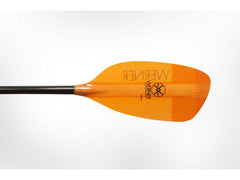
Credit: www.olympicoutdoorcenter.com
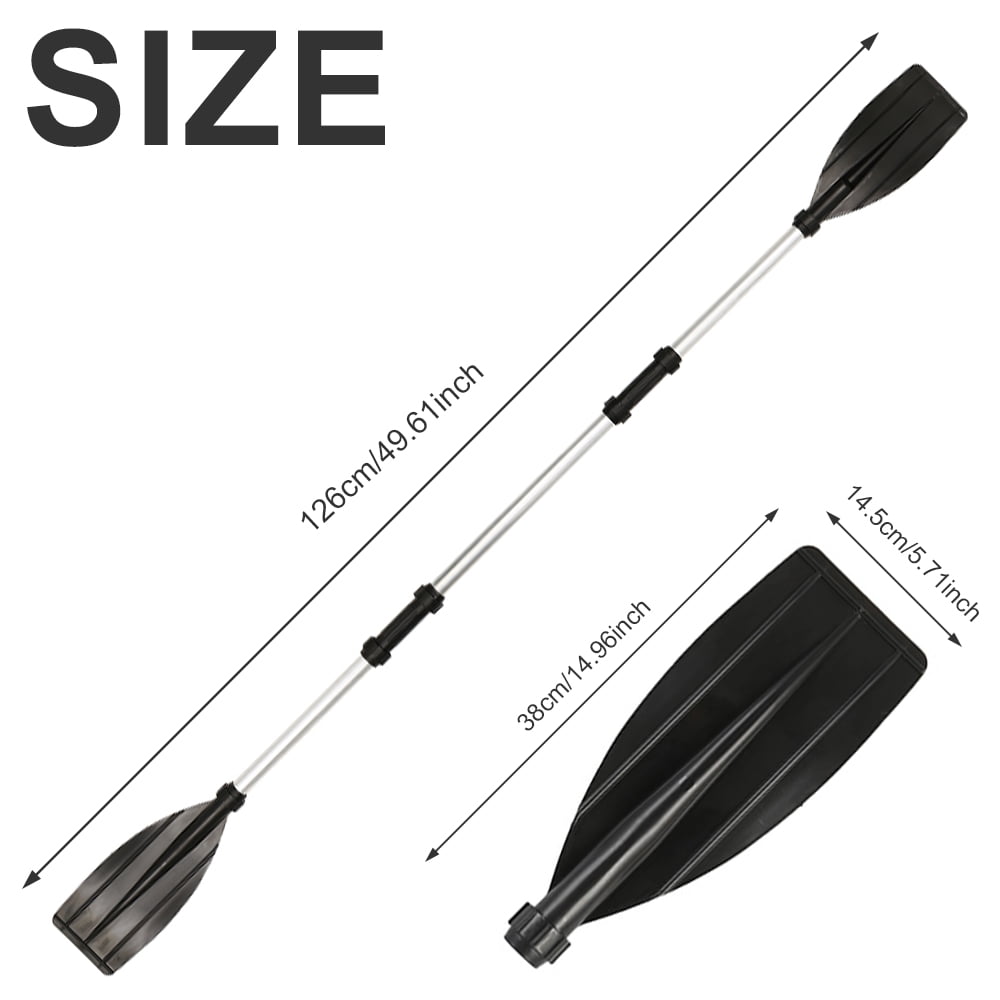
Credit: www.walmart.com
Frequently Asked Questions
How Do You Determine The Right Length Of A Kayak Paddle?
Choose a kayak paddle based on your height, kayak width, and paddling style. Typically, taller individuals and wider kayaks require longer paddles. Most paddle size charts provide guidance. Testing different lengths can also help determine the most comfortable and efficient paddle for your needs.
What Size Paddle Should I Get For My Height?
Choose a paddle based on your height and activity. Taller individuals need longer paddles, typically around 220-250cm. For kayaking, consider torso length and paddle style. Consult a paddle size chart for precise recommendations. Your comfort and efficiency depend on selecting the right size.
What Are The Three Golden Rules Of Kayaking?
The three golden rules of kayaking are: maintain balance, paddle efficiently, and stay aware of your surroundings. These principles ensure safety and enhance the enjoyment of kayaking adventures.
What Size Kayak Paddle For 5’4″?
A person 5’4″ tall typically needs a kayak paddle between 210-220 cm. Consider your kayak type and paddling style for precise selection. Consult a kayak specialist or try different paddles to find your perfect match. Proper paddle sizing enhances comfort and efficiency on the water.
Conclusion
Choosing the right kayak paddle length is crucial for comfort. It impacts your paddling efficiency and enjoyment. Consider your kayak width and personal height. These factors help find your ideal paddle length. Try different lengths if possible. This ensures a comfortable fit.
Remember, a well-chosen paddle makes kayaking more enjoyable. Consult experts or read reviews to guide your choice. Stay informed about new paddle designs and features. Aim for a paddle that suits your needs. Enjoy exploring the waters with confidence and ease.
Kayaking becomes much more fun with the right gear!