Are you planning your next kayaking adventure and wondering about the perfect paddle length? Choosing the right paddle is crucial for a comfortable and efficient experience on the water.
It might seem like a small detail, but the right paddle can make all the difference between a smooth, enjoyable ride and an exhausting struggle. Picture yourself gliding effortlessly across the water, each stroke propelling you forward with ease. Sounds ideal, doesn’t it?
By understanding how long your kayak paddle should be, you’ll enhance your performance and minimize fatigue. Let’s dive into the specifics and find out how to make your kayaking experience the best it can be.
Choosing The Right Paddle Length
Choosing the right paddle length for your kayak can make a huge difference in your paddling experience. A well-fitted paddle ensures efficiency, comfort, and control on the water. However, selecting the perfect length isn’t always straightforward. Let’s dive into what factors you need to consider and how different kayak types affect your choice.
Factors Influencing Paddle Length
Several key factors play into determining the ideal paddle length for you. Your height is crucial; taller paddlers generally need longer paddles. The width of your kayak is also important. Wider kayaks require longer paddles to maintain a proper stroke angle.
Your paddling style can influence your decision too. If you prefer a high-angle paddling style, you might opt for a slightly shorter paddle. On the other hand, a low-angle paddler may find a longer paddle more comfortable.
Consider the type of water you often paddle in. For instance, paddling in narrow rivers or tight spaces might necessitate a shorter paddle for better maneuverability. Think about how these factors intersect with your unique paddling habits.
Paddle Length For Different Kayak Types
The type of kayak you own significantly influences the paddle length you should choose. For recreational kayaks, which are typically wider, longer paddles are often recommended. This helps in maintaining a consistent and comfortable stroke.
Touring kayaks tend to be narrower, allowing for shorter paddles. This promotes efficiency during long-distance paddling. Whitewater kayaks, designed for agility and quick turns, usually require the shortest paddles.
If you’re using a fishing kayak, consider a paddle that allows for easy maneuverability around your gear. Have you ever found yourself struggling with the wrong paddle on a long trip? Reflect on how a simple adjustment might enhance your adventures.
Assess your needs, consider your kayak type, and test different paddles. The right choice can transform your paddling experience from arduous to enjoyable. Which kayak and paddle combination will you choose for your next journey?
Measuring Paddle Length
Choosing the right kayak paddle length is crucial for comfort and efficiency. Consider your height and kayak width to determine the ideal paddle size. A well-measured paddle ensures smooth strokes and enhances your kayaking experience.
Measuring the right paddle length for kayaking is crucial. It ensures comfort and efficiency while paddling. Various factors influence the ideal paddle size. Understanding these factors helps in making the best choice.Height And Arm Span Considerations
Your height plays a big role in paddle length. Taller people generally need longer paddles. A simple way to check is by raising the paddle overhead. Your elbows should form a 90-degree angle. Arm span is also vital. It can affect how you handle the paddle. Always ensure your arm span matches the paddle length for better control.Kayak Width And Paddle Length
The width of your kayak influences paddle choice. Wider kayaks require longer paddles. This helps in reaching the water without straining. Narrow kayaks, on the other hand, work well with shorter paddles. Measuring your kayak’s width helps in selecting the right paddle. Always consider the kayak’s dimensions for a smooth paddling experience.Impact On Kayaking Performance
The length of your kayak paddle significantly influences your performance on the water. A well-chosen paddle enhances your efficiency and comfort during kayaking. It also aids in executing proper stroke techniques, which are crucial for maneuverability and speed. Understanding these aspects can lead to a more enjoyable kayaking experience.
Efficiency And Comfort
Using the right paddle length ensures better energy use. It reduces strain on your arms and shoulders. A paddle that’s too long or short can cause discomfort. It may lead to inefficient strokes, wasting energy. By selecting the correct length, you maintain a natural paddling rhythm. This enhances overall comfort and performance on the water.
Stroke Techniques
Proper stroke techniques depend on paddle length. A suitable paddle allows for smoother strokes. It helps in maintaining balance and direction. Short paddles may hinder reach and power. Long paddles can make quick strokes challenging. The right length supports effective forward strokes and turns. This leads to improved speed and control.

Credit: www.amazon.com
Adjustable Vs Fixed Length Paddles
Choosing between adjustable and fixed length paddles depends on kayaking needs. Adjustable paddles offer flexibility for varied water conditions. Fixed paddles ensure stability and are preferred for consistent paddling experiences.
When choosing a paddle for kayaking, you face a decision: adjustable or fixed length. Each type has its unique features and benefits. The right choice depends on personal preference and paddling style. Understanding these options can enhance your kayaking experience.Pros And Cons Of Adjustable Paddles
Adjustable paddles offer flexibility. They can be lengthened or shortened to suit different needs. This is useful for paddling in various conditions or sharing with others. Adjustable paddles are ideal for families or groups. They allow everyone to find a comfortable length. However, they might be heavier due to additional mechanisms. This can affect paddling efficiency. Adjustability parts can also wear out over time.Benefits Of Fixed Length Paddles
Fixed length paddles are typically lighter. This makes them easier to handle for long distances. They provide a solid and reliable feel in the water. Fixed paddles have fewer parts that can break. This results in greater durability. They often perform better in high-intensity conditions. Choosing fixed paddles means less maintenance. You focus more on enjoying the water.Common Paddle Length Mistakes
Choosing the right paddle length for your kayak can make or break your paddling experience. Many paddlers make the mistake of selecting a paddle that’s too short or too long, leading to discomfort and inefficient strokes. Let’s dive into the common paddle length mistakes that you should avoid to enhance your kayaking adventure.
Too Short Or Too Long Consequences
A paddle that’s too short can leave you struggling to reach the water effectively, resulting in weak strokes and more effort to keep moving. You’ll find yourself working harder to maintain your speed, which can be exhausting over time.
Conversely, a paddle that’s too long can lead to awkward and inefficient strokes. It can cause your arms to extend too far, leading to strain on your shoulders and back. This might not only be uncomfortable but can also increase the risk of injury.
Both scenarios can make your kayaking experience less enjoyable, and you might end up wondering why your friends seem to paddle effortlessly while you lag behind. Pay attention to your paddle length to ensure a smooth and enjoyable ride.
Avoiding Common Errors
To avoid these common mistakes, start by considering the width of your kayak and your height. A wider kayak typically requires a longer paddle, while your own height plays a crucial role in determining the ideal length.
Experiment with different paddle lengths. Borrow a friend’s paddle or rent different options to see what feels comfortable. You might be surprised by how much difference a few centimeters can make.
Think about the type of kayaking you do. If you’re into touring or long-distance paddling, a slightly longer paddle might suit you better. However, for white-water or more technical kayaking, a shorter paddle could offer better maneuverability.
Are you finding yourself fatigued quickly or experiencing shoulder discomfort? It might be time to reassess your paddle length. Listen to your body and make adjustments as needed.
Remember, the right paddle length can significantly enhance your efficiency and comfort on the water. Don’t let a simple mistake hold you back from enjoying your next kayaking adventure to the fullest!
Credit: www.olympicoutdoorcenter.com
Tips For Selecting Your Paddle
Choosing the right paddle length for kayaking depends on your height and boat width. Taller individuals or wider kayaks usually need longer paddles. Shorter paddles offer more control for narrow kayaks or shorter paddlers.
Selecting the right paddle for kayaking enhances your experience on the water. Many factors influence your choice, including paddle length, material, and design. Each aspect affects performance, comfort, and efficiency. Understanding these factors helps in making an informed decision.Testing Before Buying
Trying paddles before purchasing is invaluable. Visit local kayak shops or rental facilities offering paddle trials. Feel the weight and grip. Assess how each paddle interacts with water. Test different lengths to find your comfort zone. Note the paddle’s ease of maneuvering. A paddle that feels right enhances your kayaking experience.Consulting Experts
Seek guidance from kayaking professionals. They offer insights based on extensive experience. Discuss your kayaking style and preferences. Experts recommend paddles tailored to your needs. Learn about the latest paddle materials and designs. They guide you towards options that match your skill level. Consulting experts saves time and ensures satisfaction.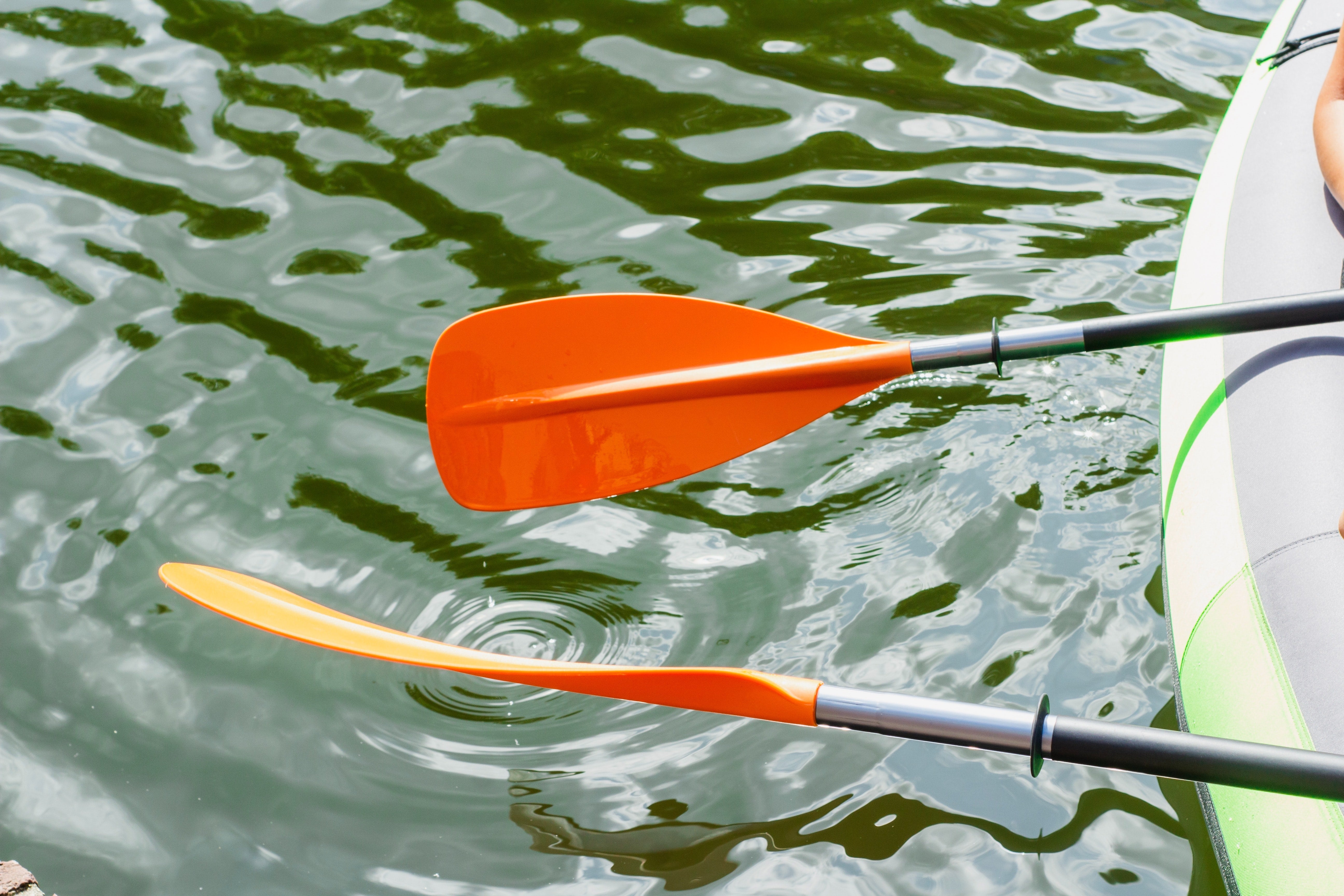
Credit: www.baysports.com.au
Frequently Asked Questions
What Length Should Kayak Paddles Be?
Kayak paddle length depends on your height and kayak width. Generally, lengths range from 210cm to 260cm. Shorter paddles suit narrow kayaks, while longer ones fit wider kayaks. Choose a comfortable length for efficient paddling.
What Are The Three Golden Rules Of Kayaking?
The three golden rules of kayaking are: maintain a balanced posture, use effective paddle strokes, and assess water conditions carefully. These rules ensure safety and enhance your kayaking experience. Always prioritize your skills and environment awareness to enjoy kayaking responsibly and confidently.
How Do I Know If My Kayak Paddle Is Too Short?
A kayak paddle is too short if you struggle to maintain a comfortable, efficient stroke. Your knuckles might scrape the kayak’s sides, or you may feel excessive shoulder strain. Ensure the paddle allows for a smooth, full stroke without overreaching or underreaching.
How Long To Paddle 1 Mile In A Kayak?
Kayaking 1 mile typically takes 20 to 30 minutes. Time varies based on skill level, water conditions, and kayak type. Beginners might take longer, while experienced paddlers can complete it faster. Adjust expectations based on personal pace and environmental factors.
Conclusion
Choosing the right paddle size makes kayaking more enjoyable. Comfort and efficiency depend on proper length. Consider your kayak’s width and your height. Test different paddles to find the best fit. Shorter paddles work well in narrow waters. Longer paddles suit wider areas and taller paddlers.
Remember to think about the type of kayaking you enjoy. Each style has unique needs. Always prioritize your comfort and ease while paddling. Happy kayaking adventures await with the right paddle in hand!