Imagine gliding effortlessly across a serene lake, the gentle splash of your paddle marking the rhythm of your journey. As you embark on this aquatic adventure, one question might linger in your mind: how long will it take to kayak 5 miles?
Whether you’re planning a leisurely outing or a more challenging excursion, understanding the time commitment is key to a successful trip. You’ll discover the factors that influence your kayaking time, from your personal skill level to the nuances of water conditions.
By the end, you’ll have a clear picture of what to expect, empowering you to plan your day on the water with confidence. So, if you’re ready to dive deeper and uncover the secrets to estimating your kayaking time, keep reading—your perfect paddle awaits!

Credit: www.instagram.com
Factors Affecting Kayaking Time
Kayaking 5 miles can take different amounts of time. Various factors influence the duration of your trip. Understanding these factors helps in planning a successful kayaking adventure. Each element can significantly impact your paddling speed and overall experience.
Weather Conditions
Weather plays a crucial role in kayaking. Calm, sunny days make for a faster trip. Windy or stormy weather slows you down significantly. Rain might also create challenging conditions, reducing visibility. Always check the weather forecast before heading out. Safety should be your top priority.
Water Currents
Water currents affect your speed on the water. Paddling with a strong current can reduce your time. Going against the current is more challenging and time-consuming. Research the waterway beforehand to understand its current patterns. This knowledge helps in estimating your travel time more accurately.
Kayak Type
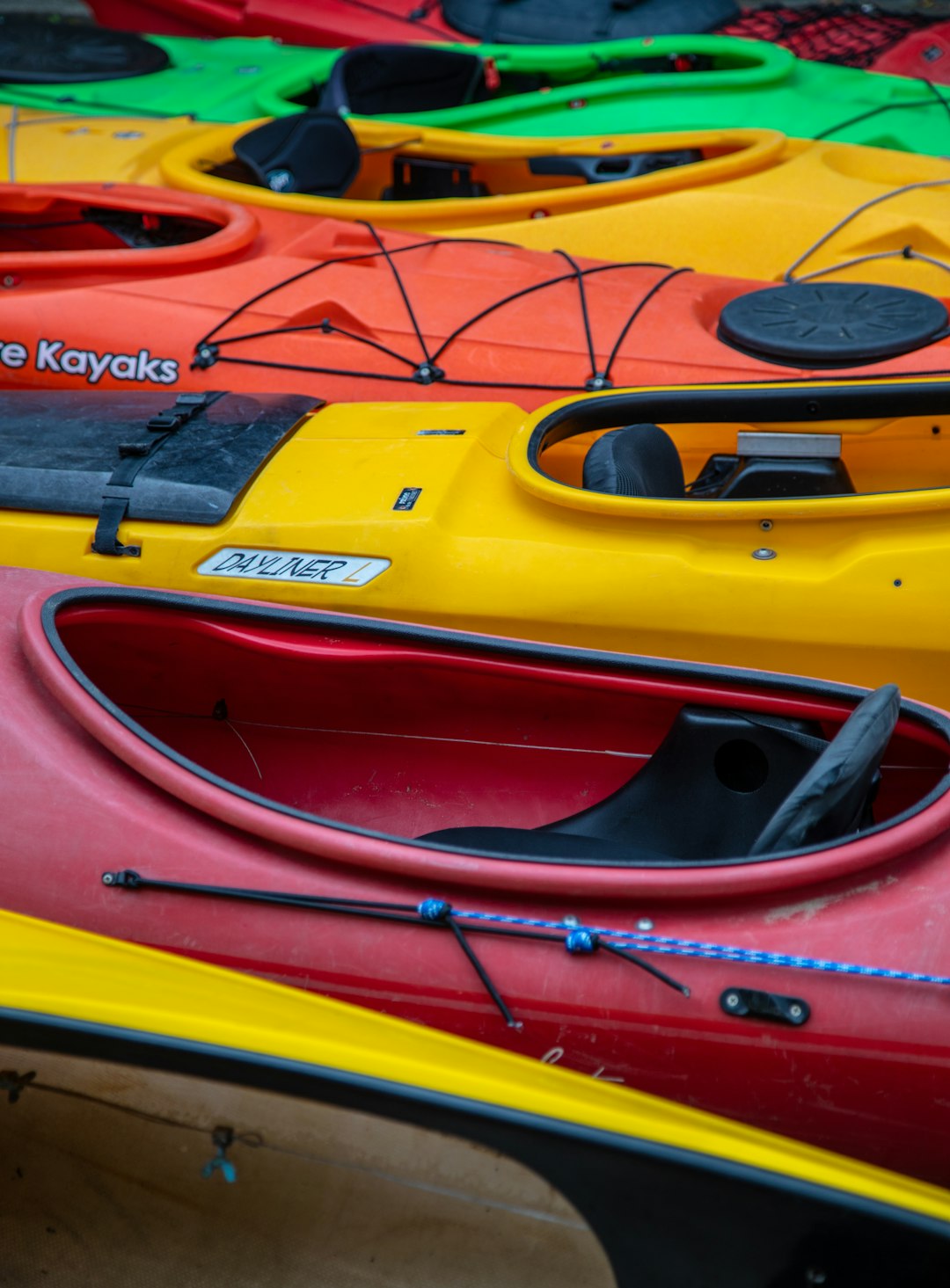
The type of kayak you choose impacts your speed. Touring kayaks are designed for speed and long distances. They are usually faster than recreational kayaks. Sit-on-top kayaks are stable but slower. Consider your kayak’s design and purpose when estimating your paddling time. Choose one that suits your journey needs.

Credit: www.instagram.com
Average Time To Kayak 5 Miles
Kayaking 5 miles can be a delightful adventure. The average time varies based on several factors. Paddler experience, water conditions, and pace play important roles. Understanding these can help you plan your trip effectively.
Beginners Vs Experienced Paddlers
Beginners might take longer to kayak 5 miles. They may need to learn basic techniques. Steering and maintaining balance can slow them down. Expect around 2 hours for a beginner. Experienced paddlers are usually faster. They know how to use strokes efficiently. They can navigate obstacles with ease. An experienced paddler might complete 5 miles in about 1 hour.
Leisure Vs Competitive Pacing
Paddling pace affects the time needed to kayak 5 miles. Leisure paddlers take their time. They enjoy nature and surroundings. Leisure paddling might take up to 2 hours. Competitive paddlers aim for speed. They focus on technique and power. Competitive pacing might reduce the time to less than 1 hour.
Planning Your Kayak Trip
Estimating the time to kayak 5 miles depends on several factors, including experience, weather, and water conditions. Beginners might take longer, around two hours, while experienced kayakers could finish in about an hour. Consider your pace and conditions to plan accordingly.
Planning a kayak trip is more than just jumping into a kayak and paddling away. It’s about understanding the journey ahead, being prepared, and ensuring your safety. Whether you’re an experienced kayaker or a beginner, every trip requires careful planning to make it both enjoyable and safe.Route Selection
Choosing the right route is crucial. Consider the water conditions, such as currents and tides, which can greatly affect your time on the water. A five-mile trip on a calm lake is vastly different from one on a rushing river. Research your route by talking to local paddlers or checking online forums for recent conditions. Would you prefer a serene paddle with wildlife or a more challenging course with twists and turns?Equipment Checklist
Having the right equipment can make or break your trip. Here’s a simple checklist to ensure you’re ready:- Paddle: Lightweight and the right size for your height
- Life Jacket: Properly fitting and Coast Guard approved
- Waterproof Bag: To keep your valuables dry
- Sunscreen and Hat: Protect against sun exposure
- First Aid Kit: For unexpected scrapes and cuts
- Snacks and Water: Stay fueled and hydrated
Safety Precautions
Safety should always be your top priority. Always let someone know your planned route and expected return time. Check weather forecasts before you go, as sudden changes can be dangerous. Be aware of your surroundings and know the signs of fatigue or dehydration. Do you have a whistle or a signal device in case of emergency? Remember, it’s better to turn back early than to push beyond your limits. Taking these steps ensures your kayaking adventure is not only fun but also safe. Happy paddling!Tips For Efficient Kayaking
Kayaking 5 miles typically takes around 1. 5 to 2 hours, depending on factors like paddling speed and water conditions. Beginners should plan for a slower pace, allowing time to enjoy the surroundings and build stamina. Experienced kayakers might complete the distance faster with efficient strokes and techniques.
Kayaking 5 miles can be a fulfilling challenge, requiring both skill and stamina. To make your journey smooth and enjoyable, focusing on efficient kayaking techniques is essential. This involves mastering paddling techniques, conserving energy, and navigating challenges effectively. With the right approach, you can glide through the waters with ease and confidence.Paddling Techniques
Efficient paddling starts with the right grip. Hold the paddle firmly but not too tight. Use your torso for power, not just your arms. Rotate your torso with each stroke. This saves energy and adds force. Keep your strokes long and smooth. Short, choppy strokes tire you quickly. Aim for consistency and rhythm.Energy Conservation
Conserving energy helps you kayak longer. Pace yourself throughout the journey. Take short breaks when needed. Stay hydrated and eat light snacks. This keeps your energy levels up. Adjust your speed according to water conditions. Avoid pushing too hard in rough waters. Stay relaxed and breathe deeply. This maintains your stamina.Navigating Challenges
Challenges may arise on your kayaking trip. Be prepared to adapt quickly. Analyze the water conditions ahead. Anticipate obstacles like rocks or debris. Plan your route to avoid them. Communicate with fellow kayakers. Share insights on potential challenges. Keep calm and focus on your technique. This aids in overcoming unexpected hurdles.Training And Preparation
Training and Preparation Paddling five miles in a kayak requires practice and fitness. Beginners might take two hours, while experienced kayakers could finish in 1. 5 hours. Weather and water conditions can also affect the time needed.
Training and preparation are essential steps to ensure a successful 5-mile kayaking journey. Whether you’re a beginner or seeking to improve your skills, focusing on stamina, technique, and conditioning can make your adventure enjoyable and safe. Let’s dive into practical tips and insights to help you gear up for this challenge.Building Stamina
Building stamina is crucial for sustaining energy over long distances. Start by incorporating regular cardiovascular exercises like jogging, swimming, or cycling into your routine. These activities help increase your endurance, making it easier to paddle for extended periods. Gradually increase the duration and intensity of your workouts. This approach helps your body adapt without overwhelming it. You might find it helpful to track your progress, setting achievable milestones along the way. Engage in cross-training activities that mimic the movements of kayaking. Rowing machines or resistance band exercises can strengthen the same muscle groups used in paddling. As your stamina builds, you’ll notice a significant improvement in your kayaking experience.Improving Technique
Improving your technique can greatly enhance your paddling efficiency. Focus on mastering the basics, such as the forward stroke and reverse stroke. Proper technique reduces strain on your body, allowing you to cover more distance with less effort. Consider taking a kayaking class or watching instructional videos. These resources offer valuable tips and demonstrations that can refine your skills. Pay attention to your posture and grip, ensuring you maintain a relaxed yet firm hold on the paddle. Practice regularly to build muscle memory. As you become more comfortable with your technique, you’ll find yourself gliding through the water with ease. Remember, efficient paddling is not about speed but about maintaining a steady, consistent rhythm.Pre-trip Conditioning
Pre-trip conditioning ensures you’re physically ready for the journey. Start conditioning exercises a few weeks before your planned kayaking trip. Focus on core strength, as a strong core provides stability and support while paddling. Incorporate exercises like planks, sit-ups, and leg raises into your daily routine. These exercises target the abdominal and lower back muscles, crucial for maintaining balance on the water. Don’t forget flexibility exercises. Stretching improves your range of motion, reducing the risk of injury. Pay attention to your shoulders, arms, and back, as these areas endure the most strain during kayaking. As you prepare, consider a practice run. A shorter kayaking trip can help you gauge your readiness and make necessary adjustments. Are you ready to take on the challenge and paddle those 5 miles?
Credit: www.instagram.com
Frequently Asked Questions
Can A Beginner Kayak 5 Miles?
Yes, a beginner can kayak 5 miles. Start slow and take breaks if needed. Ensure you’re comfortable with basic kayaking skills. Always check weather conditions and wear appropriate safety gear. Practice makes it easier over time.
How Many Miles Can You Kayak In 2 Hours?
You can kayak around 6 to 12 miles in 2 hours. This depends on your paddling speed and water conditions. Beginners may cover less distance, while experienced kayakers can achieve more.
How Long Does Kayaking Usually Take?
Kayaking duration varies based on the route and skill level. Short trips often last 1-2 hours. Longer adventures can span several hours or a full day. Always consider weather and water conditions before planning your kayaking trip.
What Is The Average Miles Per Hour Kayaking?
The average kayaking speed is 2 to 5 miles per hour. Factors include paddler experience, kayak type, and water conditions. Kayakers typically maintain this speed for recreational paddling.
Conclusion
Kayaking 5 miles can be a rewarding adventure. Time on the water depends on your pace. Beginners might take longer. Experienced kayakers paddle faster. Factors like wind and current affect your speed. Enjoyment matters more than speed. Plan your trip wisely.
Check weather and water conditions. Bring necessary gear and safety equipment. Stay hydrated and take breaks. Keep your energy up for longer paddles. The journey offers beauty and peace. Nature’s sights and sounds enrich the experience. Whether fast or slow, kayaking is fun.
Enjoy the ride, and keep paddling toward new adventures.