
Are you trying to shed some pounds or build muscle? Understanding your protein intake is crucial, and knowing how many calories are in one scoop of whey protein can make a big difference.
Imagine having a clear picture of your daily nutrition, empowering you to make informed choices that align with your fitness goals. This insight can transform your approach to healthy eating, making every shake you blend a step closer to achieving your dream body.
Dive into this article to discover the calorie content of whey protein and unlock the secrets to optimizing your diet for maximum results. You’ll be amazed at how this simple knowledge can elevate your fitness journey.
Calorie Content Of Whey Protein
Understanding the calorie content of whey protein is essential. It helps you manage your daily nutritional needs effectively. Whey protein, a popular supplement, is used by athletes and fitness enthusiasts. It supports muscle growth and recovery. Knowing how many calories are in one scoop can guide your dietary choices.
Average Calorie Count Per Scoop
Most whey protein powders contain around 100 to 150 calories per scoop. This count can vary based on the brand and type. Always check the nutrition label for precise information. It’s important to choose a product that fits your dietary goals.
Factors Influencing Calorie Content
Several factors affect the calorie content of whey protein. The type of whey, such as concentrate or isolate, plays a role. Whey concentrate usually has more calories due to higher fat content. Additives and flavorings can also increase the calorie count. Be aware of these elements when selecting your protein powder.
Comparing Different Whey Protein Brands
Different brands offer varying calorie counts per scoop. Some brands focus on low-calorie options. Others prioritize taste, which might add extra calories. Compare products based on your dietary needs and preferences. This helps in making an informed decision.
Importance Of Serving Size
The serving size impacts the calorie content significantly. A standard serving is typically one scoop, but some brands suggest two. Adjust your intake based on activity levels and nutritional requirements. Monitor your servings to align with your fitness goals.
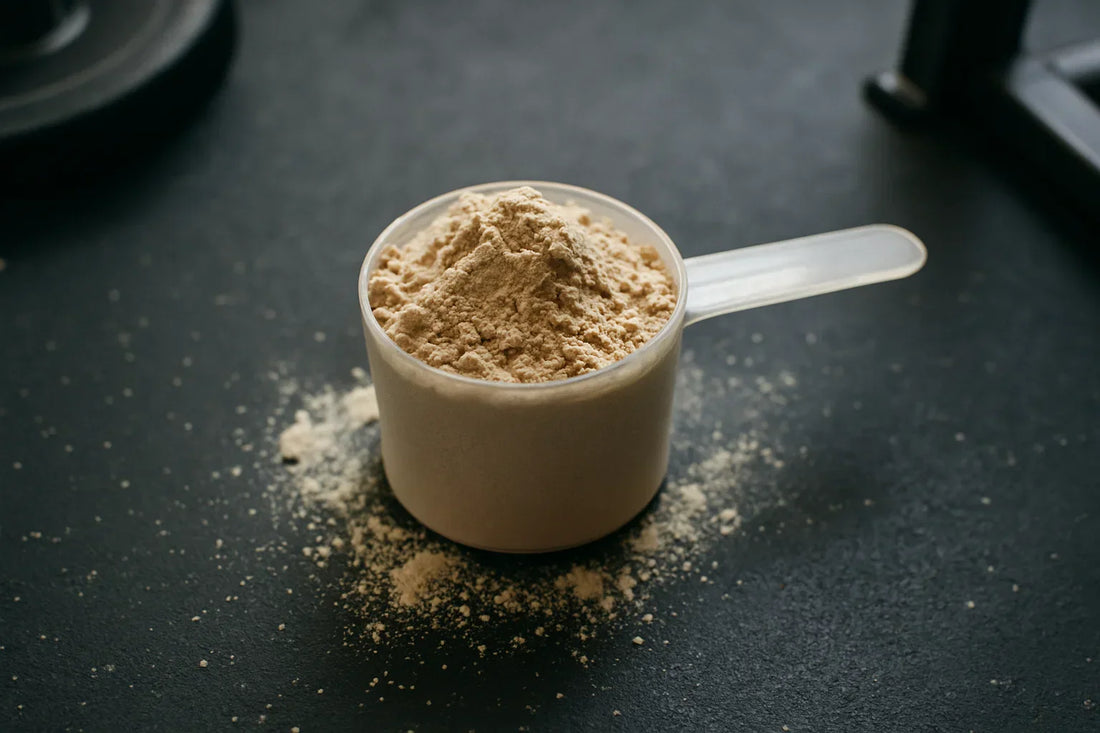
Credit: shivakam.com
Factors Affecting Calorie Count
Calorie count in one scoop of whey protein varies due to brand, serving size, and added ingredients. Different formulations affect the total calories, often ranging from 100 to 150 calories per scoop. Always check the nutritional label for accurate calorie information.
Factors Affecting Calorie Count When you pick up a tub of whey protein, you might expect each scoop to have a similar calorie count. But there are several factors that can change the number of calories you consume. Understanding these factors can help you make more informed choices, whether your goal is weight loss, muscle gain, or maintaining your current physique.Brand Variations
Different brands have different formulations, which can lead to varying calorie counts. Some brands focus on high protein content with fewer calories, while others add more carbohydrates or fats to enhance taste and texture. It’s worth taking a moment to compare labels before settling on a brand that aligns with your dietary goals. For example, Brand A might offer a scoop with 120 calories, whereas Brand B’s scoop might be 150 calories, primarily due to added sugars or fats. So, the brand you choose can significantly influence your calorie intake.Flavor Differences
Flavors can be a delightful addition to your whey protein, but they can also add extra calories. Chocolate, vanilla, and strawberry are classic choices, but each flavor might have its unique calorie profile. Often, the more decadent the flavor, the higher the calorie count. Imagine you’re choosing between a simple vanilla flavor and a chocolate fudge. The chocolate version might taste heavenly but could also pack more calories due to added sugars or cocoa. Do you prioritize flavor or your calorie limit?Additives And Ingredients
Beyond the main protein content, additional ingredients can influence calorie count. Sweeteners, thickeners, and other additives are often used to improve taste and texture. These extras can vary from brand to brand and flavor to flavor. Consider a whey protein that includes extra ingredients like MCT oil for added energy or fiber for digestive health. While these can be beneficial, they also increase the overall calorie content of each scoop. Are these extras worth the additional calories for you? By paying attention to these factors, you can choose a whey protein that best fits your nutritional needs and goals. Always read the label carefully and weigh the pros and cons of each option.Comparing Whey Protein Types
Discover how many calories are in one scoop of whey protein. Different types offer varying calorie counts, often ranging between 100 to 130 calories per scoop. Understanding these differences helps in choosing the right whey protein for your dietary needs.
Comparing whey protein types can be a game-changer in your fitness journey. Each type has its unique characteristics and benefits, often impacting your caloric intake differently. Understanding these distinctions is crucial to making informed decisions for your dietary goals.Concentrate Vs. Isolate
Whey protein concentrate and isolate are the most common types you’ll encounter. Concentrate typically contains 70-80% protein, with the remainder being fats and carbohydrates. This means it usually has more calories per scoop compared to isolate. Whey protein isolate, on the other hand, is processed further to remove more fats and carbs, resulting in a protein content of 90% or higher. This makes it a leaner option with fewer calories. If you’re aiming to cut calories while maximizing protein intake, isolate might be your best bet.Impact On Caloric Value
The type of whey protein you choose significantly impacts the caloric value. A standard scoop of whey protein concentrate might range between 120-130 calories. Meanwhile, a scoop of isolate could be as low as 90-110 calories. Consider your daily caloric goals when choosing between these types. If you’re looking to bulk up, the extra calories from a concentrate might be beneficial. But if you’re aiming to lose weight or maintain lean muscle, the lower calorie count of an isolate could be advantageous. Have you ever considered how these differences align with your personal goals? Knowing these details can help you tailor your supplement intake to better suit your needs.Nutritional Benefits Beyond Calories
Discover the nutritional benefits of whey protein beyond its calorie count. Each scoop offers essential amino acids that support muscle growth and repair. It also provides a convenient source of protein to enhance overall health and fitness goals.
Whey protein is not just about counting calories. It offers a range of nutritional benefits that contribute to overall health. Understanding these benefits can help you make informed dietary choices.Protein Content
Whey protein is rich in essential amino acids. These are the building blocks of muscles. One scoop usually provides around 20-25 grams of protein. This helps in muscle repair and growth. It also aids in maintaining a healthy weight. Protein promotes feelings of fullness, reducing hunger between meals.Vitamins And Minerals
Whey protein contains important vitamins and minerals. These include calcium, magnesium, and potassium. Calcium supports bone health and muscle function. Magnesium helps with energy production. Potassium regulates fluid balance and muscle contractions. Together, they support overall well-being.Incorporating Whey Protein In Diet
Incorporating whey protein into your diet can be a game changer, especially if you’re trying to manage your weight or build muscle. A single scoop of whey protein typically contains around 100-150 calories, making it a convenient option for a protein boost. But how do you fit this into your daily meals without upsetting the balance of your diet?
Meal Planning Tips
Start by considering where whey protein can naturally fit into your routine. Can it be a part of your morning smoothie or a post-workout shake? Look at your daily schedule and pinpoint times when a quick protein-rich snack could be beneficial.
- Experiment with adding whey protein to pancakes or oatmeal for a protein-packed breakfast.
- Mix it into yogurt or cottage cheese for a mid-morning snack.
- Enhance your soup or salad by stirring in a scoop for a creamy texture and added nutrition.
Is there a particular meal that leaves you feeling hungry soon after? Adding whey protein could help curb those hunger pangs effectively.
Balancing Macros
Balancing your macros can be tricky, but whey protein can simplify the process. With its high protein content and relatively low calorie count, it can help you reach your daily protein goals without overloading on fats or carbs.
Consider the macro breakdown of your meals: Are you getting enough protein compared to carbs and fats? Whey protein might be the missing piece.
| Meal Component | Whey Protein Contribution |
|---|---|
| Protein | 20-25g per scoop |
| Calories | 100-150 |
| Carbs | Usually low |
| Fat | Minimal |
Are you tracking your macros? If not, it might be time to start, and see how incorporating whey protein affects your daily intake. Balancing these elements can lead to more effective and sustainable dietary habits.

Credit: www.facebook.com
Common Misconceptions
When it comes to whey protein, many people often get tangled in a web of misconceptions. It’s easy to misunderstand something as popular as whey protein, especially with the amount of misinformation floating around. Let’s clear up some of these misconceptions and understand the truth behind whey protein and its calorie content.
Whey Protein And Weight Gain
Many assume that consuming whey protein will automatically lead to weight gain. This is a common misconception. Whey protein itself doesn’t make you gain weight; it’s your overall calorie intake that matters.
If you consume more calories than your body needs, regardless of the source, you’ll likely gain weight. It’s crucial to monitor your total daily calorie intake and not just focus on the protein shakes.
Remember, whey protein can be a helpful tool in building muscle, which might reflect on the scale as weight gain, but it’s a different type of gain—lean muscle rather than fat. So, are you tracking your overall calories?
Calorie Counting Pitfalls
Counting calories might seem straightforward, but it has its pitfalls. One common mistake is not accounting for the entire serving size. A scoop of whey protein might be labeled as 100 calories, but if you’re using heaping scoops, you could be consuming more.
Another pitfall is forgetting the additional ingredients mixed with whey protein, like milk or peanut butter, which can significantly increase the calorie count. Have you checked the labels of what you add to your shakes?
It’s essential to be precise with your measurements and aware of all the ingredients you include. Being mindful of these details can help you avoid unintentional calorie overload, keeping your nutrition goals on track.
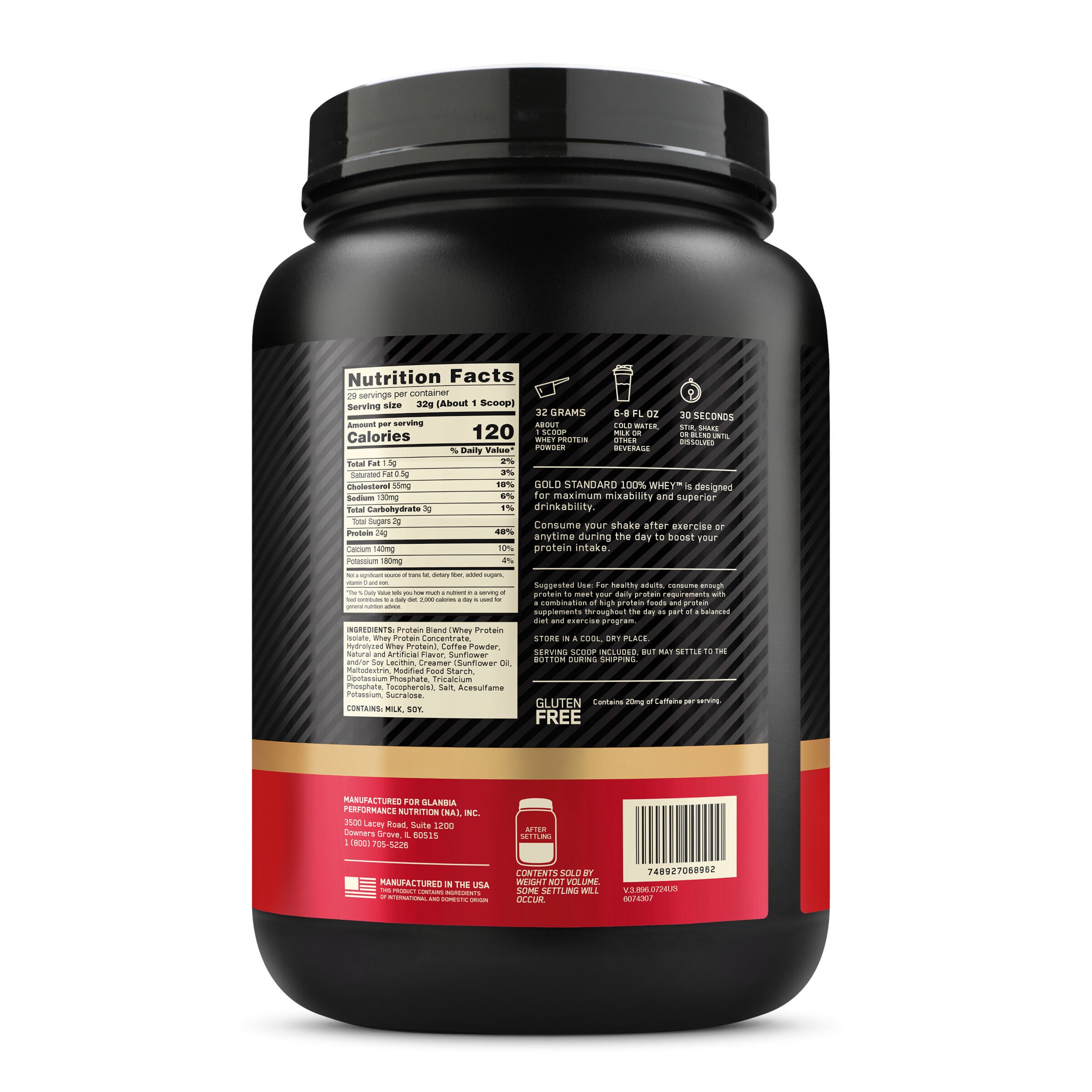
Credit: www.gnc.com
Frequently Asked Questions
How Many Calories Are In 1 Scoop Of Whey Protein Powder?
A typical scoop of whey protein powder contains around 100 to 150 calories. The exact number varies by brand and type. Always check the nutritional label for specific information. Whey protein is a popular supplement for muscle building and recovery.
Is 1 Scoop Of Whey 25g?
A standard scoop of whey protein typically weighs around 30 grams. However, some brands may offer 25 grams per scoop. Always check the product label for the exact serving size.
How Many Calories Are In 1 Scoop Of Impact Whey Protein?
One scoop of Impact Whey Protein typically contains around 100-120 calories. The exact number may vary slightly based on flavor or brand specifics. Always check the packaging for precise nutritional information to ensure accuracy.
How Many Calories Are In 2 Scoops Of Whey Protein?
Two scoops of whey protein typically contain around 200 calories. This can vary based on the brand and specific product. Always check the nutrition label for exact information. Whey protein is a popular supplement for muscle building and recovery.
Conclusion
Understanding calories in whey protein helps balance your diet. A scoop offers around 100 to 130 calories. It’s a convenient way to add protein to meals. Adjust servings based on your goals. Always check the label for exact calorie count.
Consider your activity level when planning protein intake. Whey protein supports muscle growth and recovery. It’s a great option for active lifestyles. Remember, moderation is key to a healthy diet. Choose wisely and enjoy the benefits of whey protein. Keep exploring nutritional options for a balanced life.
Stay informed and make choices that suit your needs.