

Are you curious about how much protein you actually get in that scoop of whey protein powder? Understanding this is crucial if you’re aiming to build muscle, lose weight, or simply maintain a healthy lifestyle.
With so many brands and types of whey protein on the market, it can be confusing to know exactly what you’re putting into your body. This article will break down everything you need to know about the protein content in a scoop of whey.
By the end, you’ll be equipped with the knowledge to make smarter dietary choices that align with your fitness goals. Stick around to discover the surprising facts that could change the way you approach your protein intake.
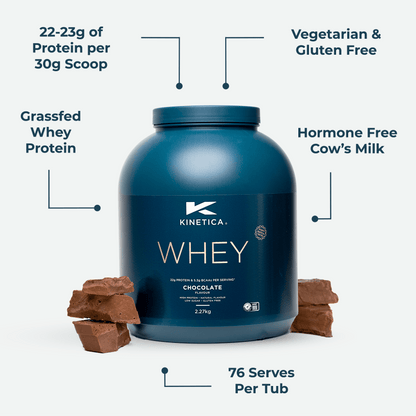
Credit: uk.kineticasports.com
Protein Content In Whey
Discover the protein power in whey protein. A single scoop typically contains 20 to 30 grams of protein. This varies by brand and type, offering a convenient source for muscle growth and recovery.
Protein Content in Whey Whey protein is popular among fitness enthusiasts. It is a great source of protein. People often choose whey for muscle building and recovery. It is derived from milk during cheese production. This protein is easy to digest and absorb. Understanding its protein content is crucial for effective use.Protein Amount In A Scoop
A typical scoop of whey protein contains 20 to 25 grams of protein. This amount may vary with different brands. Always check the label for exact protein content. Some brands offer higher protein per scoop.Factors Affecting Protein Content
Several factors influence the protein content in whey. The type of whey matters. Whey isolate often has higher protein content. Processing methods also impact protein levels. Purity of the whey affects its protein concentration.Different Types Of Whey
Whey comes in different forms. Whey concentrate contains less protein. Whey isolate offers more protein per scoop. Whey hydrolysate is pre-digested, aiding quick absorption. Choose based on your protein needs and goals.Importance Of Protein In Diet
Protein supports muscle growth and repair. It helps in weight management. Protein keeps you full longer. It aids in overall health and wellness. Ensure adequate protein intake for a balanced diet.How To Choose Whey Protein
Assess your dietary needs. Look for quality brands. Consider protein content per scoop. Check for additional nutrients. Understand your fitness goals. Make an informed choice for best results.Using Whey Protein Effectively
Mix whey with water or milk. Blend with fruits for smoothies. Add to oatmeal or pancakes. Use post-workout for recovery. Follow serving suggestions on packaging. Monitor your daily protein intake.Factors Affecting Protein Amount
The protein content in a scoop of whey protein varies based on brand and type. Factors like serving size, processing methods, and added ingredients can affect the total protein amount. Always check the nutrition label for precise information.
Understanding how much protein is in a scoop of whey protein can be a bit more complex than just reading the label. Several factors influence the actual protein content you get per scoop. From the brand you choose to the way the protein is processed, and even the scoop size itself, all these variables play a role.Brand Variations
Not all whey protein brands are created equal. Some brands may pack more protein per scoop, while others might focus on adding additional ingredients like flavor enhancers or fillers. It’s crucial to read the nutritional information on the packaging. You might find that a premium brand offers a higher protein percentage, justifying a slightly higher price point.Processing Methods
The method used to process whey protein significantly impacts its protein content. Whey protein isolate, for example, typically contains more protein than whey protein concentrate. This is because isolates undergo additional processing to remove fat and lactose, increasing protein concentration. Have you ever noticed that your protein shake tastes different from batch to batch? This might be due to changes in processing methods.Scoop Size Differences
Scoop size is another vital factor that affects how much protein you consume. Not all scoops are standardized, meaning the actual volume can vary. A larger scoop might give you more protein, but it could also add more calories and other nutrients. Always double-check the recommended serving size to ensure you’re getting the nutrition you expect. Have you ever accidentally used the wrong scoop and wondered why your shake was thicker than usual? By considering these factors, you can make more informed choices about your whey protein intake. This knowledge empowers you to tailor your protein consumption to your fitness and nutritional needs.Types Of Whey Protein
Understanding the types of whey protein is crucial for fitness enthusiasts. Each type offers unique benefits and characteristics. Knowing these can help you choose the best option for your health goals.
Concentrate
Whey protein concentrate contains a higher level of fats and carbohydrates. It usually has around 70-80% protein content. This type retains many nutrients found in whey. It’s popular for its rich flavor and affordable price. Concentrate is ideal for those seeking a balanced protein source.
Isolate
Whey protein isolate is more refined and contains around 90% protein. It undergoes additional processing to remove fats and lactose. This makes it suitable for lactose-intolerant individuals. Isolate is a great choice for those needing a high protein intake. It has a light texture and mixes easily.
Hydrolysate
Whey protein hydrolysate is pre-digested for faster absorption. It often leads to quicker recovery after workouts. Hydrolysate is less allergenic compared to other types. Athletes often prefer it for its fast digestibility. This type might be more expensive due to its advanced processing.
Benefits Of Whey Protein
Discover the protein power in each scoop of whey protein, typically containing 20-25 grams. Boost muscle growth and recovery with this high-quality source of essential amino acids. Ideal for fitness enthusiasts seeking optimal nutrition.
Whey protein offers numerous health benefits. It’s a popular supplement for athletes and fitness enthusiasts. This protein source aids in muscle growth, recovery, and weight management. Its versatility and effectiveness make it a staple in many diets.Muscle Growth
Whey protein provides essential amino acids. These are crucial for muscle repair and growth. Consuming whey protein after workouts helps build muscle mass. It offers a quick source of protein for the body. This supports muscle recovery efficiently.Recovery Enhancement
Whey protein speeds up recovery after intense exercise. It reduces muscle soreness and fatigue. This allows for better performance in subsequent workouts. Regular intake can improve endurance and strength. It keeps the body ready for daily activities.Weight Management
Whey protein aids in weight management. It helps maintain a healthy weight by reducing hunger. Consuming it can increase feelings of fullness. This leads to fewer calorie intakes throughout the day. It’s an effective tool for those aiming to lose weight.Comparing Protein Sources
Discover the protein content in a scoop of whey protein. Typically, it provides about 20 to 25 grams of protein. This makes it a popular choice for those looking to boost their daily protein intake efficiently.
Comparing Protein Sources Choosing the right protein source can make all the difference in achieving your fitness and health goals. Whether you’re aiming to build muscle, lose weight, or simply maintain a balanced diet, understanding the differences between protein sources is essential. Let’s dive into how whey protein compares with other popular options.Whey Vs Plant-based
Whey protein is a complete protein, meaning it contains all nine essential amino acids. It’s derived from milk and is known for its quick absorption rate, making it ideal post-workout. On the other hand, plant-based proteins like pea or soy may lack one or more essential amino acids, but they are a great option for vegans or those with dairy sensitivities. They also often come with added fiber, which can help with digestion and keeping you full longer. If you’re someone who experiences bloating with whey, plant-based might be worth trying. However, always check the label for the protein content per scoop as it can vary significantly.Whey Vs Casein
Both whey and casein are milk-derived proteins, but they have different absorption rates. Whey is fast-absorbing, making it perfect for quick muscle recovery after a workout. Casein, in contrast, digests slowly, providing a steady release of amino acids over several hours. This makes it a great option before bedtime to aid in muscle repair while you sleep. If you’re aiming for a leaner physique, consider mixing both. Whey can fuel your muscles immediately after exercise, while casein can sustain them through long periods without food. Do you prefer quick recovery or sustained nourishment? Your choice could significantly impact your fitness results.
Credit: levelsprotein.com
Choosing The Right Whey Protein
Understanding the protein content in a scoop of whey protein is essential. Usually, one scoop contains about 20-25 grams of protein. Check labels for exact amounts to meet your dietary needs.
Choosing the right whey protein is essential for maximizing the benefits of your fitness routine. With countless options available, it’s crucial to find a product that aligns with your personal health goals and dietary needs. Let’s explore the factors to consider when selecting the perfect whey protein for you.Dietary Needs
Everyone’s dietary needs are unique. Consider your daily protein intake requirements. If you’re vegetarian, a whey protein isolate might be ideal as it typically contains fewer carbs and fats. You may also want to look for organic or non-GMO options to ensure quality. Are you watching your calorie intake? Some whey proteins are designed to be low-calorie while still offering a high protein content. Check the label for details on calories per scoop.Fitness Goals
Your fitness goals should guide your choice of whey protein. If you’re aiming for muscle growth, opt for a whey protein with a higher protein content per scoop. Are you focused on endurance training? Look for a blend that includes amino acids to help reduce muscle fatigue. Brands often offer tailored formulas for different types of workouts, so choose one that suits your specific needs.Allergies And Sensitivities
Do you have food allergies or sensitivities? Whey protein can sometimes contain ingredients like lactose, which may be problematic for some. Consider lactose-free whey protein if you’re lactose intolerant. Some products are also gluten-free, catering to those with gluten sensitivity. Always read the ingredient list carefully to avoid allergens and ensure you’re choosing a product that won’t cause any adverse reactions.How To Maximize Protein Intake
Boosting your protein intake can be a game-changer for your fitness goals, whether you’re looking to build muscle or just stay energized throughout the day. A scoop of whey protein is a convenient way to get a significant dose of protein, but are you making the most of it? Let’s dive into some practical strategies to maximize your protein intake.
Optimal Timing
Timing your protein intake can make a difference. Consuming whey protein right after your workout can help maximize muscle recovery and growth. Your muscles are primed to absorb nutrients when they’re in repair mode. Think of it as feeding your muscles when they’re most hungry.
Consider spreading your protein intake throughout the day. Instead of having it all in one go, have smaller doses at breakfast, lunch, and dinner. This can help maintain muscle protein synthesis and keep your energy levels stable.
Combining With Other Nutrients
Pairing whey protein with other nutrients can enhance its benefits. Adding a source of carbs, like a banana or oats, can help with faster absorption and provide a more balanced nutrient profile. Carbs can act like a shuttle, helping transport protein to your muscles more efficiently.
Don’t forget healthy fats. Mixing whey protein with almond butter or a handful of nuts can make your shake more satisfying and provide essential fatty acids for overall health. It’s about creating a complete meal rather than just a protein boost.
Have you tried experimenting with different combinations? Sometimes, mixing it up can make your protein shakes more enjoyable and nutritionally comprehensive. What’s your go-to protein shake recipe?
Credit: www.dmoose.com
Frequently Asked Questions
How Much Protein Is In 1 Scoop Of Protein Powder?
Protein content in one scoop of protein powder varies. Typically, it contains 15 to 30 grams of protein. Check the label for exact details. Different brands offer varying protein amounts, so always verify the nutritional information for accuracy.
How Much Protein Is In 1 Scoop Of My Protein Whey?
1 scoop of Myprotein Whey typically contains around 21 grams of protein. Check the packaging for exact details. Always verify the product label for the most accurate information. Protein content may vary slightly between different flavors or formulations.
Is 1 Scoop Of Whey 25g?
A typical scoop of whey protein powder is usually around 30 grams. However, the exact weight can vary by brand. Always check the product label for accurate serving size information to ensure you’re consuming the intended amount of protein.
Is 2 Scoops Of Whey Protein A Lot?
Two scoops of whey protein may be a lot for some. It depends on your dietary needs and fitness goals. Generally, one scoop suffices for most people post-workout. Consult a nutritionist to tailor protein intake. Balance protein with other nutrients for optimal health.
Conclusion
Whey protein provides essential nutrients for muscle growth. A scoop typically contains about 20-25 grams of protein. This amount supports daily protein needs. It’s an easy way to boost protein intake. Great for fitness enthusiasts and athletes. Always check labels for exact protein content.
Different brands may vary slightly. Choosing whey protein helps meet your dietary goals. Perfect for a busy lifestyle. Quick and convenient source of protein. Consider adding it to shakes or smoothies. Enhance your nutritional intake effortlessly. Stay active and healthy with the right protein balance.





