
Imagine the thrill of gliding across serene waters in your kayak, feeling the gentle embrace of the wind and the soothing rhythm of the waves. But first, you need to get your kayak to the water.
You might be wondering how to securely attach your kayak to a roof rack without damaging it or your vehicle. It’s easier than you think, and mastering this skill can open a world of adventure for you. This guide will reveal the secrets to safely and efficiently securing your kayak to your car, ensuring peace of mind and a stress-free journey.
Dive in, and discover how a few simple steps can transform your travel experience and bring you closer to your next aquatic adventure.

Credit: www.thule.com
Choosing The Right Roof Rack
Choosing the right roof rack is crucial for safely transporting your kayak. The perfect fit ensures stability during transit, protects your vehicle, and enhances your overall kayaking experience. Investing in the right roof rack isn’t just about safety; it’s about convenience and peace of mind as you hit the road to your next adventure.
Types Of Roof Racks
Roof racks come in various styles, each offering unique benefits. Consider the following options:
- Crossbars:These are the standard choice and offer excellent versatility for various attachments.
- J-cradles:Designed to hold kayaks at an angle, maximizing space on your roof.
- Saddle racks:Ideal for larger kayaks, providing a secure hold with minimal movement.
Have you thought about how often you’ll be using your kayak? Frequent users might prefer a more permanent solution like crossbars, while occasional paddlers might opt for J-cradles for easy removal.
Compatibility With Your Vehicle
Not all roof racks fit every vehicle. Check for compatibility to avoid frustration. Here are some considerations:
- Vehicle size and shape:Ensure the rack fits your vehicle’s dimensions, whether you drive an SUV or a compact car.
- Existing mounts:Some vehicles come equipped with factory mounts; make sure your chosen rack is compatible.
- Installation ease:Some racks require professional installation, while others can be easily mounted at home.
Have you considered the potential impact on fuel efficiency? Larger racks might increase drag, affecting your mileage.
Weight Capacity Considerations
Understanding weight capacity is essential for safe transport. Each rack has specific limits:
- Rack capacity:Know the maximum weight your rack can handle and ensure your kayak fits within those limits.
- Vehicle capacity:Consider your vehicle’s roof load limit to prevent damage or safety risks.
- Additional gear:Account for other equipment you might carry alongside your kayak.
Have you checked your kayak’s weight against the rack’s capacity? This small step can prevent major issues on the road.
Choosing the right roof rack is about more than just holding your kayak; it’s about ensuring a smooth, safe journey to your paddling destination. How will you ensure your setup is perfect for your next adventure?
Credit: www.humboldt.ca
Preparing The Kayak
Ensure your kayak is centered on the roof rack. Secure it with strong straps, tightening evenly for stability. Double-check the kayak’s alignment and strap tension before driving.
Preparing the Kayak for transport is a crucial step. Ensuring your kayak is ready helps protect both the kayak and your vehicle. Proper preparation minimizes risks during transit.Inspecting The Kayak
Start by inspecting the kayak thoroughly. Look for any cracks or damage. Check the hull and other parts. Repair any issues before transport. A well-maintained kayak is safer on the road.Cleaning And Drying
Clean the kayak to remove dirt and debris. Use fresh water and mild soap. A clean kayak prevents damage to your car’s roof. Dry the kayak completely. Moisture can lead to mold and unpleasant odors. Drying also helps with better grip on the roof rack.Securing The Kayak To The Roof Rack
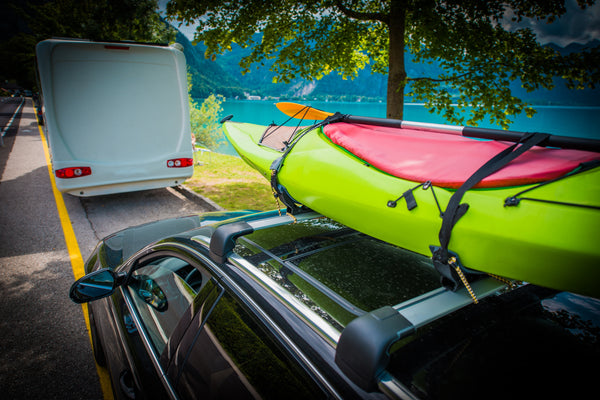
Securing a kayak to a roof rack involves positioning it evenly, ensuring balance for safe transport. Use sturdy straps to fasten the kayak tightly, preventing movement during travel. Regularly check the tightness of the straps to avoid any mishaps on the road.
Securing the Kayak to the Roof Rack Attaching a kayak to your roof rack can be a rewarding experience, especially when you know it’s safely secured for the journey ahead. Whether you’re heading to a serene lake or a thrilling river, ensuring your kayak is properly fastened is crucial for a stress-free trip. Let’s dive into the essentials of positioning, strapping, and checking your kayak’s stability on the roof rack.Positioning The Kayak
Begin by placing the kayak on the roof rack. Make sure it’s centered between the crossbars. This balances the weight and reduces wind resistance, which can affect your driving. Align the kayak with its cockpit facing upwards. This position minimizes the risk of water entry while driving through rain or splashing puddles. If you have a longer kayak, ensure it doesn’t extend excessively over your windshield or rear window. This helps avoid visibility issues and potential accidents.Using Straps And Tie-downs
Use high-quality cam straps for securing the kayak. They provide a firm grip without damaging the kayak’s surface. Wrap the straps over the kayak and under the crossbars. Pull them tight until the kayak feels snug, but avoid overtightening which could cause warping. For added security, use bow and stern tie-downs. These prevent the kayak from shifting during sudden stops or sharp turns.Checking Stability
Once strapped, give the kayak a gentle shake. It should feel secure and not wobble or slide on the rack. During a recent trip, I noticed slight movement after securing my kayak. A quick adjustment of the straps ensured it was rock-solid before setting off. Before hitting the road, double-check all straps and tie-downs. Wouldn’t you rather spend a few extra minutes now than deal with a loose kayak later?Safety Measures
Ensure all straps are tightly secured to prevent the kayak from shifting. Check the roof rack’s weight limit to avoid damage. Regularly inspect connections during travel for added safety.
Safety measures are crucial when attaching a kayak to a roof rack. Ensuring your kayak is securely fastened prevents accidents on the road. This guide will help you keep your kayak safe during transport.Double-checking Connections
Always double-check all straps and buckles for a secure fit. Loose straps can lead to shifting and instability. Make sure each connection is tight but not overly stressed. A quick tug can confirm if the kayak is securely attached.Driving Precautions
Drive with caution to protect your kayak and car. Avoid sudden stops and sharp turns, which can shift the kayak. Maintain a steady speed, especially on highways. This reduces the risk of the kayak dislodging.Regular Inspection During Travel
Stop periodically to inspect the kayak during long trips. Check if straps have loosened or shifted. Adjust as needed to ensure continued safety. Regular checks can prevent mishaps on your journey.Troubleshooting Common Issues
Securing a kayak on a roof rack can seem tricky. Ensure the rack is tight and stable. Use strong straps to hold the kayak firmly. Check for any loose ends that might flap during travel.
Attaching a kayak to your roof rack can sometimes present unexpected challenges. Even after following all the basic steps, you might encounter issues that require additional troubleshooting. This section addresses some common problems and offers practical solutions to ensure your kayak remains secure and your journey remains smooth.Handling Slippage
Slippage is a frequent concern, especially during long drives or in adverse conditions. Are you finding your kayak shifts position despite being tightly strapped? – Double-check the tension of your straps. They might need re-tightening after you drive for a while. – Consider using non-slip mats under the kayak. These can provide extra grip and prevent movement. – If your straps are worn out, it might be time to replace them. High-quality straps with rubber grips can make a significant difference.Addressing Noise Problems
Wind noise can be more than just annoying; it could indicate a potential issue with your setup. Do you hear whistling or flapping sounds as you drive? – Ensure all loose ends of your straps are tucked away securely. Flapping straps are a common source of noise. – Adjust the position of your kayak. A slight shift can sometimes reduce wind resistance and noise. – Adding wind deflectors to your roof rack can also help minimize aerodynamic noise, enhancing your driving comfort.Dealing With Weather Conditions
Weather can be unpredictable, and it can impact the security of your kayak. How do you prepare for sudden weather changes? – Waterproof covers can protect your kayak from rain and snow, preventing water accumulation that could affect its stability. – In windy conditions, additional straps might be necessary to secure the kayak further. – Always check the weather forecast before your trip and make necessary adjustments to your setup to ensure safety. By addressing these common issues, you can enhance both the safety and enjoyment of your kayaking adventures. Remember, preparation and attention to detail are key to a smooth journey.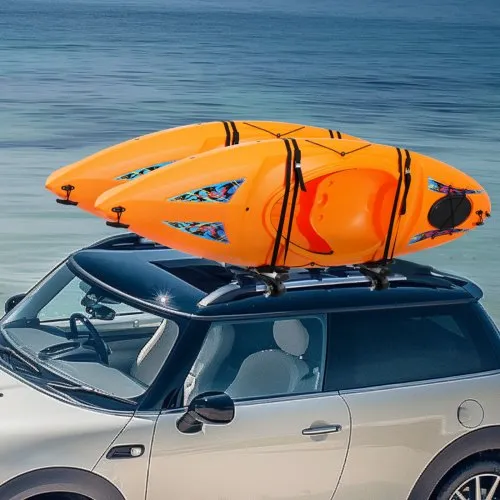
Credit: smilessalam.sg
Frequently Asked Questions
How Do You Secure A Kayak To A Roof Rack?
Secure your kayak using sturdy straps. Place the kayak on the roof rack. Loop straps over the kayak. Tighten straps securely. Check for movement and adjust if necessary.
How To Put A Kayak On A Roof Rack By Yourself?
Lift the kayak onto your shoulder, balancing it carefully. Place one end on the roof rack, then slide the kayak up. Secure it using straps, ensuring they’re tight. Check alignment to prevent shifting while driving. Ensure all straps are secure before hitting the road.
How To Strap A Kayak To A Roof Rack With J Hooks?
Position the kayak on J hooks. Loop straps over the kayak and secure them tightly. Ensure straps are not twisted. Attach hooks to the roof rack and tighten. Double-check stability before driving.
How Fast Can You Drive With A Kayak On The Roof?
Drive under 65 mph with a kayak on the roof. Ensure the kayak is securely fastened to prevent movement. High speeds increase risk of damage or detachment. Check local regulations for specific speed limits related to roof cargo. Safety should be the priority when transporting kayaks on vehicles.
Conclusion
Attaching a kayak to your roof rack is simple with practice. Start by choosing the right rack for your car and kayak. Secure the kayak with straps, ensuring it’s snug. Check for stability before driving. Always double-check the straps and rack before hitting the road.
Regular checks during travel ensure safety. With these steps, your kayak will travel securely. Enjoy your adventures with confidence, knowing your kayak is safe. Happy paddling and safe travels!