
Imagine gliding silently through serene waters, your canoe cutting effortlessly through the surface as you explore hidden corners of your favorite lake or river. The secret to this tranquil experience?
A trolling motor attached to your canoe. If you’ve ever wished for a little extra power to take your paddling adventures to the next level, you’re in the right place. This guide will show you exactly how to attach a trolling motor to your canoe, opening up a world of possibilities for fishing, leisurely exploring, and reaching those distant shores with ease.
Forget about the exhausting paddling that leaves your arms aching and your progress slow. With a trolling motor, you gain control and agility, allowing you to focus on the beauty around you. Whether you’re a seasoned canoe enthusiast or a beginner looking to enhance your outdoor escapades, learning how to properly attach a trolling motor is simpler than you might think. You’ll discover the straightforward steps, essential tips, and common pitfalls to avoid, ensuring you make the most of your canoeing experience. Get ready to unlock the potential of your canoe. Your next adventure awaits, and it’s just a motor away. Dive into the details and see how easy it is to transform your canoe into a powerful, yet peaceful, vessel.
Choosing The Right Trolling Motor
Choosing the right trolling motor for your canoe can transform your paddling adventures into a seamless journey. Whether you’re aiming to glide effortlessly through serene waters or tackle a challenging fishing spot, the right motor can make all the difference. But how do you select the perfect motor for your canoe? Let’s dive into the key factors that will guide your decision.
Types Of Trolling Motors
Trolling motors come in various types, each offering unique benefits. You can choose between electric and gas-powered motors, with electric motors being the more popular choice for canoes due to their quiet operation and eco-friendliness. Additionally, they come in two main mounting styles: transom and bow mount. Transom mounts are easier to install on canoes and are ideal for casual outings, while bow mounts provide better control but are more suited for larger watercraft.
Power And Thrust Considerations
When selecting a trolling motor, it’s essential to consider its power and thrust capabilities. Thrust is measured in pounds and reflects the motor’s ability to move your canoe through the water. For a typical canoe, a motor with 30 to 55 pounds of thrust is usually sufficient. However, if you plan to navigate strong currents or carry heavy loads, you might want a motor with higher thrust. Remember, more power means a faster battery drain, so balance is key.
Have you ever found yourself stuck in a current with a motor that just couldn’t keep up? It’s a scenario you want to avoid. Assess your usual paddling conditions and choose a motor that complements your needs. Consider the battery life and recharge times too, as these factors can impact your overall experience.
Would you trade convenience for power, or is a quiet, eco-friendly ride your priority? The decision is yours, but choosing wisely will ensure your canoeing experiences are as enjoyable as they can be.
Assessing Canoe Compatibility
Attaching a trolling motor to a canoe requires careful compatibility assessment. Consider the canoe’s size, weight, and stability. Ensure the motor mount fits securely to avoid accidents and enhance your fishing experience.
Attaching a trolling motor to your canoe can transform your paddling experience, opening up a world of new possibilities on the water. Before taking the plunge, it’s crucial to ensure that your canoe is compatible with a trolling motor. This involves evaluating several key aspects of your canoe, including its material and build, as well as its weight and balance. Let’s dive into these factors to help you make an informed decision.Material And Build
The material of your canoe plays a significant role in determining its compatibility with a trolling motor. Canoes are typically made from materials like aluminum, fiberglass, or polyethylene. Each has its unique benefits and limitations. Aluminum canoes are robust and can handle the added stress of a motor. Fiberglass canoes, while lighter, may require additional reinforcement at the mounting point. Polyethylene canoes are affordable and durable, but be cautious of their flexibility, which might not hold a motor as securely. Consider the build of your canoe, especially the transom’s design. A flat stern is ideal for motor mounting, providing a stable platform. If your canoe has a pointed stern, you might need to invest in a specialized motor mount to ensure a secure fit.Weight And Balance
Adding a trolling motor will affect the weight distribution of your canoe. This is crucial to consider for maintaining stability on the water. Picture yourself gliding smoothly across the lake versus tipping precariously—it all hinges on balance. Check the weight capacity of your canoe and the weight of the trolling motor. A misbalance can lead to an uncomfortable or unsafe experience. Distribute gear and passengers thoughtfully to counterbalance the added weight of the motor. Think about the battery too; it adds significant weight. Positioning it centrally can help maintain balance. Are you ready for the added weight without compromising your canoe’s handling? Proper planning ensures a safe and enjoyable adventure. Making these assessments ensures your canoe is ready for the thrilling addition of a trolling motor. Your preparation is the key to a seamless transition into motorized paddling.Gathering Necessary Tools And Materials
Before you set sail on your canoe with a trolling motor, you’ll need to gather the right tools and materials. This step is crucial for a smooth and successful installation. With the right preparation, you’ll be cruising on the water in no time.
Essential Tools
Having the right tools at your disposal can make the installation process much easier. You’ll need a few basic tools that you might already have in your toolbox:
- Adjustable Wrench:This will help you tighten any nuts and bolts securely.
- Screwdriver Set:Both Phillips and flathead screwdrivers are essential for various screws.
- Drill with Bits:A drill is necessary if your canoe requires any new holes for mounting.
- Measuring Tape:Accurate measurements are key to ensuring a balanced setup.
Consider investing in a tool belt for easy access while working. It saves time and reduces frustration searching for tools.
Mounting Kits And Accessories
Choosing the right mounting kit is vital for attaching a trolling motor to your canoe. Here’s what to look for:
- Universal Mounting Bracket:Opt for a bracket that fits various canoe sizes. This offers flexibility if you change canoes in the future.
- Stabilizing Arms:These provide extra support to keep the motor stable while in use.
- Battery Box:Ensure you have a secure and waterproof box for your battery to prevent any damage.
Double-check the compatibility of all accessories with your specific trolling motor model. Have you ever realized too late that something doesn’t fit? Avoid that mistake by confirming details beforehand.
Gathering the necessary tools and materials may seem simple, but it sets the foundation for a hassle-free installation. Do you have everything ready for your next canoe adventure?

Credit: www.tiktok.com
Installing The Motor Mount
Secure the motor mount on the canoe, ensuring it is stable. Then, attach the trolling motor firmly to the mount.
Installing a trolling motor on a canoe can enhance your fishing trips. The first step involves setting up the motor mount. This critical step ensures your motor stays secure during use. Proper installation also enhances performance and safety. Follow these guidelines to install the motor mount efficiently.Selecting The Mount Location
Choose the best spot for your mount. The rear or side of the canoe are common choices. Ensure the location is sturdy and balanced. Avoid areas that might cause instability. Check for any obstructions that could interfere with the motor’s operation. The location should also allow easy access to the motor controls.Securing The Mount
Once you select the location, it’s time to secure the mount. Use strong clamps or brackets to attach the mount firmly. Ensure the mount is level and straight. Tighten all screws or bolts securely. Check for any movement or wobbling. The mount should be stable and not shift during canoe operation. Safety comes first; make sure everything is tightly secured.Attaching The Trolling Motor
Secure the trolling motor to a canoe by fastening it to the stern or bow. Ensure the clamps are tight and the motor is aligned properly for smooth navigation.
Attaching a trolling motor to your canoe can transform your paddling adventures into effortless journeys. Whether you’re out for a leisurely ride or aiming to cover long distances, a trolling motor can be your best ally. But how do you ensure it’s securely attached for a smooth experience? This guide will walk you through the essentials of aligning and securing your trolling motor to your canoe.Aligning The Motor
Positioning your trolling motor correctly is crucial for optimal performance. You want to ensure that the motor is aligned with the centerline of the canoe. This alignment reduces drag and maximizes efficiency. Start by positioning the motor mount at the stern or transom of your canoe. Ensure that the motor’s shaft is perpendicular to the water surface. A properly aligned motor ensures a straight and steady course, saving you energy and time.Securing The Motor
Once aligned, securing the motor is the next vital step. A loose motor can lead to unexpected detours or even accidents. Use sturdy clamps or bolts to attach the motor mount firmly to the canoe. Check that all fasteners are tightened securely. You don’t want any loose ends when you’re out on the water. Consider carrying a wrench or screwdriver in your gear for quick adjustments if needed. Does your motor stay put even in choppy waters? Testing your setup before heading out can prevent potential mishaps. With a well-secured motor, you can confidently enjoy your canoeing experience, knowing that your equipment is reliable and ready for any adventure.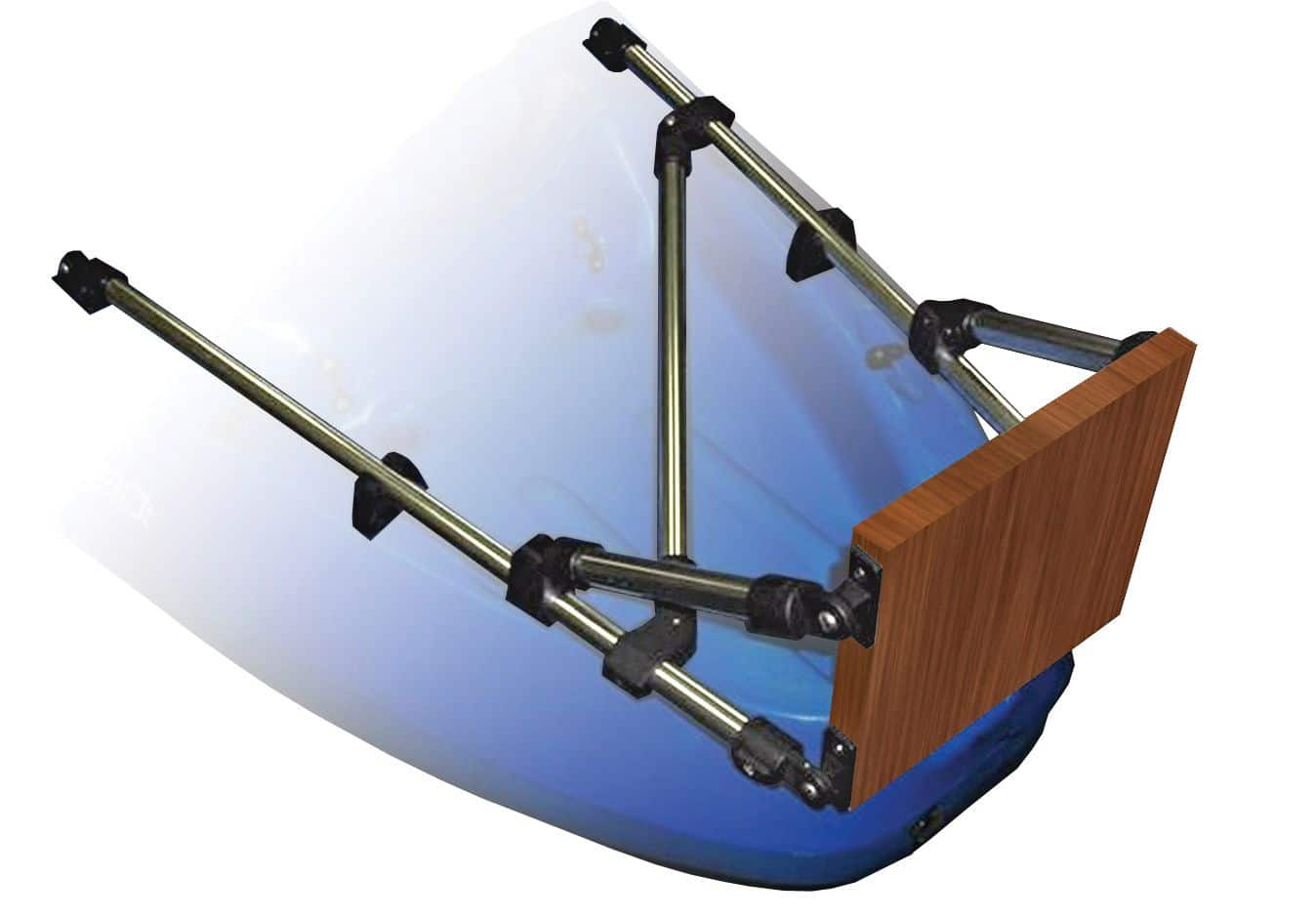
Credit: www.canadiantire.ca
Testing And Adjustments
Testing and adjustments ensure the trolling motor is securely attached to the canoe. Check connections and alignment for optimal performance. Make necessary adjustments to guarantee stability and efficiency during use.
Testing and adjustments are crucial steps in ensuring your trolling motor functions perfectly on your canoe. Just like tuning a musical instrument, this process helps you achieve a harmonious balance between power and control. By conducting thorough tests, you can identify any inconsistencies and make necessary tweaks, ultimately enhancing your canoeing experience. Testing isn’t just about finding faults; it’s a chance to discover the true potential of your setup and make it work seamlessly for you.Initial Test Run
Begin by taking your canoe out for a gentle spin on calm waters. This isn’t the time for a full throttle adventure; instead, focus on observing how the motor interacts with your canoe. Pay attention to the responsiveness of the controls. Is the motor easy to steer? Does it maintain a steady speed without jerking? Notice any unusual vibrations or noises. These can be indicators of loose mounts or misaligned components. Addressing these early prevents long-term damage.Fine-tuning Performance
Adjust the motor’s angle and position if needed. Sometimes, small tweaks in alignment can drastically improve steering and speed consistency. Experiment with different speeds. Does your motor perform better at lower speeds? Finding the sweet spot can help you conserve battery life while enjoying smoother rides. Engage in small maneuvers. Test turns and stops, ensuring the motor responds promptly. This helps in understanding how your setup handles under different conditions. Remember, patience is key. Each adjustment brings you closer to optimizing your canoe’s performance. Embrace the learning curve and enjoy the process of discovery. Are there any adjustments you didn’t anticipate? Share your insights and challenges with fellow enthusiasts; you might be surprised by the creative solutions others have found.Maintenance Tips
Attaching a trolling motor to a canoe involves selecting the right motor mount and securing it properly. Ensure the motor is compatible with your canoe’s size and weight. Regularly check for loose connections and wear to maintain performance and safety.
Attaching a trolling motor to your canoe can transform your paddling adventures into effortless journeys. However, keeping your setup in top condition requires regular maintenance. Let’s dive into some practical maintenance tips to ensure your trolling motor performs optimally and lasts for years.Regular Inspections
Regular inspections are crucial in identifying potential issues before they become significant problems. Check the motor for loose bolts or connections to ensure everything is securely fastened. Examine the propeller for any signs of wear or damage. A quick glance can save you from unexpected breakdowns during your next outing. Consider setting a monthly reminder to inspect your motor. This habit not only prevents issues but also keeps you familiar with the equipment’s condition. Have you ever noticed a slight wobble or unusual sound during operation? These could be early signs that a part needs attention. Addressing these minor issues promptly can save you from costly repairs.Cleaning And Storage
Proper cleaning and storage can significantly extend the life of your trolling motor. After each adventure, rinse the motor with fresh water to remove salt, sand, or debris that may have accumulated. This simple step prevents corrosion and keeps your motor running smoothly. When storing your motor, ensure it’s in a dry and cool place to avoid moisture-related damage. Consider using a motor cover to protect it from dust and scratches. Have you ever thought about the impact of temperature fluctuations? Extreme temperatures can affect battery life and performance. By storing your motor appropriately, you’re ensuring it remains reliable for your next trip. By integrating these maintenance tips into your routine, you are taking active steps to preserve your trolling motor’s efficiency and longevity. Are there any other maintenance practices you swear by? Share your experiences and insights in the comments below!Safety Precautions
Ensure the canoe is stable on dry land before installation. Use safety goggles and gloves to protect against injuries. Double-check all connections and secure the motor tightly to avoid accidents while on the water.
Attaching a trolling motor to your canoe is a game-changer for those who love seamless paddling and exploring vast waters. However, ensuring safety is paramount. When you’re out on the water, your safety gear isn’t just a checklist; it’s your lifeline. Whether you’re a seasoned navigator or a weekend warrior, taking the right precautions can make your adventure both thrilling and safe. So, what should you keep in mind to guarantee safety when you mount that motor onto your canoe?Operating Safely
Always familiarize yourself with the controls of the trolling motor before heading out. Practice using the motor in calm waters to get a feel for its responsiveness. Ensure your canoe is balanced properly. A misbalanced canoe can lead to capsizing, especially when maneuvering at higher speeds. Distribute your weight and gear evenly. Keep a safe distance from swimmers and other watercraft. Your trolling motor can create powerful currents that might not be obvious to those nearby.Emergency Procedures
Have a clear plan for emergencies. Know how to swiftly disconnect the trolling motor if it malfunctions or becomes entangled. Carry a waterproof bag with essential items like a whistle, flashlight, and first aid kit. These can be lifesavers in unexpected situations. Do you have a backup paddle? In case of motor failure, a sturdy paddle can help you navigate back to safety. Remember to inform someone of your plans and expected return time. This ensures help will be on the way if you don’t return as scheduled. Safety isn’t just about preparation, it’s also about being ready to act quickly when things don’t go as planned. Are you prepared for the unexpected?
Credit: www.ebay.ca
Frequently Asked Questions
Can You Attach A Trolling Motor To A Canoe?
Yes, you can attach a trolling motor to a canoe. Use a motor mount designed for canoes. Ensure compatibility with your canoe’s size and weight. Check local regulations before installation. Proper mounting enhances stability and performance. A trolling motor offers efficient, quiet propulsion for leisurely paddling or fishing trips.
How Fast Will A Canoe Go With A Trolling Motor?
A canoe with a trolling motor typically travels at speeds between 4 to 6 mph. Factors like motor power, weight, and water conditions can affect speed. Choose the right motor for optimal performance.
What Are The Two Basic Mounting Options For A Trolling Motor?
Trolling motors can be mounted on the bow or transom of a boat. Bow mounts offer better steering control. Transom mounts are easier to install and ideal for smaller boats. Choose based on your boat size and fishing needs.
How Long Will A Trolling Motor Battery Last On A Canoe?
A trolling motor battery typically lasts 4 to 8 hours on a canoe. Battery life depends on usage and speed settings. Always monitor your battery’s charge to ensure a smooth journey. Proper maintenance and charging can extend the battery’s lifespan for future canoe trips.
Conclusion
Attaching a trolling motor transforms your canoe experience. It’s easier than you think. Just follow the steps carefully. Ensure the motor fits snugly. Check all connections for safety. Your canoe will glide smoothly across waters. Enjoy longer trips without tiring arms.
Explore new fishing spots effortlessly. Feel the freedom on the water. Remember, always wear a life jacket. Safety comes first in all adventures. Now, you’re ready for your next journey. Discover the fun of motorized canoeing. Happy paddling!