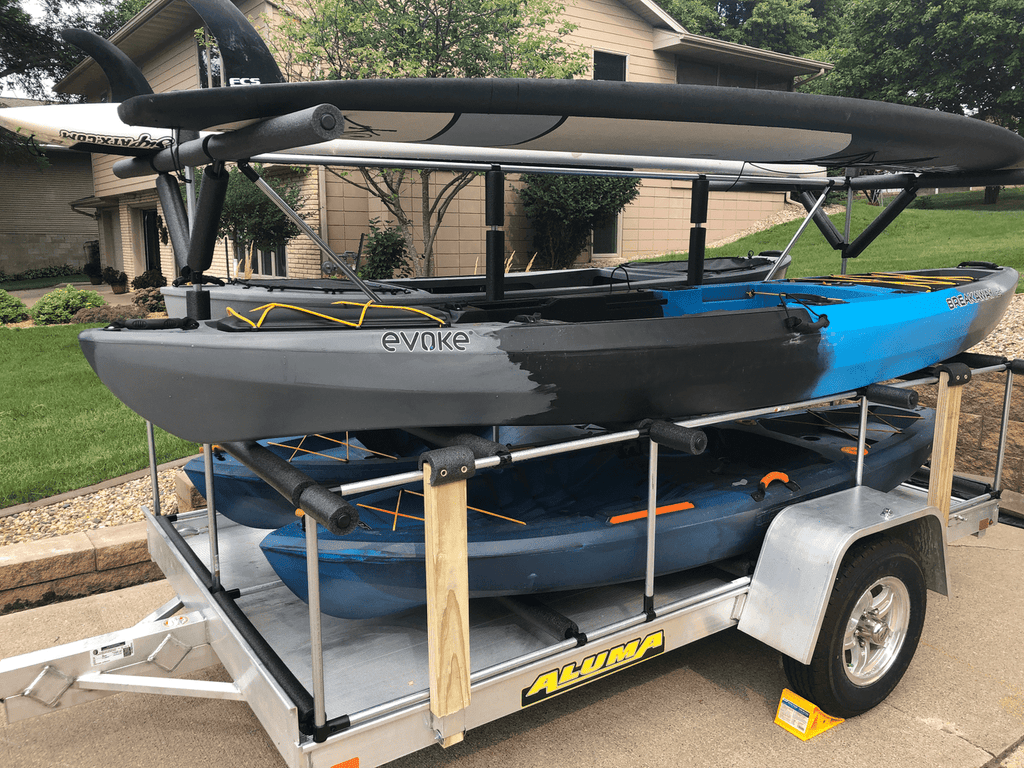
Are you ready to hit the water but struggling with how to transport your kayak? Building your own kayak trailer could be the perfect solution.
Imagine the freedom of easily towing your kayak wherever your adventurous spirit takes you. No more wrestling with roof racks or squeezing your kayak into awkward spaces. In this guide, you’ll learn how to build a kayak trailer that’s tailored to your needs, saving you both time and money.
Whether you’re a seasoned DIY enthusiast or a curious beginner, this project is easier than you might think. Stick around, and you’ll discover step-by-step instructions that make the process straightforward and rewarding. Let’s dive in and get your kayak trailer ready for your next paddling adventure!
Materials And Tools
Gather essential materials like metal tubing, bolts, and wheels for constructing your kayak trailer. Use tools such as a wrench, drill, and saw to ensure a sturdy build.
Building a kayak trailer requires careful planning and quality materials. The right tools ensure a sturdy and reliable trailer. A well-built trailer will safely transport your kayak to any destination.Essential Supplies
Choosing the right materials is crucial. Strong and durable supplies support the kayak’s weight and withstand weather conditions. Here are some essential supplies you will need:- Steel or Aluminum Tubing: Provides a strong frame.
- Axle Kit: Includes the axle, hubs, and bearings.
- Wheels and Tires: Choose ones suitable for your terrain.
- Hitch Coupler: Connects the trailer to your vehicle.
- U-bolts and Brackets: Secures the frame and axle.
- Wood or Metal Crossbars: Supports the kayak.
- Rope or Straps: Keeps the kayak in place during travel.
- Lighting Kit: Ensures visibility on the road.
Tool Checklist
Having the right tools makes the assembly process smoother. Gather these tools before starting your build:- Drill and Bits: For creating holes in the frame.
- Wrench Set: Tightens bolts and nuts.
- Socket Set: Useful for various bolts.
- Measuring Tape: Ensures accurate measurements.
- Metal Saw: Cuts the tubing to size.
- Level: Keeps the trailer balanced.
- Screwdriver: For attaching small components.
- Safety Gear: Protects you during construction.
Design Planning
Designing a kayak trailer involves selecting the right materials and creating a sturdy frame. Consider lightweight yet durable components for easy towing. Ensure the trailer dimensions match your kayak size for secure transport.
Designing a kayak trailer requires careful planning. It ensures that your trailer meets your needs and offers convenience. This stage involves choosing a layout and customizing features to fit your specific requirements. Whether you’re transporting one kayak or several, your design choices impact functionality and ease of use.Choosing A Layout
Selecting the right layout is crucial. Consider the number of kayaks you’ll transport. Single kayak trailers are simpler and lighter. Double or multi-kayak trailers require more robust construction. Decide between stacking or side-by-side arrangement. Stacking saves space but may require lifting. Side-by-side offers easy access but takes up more width. Think about storage space and available parking area.Customizing Features
Customization enhances usability. Add adjustable racks for versatility. Adjustable racks accommodate different kayak sizes. Install tie-down straps for security during transport. Consider padding for protection. Opt for weather-resistant materials for durability. Include a storage box for gear and accessories. Think about lighting for safety and visibility. Tailor your trailer to suit your kayaking adventures.Frame Construction
Building a kayak trailer involves constructing a sturdy frame using metal or wood. Ensure the frame is balanced and secure to safely hold the kayak during transport. Regular checks for stability and wear can prolong the trailer’s life and ensure safe travels.
Building a kayak trailer from scratch can be an incredibly rewarding project. The process starts with constructing a sturdy frame, the backbone of your trailer. A solid frame ensures your kayak is safely transported, reducing the risk of damage. Understanding how to cut, assemble, and stabilize the frame is crucial for a successful build.Cutting And Assembling
Creating the frame involves precise cutting and assembling of materials. Start by selecting durable materials like steel or aluminum, which offer strength without adding unnecessary weight. Measure your kayak to determine the frame dimensions. Use a saw to cut the materials to size, ensuring each piece fits perfectly. Assemble the frame by welding or bolting the pieces together, depending on your tools and expertise. Ensuring all connections are secure is vital to avoid any wobbly parts.Ensuring Stability
Stability is key to a functional kayak trailer. Consider adding crossbars or diagonal supports to enhance the frame’s strength. This prevents any swaying or bending when the trailer is loaded. Check that the weight of your kayak is evenly distributed across the frame. Uneven weight can lead to balance issues on the road. Think about the terrain you’ll navigate—will the frame handle bumpy roads or steep inclines? Adding a suspension system might be beneficial for improved stability. It can absorb shocks and protect your kayak from road vibrations. This extra step might seem daunting, but it’s worth the peace of mind when traveling. Your input and decisions at this stage will directly affect how well your trailer performs. What materials and techniques will you choose to ensure a reliable and long-lasting build?
Credit: www.facebook.com
Axles And Wheels
Axles and wheels are essential for building a kayak trailer. Choose durable materials to ensure smooth transport. Proper alignment and sturdy connections guarantee stability and safety on the road.
Building a kayak trailer can transform your outdoor adventures by making transportation a breeze. A crucial part of this process is getting the axles and wheels right. They are the foundation of your trailer, ensuring stability and smooth movement. Let’s dive into how you can select and attach these components effectively.Selecting The Right Wheels
Choosing the right wheels is like picking the perfect shoes; they need to fit and function well. Consider the terrain you’ll be traversing. For off-road paths, larger wheels with robust treads are ideal to handle bumps and uneven surfaces. Think about the load your trailer will carry. If you’re planning on transporting multiple kayaks, opt for wheels that offer higher weight capacities. This ensures safety and longevity. Also, consider the material of the wheels. Steel wheels are durable, while aluminum ones provide a lighter option, reducing the overall weight of your trailer.Attaching Axles
Attaching the axles is a straightforward task if you follow the right steps. Start by aligning the axle with the trailer frame, ensuring it’s perfectly centered. This balance is key to prevent the trailer from veering off course. Secure the axles using heavy-duty U-bolts. These bolts should be tightened firmly to avoid any wobbling or dislodging when the trailer is in motion. Double-check the alignment after tightening to ensure everything is in place. Have you ever tried adjusting a bike wheel that wobbles? Attaching axles with precision can save you from similar frustrations on the road. By investing time in this step, you guarantee a smoother, more reliable ride for your kayak adventures.Hitch Installation
Installing the hitch on your kayak trailer is a crucial step that ensures safe and efficient towing. This process requires precision and understanding, as the hitch serves as the pivotal connection between your trailer and vehicle. A well-installed hitch guarantees stability and security, giving you peace of mind on the road. Let’s explore the types of hitches and the mounting procedures to help you get your kayak trailer hitched up perfectly.
Types Of Hitches
Choosing the right hitch can make all the difference in the world. You have several options, each catering to different needs and vehicle types:
- Ball Hitches:The most common type, ideal for light trailers. If you’re just starting out, this is your go-to.
- Fifth Wheel Hitches:Designed for heavier loads, these offer greater stability. Perfect if you plan on carrying multiple kayaks.
- Pintle Hitches:Known for their robustness, they are great for off-road conditions. Consider this if you’re heading into rugged terrains.
Understanding the weight limits and compatibility with your vehicle is key. Have you ever wondered why some trailers sway more than others? It often comes down to hitch type and installation quality.
Mounting Procedures
Mounting your hitch correctly is essential for safe towing. Here’s a straightforward approach:
- Check Compatibility:Ensure your hitch matches the trailer and vehicle specifications. This step prevents future headaches and ensures a smooth installation.
- Align and Secure:Position the hitch, aligning it with your vehicle’s mounting points. Use the proper tools to secure it tightly.
- Test Stability:Before hitting the road, test the hitch’s stability. Tug and check for any movement. A stable hitch means a safer journey.
Have you ever faced a hitch that seemed perfect but wasn’t aligned properly? It’s a common issue that can lead to towing troubles. Addressing this early ensures smoother travels.
Remember, the hitch is the backbone of your trailer connection. Why risk a shaky journey when a bit of extra attention can guarantee safety?

Credit: www.reddit.com
Loading System
Building a kayak trailer involves selecting the right materials and tools. Assemble a sturdy frame with wheels for easy transport. Securely attach supports to hold the kayaks in place during travel.
Building a kayak trailer requires a smart loading system. This system ensures kayaks are secure during transit. It also helps balance the trailer, making travel smooth and safe. Attention to detail is key for a reliable setup.Securing Kayaks
Kayaks must be firmly attached to the trailer. Use sturdy straps or ropes. Check they are made from high-quality material. Avoid loose ends that can flap in the wind. Tension in straps should be even. This prevents kayaks from shifting. Inspect straps frequently for wear and tear.Balance And Weight Distribution
Balance is crucial for a kayak trailer. Distribute weight evenly across the trailer. Place heavier kayaks at the center. Balance reduces strain on the towing vehicle. It also enhances handling on the road. Use a level to check the trailer’s alignment. Adjust placement if necessary. This ensures a smoother ride.Safety Measures
Building your own kayak trailer is an exciting project, but safety should be your top priority. Ensuring your trailer is safe for the road protects not only your kayak but also yourself and others. Let’s dive into some essential safety measures you should consider.
Reflectors And Lights
Proper lighting and reflectors are crucial for visibility, especially during night travels or low-light conditions. Adding bright, reliable tail lights will help other drivers see your trailer from a distance. Reflectors enhance visibility from different angles, making your trailer noticeable even when headlights aren’t directly aimed at it.
Consider using LED lights for their durability and brightness. Position reflectors on both sides and at the rear of the trailer. This ensures that whether you’re turning or parked, your trailer remains visible.
Safety Checks
Regular safety checks are essential to keep your trailer roadworthy. Before each trip, inspect the hitch connection, ensuring it’s tightly secured. A loose hitch can lead to dangerous accidents.
Check the tire pressure and tread for wear and tear. Worn-out tires can cause blowouts, risking your kayak and other road users. If a tire shows signs of damage, replace it promptly.
Test the brake lights and turn signals; they must function correctly for safe driving. A quick test takes less than a minute but can prevent accidents.
Building your kayak trailer is about more than just functionality—it’s about safety. What steps will you take to ensure your trailer is secure and reliable?
Testing And Adjustments
After assembling your kayak trailer, the next crucial phase is testing and adjustments. This step ensures your trailer operates smoothly and safely on the road. It’s all about refining the setup to match your specific needs and ensuring the trailer performs optimally under varying conditions. Let’s dive into testing and fine-tuning your kayak trailer to make sure it’s ready for the adventures ahead.
Initial Test Run
Embark on your first test run in a controlled environment. Find an open space where you can safely test the trailer. Attach your kayak securely and drive slowly at first. Observe how the trailer behaves as you make turns and navigate through different surfaces.
Listen for any unusual noises or vibrations. These can be indicators of loose parts or imbalances. Check if the trailer is tracking straight behind your vehicle. If it veers off to one side, adjustments may be necessary. Take note of these observations as they’ll guide your fine-tuning process.
Fine-tuning
Once you’ve completed the initial test run, it’s time to make the necessary adjustments. Begin by tightening any loose bolts or fasteners identified during the test. This simple step can significantly enhance stability and safety.
Consider the trailer’s balance and weight distribution. If the trailer tips or sways, adjust the load or reposition the kayak. Ensure the tires are properly inflated, as this affects both handling and stability. A little tweak can go a long way in improving performance.
Think about how the trailer fits your lifestyle. Does it accommodate additional gear or accessories? If not, make modifications to suit your needs. Personalizing the setup ensures you’re ready for spontaneous trips or planned outings. Are you satisfied with the adjustments? If not, keep refining until you achieve the desired outcome.

Credit: www.youtube.com
Frequently Asked Questions
Is It Cheaper To Build Your Own Trailer?
Building your own trailer can be cheaper if you have the skills and tools. You save on labor costs, but materials can still be expensive. Consider your experience level and compare with buying a new or used trailer to determine the most cost-effective option for your needs.
Are Kayak Trailers Worth It?
Kayak trailers are worth it for easy transport and storage. They save time and prevent vehicle damage. Trailers accommodate multiple kayaks, making group trips convenient. They offer safety and convenience, enhancing your kayaking experience. Consider your needs and budget before purchasing one.
What Size Pvc For Kayak Trailer?
Use 1. 5-inch or 2-inch PVC pipes for a sturdy kayak trailer. Ensure the pipes can handle the kayak’s weight. Opt for Schedule 40 PVC for durability. Measure your kayak dimensions to customize the trailer size. Secure fittings tightly to prevent movement during transport.
Always check local regulations before building your trailer.
Do You Need Insurance On A Kayak Trailer?
Yes, insuring a kayak trailer is wise. It protects against theft, damage, and accidents during transport. Some states require liability coverage for trailers. Check with your insurance provider for specifics. Coverage can save money and hassle in the long run.
Conclusion
Building a kayak trailer can be a rewarding project. It saves money and offers convenience. With the right tools, anyone can do it. Follow the steps to create a sturdy trailer. Ensure you measure accurately for a good fit. Use quality materials for durability.
Double-check connections to avoid mishaps. Enjoy the freedom of transporting your kayak easily. Feel proud of your handiwork and the adventures it brings. Ready your kayak and trailer for countless journeys. Embrace the thrill of kayaking with a trailer made by you.
Dive into new experiences on the water.