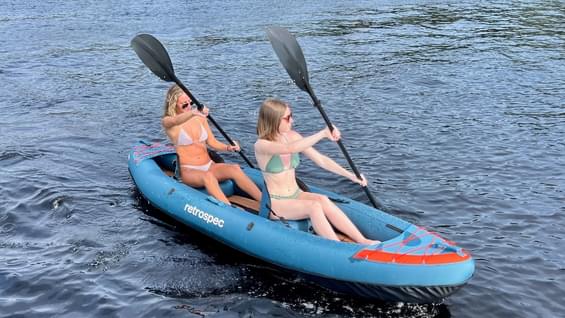
Are you dreaming of gliding across tranquil waters in your very own kayak? Buying a kayak is an exciting adventure that opens up a world of exploration and serenity.
However, with so many options available, choosing the perfect kayak can feel overwhelming. But worry not! This guide is crafted with you in mind, ensuring you make a choice that fits both your needs and your budget. Imagine the thrill of paddling through nature’s beauty, feeling the stress of daily life melt away.
As you delve deeper into this article, you’ll discover tips and insights that will make your purchase process smooth and satisfying. Let’s set the course for your next adventure on the water!
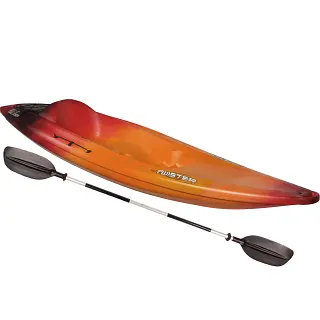
Credit: oldtownwatercraft.johnsonoutdoors.com
Choosing The Right Type Of Kayak
Choosing the right type of kayak can make or break your paddling experience. Whether you’re a beginner or an experienced paddler, the right kayak will match your intended use and personal preferences. Let’s dive into the key factors you should consider when selecting a kayak.
Recreational Vs. Touring Kayaks
Recreational kayaks are perfect for calm waters like lakes and slow-moving rivers. They’re stable and easy to maneuver, making them ideal for beginners. However, if you’re planning to paddle long distances or explore the open sea, a touring kayak might be your best bet. These kayaks are designed for speed and efficiency, allowing you to cover greater distances with less effort. Have you thought about where you’ll spend most of your time paddling?
Sit-on-top Vs. Sit-in Kayaks
Sit-on-top kayaks are user-friendly and great for warmer climates as they allow easy re-entry and provide more freedom of movement. They’re also a popular choice for fishing enthusiasts. On the other hand, sit-in kayaks offer better protection from the elements, keeping you dry and warm in cooler conditions. Which appeals more to your style of adventure?
Inflatable Vs. Rigid Kayaks
Inflatable kayaks are convenient for those with limited storage space or who plan to travel with their kayak. They’re surprisingly durable and easier to transport than you might think. Rigid kayaks, however, offer superior performance and durability, making them a preferred choice for serious paddlers. Consider your storage options and how you’ll transport your kayak—does inflatable convenience outweigh the performance of a rigid kayak for you?
Understanding Kayak Materials
Understanding the materials used in kayaks helps make informed purchasing decisions. Consider plastic, fiberglass, or inflatable options, each offering unique benefits and drawbacks. Choose the material that best fits your kayaking needs and budget.
Understanding kayak materials is key in selecting the right kayak. Different materials offer unique benefits. Knowing these differences can help you make an informed choice.Polyethylene
Polyethylene is popular for its durability. This material withstands impact and rough handling. It’s perfect for beginners or rocky waters. Polyethylene kayaks are affordable. They require little maintenance and are easy to repair. However, they can be heavier than other materials. This might be a consideration for transport and storage.Composite Materials
Composite materials include fiberglass and carbon fiber. These are lightweight options. Composite kayaks offer speed and agility on the water. They provide excellent performance for advanced paddlers. They are more expensive than polyethylene. But, they offer a smooth glide and greater efficiency. Composite kayaks need careful handling to avoid damage.Inflatable Pvc
Inflatable PVC kayaks are portable and convenient. They are easy to store and transport. Inflatable kayaks are suitable for calm waters. They are less durable than hard-shell kayaks. But, they offer great flexibility. Setup is quick, and they can be packed away easily. They are a good choice for occasional users and travelers.Sizing And Fit Considerations
Choosing the right kayak size is vital for comfort and performance. A kayak that’s too small can feel cramped. One that’s too large may be hard to control. Consider these key factors to ensure the perfect fit for your kayaking adventures.
Length And Width
Kayak length affects speed and tracking. Longer kayaks move faster and track straighter. Shorter kayaks turn easily and are more maneuverable. Consider the type of water you’ll be on. Wide kayaks offer more stability, ideal for beginners or rough waters. Narrow kayaks are faster and better for calm waters.
Weight Capacity
Weight capacity is crucial for safety and performance. Check the kayak’s weight limit before buying. Include your weight and any gear or supplies. Overloading a kayak affects stability and can be dangerous. Choose a kayak with a weight capacity above your total load.
Cockpit Size
The cockpit size impacts comfort and ease of entry. A larger cockpit allows for easier entry and exit. It also offers more room for movement. Smaller cockpits provide a snug fit, which helps in rough waters. Consider how much space you’ll need to paddle comfortably. Ensure there’s enough room for your legs and feet.
Essential Features To Look For
Consider kayak type, material, and weight capacity. Comfortable seating and storage space are crucial. Check for stability and maneuverability features.
When buying a kayak, choosing the right features is crucial. These features enhance your paddling experience. Whether you’re a beginner or an experienced paddler, knowing what to look for can make all the difference. Here are some essential features that will help you make an informed decision.Storage Options
Storage is vital for any kayaking adventure. Look for kayaks with ample space. Some kayaks have built-in compartments. These keep your gear dry and secure. Check for bungee cords on the deck. They provide extra storage for easy-to-reach items. Consider the size of the storage space. It should match the length of your trips.Comfort Features
Comfort is key during long paddling sessions. A well-padded seat can prevent fatigue. Adjustable footrests are also important. They offer better control and comfort. Look for kayaks with ergonomic designs. These reduce strain on your back and shoulders. Some kayaks have adjustable backrests. They add extra support for your journey.Safety Features
Safety should always be a priority. Choose a kayak with a sturdy hull. This ensures stability in the water. Look for kayaks with reflective strips. They enhance visibility in low light. Consider kayaks with grab handles. These make it easier to get in and out. A kayak with a built-in flotation device is a good choice. It provides extra safety in emergencies.Budgeting For Your Kayak
Budgeting for your kayak can seem overwhelming. With so many options, finding the right kayak within your budget is crucial. Consider what you want from your kayaking experience. This helps in making a smart choice.
Entry-level Options
Entry-level kayaks are perfect for beginners. They are affordable and easy to handle. These kayaks are typically made from durable plastic. This makes them ideal for calm waters. Expect to spend between $200 to $500. Brands like Intex and Sun Dolphin offer great choices. They provide a balance of quality and cost.
Mid-range Kayaks
Mid-range kayaks offer more features. They are suitable for those with some experience. Prices range from $500 to $1,000. These kayaks have better materials and designs. They offer improved comfort and stability. You will find options for fishing and touring in this range. Consider models from Pelican or Perception.
High-end Models
High-end kayaks are for serious enthusiasts. They can cost over $1,000. These kayaks offer top-notch performance. They are made with lightweight materials. This makes them faster and easier to maneuver. Brands like Hobie and Wilderness Systems are popular. These models often come with advanced features.

Credit: www.floridarambler.com
Where To Purchase Your Kayak
Choosing the right place to buy a kayak can be exciting. Each option offers different benefits and experiences. Your choice depends on your needs, budget, and preferences. Let’s explore some places where you can find your perfect kayak.
Online Retailers
Online retailers provide convenience and a vast selection. You can browse different models and compare prices easily. Many sites offer customer reviews, helping you make informed decisions. Some popular online stores include Amazon, REI, and Backcountry. These platforms often have competitive prices and promotions. Free shipping is available at times, adding extra value.
Local Outdoor Stores
Local outdoor stores offer personalized service and expert advice. Visiting a store allows you to see and touch the kayaks. Store staff can guide you based on your skill level and needs. Supporting local businesses also boosts the community. You may find unique models not available online. Try before you buy is often possible, ensuring comfort and fit.
Second-hand Options
Second-hand options can be budget-friendly. Check classified ads, garage sales, or online marketplaces like Craigslist. Buying used saves money and helps the environment. Inspect the kayak for wear and tear before buying. You might find high-quality models at a fraction of the cost. Talk to the seller about the kayak’s history and usage.
Additional Gear And Accessories
When you’re gearing up to buy a kayak, remember that the kayak itself is just the beginning of your adventure. The right additional gear and accessories can enhance your experience, making each outing safer and more enjoyable. Let’s dive into some of the essential items you’ll want to consider, each playing a crucial role in your kayaking journey.
Paddles
Paddles are your kayak’s engine, and choosing the right one can make all the difference. Consider the length, material, and blade design based on your kayaking style and strength. A lightweight carbon fiber paddle can reduce fatigue, especially on long trips. Adjustable paddles offer versatility, allowing you to tweak the length according to different conditions or preferences.
Think about how the paddle feels in your hands. Is it comfortable for extended use? Some paddles come with ergonomic grips that prevent blisters and provide better control. Ask yourself if you prefer more thrust or ease of use—your answer will guide your choice.
Life Jackets
Safety should always be a priority, and a reliable life jacket is non-negotiable. Look for life jackets specifically designed for kayaking; these tend to offer more comfort and freedom of movement. Ensure the jacket fits snugly but comfortably, allowing you to paddle without restriction.
Check for features like pockets for carrying small items, adjustable straps for a custom fit, and reflective patches for visibility. A good life jacket can be a lifesaver, literally, so invest in one that you trust. Have you considered how different materials affect buoyancy and comfort?
Storage Racks
Once you’re done paddling, proper storage is key to maintaining your kayak’s condition. Storage racks offer a practical solution, keeping your kayak secure and off the ground. Wall-mounted racks save space and protect your kayak from damage.
Are you planning on storing your kayak indoors or outdoors? Outdoor racks should be weather-resistant, while indoor solutions can focus more on space efficiency. Racks with padding provide extra protection, ensuring your kayak remains in top shape for your next adventure.
Tips For Test Paddling
Test paddling is crucial before buying a kayak. It helps you understand how it handles on water. Here are some tips to make the most of your test paddling experience.
Finding Demo Days
Demo days are perfect for test paddling kayaks. Many kayak shops organize these events. Check local shops and their websites for upcoming demo days. These events let you try various models. You can compare them side by side. It’s a great way to find a kayak that suits your needs.
Evaluating Comfort And Stability
Comfort is key in a kayak. Sit inside and check the seat padding. Ensure the foot braces are adjustable. Test the kayak’s stability in calm waters. It should feel steady and not tip easily. Stability affects your confidence on water. Try different kayaks to see which feels most stable.
Maintenance And Care Tips
Choosing the right kayak involves understanding your needs and the water conditions. Consider the kayak’s material for durability and weight. Regular maintenance, like cleaning and storing properly, ensures longevity and performance.
Taking care of your kayak can extend its lifespan and ensure you have smooth adventures on the water. Whether you’re paddling through serene lakes or challenging rapids, proper maintenance and care are key to keeping your kayak in top-notch condition. Let’s dive into some practical tips that will help you maintain your kayak and enjoy years of paddling bliss.Cleaning And Storage
After each use, rinse your kayak with fresh water to remove salt, sand, and debris. This simple act prevents damage and preserves the kayak’s finish. If you spot stubborn stains or grime, a mild soap solution can work wonders. Make sure your kayak is completely dry before storing it. Moisture can lead to mold and mildew, which could weaken the material. Consider using a kayak cover to shield it from dust and sunlight when not in use. Store your kayak in a cool, shaded area to prevent UV damage. Hanging it from the ceiling or placing it on padded racks can save space and keep its shape intact.Repair And Maintenance
Check for scratches and cracks regularly. Small scratches can often be buffed out, while deeper ones may need a repair kit. If you find a crack, address it immediately to prevent further damage. Inspect the hardware and fittings on your kayak. Tighten any loose screws and replace rusty ones. A well-maintained kayak not only ensures safety but also enhances performance on the water. Are you keeping an emergency repair kit with you? Having one can save your day if you encounter unexpected issues on your kayaking trip. Remember, a little attention to maintenance can lead to countless enjoyable experiences.
Credit: www.costway.com
Frequently Asked Questions
What To Look For When Buying A Kayak?
Consider the kayak type, intended use, and material. Check weight capacity, stability, and comfort. Evaluate storage options and transportability. Ensure quality and durability for safety.
What Is The 120 Rule For Kayaking?
The 120 rule for kayaking suggests combining air and water temperatures should be at least 120°F for safety. Dress appropriately for cold water, even if air is warm. This rule helps prevent hypothermia during kayaking. Always check the weather and water conditions before heading out.
Stay safe and informed.
What Are The Three Golden Rules Of Kayaking?
The three golden rules of kayaking are: stay relaxed and balanced, use your core muscles for paddling, and keep your kayak moving. These principles enhance stability, efficiency, and control on the water, ensuring a safe and enjoyable kayaking experience.
What Kayak To Buy For Beginners?
Choose a stable, recreational kayak for beginners. Opt for wider models for better balance. Look for lightweight materials for easy transport. Ensure comfortable seating and sufficient storage space. Consider sit-on-top designs for easier entry and exit. Always prioritize safety features like adjustable footrests and backrests.
Conclusion
Choosing the right kayak can enhance your water adventure. Focus on comfort and stability. Consider kayak type based on your needs and skill level. Check size and weight for easy transport and storage. Explore materials for durability and performance. Set a budget to find the best value.
Compare different brands and models. Read reviews for real user experiences. Visit stores to test kayaks before buying. Enjoy your time on the water with confidence. Happy paddling!