
Are you ready to hit the water but unsure how to transport your kayak in your truck? You’re not alone.
Many kayak enthusiasts face the challenge of safely and efficiently getting their gear from point A to point B. If you’ve ever found yourself struggling to fit your kayak securely, or worried about it shifting during transit, you’re in the right place.
Imagine the peace of mind you’ll have knowing your kayak is secure and ready for adventure as soon as you reach your destination. In this guide, we’ll reveal simple yet effective methods to carry a kayak in your truck, ensuring both your vehicle and kayak remain in perfect condition. Stick with us, and you’ll discover tips that could save you time, money, and a lot of headaches. Let’s dive in!
Credit: www.kbvoodoo.com
Choosing The Right Equipment
Transporting a kayak in a truck requires the right equipment for safety. Selecting suitable gear ensures your kayak stays secure during transit. This section provides essential details on choosing the best equipment to carry your kayak effortlessly.
Types Of Kayak Racks
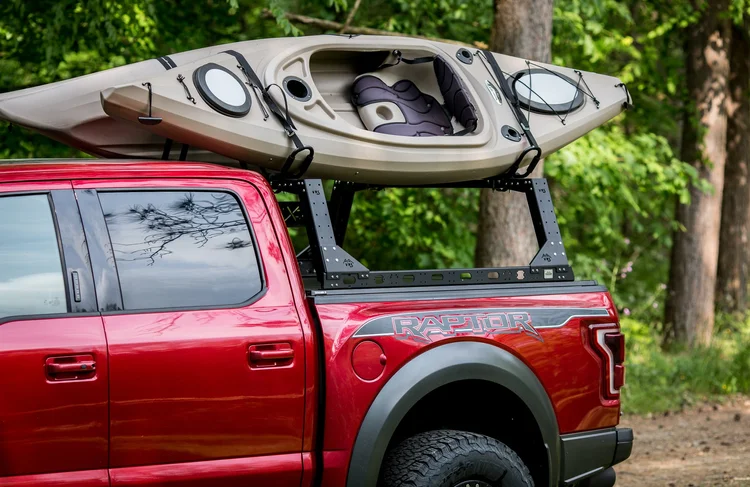
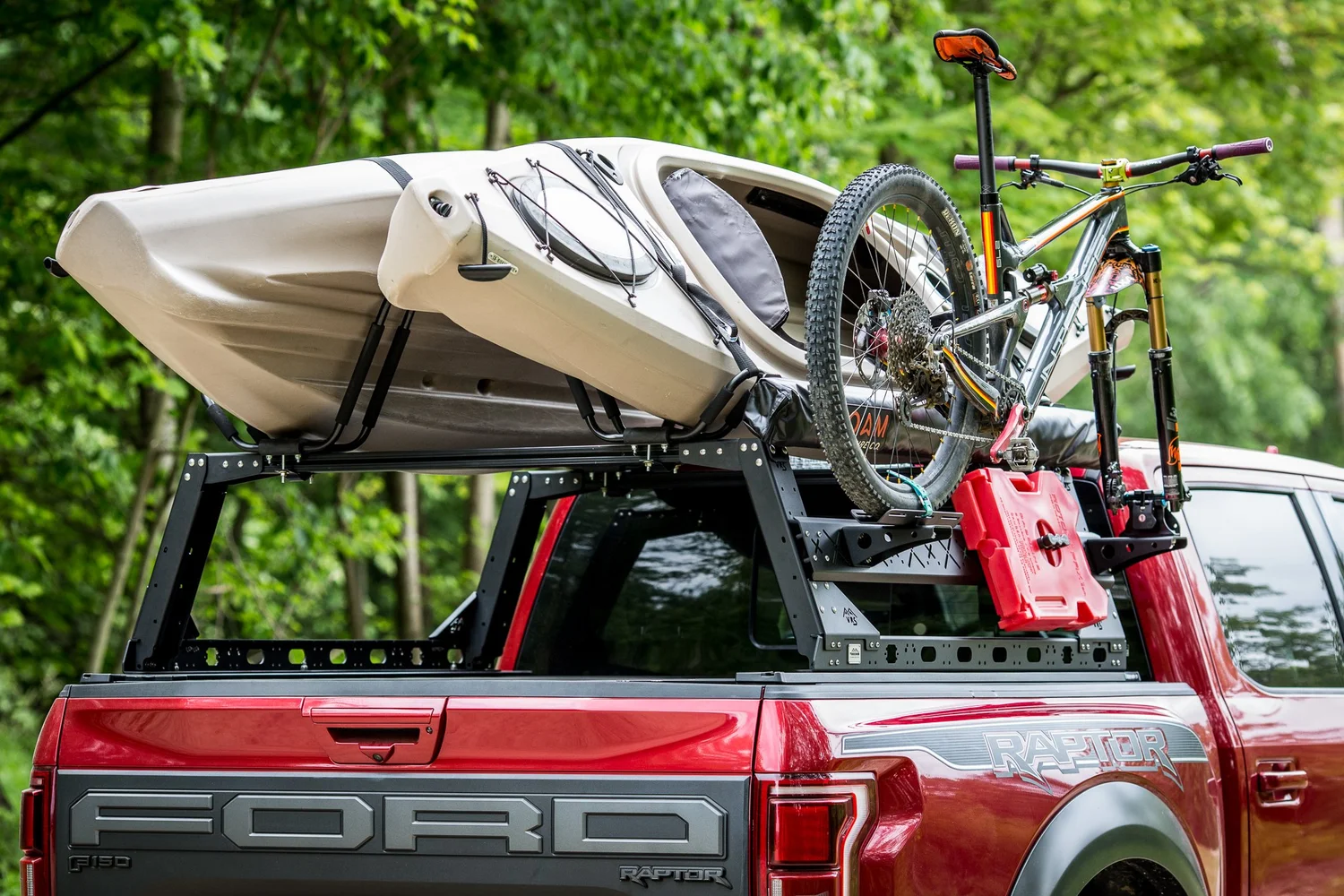
Kayak racks come in various styles to fit different truck models. Some racks mount directly on the bed of the truck. Others utilize the roof or hitch for added support. Consider racks designed for kayaks, ensuring they hold the kayak firmly. Bed-mounted racks are popular for their stability. They provide a sturdy base for the kayak. Roof racks are ideal for those with limited bed space. Hitch racks offer versatility and ease of use.
Straps And Tie-downs
Straps are essential to secure the kayak firmly. Use durable materials like nylon or polyester for reliability. Tie-downs help maintain stability during transportation. Ensure they are adjustable and strong. Look for straps with locking mechanisms for extra security. Proper use of straps prevents shifting and potential damage. Tie-downs should be checked regularly to ensure they remain tight. Properly secured straps and tie-downs keep your kayak safe.
Credit: northeast-caterers.com
Preparing The Kayak
Securing a kayak in a truck involves careful placement and strapping. Position the kayak centrally in the truck bed. Use strong straps to tie down both ends, ensuring stability during transport.
Preparing the kayak before transporting it in a truck is crucial. Proper preparation ensures safe travel and reduces the risk of damage. Taking a few simple steps can make a big difference.Cleaning And Inspecting
A clean kayak is easier to handle. Remove dirt and debris using mild soap and water. Scrub the surface gently with a soft brush. Pay attention to areas around the cockpit and handles. Rinse thoroughly to avoid leaving soap residue. Once clean, inspect the kayak for any signs of wear or damage. Check the hull and seams for cracks. Look at the hardware and ensure everything is intact. Identifying issues early can prevent further complications.Securing Loose Parts
Loose parts can get lost or damaged during transportation. Secure items like paddles, seats, and any detachable accessories. Use bungee cords or straps to keep them in place. Store smaller items in a waterproof bag. Make sure everything is tightly fastened to avoid movement. Double-check to ensure nothing is left unsecured. This helps in preventing loss and keeps the kayak stable during travel.Loading The Kayak Safely
Transporting a kayak in a truck requires securing it properly to prevent damage and ensure safety. Use foam blocks or padding to protect the kayak and truck bed. Secure with strong straps, tightening them to hold the kayak firmly in place.
Loading a kayak onto your truck can seem daunting, but with a few smart strategies, you can make the process safe and efficient. Ensuring the kayak is securely loaded not only protects your gear but also keeps you and others on the road safe. The key is to balance careful positioning and proper lifting techniques. Let’s dive into how you can load your kayak safely and confidently.Positioning The Kayak
Begin by positioning your truck on a flat, stable surface. This stability is crucial for maintaining balance while loading the kayak. Place the kayak parallel to your truck with the bow facing the truck bed. This positioning helps in aligning the kayak for a smooth lift. Ensure the kayak is centered to avoid any misalignment which could lead to potential accidents or damage.Using Proper Lifting Techniques
Lifting a kayak improperly can lead to injury, so it’s important to use correct techniques. Bend at your knees, not your waist, when picking up the kayak. This method leverages your leg muscles, reducing strain on your back. Get a friend to help if the kayak is too heavy or awkward to handle alone. Teamwork can make the process safer and more enjoyable. How do you plan to load your kayak next time? Taking the time to follow these steps ensures that your adventure starts smoothly without any hitches.
Credit: www.facebook.com
Securing The Kayak
Securing a kayak in a truck involves using sturdy straps and padding. Position the kayak evenly to prevent sliding. Always double-check that the kayak is tightly fastened before driving.
Securing your kayak in a truck is crucial for safe transportation. Whether you’re heading to a serene lake or tackling white-water rapids, ensuring your kayak remains stable during the journey is paramount. Picture this: you’re cruising down the highway, and suddenly, you hear a thump. Your heart skips a beat. Was that the kayak shifting? Avoid such worries by mastering effective securing techniques.Effective Tie-down Methods
To keep your kayak firmly in place, invest in high-quality straps like ratchet or cam buckle straps. Ratchet straps provide robust tension, while cam buckle straps offer quick adjustments. Begin by placing the kayak centered in the truck bed. Use at least two straps to secure the kayak—one at the bow and another at the stern. Loop the straps through the kayak’s carry handles or scuppers for added security. Tighten the straps until the kayak is snug against the truck bed. Another method involves using truck bed extenders, which provide additional support and ensure the kayak doesn’t wobble during transport.Preventing Movement During Transport
Consider using foam blocks or padding to minimize movement. These can be placed strategically under the kayak to absorb shock and prevent scratches. For added stability, attach a third strap diagonally across the kayak. This strap acts as an anchor, reducing sideways movement. Think about using a cargo net for extra security. It can hold the kayak and any additional gear in place, ensuring nothing shifts en route. Have you ever watched your kayak slide slightly as you take a sharp turn? By employing these methods, you can drive with peace of mind, knowing your kayak is securely fastened. Ultimately, securing your kayak properly means more than just avoiding damage; it’s about ensuring a stress-free journey. What other techniques do you rely on to keep your kayak safe during transport?Driving With A Kayak
Secure the kayak with straps to prevent movement during transit. Use a truck bed extender if the kayak is too long. Position the kayak diagonally in the truck bed for a snug fit.
Driving with a kayak in your truck can be a rewarding experience, opening up new horizons for adventure. But how do you ensure a smooth ride without compromising safety? Understanding the nuances of driving with a kayak is crucial, and it involves more than just strapping it down. Let’s explore some essential techniques to enhance your driving experience and keep your kayak stable on the road.Adjusting Driving Techniques
When you have a kayak secured in the back of your truck, your driving habits might need a slight tweak. Accelerate and decelerate gradually to avoid sudden movements that could dislodge your kayak. Always maintain a safe distance from other vehicles, as the added weight and wind resistance can affect braking time. Try to take turns more gently than usual. Sharp turns can cause the kayak to shift or even become loose. Practice driving with your kayak on quiet roads to get a feel for how your truck handles differently.Monitoring Kayak Stability
Keeping an eye on your kayak’s stability is crucial during your journey. Regularly check your rearview mirrors to ensure the kayak remains securely in place. If you notice excessive movement, it might be time to pull over and make adjustments. Before you hit the road, double-check all straps and fasteners. Highways can be unforgiving, and even the most secure setups can loosen over time. Make it a habit to inspect your kayak’s position at every stop, especially during long trips. Have you ever had a moment where you realized you forgot to check your kayak’s stability after hitting a bump? These minor lapses can lead to significant issues. Being vigilant ensures both your safety and the safety of others on the road.Unloading The Kayak
Transporting a kayak in a truck involves securing it properly to prevent damage. Utilize straps and padding to keep the kayak stable during transit. Ensure it is positioned securely in the truck bed to avoid shifting.
Unloading a kayak from a truck can seem challenging. But with the right techniques, it’s manageable. Safety and care are important during this process. Ensure the kayak remains undamaged and secure. Let’s explore safe removal and proper storage methods for your kayak.Safe Removal Techniques
When unloading the kayak, ensure your truck is on level ground. This prevents unexpected movements. First, check the kayak’s position. Make sure it’s not caught on any part of the truck. Use a helper if possible. Two pairs of hands make the task easier. Lift the kayak slowly, supporting its weight evenly. Avoid sudden movements that may cause injury or damage. If using a kayak cart, position it nearby. This allows for a smooth transition from the truck bed. Roll the kayak gently onto the cart, securing it firmly.Storing The Kayak Properly
Proper storage extends the life of your kayak. After unloading, find a shaded area for storage. Prolonged sun exposure can damage the material. Clean the kayak thoroughly. Remove any dirt or debris from the trip. Check for any signs of wear or damage. Address these issues before storing. Store the kayak upside down or on its side. This prevents warping or deformation. Use padded supports to maintain its shape. Ensure the storage area is dry and well-ventilated. This prevents mold and mildew growth. Cover the kayak with a breathable cover. This provides additional protection from dust and pests.Frequently Asked Questions
How Do You Carry A Kayak On A Truck?
Secure the kayak using a truck bed extender or roof rack. Use ratchet straps to fasten it tightly. Position the kayak hull-side down for stability. Ensure it doesn’t obstruct your rear view. Regularly check the straps during transit to maintain safety.
How Far Can A Kayak Stick Out Of A Truck?
A kayak can extend up to 3 feet beyond the rear of your truck according to most state laws. Ensure the kayak is securely tied and red flags or lights are used for safety. Always check local regulations for specific requirements before transporting your kayak.
What Is The Easiest Way To Transport A Kayak?
Use a roof rack or kayak cart for easy transport. Secure it with straps for stability. Ensure the kayak is balanced and tightly fastened to prevent movement during transit.
How Heavy Is A 12 Ft Kayak?
A 12 ft kayak typically weighs between 45 to 75 pounds. Weight varies by material and design. Lightweight models are easier to carry and maneuver. Check the manufacturer’s specifications for exact weight details. Always consider your transportation and storage capabilities when choosing a kayak.
Conclusion
Transporting a kayak in a truck is easier with proper preparation. Secure straps tightly to avoid any movement. Use foam blocks or a rack for support. Protect the kayak’s surface with padding. Always check for stability before driving. Practice tying knots for added security.
These steps ensure safe transportation. Enjoy your kayaking adventure with peace of mind. Stay safe on the road. Happy kayaking!