
Imagine this: it’s a sunny weekend, and the serene waters of the lake are calling your name. You’ve got your kayak ready, and you’re itching to paddle away from the hustle and bustle.
But there’s one hiccup—you need to get that kayak from your home to the water. This might seem like a daunting task, especially if you’ve never done it before. Fear not! You’re about to discover the simplest and safest ways to carry a kayak on your car.
By the end of this guide, you will feel confident and ready to hit the road with your kayak securely fastened. Intrigued? Let’s make sure nothing stands between you and your next adventure.

Credit: www.youtube.com
Choosing The Right Kayak Rack
Selecting a kayak rack requires considering your car’s size and shape. Ensure the rack securely holds the kayak during transit. Look for adjustable features for easy installation and removal.
Choosing the right kayak rack ensures safe transport and protects your kayak. Not every rack fits every vehicle. Consider the options and compatibility before buying. This section will guide you through the process of selecting the perfect kayak rack.Types Of Kayak Racks
Kayak racks come in various styles. Each type suits different needs and preferences. Here’s a brief overview:- J-Cradle Racks:These hold the kayak on its side. They save space and fit multiple kayaks.
- Saddle Racks:These support the kayak’s hull. They offer better protection for the kayak’s bottom.
- Stacker Racks:Ideal for carrying many kayaks. They stack kayaks on their sides, maximizing space.
- Temporary Pads:Great for short trips. They are simple and affordable but offer less security.
Compatibility With Your Vehicle
Not all racks fit every car. Check your vehicle’s roof type before purchasing. Cars have different roof styles, like bare roofs or roofs with rails. Choose a rack that matches your vehicle’s roof design. Consider the weight capacity of your vehicle’s roof. Ensure the rack and kayak’s combined weight doesn’t exceed this limit. Some racks need additional crossbars. Verify if your vehicle requires them. Measure your vehicle’s roof width. Ensure the rack fits properly. Always consult your vehicle manual and rack instructions for safe installation.Preparing Your Kayak For Transport
Transporting a kayak on a car safely requires securing it with sturdy straps. Use foam blocks or a roof rack to protect both the kayak and the vehicle. Double-check all fastenings before driving to ensure stability during transit.
Preparing your kayak for transport is a crucial step to ensure a safe and hassle-free journey. Before you even think about loading your kayak onto the car, taking a few key precautions can save you from unexpected surprises on the road. From checking for damage to securing any loose parts, these steps will help you avoid unnecessary detours and enjoy your adventure with peace of mind.Inspecting The Kayak
Before loading, give your kayak a thorough inspection. Look for any cracks or damage that might worsen during transit. Pay attention to the hull and the seams, as these areas are most vulnerable. Run your hands along the surface to check for any rough spots or sharp edges. These could potentially cause damage to your car or the kayak straps. Don’t overlook the bottom of the kayak, as it often takes the brunt of wear and tear. Think about the last time you paddled. Was there any rough handling or scrapes? Addressing these issues now can prevent bigger problems later. Ensuring your kayak is in top condition is not just about safety; it also prolongs the life of your investment.Securing Loose Parts
Loose parts can be a headache if not properly secured. Check the kayak for any removable components like seats, paddles, or storage lids. These can easily shift during transport and cause damage or even become lost. Use bungee cords or sturdy straps to secure these parts in place. Consider storing smaller items inside your vehicle for added security. This reduces the risk of losing them on the highway. Have you ever arrived at your destination only to realize something is missing? It’s an avoidable mishap. Double-check that everything is locked down before you hit the road. This small step can make a huge difference in your kayaking experience.Loading The Kayak Onto The Car
Carrying a kayak on a car involves securing it safely with straps and a roof rack. Proper positioning is crucial to avoid damage during transport. Ensure that the kayak is centered and balanced for a smooth and safe journey.
Loading a kayak onto a car can seem daunting. But with a little practice, it becomes easy. Proper technique ensures your kayak stays secure during transport. It also protects both the kayak and your car from damage. Let’s explore how to load your kayak efficiently and safely.Positioning The Kayak
First, position the kayak parallel to your car. Ensure the kayak’s bow faces the car’s front. This helps with aerodynamics during travel. Next, align the kayak with the car’s roof rack. The kayak should sit evenly on the rack bars. This balance is crucial for safe transport.Lifting Techniques
Use the right technique to lift the kayak. Stand close to the kayak. Bend your knees, not your back, to grasp the kayak. Lift using your legs for strength and stability. If the kayak is heavy, ask a friend for help. Each person should lift one end of the kayak. Together, raise the kayak over your head carefully. Place it gently onto the roof rack. A secure lift prevents injuries and accidents.Securing The Kayak Properly
Securing the kayak properly is essential for safe transport. Use sturdy straps to fasten it tightly to your car’s roof rack. Ensure the kayak is centered and balanced to prevent shifting during travel.
Securing a kayak properly on your car ensures a safe journey. It’s crucial to keep the kayak stable during transit. A loose kayak can damage your car or others on the road. Follow these steps to secure your kayak effectively.Using Straps And Tie-downs
Start with quality straps. They should be strong and durable. Place the kayak on the roof rack. Ensure it’s centered and balanced. Use two straps for the main hold. Loop them over the kayak and under the roof rack bars. Pull the straps tight. Make sure there is no slack. Use a knot for extra security. Consider using bow and stern tie-downs. Attach them to your car’s front and rear bumpers. This adds extra stability.Checking Stability
Once strapped, check the kayak’s stability. Gently shake the kayak. It should not move much. Inspect the straps for any looseness. Tighten them if needed. Check the bow and stern tie-downs. They should be firm and secure. Drive a short distance. Stop and recheck the straps. Ensure everything is still tight and secure. Regular checks prevent mishaps during long trips.Driving With A Kayak On Your Car
Transporting a kayak on your car requires careful planning. Secure it with sturdy roof racks and straps. Ensure it’s tightly fastened to prevent shifting while driving.
Driving with a kayak on your car can be tricky. It’s crucial to ensure safety and stability. Proper preparation makes the journey smoother and less stressful.Adjusting Your Driving Habits
Drive slower than usual. The kayak adds weight and affects aerodynamics. Take turns gently to prevent the kayak from shifting. Avoid sudden stops to reduce risk of damage. Keep a safe distance from other vehicles. Wind resistance can impact control, especially at high speeds.Safety Precautions
Double-check all straps and fastenings before leaving. Inspect them for wear and tear. Secure loose ends to prevent flapping in the wind. Regularly check the kayak’s position during breaks. Ensure it’s stable and hasn’t shifted. Use flags or lights if driving at night. This increases visibility to other drivers.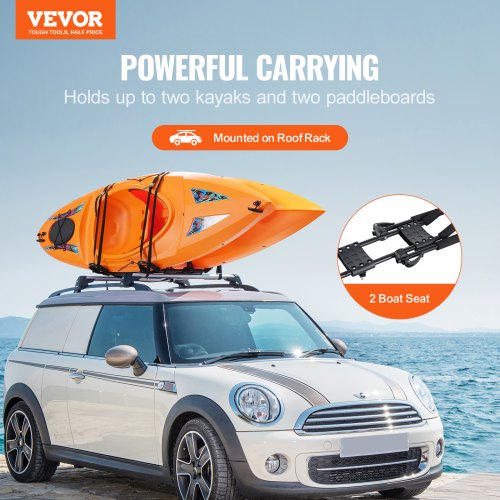
Credit: www.vevor.com
Unloading The Kayak Safely
Safely carrying a kayak on your car involves using a proper roof rack. Secure the kayak with sturdy straps. Ensure the kayak is balanced to prevent shifting during transport.
Unloading a kayak from your car might seem like a simple task, but doing it safely requires some attention to detail. It’s not just about lifting the kayak off your vehicle; it’s about ensuring both the kayak and your car remain damage-free in the process. You’ll want to be mindful of the weight and size of the kayak, as well as the specific loading system you used. Whether you’re a seasoned paddler or a first-time kayaker, here’s how you can make sure the unloading process goes smoothly.Reversing The Loading Process
Begin by reversing the steps you took when loading the kayak. If you used a roof rack, ensure any straps or fasteners are fully loosened. This makes it easier to slide the kayak off without scraping your car. Have a clear plan for where the kayak will go once it’s off the vehicle. Will you be placing it on the ground or directly into water? Knowing this can help you maneuver it safely. Consider enlisting the help of a friend. A second pair of hands can make a huge difference, especially if your kayak is heavy or awkward to handle.Inspecting For Damage
Once the kayak is safely unloaded, inspect it for any signs of damage. Look for scratches, dents, or cracks that might have occurred during transport. This quick check ensures your kayak is ready for the next adventure. Don’t forget to check your car’s roof and the rack system. Small damages can add up over time, affecting both your vehicle’s aesthetics and the functionality of the rack. Ask yourself: are there any improvements you can make for the next trip? Perhaps a different padding or strap technique could prevent future damage.Maintaining Your Kayak Rack
Carry your kayak securely on your car by using a reliable rack system. Ensure the rack is properly installed and regularly maintained. Regular checks and cleaning prevent rust and ensure safety during transport.
Maintaining your kayak rack is crucial for safe transportation. A well-maintained rack ensures your kayak is secure during travel. Regular upkeep prolongs the life of your rack. It also prevents damage to your kayak. Let’s explore how to keep your kayak rack in top condition.Routine Checks
Perform routine checks on your kayak rack. Inspect the bolts and screws for tightness. Loose parts can lead to accidents. Check for rust or corrosion. Replace any damaged parts promptly. Ensure the straps are not frayed. Worn straps can break easily.Cleaning And Storage
Clean your kayak rack regularly. Use mild soap and water. Remove dirt and debris. This prevents scratches on your kayak. Dry the rack completely to avoid rust. Store your rack in a dry place. Keep it away from direct sunlight. Sunlight can weaken the material over time. Proper storage extends the life of your rack.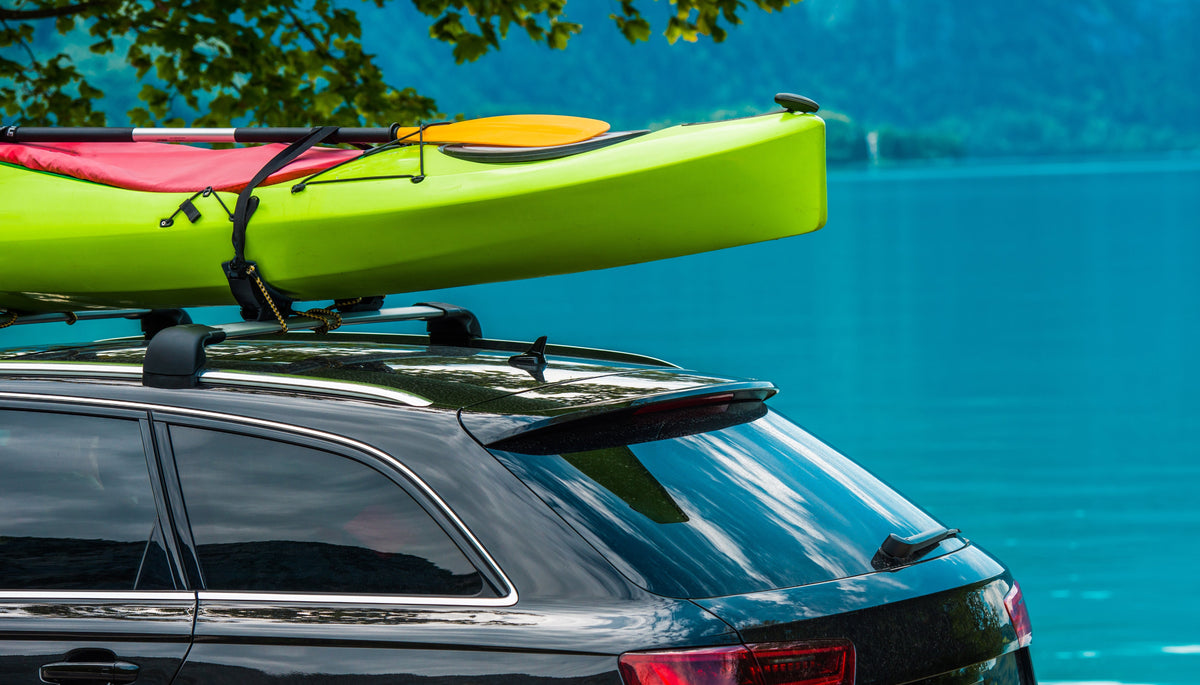
Credit: www.baysports.com.au
Frequently Asked Questions
What Is The Easiest Way To Transport A Kayak On A Car?
Use a roof rack with kayak carriers for easy transportation. Secure with straps for stability during travel. Ensure the kayak is centered and tightly fastened. Consider using foam blocks if a roof rack isn’t available. Always check local regulations for transporting oversized items.
Can I Put A Kayak On My Car Without A Rack?
Yes, you can transport a kayak without a rack. Use foam blocks or pool noodles for padding. Secure it with strong straps through the car doors. Ensure the kayak is stable and doesn’t obstruct your view. Double-check all straps for safety during your journey.
Do I Need A Roof Rack For A Kayak?
A roof rack is essential for safely transporting a kayak on your vehicle. It prevents damage and ensures stability. Investing in a quality roof rack protects both the kayak and car while traveling. Always secure your kayak with proper straps for added safety.
What Is The Best Vehicle For Carrying A Kayak?
The best vehicle for carrying a kayak is an SUV or a truck with roof racks or bed extenders. These vehicles provide ample space and secure mounting options, ensuring safe transportation. Roof racks are especially beneficial for easy loading and unloading.
Always ensure proper fastening to avoid accidents.
Conclusion
Transporting a kayak on a car is simple with the right steps. Use a roof rack for safety. Secure the kayak tightly to prevent shifting. Check that everything is stable before driving. Short drives are easier for beginners. Practice loading and unloading for confidence.
Always protect your kayak and car from scratches. Awareness of traffic and road conditions is key. Following these tips ensures a smooth journey. Enjoy your outdoor adventure with peace of mind. Safe travels and happy kayaking!