Have you ever stood on the shore, excited to hit the water, but paused, unsure about the best way to carry your kayak? You’re not alone.
Figuring out how to transport your kayak safely and efficiently can be a challenge, especially if you’re new to paddling. But don’t worry—you’re about to discover simple techniques that will make this task a breeze. In this guide, you’ll learn the secrets to carrying your kayak without straining your back or risking damage to your gear.
Picture yourself gliding effortlessly from your car to the water’s edge, ready to start your adventure. With these tips, you’ll not only save time but also ensure your kayak stays in top condition. Dive in and unlock the strategies that will transform your kayaking experience.

Credit: www.thule.com
Choosing The Right Kayak Transport Method
Transporting a kayak safely involves choosing between roof racks, trailers, or inflatable options. Roof racks offer convenience for cars, while trailers suit larger vehicles. Inflatable kayaks can be deflated for easy storage and transport.
Choosing the right method to transport your kayak is crucial for both safety and convenience. Whether you’re heading to a serene lake or an adventurous river, having the right transport gear can make all the difference. Let’s explore some options to ensure your kayak travels as smoothly as it glides on water.Car Roof Rack Options
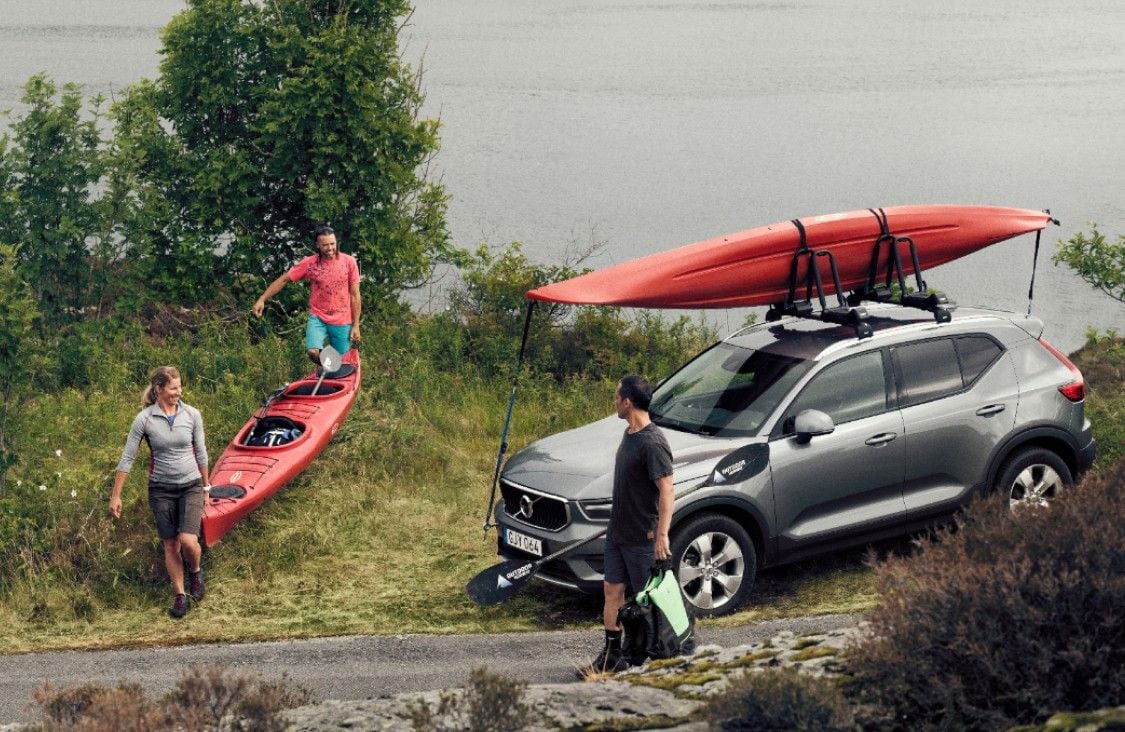
A car roof rack is a popular choice for many kayakers. It’s versatile and can often accommodate more than one kayak. Invest in a sturdy rack that fits your car model. Brands like Thule and Yakima are highly recommended for their durability and ease of use. A good roof rack ensures your kayak is secure during the drive. Don’t forget to check the weight capacity of your car roof. Overloading can lead to damage or accidents. Using proper tie-downs and kayak cradles can prevent scratches and keep your kayak stable.Trailers And Kayak Carts
For those who prefer not to lift their kayak onto a roof, trailers are a fantastic alternative. They are especially useful if you own multiple kayaks or larger models. Trailers can be hitched to most vehicles, but make sure your car’s towing capacity is suitable. Kayak carts, on the other hand, are great for short distances. They offer easy maneuverability from your vehicle to the water. Look for carts with inflatable tires that can handle different terrains.Manual Carrying Techniques
Sometimes, the simplest method is the best. Knowing how to manually carry your kayak can save you in a pinch. If you’re solo, the shoulder carry technique is effective. Just balance the kayak on your shoulder, ensuring the weight is evenly distributed. For tandem carrying, grab a partner and lift the kayak from either end. Communicate clearly to avoid any mishaps. Consider the kayak’s weight and your physical ability before opting for manual carrying. It’s essential to prioritize safety to prevent injuries. Choosing the right transport method can enhance your kayaking experience. Which method suits your lifestyle and kayak best?Preparing Your Kayak For Transport
Carrying a kayak requires secure straps and a sturdy roof rack. Position the kayak evenly on the roof to prevent shifting. Ensure the bow and stern are tightly fastened for safe transport.
Preparing your kayak for transport is a crucial step to ensure a smooth journey, whether you’re heading to a nearby lake or embarking on a cross-country adventure. Before hitting the road, dedicating a few minutes to prepare your kayak can prevent unexpected hiccups and ensure your equipment remains in top condition. Let’s dive into the essentials that will make your transport process seamless and worry-free.Securing Loose Items
It’s easy to overlook small gear and accessories when you’re eager to get moving. Spend a moment securing paddles, life vests, and any other loose items inside your kayak. Use bungee cords or straps to keep everything in place. This simple task can prevent loss and damage during transport. Consider creating a checklist of items typically stored in your kayak. This ensures nothing gets left behind or misplaced. Additionally, securing these items reduces the risk of them becoming projectiles in case of sudden stops or turns.Inspecting For Damage
Before you load your kayak onto the roof rack, give it a thorough inspection. Look for cracks, dents, or any signs of wear that could worsen during transport. Addressing these issues beforehand can save you from costly repairs down the line. A quick inspection can reveal if your kayak has any structural weaknesses. If you find damage, consider patching it up temporarily or planning a repair session once you reach your destination. This proactive approach ensures your kayak remains safe and reliable.Cleaning And Drying
Cleaning your kayak before transport might seem unnecessary, but it can prevent mold and unpleasant odors. Use a hose or bucket to rinse off sand, salt, and debris. Once clean, ensure it’s thoroughly dried to avoid water spots or mildew. Drying is crucial, especially if you’ll be storing the kayak for a while. Use towels or let it air dry in a sunny spot. This step is not just about aesthetics; it’s about preserving the integrity of your kayak. A clean and dry kayak is less likely to suffer from long-term damage. Have you ever thought about how small steps in preparation can make a big difference in your kayaking experience? Taking time to prepare your kayak thoughtfully ensures you’re ready for whatever adventure awaits, leaving you free to focus on paddling and enjoying the water.Loading Your Kayak Safely
Carrying a kayak safely involves lifting it correctly to avoid injury. Bend your knees and grip the kayak’s edge. Balance the weight evenly and use straps if needed for stability.
Loading your kayak safely onto your vehicle is crucial. This ensures both your safety and the kayak’s protection. Careful handling prevents damage and makes transport easier. Follow these tips to load your kayak efficiently.Proper Lifting Techniques
Lift with your legs, not your back. This reduces strain and injury risk. Stand close to the kayak. Bend your knees and grip firmly. Keep your back straight as you lift. Use a buddy if the kayak is heavy. Teamwork makes lifting safer and easier.Positioning On Roof Racks
Place the kayak on its side or upside down. This provides better stability during travel. Center the kayak on the roof rack. Ensure it’s balanced and secure. Avoid placing it directly on the car roof. Use foam blocks or a rack system. These protect both the kayak and your car.Using Straps And Tie-downs
Secure the kayak with strong straps. Ratchet straps or cam straps work well. Loop the straps over and under the kayak. Tighten them snugly but not too tight. Check for any loose ends or slack. Use bow and stern tie-downs for extra security. Attach them to the front and rear of your vehicle. This prevents the kayak from shifting during transit.Driving With A Kayak
Transport a kayak safely by securing it on your car’s roof rack. Use sturdy straps to ensure stability. Check that it’s tightly fastened before starting your journey.
Driving with a kayak on your vehicle requires a bit of preparation and mindfulness. It’s not just about safely transporting your kayak from point A to point B; it’s about ensuring the journey is as smooth as possible for both you and other drivers on the road. You need to adapt your driving habits, keep an eye on the kayak’s stability, and be mindful of the weather conditions.Adjusting Driving Habits
When you have a kayak on your car, you must adjust your usual driving habits. You’ll notice that your vehicle feels different due to the added weight and changed aerodynamics. Avoid sudden stops and sharp turns. These can cause the kayak to shift or, worse, detach from your car. Consider how you’d drive with a fragile item on your roof, and apply that same caution.Monitoring Kayak Stability
Regular checks on your kayak’s stability are crucial during the trip. Whenever you stop for gas or a break, take a moment to inspect the straps and mounts. Make sure everything is still tightly secured. This simple step can prevent unexpected mishaps that could lead to dangerous situations on the road.Handling Wind And Weather
Wind and weather can significantly impact your drive with a kayak. Strong winds can create resistance, making it harder to steer and maintain control of your vehicle. It’s wise to check the weather forecast before setting out. If you find yourself in windy conditions, reduce your speed and stay extra vigilant. In rainy weather, ensure your kayak is waterproofed or has a cover to prevent waterlogging. Driving with a kayak requires more than just fastening it to your roof. It demands your attention, patience, and a readiness to adapt. Are you prepared to make these adjustments for a safer journey?Unloading And Storing Your Kayak
Carrying a kayak requires careful balance and grip. Hold the kayak by its handles and walk steadily to avoid tipping. Store it on a rack or in a shaded area to preserve its condition.
Unloading and storing your kayak properly is crucial for its longevity and your safety. After a thrilling adventure on the water, the last thing you want is to damage your kayak during unloading or have it take up unnecessary space in your home. By adopting safe unloading practices and selecting the right storage location, you can ensure your kayak remains in pristine condition for your next outing.Safe Unloading Practices
Unloading your kayak should be done with care to avoid injury or damage. Begin by assessing the area for obstacles and ensuring there’s ample space. It’s wise to have a buddy assist you, especially if your kayak is on the heavier side. Lift the kayak using your legs, not your back, to prevent strain. Position yourself at one end, while your partner takes the other, ensuring a firm grip. If you’re unloading solo, try sliding the kayak gently to the ground, maintaining control at all times.Choosing The Right Storage Location
Finding the perfect spot for your kayak is more than just a matter of convenience. Consider areas that are shaded and have consistent temperatures. Avoid direct sunlight, which can degrade the material over time. Think about whether you want indoor or outdoor storage. Indoors, a garage or shed is ideal. Outdoors, use a tarp or specialized kayak cover to shield it from the elements. How might the weather in your area affect your choice?Long-term Storage Tips
When planning for long-term storage, focus on maintaining the kayak’s shape and integrity. Store it on its side or upside down, using racks or padded supports to prevent warping. Regularly inspect your kayak for signs of wear or damage, even when not in use. Clean it thoroughly before storing to prevent mold and mildew. Consider using protective spray to safeguard against UV damage and prolong its lifespan. What additional steps can you take to ensure your kayak remains in top condition during the offseason?
Credit: vibekayaks.com
Common Mistakes And How To Avoid Them
Lifting a kayak alone often leads to injury or damage. Use proper techniques by bending your knees and lifting with your legs. Secure a firm grip and balance the weight evenly to prevent mishaps.
Carrying a kayak may seem straightforward, but even seasoned kayakers can stumble upon common pitfalls that might lead to damage or even injury. Whether you’re transporting your kayak on a roof rack or carrying it by hand, avoiding these errors is crucial. Let’s dive into some of the frequent mistakes and how you can steer clear of them.Overloading Roof Racks
Roof racks have weight limits. Exceeding this can lead to structural damage, affecting both your vehicle and the kayak. Picture this: you’re on a road trip with friends, and everyone decides to bring their kayak. Overloading the roof rack can cause it to buckle, which is not only dangerous but can also incur hefty repair costs. Solution: Always check the manufacturer’s specifications for the weight limit of your roof rack. If you’re carrying multiple kayaks, distribute the weight evenly and consider using a trailer instead.Improper Strap Usage
Using straps incorrectly is a common oversight. Loose straps can cause the kayak to shift during transit, while overly tight straps can damage the kayak’s hull. Have you ever arrived at a destination only to find your kayak has shifted perilously to one side? Solution: Ensure straps are tight but not overly compressed. Use cam buckle straps for better control and always secure the kayak at both ends. A quick shake test before hitting the road can reveal if adjustments are needed.Ignoring Weather Conditions
Weather is often underestimated when transporting a kayak. Strong winds can make a loosely strapped kayak a hazard, while rain can make surfaces slippery and dangerous. Imagine driving through a storm and feeling the kayak sway with every gust. Solution: Check the weather forecast before heading out. If high winds are predicted, double-check your securing methods or reconsider your timing. In rainy conditions, take extra caution when loading and unloading your kayak to prevent slips and falls. By keeping these tips in mind, your kayaking adventures can remain safe and enjoyable. Have you ever encountered these pitfalls? Share your stories or tips for mastering the art of kayak transport in the comments below!
Credit: www.reddit.com
Frequently Asked Questions
What Is The Best Way To Carry A Kayak?
Use a kayak cart for easy transport over longer distances. Secure with straps to prevent slipping. Lift with a partner for safety. Carry it upside down to avoid damage. Ensure handles are accessible and grip firmly. Always protect your back by bending your knees when lifting.
What Is The 120 Rule For Kayaking?
The 120 rule for kayaking suggests adding air and water temperatures; if below 120°F, wear a wetsuit or drysuit for safety.
Can You Carry A Kayak By Yourself?
Yes, you can carry a kayak by yourself. Use a shoulder strap or kayak cart for easier transport. Lighter kayaks are more manageable alone. Ensure you have a good grip and balance to prevent dropping. Practice proper lifting techniques to avoid injury.
What Is The Best Vehicle For Carrying A Kayak?
The best vehicle for carrying a kayak is an SUV or truck with a roof rack. Roof racks provide secure attachment and stability, ensuring safe transport of the kayak. Consider vehicles with sufficient roof space and weight capacity to accommodate your kayak’s size and weight.
Conclusion
Carrying a kayak safely is key to your outdoor adventure. Follow the steps to protect your kayak and yourself. Use proper lifting techniques to avoid strain or injury. Remember, teamwork helps when the kayak is heavy or awkward. Always check your path for obstacles.
A cart can make the process easier over long distances. Practice these tips to enjoy worry-free kayaking trips. With these simple steps, you can focus more on enjoying the water. Safe transport ensures your kayak lasts for many more adventures.
Happy paddling!