
Are you dreaming of paddling through serene waters but unsure how to transport your kayak safely? You’re not alone.
Figuring out how to carry a kayak on your car can feel like a daunting task. After all, the last thing you want is to damage your car—or your kayak—before you even hit the water. But don’t worry; you’re in the right place.
This guide will show you the simplest, most effective ways to secure your kayak for the journey ahead. Imagine the peace of mind you’ll have knowing your kayak is safely perched atop your car, ready for adventure. Keep reading to discover easy tips that will make you confident every time you load up for a trip.
Choosing The Right Kayak Rack
Choosing the right kayak rack ensures safe transportation on your car. Consider the type of car and kayak size. Opt for a rack that offers stability and ease of loading.
Choosing the right kayak rack is crucial for safe transportation. A secure rack protects your kayak and car from damage. It also ensures a stress-free journey to your favorite paddling spot. With various options available, finding the perfect rack can be overwhelming. Understanding the types and factors to consider simplifies this task.Types Of Kayak Racks
There are several types of kayak racks, each offering unique benefits.- J-Cradle Racks:These hold the kayak on its side, saving space. Easy to load and unload.
- Saddles:Provide a snug fit for the kayak’s hull. Ideal for longer trips.
- Stacker Racks:Allow multiple kayaks to be stacked. Great for group outings.
- Temporary Pads:Simple solution for occasional users. Affordable and easy to install.
Factors To Consider
Several factors influence the choice of a kayak rack.- Vehicle Type:Ensure the rack fits your car’s roof size and shape.
- Kayak Size:Larger kayaks need sturdier racks for safe transport.
- Ease of Use:Choose a rack that’s easy to load and unload.
- Budget:Find a rack that fits your budget without compromising quality.
- Security Features:Look for racks with locking systems to prevent theft.
Securing Your Kayak
Transporting your kayak safely involves securing it properly on your car. Use sturdy roof racks and straps to prevent movement during travel. Ensure the kayak is centered and balanced to avoid accidents.
Securing your kayak on a car is crucial for safe transport. A well-secured kayak prevents accidents and keeps your vehicle damage-free. Follow these steps to ensure your kayak is secure and stable during travel.Using Straps
Straps are essential for securing your kayak. Start by placing the kayak on your car’s roof rack. Use strong, durable straps to tie down the kayak. Loop the straps over the kayak and under the roof rack. Pull the straps tight. Ensure they hold the kayak firmly in place. Double-check the strap tension. This prevents the kayak from shifting during transport.Checking Stability
After securing the kayak, check its stability. Push gently on the kayak from various angles. It should not wobble or slide. Adjust the straps if needed. Ensure the kayak sits snugly on the roof rack. A stable kayak reduces the risk of damage. Test the setup by driving a short distance. Listen for any unusual noises. Make final adjustments before hitting the road.Loading The Kayak Safely
Transporting a kayak safely on a car involves using roof racks and securing it with strong straps. Ensure the kayak is centered and balanced to prevent shifting during travel.
Loading a kayak onto your car can be a daunting task, especially if you’re new to the world of kayaking. Ensuring you do it safely is crucial to protect both your vehicle and your kayak. With the right techniques, you can make this process smooth and stress-free.Positioning The Kayak
The first step is to decide the optimal position for your kayak on the car. Generally, it’s best to place the kayak hull-side down on the roof racks. This not only stabilizes the kayak but also reduces wind resistance while driving. Before lifting, visualize how the kayak will sit on your vehicle. Make sure the front and back are evenly balanced. If your kayak is longer than your car, ensure it’s centered to avoid any overhang that might obstruct visibility or safety.Lifting Techniques
Lifting a kayak by yourself can be tricky. Always lift with your legs, not your back, to prevent injury. If possible, enlist the help of a friend to make the task easier and safer. Use a clean jerk motion to lift the kayak to shoulder height. If you’re alone, consider using a kayak cart to roll it to the side of your car first. Then, using your knees for support, push it onto the roof rack gently. Have you ever struggled with lifting a kayak onto your car? Share your experiences and any tips that might help others in the comments below!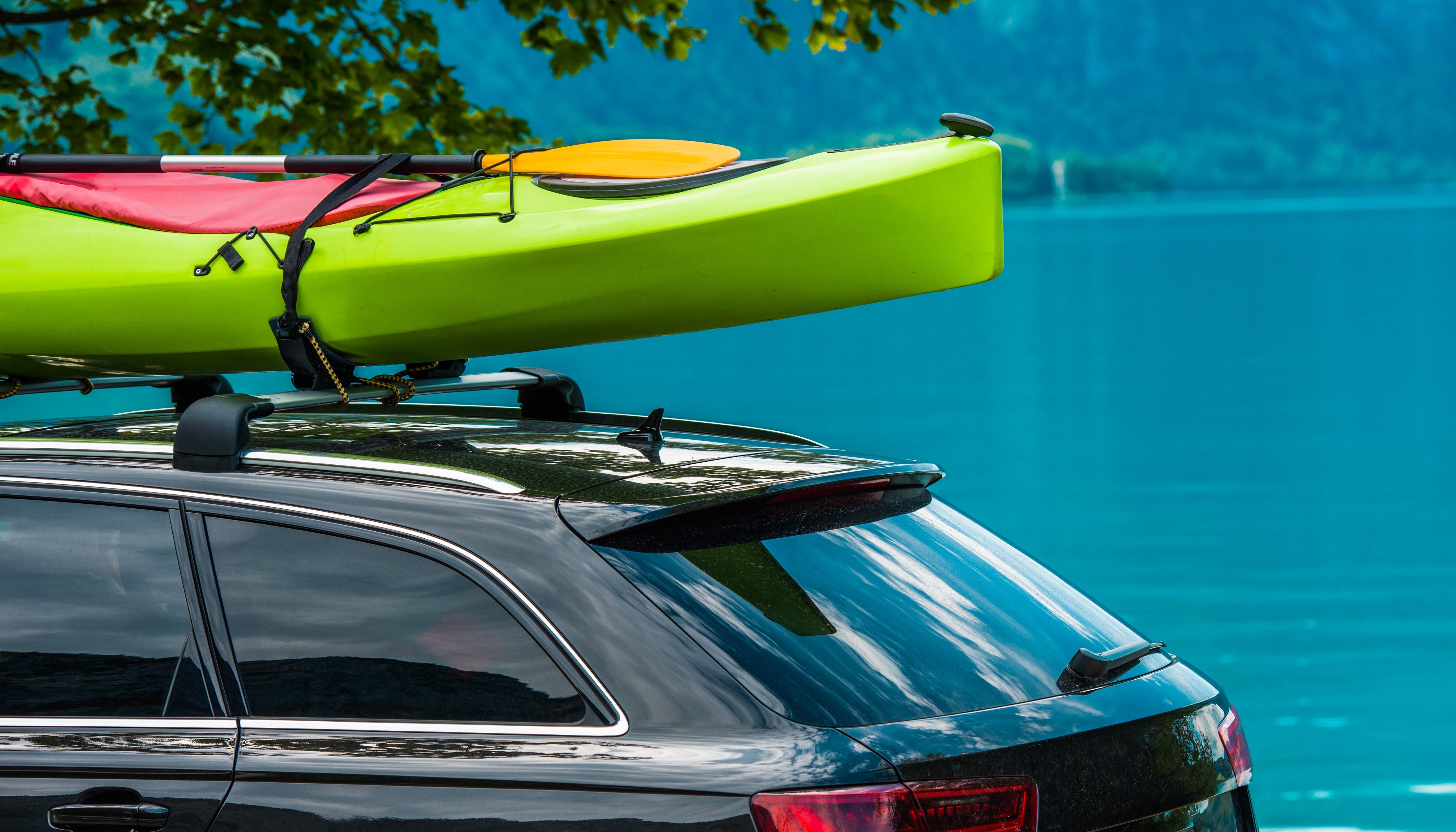
Credit: www.baysports.com.au
Protecting Your Vehicle
Transport a kayak safely by securing it with durable straps on a roof rack. Ensure the kayak is centered and balanced for stability. Consider using foam blocks or a kayak carrier to prevent scratches or dents on your vehicle’s roof.
Protecting your vehicle while transporting a kayak is vital. Kayaks can be bulky and heavy. Without proper precautions, they might damage your car. Protecting your vehicle ensures a smooth and safe journey for both your car and kayak.Using Pads And Covers
Pads provide a cushion between the kayak and car. They are easy to attach to roof racks. Foam blocks are a popular choice. They absorb vibrations and protect your car’s paint. Covers shield your vehicle from dirt and debris. Kayak covers prevent scratching during transportation. They are simple to use and affordable.Preventing Scratches
Scratches can harm your car’s appearance. Use protective films on your car’s roof. They act as a barrier against direct contact. Soft towels or blankets can also help. Wrap them around the kayak’s contact points. Secure the kayak firmly to prevent movement. Movement can lead to scratches and dents. Regularly inspect your car for any damage. Early detection helps in quick repair.Driving With A Kayak
Securing a kayak on your car involves using roof racks or foam blocks for stability. Straps ensure the kayak stays in place during travel. Always check the kayak’s position before driving to guarantee safety.
Driving with a kayak on your car demands attention and care. A securely fastened kayak ensures safety for you and others on the road. Handling your vehicle with a kayak atop requires some adjustments in driving habits. Let’s explore these crucial aspects to ensure a smooth journey.Adjusting Driving Speed
With a kayak on your car, maintaining a steady speed is vital. Avoid sudden accelerations or decelerations. These movements can cause the kayak to shift. Keeping a moderate speed helps maintain balance. It also reduces air resistance, which can affect fuel efficiency. If you drive faster, the wind pressure increases. This can lead to instability. It’s best to follow speed limits. Take corners slowly and steadily to prevent any tilting.Monitoring For Shifts
Regularly check your kayak during the journey. Pull over safely to examine its position. Look for any signs of movement or loosening. A quick visual inspection can prevent potential mishaps. If you hear rattling sounds, it might indicate a shift. Stop immediately to fix the issue. Use extra straps if necessary for added security. Always ensure the kayak is centered and balanced. This reduces the risk of shifts while driving.
Credit: www.youtube.com
Unloading The Kayak
Securely fasten the kayak on the roof rack using sturdy straps. Ensure it is balanced and won’t shift. Gently slide it off, supporting its weight, to avoid scratches or damage.
Unloading your kayak from the car can be just as important as getting it up there. After a long day on the water, you’re probably eager to head home. However, rushing this process can lead to damaged equipment or even injury. Taking a few extra moments to do it right can save you a lot of trouble.Safely Removing Straps
Begin by loosening the straps that secured your kayak. Make sure you have a good grip on the kayak as you do this. Imagine the horror of watching your kayak slide off the roof and onto the ground because you weren’t ready. Check each strap carefully. Are they tangled or caught on any part of the kayak or the roof rack? If so, untangle them gently to avoid damaging the kayak or the car. Once the straps are completely loosened, drape them over the car to avoid stepping on them. This small habit can prevent trips and falls, keeping you safe.Careful Kayak Placement
Now, it’s time to lift the kayak off the car. Are you doing this alone or with help? If you have a partner, lift the kayak together, keeping it stable and even. If you’re solo, position yourself in the center of the kayak and lift with your legs, not your back. This will prevent strain and injury. Once the kayak is off the car, find a clear, flat area to place it down. Avoid rocky or uneven surfaces that could scratch or damage the hull. Consider placing it on a soft mat or grass, which cushions the kayak and prevents wear. By taking care of your kayak during unloading, you extend its lifespan and ensure more adventures on the water.Troubleshooting Common Issues
Securely transporting a kayak on a car involves checking roof rack compatibility and using proper straps. Position the kayak correctly and ensure it’s tightly fastened to prevent shifting during transit.
Troubleshooting Common Issues When transporting a kayak on your car, unexpected problems can arise that challenge even the most seasoned adventurers. Knowing how to address these common issues can save you time and frustration on the road. Let’s dive into a few practical solutions.Addressing Loose Straps
Loose straps can lead to a shaky kayak and potential damage. Ensure your straps are tight but not overly compressed, as this can damage the kayak. Consider using ratchet straps, which provide better tension control compared to standard ones. Double-check them after driving a short distance; sometimes, straps loosen after initial setup. If you notice the straps frequently loosening, inspect them for wear and tear. Sometimes, simply replacing old straps can solve the problem.Handling Unexpected Weather
Weather can change in an instant, and it’s crucial to be prepared. Rain can make straps slippery and less effective. Cover your kayak with a waterproof tarp to protect it from rain. This also helps keep straps dry and secure. Windy conditions can be particularly tricky. Adjust your straps to withstand gusts by ensuring they are as tight as possible without damaging your kayak. Consider stopping more frequently to check your setup in high winds. Have you ever had a weather-related mishap while transporting your kayak? Being proactive can prevent these common issues from turning your adventure into a hassle.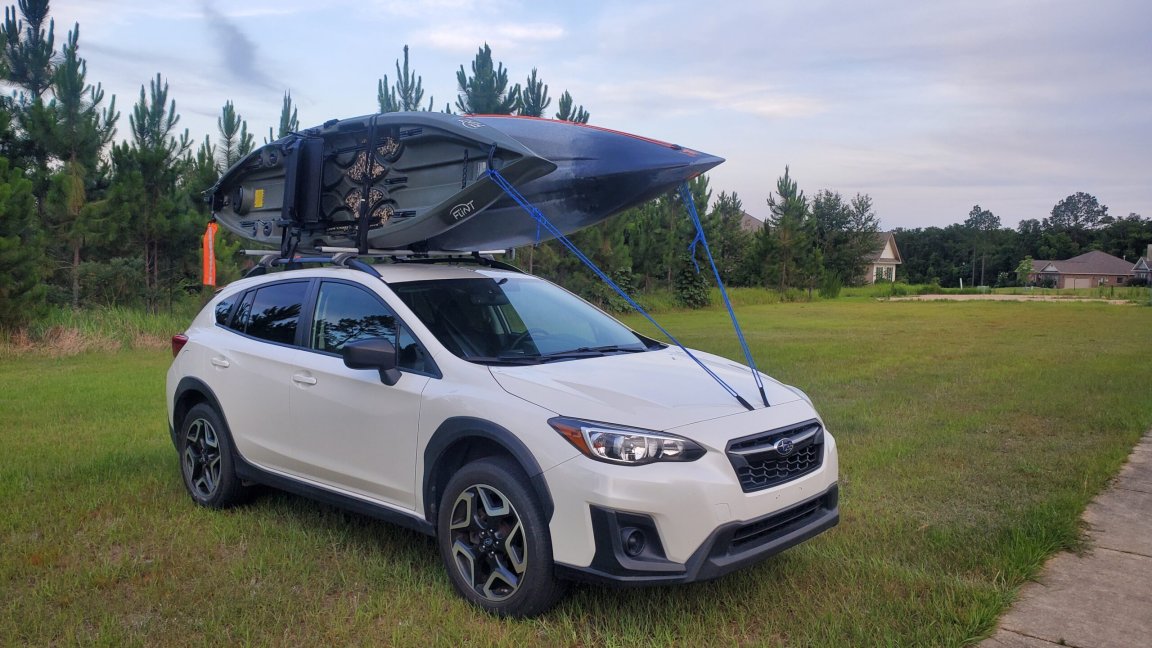
Credit: www.outdoorlife.com
Frequently Asked Questions
What Is The Easiest Way To Transport A Kayak On A Car?
Use a roof rack or foam blocks to transport a kayak on a car easily. Secure it with straps. Ensure the kayak is stable and check for overhang regulations. Consider using a kayak trailer for more convenience. Always drive cautiously with a kayak on your vehicle.
Can I Put A Kayak On My Car Without A Rack?
Yes, you can transport a kayak without a rack. Use foam blocks or pool noodles for padding. Secure it with strong straps, ensuring the kayak is stable and doesn’t shift. Always double-check the security before driving.
What Is The Best Way To Move A Kayak?
Use a kayak cart to move your kayak easily. Secure it with straps for stability. Lift one end and roll it to your destination. For short distances, carry it with a partner by holding the handles. Ensure even weight distribution to prevent damage.
Always protect the kayak from sharp objects.
What Is The Best Vehicle For Carrying A Kayak?
SUVs and trucks are ideal for carrying a kayak. They offer roof racks or bed space for secure transport. Roof racks ensure stability and safety while driving. Vans can also work if equipped with the right roof system. Ensure your vehicle’s rack can handle the kayak’s weight and size.
Conclusion
Transporting a kayak on your car is simple with the right steps. Secure your kayak properly to prevent accidents. Use sturdy straps and check their tightness. Roof racks are a great option for added safety. Always check local regulations for rooftop loads.
Drive cautiously, especially on highways. Practice makes perfect, so try loading it a few times before your trip. Remember, a well-secured kayak means a worry-free journey. Enjoy your paddling adventure with peace of mind. Safe travels and happy kayaking!