
Have you ever felt the thrill of paddling through serene waters, but faced the challenge of transporting your kayak? You’re not alone.
Many outdoor enthusiasts find themselves puzzled when it comes to safely and efficiently carrying a kayak on a roof rack. Imagine the freedom of effortlessly loading your kayak onto your vehicle, ready for your next adventure without the worry of damaging it or your car.
This guide is here to unlock that ease for you. With simple tips and practical steps, you’ll gain the confidence to master this essential skill. Whether you’re a seasoned paddler or a beginner, knowing how to properly secure your kayak can transform your outdoor experiences. So, if you’re eager to learn how to make your kayaking trips smoother, read on. Your hassle-free adventure awaits!
Choosing The Right Roof Rack
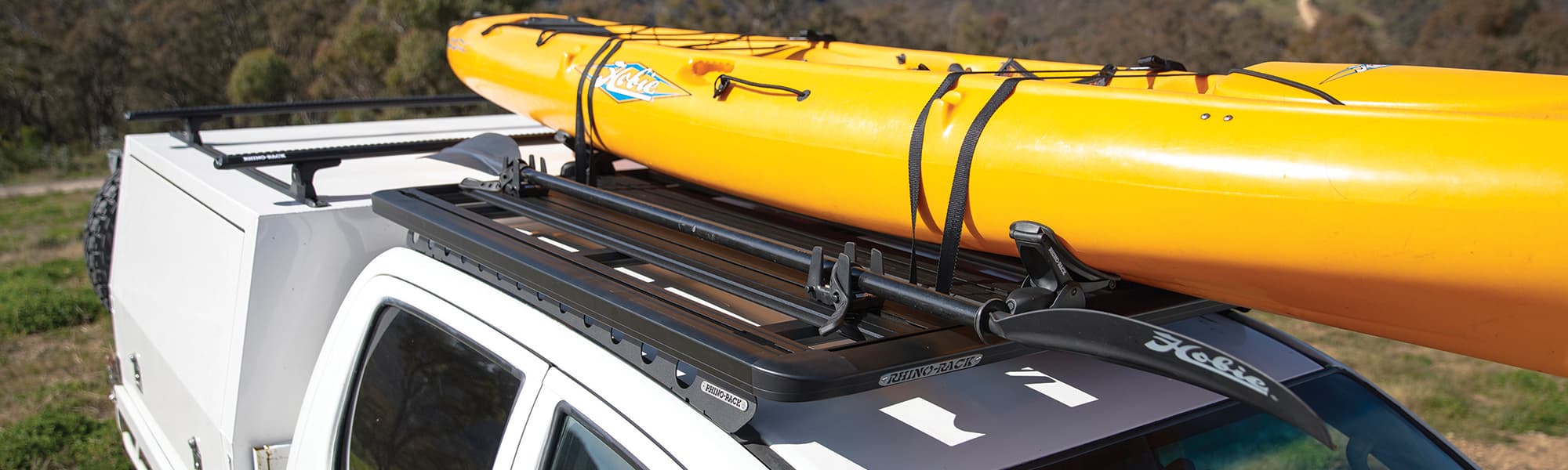
Choosing the right roof rack is essential for carrying your kayak safely. A suitable roof rack ensures stability and protects both your vehicle and kayak. The key is to understand the different types available and match them with your vehicle’s specifications.
Types Of Roof Racks
Roof racks come in various styles, each designed for specific needs.
- Crossbars:These are the most common. They sit horizontally across the car roof.
- J-Cradles:Hold the kayak at an angle, ideal for roof space efficiency.
- Saddles:Provide a cradle-like support, keeping the kayak upright.
- Stackers:Allow multiple kayaks to be stacked on their side.
Consider the benefits and drawbacks of each type. Choose what suits your kayaking needs best.
Compatibility With Your Vehicle
Your vehicle’s design affects roof rack compatibility. Check your car’s roof type: bare, with rails, or with crossbars. Ensure the roof rack fits your vehicle’s specifications.
Measure your roof width and length. Verify the rack’s load capacity. This ensures it can safely carry your kayak’s weight.
Some vehicles require additional fittings or adapters. Ensure these are available and compatible before purchase.
Credit: www.rackwarehouse.com
Preparing Your Kayak
Securing a kayak on a roof rack requires proper alignment and sturdy straps. Position the kayak with the hull facing up. Use cam straps to secure it tightly, preventing movement during travel. Ensure the kayak is centered to maintain balance.
Double-check all connections before setting off.
Preparing your kayak is crucial before placing it on a roof rack. Proper preparation ensures safety during transport and protects your kayak from damage. It involves inspecting, cleaning, and drying your kayak. Each step is vital for a smooth and secure journey.Inspecting For Damage
Start by examining your kayak for any signs of damage. Look for cracks or holes that might worsen during transit. Check the hull and seams for wear and tear. Small issues can become bigger problems on the road. Repair any damage before proceeding. This keeps your kayak safe and ready for the trip.Cleaning And Drying
Clean your kayak thoroughly to remove dirt and debris. Use mild soap and water for an effective clean. Scrub gently to preserve the kayak’s surface. Rinse thoroughly to remove soap residue. Dry the kayak using a clean towel. Ensure all moisture is gone, especially from crevices. A dry kayak prevents mildew and keeps your roof rack clean.Loading Techniques
Discover easy techniques for safely carrying a kayak on a roof rack. Secure the kayak with strong straps. Use padding to protect your car and kayak.
Loading a kayak onto a roof rack requires careful attention. It ensures safety and stability during transport. This guide outlines essential techniques for loading your kayak efficiently.Positioning The Kayak
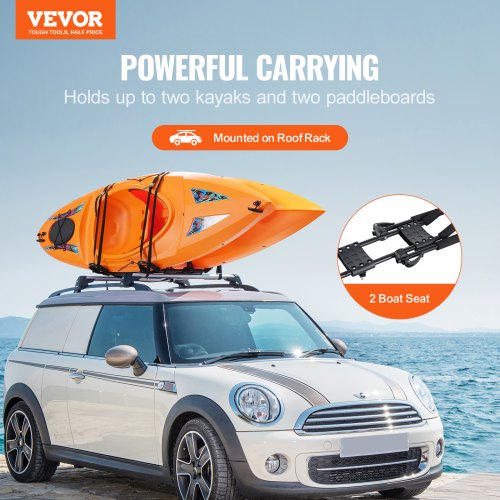
Start by positioning the kayak beside your vehicle. Lift the kayak onto the roof rack with care. Place the kayak with the cockpit facing up. Ensure it is centered on the rack. This helps maintain balance during travel. For taller vehicles, consider using a step stool. It provides extra height and easier access.Securing With Straps
Use strong, weather-resistant straps to secure the kayak. Loop the straps over the kayak and under the roof rack bars. Pull the straps tight to eliminate movement. Ensure the straps are not twisted. This prevents wind noise and increases security. Check the kayak for any wobble or shift. Adjust the straps if needed to ensure stability. Always double-check before hitting the road. Safety is a priority during every journey.Safety Precautions
Ensure your kayak is securely fastened to avoid accidents. Use sturdy straps and double-check their tightness. Always lift with care to protect your back and the kayak from damage.
Transporting a kayak on a roof rack requires careful attention to safety. Ensuring the kayak is secure prevents accidents and damage. Here, safety precautions are key. Follow these guidelines for a safe journey.Ensuring Stability
Start by positioning the kayak correctly on the roof rack. The kayak should sit evenly on both crossbars. Use sturdy straps to tie it down securely. Ratchet straps or cam buckle straps work best. They offer strong and reliable grip. Avoid elastic straps as they can stretch and loosen. Cross the straps over the kayak and attach them to the rack. Pull the straps tight and check for movement. A stable kayak should not shift. Test by lightly shaking the kayak. It should feel firm and immobile.Checking For Loose Items
Before hitting the road, inspect for any loose items. Check the kayak’s compartment for unsecured gear. Loose items can fall off and cause hazards. Ensure that paddles and other equipment are inside the vehicle. If carrying gear on the roof, secure it with additional straps. Consider using a net or bag for small items. Walk around the vehicle and double-check all attachments. Ensure nothing is dangling or at risk of falling. A thorough check ensures a safe and worry-free trip.Driving Considerations
Carrying a kayak on a roof rack introduces unique driving considerations that you should be aware of before hitting the road. The additional load impacts your vehicle’s aerodynamics, handling, and speed capabilities. Understanding these factors can help you drive safely and efficiently.
Impact On Vehicle Handling
Adding a kayak to your roof rack changes your vehicle’s center of gravity, affecting how it handles turns and stops. You may notice your car feels heavier or less responsive. You should adjust your driving style by taking turns more slowly and allowing extra distance for braking. Have you ever felt your car sway more than usual? That’s the kayak altering the dynamics.
Speed Limit Recommendations
Speed limits are not just numbers; they can mean the difference between a smooth ride and a risky drive. While carrying a kayak, it’s wise to stay below the posted speed limit. The kayak creates additional drag, reducing fuel efficiency and making high-speed driving unsafe. You might find that cruising at a lower speed gives you better control and peace of mind. Have you considered how speed impacts your journey? Slowing down might just be the key to a safer trip.
Credit: www.vevor.ca
Maintenance Tips
Secure the kayak with sturdy straps for safe transport. Position the kayak evenly on the roof rack to balance weight. Check connections regularly to avoid shifting during travel.
Maintaining your roof rack is essential to ensure the safety and longevity of your kayak during transport. A well-maintained roof rack not only protects your kayak but also enhances your driving experience by minimizing noise and improving fuel efficiency. Here are some practical maintenance tips to keep your roof rack in top shape.Regular Inspections
Inspect your roof rack regularly for signs of wear and tear. Look for rust, loose bolts, or cracks in the structure. A quick check can prevent potential problems from escalating. Imagine you’re preparing for a long-awaited kayaking trip, only to find your roof rack is compromised. Regular inspections save you from such disappointments.Protecting Against Weather
Weather elements can take a toll on your roof rack. Using a protective cover when your kayak is not in use can shield it from rain, snow, and sun damage. Consider applying a protective coating or wax to metal parts to combat rust. Ask yourself: Is your roof rack equipped to handle the harsh winter or sizzling summer? Taking proactive steps ensures your equipment is always ready for adventure.Troubleshooting Common Issues
Transporting your kayak on a roof rack can sometimes present unexpected challenges. Whether it’s dealing with strange noises or worrying about scratches on your vehicle, these issues can turn a relaxing outdoor adventure into a stress-inducing experience. Fortunately, most of these problems have simple solutions. Let’s dive into some common issues you might encounter and how you can effectively troubleshoot them.
Dealing With Noise
Have you ever noticed a persistent humming or whistling sound while driving with your kayak? This noise is often caused by wind resistance and can be quite distracting. To tackle this, ensure that your kayak is securely fastened. Loose straps can vibrate against the wind, creating those annoying sounds.
Consider adding a wind deflector to your roof rack. This device helps streamline airflow, reducing noise. Alternatively, reposition your kayak to minimize wind resistance. Adjusting the angle or tightening the straps might just be the quick fix you need.
Preventing Scratches
Worried about scratches on your car roof? You’re not alone. Scratches can occur when the kayak or its straps rub against your vehicle’s paint. To prevent this, always use protective padding between the kayak and the roof. Foam blocks or towels can serve as a cushion, reducing the risk of damage.
Ensure that the kayak is properly aligned before tightening the straps. Misalignment can cause the kayak to shift during transit, leading to scratches. Double-check the stability and position of your kayak before hitting the road. Wouldn’t you rather spend more time kayaking than fixing paint damage?
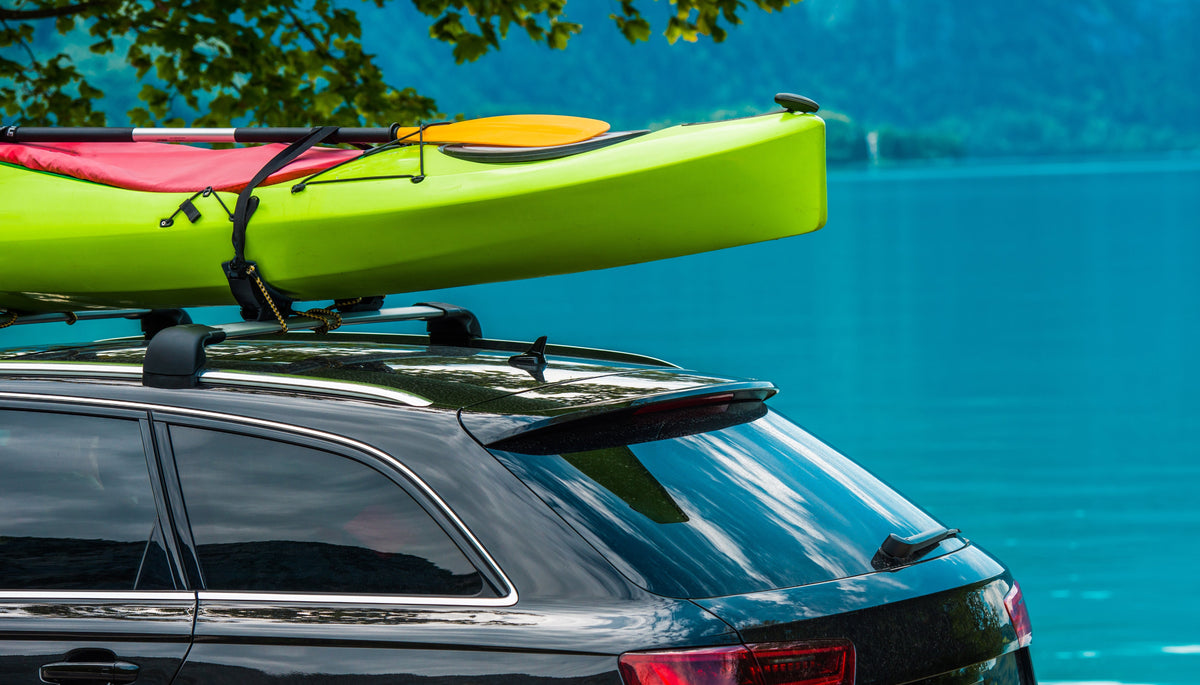
Credit: www.baysports.com.au
Frequently Asked Questions
Can I Put A Kayak Directly On A Roof Rack?
Yes, you can place a kayak directly on a roof rack. Ensure it’s secured with straps to prevent movement. Consider using padding or a kayak carrier for added protection and stability. Always check your vehicle’s roof weight limit and follow safety guidelines during transport.
Which Way Should A Kayak Face On A Roof Rack?
Place the kayak on the roof rack with the hull facing down for stability. Secure it tightly using straps. Ensure the kayak is centered and balanced to prevent movement during transit. This orientation reduces wind resistance and protects the kayak from damage.
Always follow manufacturer guidelines for specific rack systems.
What Is The Easiest Way To Transport A Kayak?
Use a kayak roof rack for easy transportation. Secure it with straps to prevent movement during travel. A cart can help move it to and from the water. Ensure the kayak is balanced and tightly fastened for safe transport. This method is simple and effective.
How Fast Can You Drive With A Kayak On The Roof?
Drive at 55-65 mph with a kayak on the roof for safety. Secure the kayak properly to avoid accidents. Always check local speed limits and road conditions. Maintain a safe distance from other vehicles. Regularly inspect the kayak and straps during the journey to ensure everything remains secure.
Conclusion
Transporting a kayak safely involves careful planning. Start by choosing a sturdy roof rack. Secure the kayak with strong straps. Make sure it’s tight and won’t move. Practice loading and unloading at home first. Check the kayak and straps during travel breaks.
This prevents accidents. Always follow local transport laws. This keeps you and others safe. Enjoying your kayaking adventure starts with safe transport. A little preparation goes a long way. Happy paddling!