
Are you ready to hit the water but unsure how to transport your kayak safely? If you’ve ever struggled with securing your kayak to your car or worried about damaging your vehicle in the process, you’re not alone.
Whether you’re a seasoned paddler or a beginner eager to explore new waters, knowing how to carry kayaks on a car is essential for a seamless adventure. Imagine the peace of mind you’ll feel cruising down the highway, confident that your kayak is securely fastened.
In this guide, you’ll discover straightforward tips and tricks to ensure your kayak stays safe, your car remains scratch-free, and your journey is nothing but enjoyable. Dive in to learn everything you need to know for a stress-free trip to the water.

Credit: www.youtube.com
Choosing The Right Equipment
Selecting the right gear ensures kayaks are safely transported on your car. Roof racks or foam blocks can help secure the kayak. Straps should be tightly fastened to prevent any movement during travel.
Choosing the right equipment for carrying kayaks on your car is crucial. It ensures safety and protects your kayak from damage. With various options available, selecting the best fit can be confusing. Consider factors like your car type, kayak size, and travel frequency. Below, discover essential equipment types and considerations for a smooth kayaking adventure.Types Of Roof Racks
Roof racks are the foundation for carrying kayaks on a car. Different types cater to various needs. Crossbars are the most common, providing a stable platform. They fit most car models and are easy to install. Some cars come with factory-installed crossbars. These are convenient but may have weight limits. Another option is towers and fit kits. They offer more customization. Ideal for cars without pre-installed racks. Always check compatibility with your car model.Kayak Carriers And Accessories
Kayak carriers are crucial for secure transportation. There are several types available. J-cradles hold the kayak on its side. They save space and can carry multiple kayaks. Saddle carriers provide a gentle resting place. They are suitable for heavier kayaks. Foam blocks are a budget-friendly choice. They cushion the kayak and prevent scratches. Straps and tie-downs secure the kayak in place. Ensure they are durable and easy to use. Consider lockable straps for added security.Load Capacity Considerations
Understanding load capacity is vital for safety. Every car and roof rack has a maximum weight limit. Exceeding it can be dangerous and damage your car. Check your car’s manual for its roof load limit. Consider the combined weight of the rack, carrier, and kayak. Choose equipment that suits your kayak’s weight and size. Opt for lightweight materials to stay within safe limits. Regularly inspect your equipment for wear and tear. Replace any damaged parts promptly.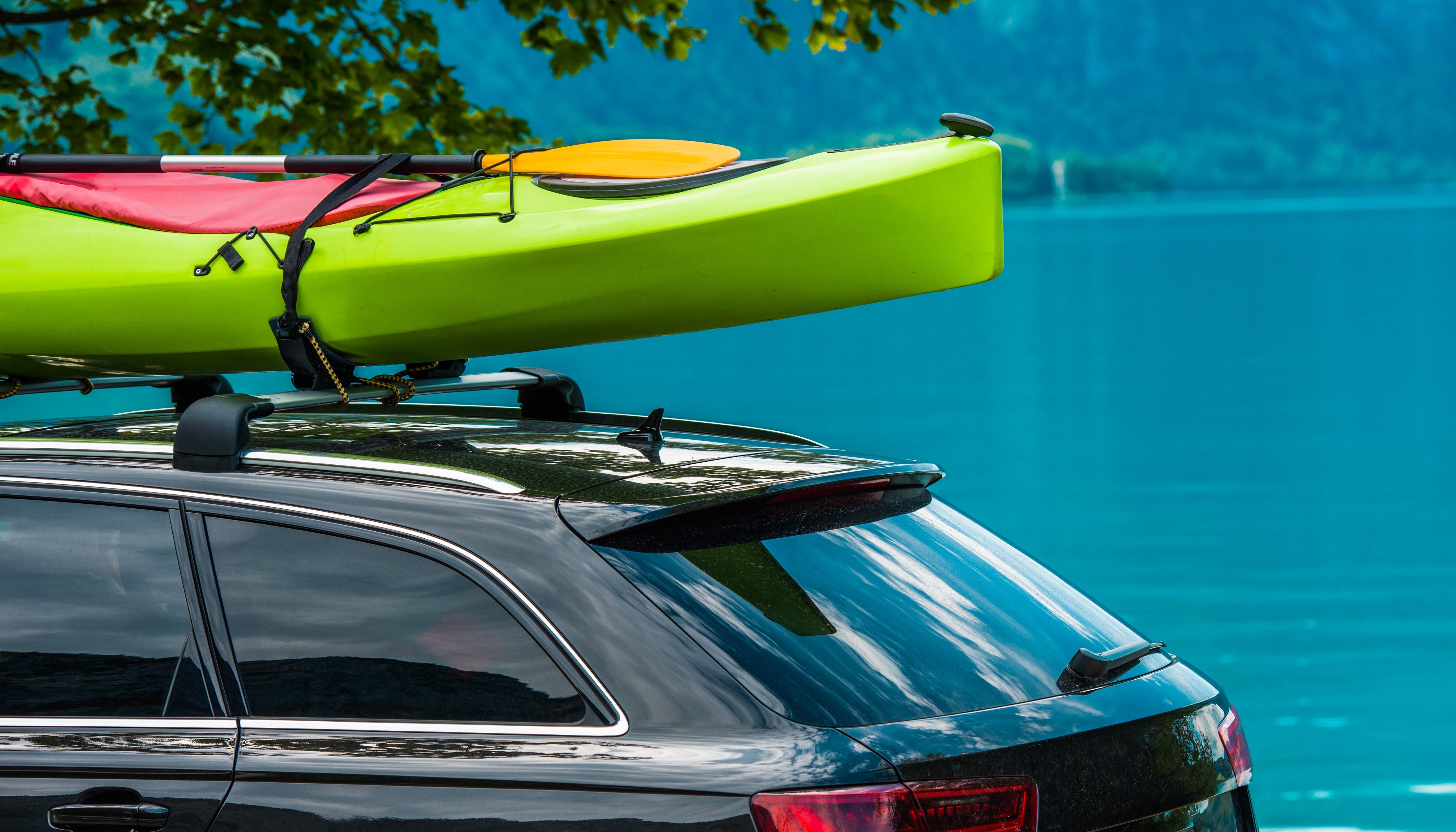
Credit: www.baysports.com.au
Preparing Your Kayak For Transport
Securing a kayak on your car involves using a roof rack and sturdy straps. Ensure the kayak is centered and balanced. Double-check all fastenings to keep the kayak secure during transport.
Preparing your kayak for transport is essential for a safe journey. Proper preparation ensures your kayak remains secure and damage-free. It’s crucial to take time to clean, inspect, and protect your kayak. This attention to detail will make transporting easier and stress-free.Cleaning And Inspecting
Before loading, clean your kayak thoroughly. Remove dirt and debris with a mild detergent. A clean kayak prevents scratches and damage during transport. Inspect for cracks or wear. Check handles and straps for any signs of weakness. Identifying issues early can save time and hassle.Securing Loose Parts
Ensure all parts are secured. Loose paddles or accessories can cause problems. Use straps or bungee cords to tie down items. This prevents them from moving or causing damage. A secure kayak is less likely to shift in transit.Protecting Sensitive Areas
Pay attention to sensitive areas. The hull and cockpit need protection. Use foam padding or towels to cushion these parts. This prevents scratches and dings. Protecting these areas will keep your kayak in top condition.Loading The Kayak Onto The Car
Securely transporting a kayak on a car involves using a sturdy roof rack. Carefully lift the kayak onto the rack, ensuring it is centered. Use straps to tightly fasten it, preventing movement during travel. Regularly check the kayak and straps during the journey to ensure safety.
Loading a kayak onto your car can seem daunting, but with the right techniques, it’s a breeze. Whether you’re heading out for a solo adventure or teaming up with a friend, knowing how to effectively and safely load your kayak is crucial. Let’s dive into the practical methods you can use to get your kayak securely onto your car roof.Solo Loading Techniques
Loading a kayak by yourself requires a bit of strategy and strength. Begin by positioning your kayak parallel to your car. Lift the front end and place it on the rear of your car, using a towel or mat to protect your vehicle’s paint. Once the front is secure, lift the back end and slide it onto your car roof rack. Consider using a kayak roller if you’re struggling with the lift. It’s a handy device that attaches to the rear of your car, allowing you to roll the kayak onto the roof with minimal effort. This tool can save your back and make solo loading much more manageable. Have you ever tried loading your kayak alone and felt overwhelmed? Practice makes perfect, and investing in the right equipment can make the process smoother and safer.Partner Loading Strategies
Loading a kayak with a partner is not only easier but also more fun. Stand on opposite sides of the kayak, with each person at one end. Lift together, coordinating your movements to ensure you don’t accidentally tilt the kayak. Communication is key. Decide who will lead the lift and who will follow. Once the kayak is above the car, gently place it onto the roof rack, ensuring it’s centered and balanced. Using a partner can significantly reduce the risk of injury and equipment damage. Have you ever found that teamwork makes a task more enjoyable and efficient? Loading a kayak is no exception.Using Loading Aids
Loading aids can be a game-changer. Consider using load-assist racks, which come with integrated lifts or extensions that help you mount the kayak onto your car. These devices provide extra leverage and support, making the task less strenuous. Some racks are designed with hydraulic systems that gently lift the kayak for you. While these can be a bit of an investment, they are perfect for frequent kayakers or those with heavier boats. Are you using the right tools to make loading easier? Sometimes, investing in a good loading aid can save you time and effort, letting you focus more on your adventure.Securing The Kayak
Strap down the kayak securely to avoid shifting during transport. Use quality tie-downs and roof racks designed for kayaks. Check stability before driving, ensuring all attachments are tight.
Securing a kayak on your car is vital for safe transport. Properly secured kayaks prevent accidents and protect both your gear and vehicle. This section explores different methods to ensure your kayak stays put during your journey.Strap Types And Uses
Using the right straps is crucial. Cam straps are popular for their ease of use. They provide a strong hold without the risk of over-tightening. Ratchet straps offer excellent tension but require careful handling to avoid damage. Bungee cords are flexible but should not be your main securing method. Always opt for straps designed for hauling kayaks.Tensioning And Adjusting
Proper tensioning keeps your kayak stable. Start by placing the straps over the kayak. Pull them snugly, but not too tight. Tighten the straps evenly on both sides. Ensure the kayak doesn’t shift when you push it. Adjust the tension if necessary until the kayak feels secure. Consistent tensioning is key to stability.Double-checking Stability
Before hitting the road, double-check the kayak’s stability. Gently shake the kayak to test its hold. Look for any movement or loose spots. Verify that all straps are locked and secure. Re-adjust any loose areas immediately. Take a moment to ensure peace of mind. A stable kayak means a safer trip for you and others on the road.Driving With A Kayak
Transporting kayaks on a car requires a secure roof rack system. Straps should be used to fasten the kayak tightly. Always check that the kayak is centered and balanced on the roof.
Driving with a kayak on your car can be an exciting adventure. It adds a new dimension to your journey, but it also requires careful consideration to ensure safety and comfort. Whether you’re a seasoned kayaker or a newbie, understanding the nuances of driving with a kayak is crucial for a smooth and enjoyable trip.Speed And Handling Considerations
When you have a kayak on your car, it’s vital to adjust your speed accordingly. The added weight and wind resistance can significantly affect your car’s handling. A good rule of thumb is to drive slightly slower than usual to maintain control. Pay attention to how your vehicle responds to steering inputs and be prepared for longer braking distances. If you’ve ever driven with a kayak, you’ll know that sharp turns can feel different. Practice smooth, gradual turns to keep everything balanced.Weather And Road Conditions
Weather can dramatically impact your driving experience with a kayak on top. Windy conditions can create extra drag, making your vehicle harder to control. On a particularly gusty day, you might feel your car swaying more than usual. Rain and wet roads demand extra caution. The water can increase the weight of the kayak and affect traction. Always check the forecast and plan your trip when road conditions are favorable for safe travel.Parking And Maneuvering Tips
Finding the right parking spot can be tricky with a kayak on your roof. Look for spots that offer ample space around your vehicle, avoiding low-hanging branches or structures. Do you remember the time you parked under a tree and had to back out carefully to avoid branches? When maneuvering, be mindful of the kayak’s extended length. Backing up requires extra vigilance to avoid obstacles. Consider using a spotter if available to guide you into tight spaces. This added attention can prevent accidents and ensure your kayak remains secure.
Credit: www.baysports.com.au
Safety Precautions
Securely fasten kayaks using roof racks or foam blocks to prevent shifting during transport. Regularly check straps to ensure tightness and avoid loose ends flapping. Position the kayak with the bow facing forward for aerodynamic stability.
Ensuring the safe transport of kayaks on your car is crucial to avoid accidents and damage. It’s not just about strapping the kayak securely; safety precautions play a vital role. You need to be vigilant about several factors. These include regular checks, understanding emergency procedures, and knowing the legal regulations involved. Let’s dive into these important aspects so you can hit the road with confidence.Regular Checks During Transit
It’s easy to assume everything is fine once the kayak is strapped to your car. But, regular checks are crucial. Make it a habit to stop every few hours to inspect the straps and the kayak position. Weather conditions can affect the stability of your kayak, so check it more frequently if you’re driving in windy or rainy weather. Once, I found my kayak slightly shifted during a gusty day, which could have led to a serious mishap. Taking these small precautions can save you from bigger headaches later. Are you willing to risk your adventure for something as simple as a loose strap?Emergency Procedures
Accidents happen, and being prepared is key. Know how to quickly and safely remove the kayak from your car in case of an emergency. Keep a toolkit handy with essential items like a knife to cut straps and a flashlight for visibility. Once, during a night drive, my kayak needed urgent attention. The flashlight was invaluable, ensuring I could fix the issue without risking further problems. Do you have a plan in place for unexpected situations? Being proactive can make all the difference.Legal Regulations And Requirements
Transporting a kayak involves understanding legal requirements. Some states have specific rules about how far your kayak can extend beyond the car. Check local laws to avoid fines or penalties. It’s not just about following the law; it’s about ensuring everyone’s safety on the road. Imagine getting pulled over because your kayak isn’t properly secured—it can ruin your day and your trip. Compliance with regulations is not just a legal obligation; it’s a commitment to safety. Are you familiar with your area’s legal requirements for transporting oversized items?Unloading The Kayak
Transporting kayaks safely begins with using a sturdy roof rack. Properly secure the kayak to avoid shifting during travel. Ensure the straps are tight and check them periodically on longer trips.
Unloading the kayak from your car requires careful attention and planning. Following proper steps ensures the kayak remains in top shape. It also keeps you safe during the process. This section will guide you through safely removing, inspecting, and storing your kayak.Safe Removal Techniques
Before you unload, check your surroundings. Ensure there’s enough space to maneuver. Avoid any obstacles that might interfere with the process. Use a buddy system if possible. Two people can handle the weight better than one. Grip the kayak firmly at both ends. Lift it smoothly to avoid jerking motions. Place it gently on the ground or stand.Post-transport Inspection
Inspect the kayak thoroughly once it’s unloaded. Look for any scratches or dents. Examine the hull for signs of wear. Check the straps and buckles used during transport. Ensure nothing is damaged or missing. A quick inspection prevents future issues. It keeps your kayak ready for its next adventure.Storage Tips
Proper storage maintains the kayak’s condition. Keep it in a cool, dry place. Avoid direct sunlight exposure. Sunlight can cause material to fade or crack. Store it horizontally on racks. Use a cover to shield it from dust and moisture. Follow these tips for a long-lasting kayak.Frequently Asked Questions
What Is The Easiest Way To Transport A Kayak On A Car?
Use a roof rack or kayak carrier for easy transportation. Secure the kayak with straps for stability. Ensure proper weight distribution and follow manufacturer instructions. Choose a carrier compatible with your car’s roof. Always check local laws for transporting kayaks.
Can You Put A Kayak On A Car Without A Roof Rack?
Yes, you can transport a kayak without a roof rack. Use foam blocks, pool noodles, or a soft roof rack. Secure the kayak with strong straps and ensure it’s tightly fastened. Check local laws and vehicle weight limits to ensure safe transportation.
What Is The Best Vehicle For Carrying A Kayak?
The best vehicle for carrying a kayak is an SUV or a truck. These vehicles offer ample roof space and secure rack systems. Choose models with roof rails or crossbars for easy kayak transportation. Always ensure your kayak is securely fastened for safety.
What Is The Best Way To Move A Kayak?
Use a kayak cart to easily transport your kayak on land. Lift with a partner for short distances. Secure it properly on your vehicle roof rack for travel. Always check for stability to prevent damage.
Conclusion
Transporting kayaks on a car doesn’t have to be difficult. Secure them with straps and racks. Ensure they are stable before driving. Double-check connections for safety. Follow these steps for a smooth journey. With practice, loading kayaks becomes quick. Always prioritize safety on the road.
Share these tips with fellow kayak enthusiasts. Get ready for stress-free trips with your kayak. Enjoy the water adventures ahead! Keep exploring new places. Your kayak is your ticket to fun. Safe travels and happy paddling!