Choosing the right length for your kayak paddle is crucial for an enjoyable and efficient paddling experience. Have you ever found yourself struggling to keep up with your friends on the water, or feeling fatigued faster than you should?
The problem might not be your paddling skills—it’s likely your paddle length. A paddle that’s too short or too long can lead to discomfort, inefficiency, and even injury. But don’t worry; you’re about to discover how to select the perfect paddle length tailored just for you.
In this guide, you’ll learn the simple steps to ensure your paddle complements your kayaking style, body size, and boat type. Imagine gliding smoothly through the water, conserving energy, and having more fun. Keep reading to transform your kayaking experience.

Credit: www.instagram.com
Factors Influencing Paddle Length
Choosing the right kayak paddle length is crucial for comfort and efficiency. Several factors influence the ideal length for your paddle. Understanding these can enhance your paddling experience significantly.
Kayak Type And Design
Different kayaks require different paddle lengths. A wider kayak often needs a longer paddle. Narrow kayaks, like those used for racing, require shorter paddles. Design elements impact paddling dynamics. Consider your kayak’s width and purpose when selecting a paddle.
Paddler’s Height
Your height plays a major role in paddle length choice. Taller paddlers generally need longer paddles. Shorter individuals find shorter paddles more manageable. Ensure the paddle suits your height for optimal comfort.
Torso Length Considerations
Torso length affects paddle choice. A longer torso may require a longer paddle. This ensures the blade reaches the water comfortably. Measure your torso for a more personalized paddle fit.
Paddling Style And Technique
Your paddling style influences paddle length. High-angle paddlers often prefer shorter paddles. Low-angle paddlers find longer paddles more effective. Match your technique with the appropriate paddle length for efficiency.

Credit: www.youtube.com
Measuring For The Right Fit
Choosing the right kayak paddle length is crucial. It enhances your paddling efficiency and comfort. A paddle too long can tire you quickly. A paddle too short might compromise your stroke power. To find the perfect fit, consider your height and kayak width. These factors help determine the ideal paddle length.
Using A Paddle Length Chart
Paddle length charts are handy tools. They offer a quick reference to match your height with the appropriate paddle size. Charts take into account kayak width too. Wider kayaks need longer paddles for effective reach. Consult a reliable paddle length chart. It guides you to a paddle that fits your needs.
Diy Paddle Length Measurement
Want to measure paddle length yourself? It’s simple. Stand upright and hold the paddle vertically. The blade’s tip should reach your wrist when your arm is extended overhead. This method ensures the paddle is neither too long nor too short. Adjust as needed for comfort and efficiency.
Adjustable Vs. Fixed-length Paddles
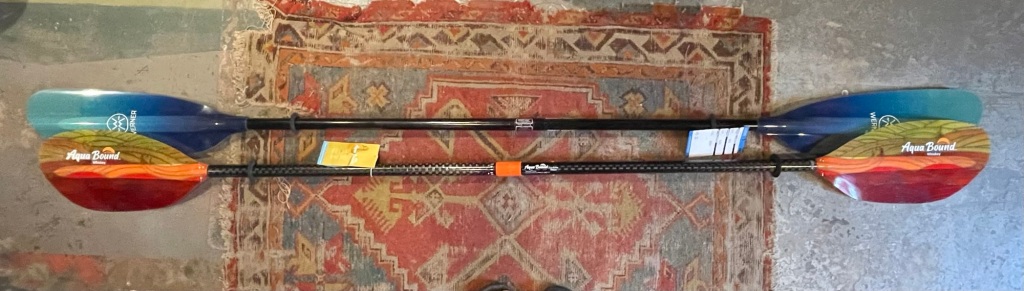
Choosing the right kayak paddle length is essential for comfort and efficiency. Adjustable paddles offer flexibility for different users and conditions. Fixed-length paddles provide consistent performance but require careful selection to match your paddling style and height.
Choosing the right kayak paddle length can greatly enhance your paddling experience. One of the key decisions you’ll make is whether to go with an adjustable or fixed-length paddle. Each type has its unique benefits and suits different paddling needs. Understanding these differences can help you make the most informed choice for your kayaking adventures.Benefits Of Adjustable Paddles
Adjustable paddles offer flexibility that can be a game changer. They allow you to modify the length based on your paddling conditions or if you switch between different kayaks. This adaptability makes them perfect for those who often paddle in diverse environments or share their gear with others. Imagine you’re out on a calm lake one day and tackling a river the next. With an adjustable paddle, you can easily tweak the length to suit the water conditions. Plus, if you’re a beginner, you can experiment with different lengths to find your sweet spot without purchasing multiple paddles.When To Choose Fixed-length
Fixed-length paddles are ideal if you prioritize performance and efficiency. They tend to be lighter and more robust, as they lack the additional components needed for adjustability. This can make a noticeable difference on long paddling trips where every ounce counts. If you’re a seasoned paddler who sticks to a specific type of waterway, a fixed-length paddle might be your best bet. They offer a consistent feel, which can improve your stroke technique over time. Also, if you have a preferred length that you always use, why not stick with the simplicity of a fixed paddle? When selecting your paddle, consider how often you paddle in different environments and how important weight is to you. Are you the kind of paddler who values flexibility, or do you prefer the streamlined efficiency of a fixed paddle? Let your personal paddling style guide your choice.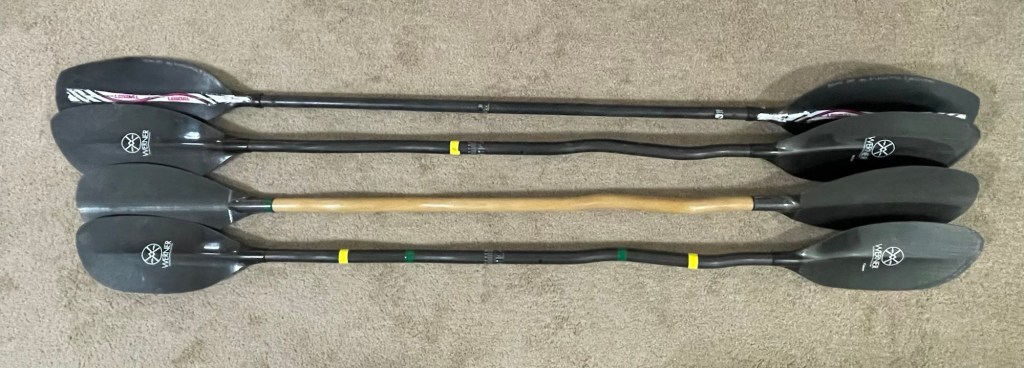
Credit: kitchi-gami.com
Material And Weight Considerations
Choosing the right kayak paddle length involves considering material and weight. Lightweight paddles reduce fatigue, enhancing performance during long trips. Opt for durable materials like carbon fiber for strength without extra weight.
Choosing the right kayak paddle isn’t just about length. The material and weight of the paddle play a crucial role in your kayaking experience. Lightweight materials can enhance your endurance, while durable options ensure your paddle lasts longer. But how do these factors influence the right paddle length for you? Let’s dive into the specifics of material and weight considerations.Impact On Paddle Length Choice
The material of your paddle can affect its weight, which in turn influences the length you might choose. Lighter materials like carbon fiber make longer paddles easier to handle, especially during extended trips. On the flip side, heavier materials might necessitate a shorter paddle to reduce fatigue. Imagine you’re on a day-long kayaking trip. A paddle that’s too long and heavy can quickly turn into a burden, weighing down your strokes and sapping your energy. Opting for a lightweight material lets you maintain a longer paddle without feeling the strain.Balancing Durability And Comfort
Durability often comes with added weight, especially with materials like aluminum or plastic. While these are great for rugged conditions, they might compromise comfort if not chosen wisely. You need a balance between a paddle that withstands the elements and one that feels comfortable in your hands. Consider the conditions you usually kayak in. If you’re battling rocky waters, a more durable paddle might be necessary. But if comfort and ease are your priorities, look for materials that offer both lightness and strength, like fiberglass. Are you willing to trade a bit of weight for a paddle that lasts longer? Or is comfort your main concern? Reflect on your priorities and choose a paddle material that aligns with your kayaking style. Ultimately, your choice should reflect both the environments you navigate and your personal preferences. With the right balance, you’ll find a paddle that enhances every stroke, making each kayaking adventure more enjoyable.Common Mistakes To Avoid
Choosing the wrong kayak paddle length can impact your paddling experience. Avoid guessing based on height alone. Consider your kayak’s width and paddling style for the best fit.
Choosing the right kayak paddle length is crucial for comfort and efficiency. Many paddlers make common mistakes that can affect their kayaking experience. Understanding these pitfalls helps in making a better decision. Here are some common mistakes to avoid.Ignoring Personal Comfort
Many people focus solely on technical specifications. They forget personal comfort is key. A paddle that’s too long or too short can cause discomfort. It may lead to muscle strain or fatigue. Always test the paddle length before buying. Consider your paddling style and personal strength. Ensure the grip feels right in your hands.Overlooking Kayak Width
Paddle length also depends on the kayak’s width. Wider kayaks need longer paddles. Many paddlers overlook this factor. Using a short paddle with a wide kayak is inefficient. It can make paddling difficult and tiring. Always match the paddle length to the kayak’s width. This ensures better control and performance on the water.Expert Recommendations
Choosing the right kayak paddle length can significantly improve your paddling experience. Expert recommendations offer valuable insights, helping you make informed decisions. Professional paddlers share their tips, ensuring you select a paddle that suits your needs.
Tips From Professional Paddlers
Professional paddlers emphasize the importance of comfort and efficiency. A paddle that’s too long can cause strain, while a short one may reduce speed. Measure your torso height for a more accurate paddle length. Consider your paddling style—high-angle paddlers often prefer shorter paddles. Low-angle paddlers may benefit from longer ones.
Choosing For Specific Water Conditions
Different water conditions demand different paddle lengths. Calm lakes may require longer paddles for steady strokes. Whitewater conditions often call for shorter paddles, offering better control. In windy seas, a mid-length paddle can help maintain balance. Evaluate the water conditions before selecting your paddle length.
Frequently Asked Questions
How To Determine Correct Kayak Paddle Length?
To choose the correct kayak paddle length, consider your height and kayak width. Taller individuals need longer paddles. Narrow kayaks typically require shorter paddles. Use a paddle size chart or consult a professional for precise measurement. Proper paddle length improves efficiency and comfort during kayaking.
What Are The Three Golden Rules Of Kayaking?
The three golden rules of kayaking are: always wear a life jacket, know your limits, and stay aware of weather conditions.
Do I Need A Longer Kayak Paddle?
Consider your height and kayak width to determine paddle length. Taller individuals and wider kayaks need longer paddles. A suitable paddle enhances comfort and efficiency. Test different lengths to find the best fit for your kayaking style. Proper paddle sizing prevents strain and improves your paddling experience.
How Do You Measure Yourself For A Paddle?
Stand up straight and measure from your feet to your nose. Choose a paddle matching this length for comfort. Ensure the paddle fits your skill level and paddling type. Adjustable paddles offer flexibility, while fixed length paddles provide stability. Always test before buying for the best fit.
Conclusion
Choosing the right kayak paddle length enhances your paddling experience. Comfortable grip and efficient strokes make all the difference. Consider your height and kayak width. Test different lengths to find what feels best. Adjustable paddles offer flexibility for varied conditions.
Remember, the right paddle reduces fatigue. Enjoy longer, smoother rides on water. Prioritize comfort and control over anything else. Always keep your paddling style in mind. A well-chosen paddle adds pleasure to every adventure. Stay informed and make a choice that suits your needs.
Happy paddling!