
Imagine gliding quietly across a serene lake, the gentle ripple of water beneath you, and the thrill of a potential catch just below the surface. Kayak fishing offers a unique blend of adventure and tranquility, perfect for both seasoned anglers and beginners alike.
But how do you get started? How can you ensure your day on the water is successful and enjoyable? In this guide, we’ll reveal simple, effective strategies to help you master the art of fishing from a kayak. Whether you’re looking to enhance your fishing skills or find a new way to connect with nature, this article will provide the insights you need.
Stay with us, and by the end, you’ll be ready to embark on your own kayak fishing adventure with confidence.
Choosing The Right Kayak
Selecting the right kayak is essential for fishing success. Consider stability, storage, and comfort to enhance your experience. Opt for kayaks with space for gear and easy maneuverability.
Choosing the right kayak is crucial for a successful fishing trip. A kayak must be stable, comfortable, and suitable for your fishing needs. Picking the wrong one can make your adventure less enjoyable. Consider the type of water, your fishing style, and storage needs. These factors will guide you in selecting the best kayak.Types Of Kayaks For Fishing
Fishing kayaks come in different types. Sit-on-top kayaks are popular. They offer easy access and stability. They’re great for warm waters. Sit-in kayaks provide better protection from cold. They are more suitable for cooler climates. Inflatable kayaks are lightweight and portable. They’re perfect for easy transport. Each type suits different fishing environments.Key Features To Consider
Look for stability in a kayak. It helps in standing while fishing. Stability prevents tipping over in rough waters. Comfort is essential for long trips. Check for adjustable seats and footrests. Storage space is vital. You need room for gear and catches. Consider the weight capacity of the kayak. It should support you and your equipment. A good kayak has rod holders and mounts. They make fishing more convenient. Paddle holders are also useful. They keep your hands free while fishing.Essential Gear And Equipment
Fishing in a kayak requires essential gear like a sturdy paddle, life vest, and fishing rod holders. A comfortable seat and waterproof storage for your catches enhance the experience. Consider lightweight, easy-to-carry equipment for smooth trips on the water.
Kayak fishing offers a unique blend of adventure and serenity, allowing you to explore hidden waterways while reeling in your next big catch. However, success on the water requires more than just enthusiasm. Your gear and equipment can make or break your experience, transforming a leisurely day into a memorable fishing adventure. Let’s dive into the essentials you need to ensure your kayak fishing trip is both safe and productive.Fishing Rods And Reels
Investing in the right fishing rod and reel is crucial for a successful kayak fishing trip. Opt for a lightweight, compact rod that won’t weigh you down. A shorter rod is easier to maneuver in tight spaces. Consider a spinning reel for its versatility and ease of use. Pairing the right rod and reel can enhance your casting ability and ensure a smooth retrieval.Safety Equipment
Safety should be a top priority when fishing from a kayak. Always wear a personal flotation device (PFD) that fits comfortably and provides adequate buoyancy. Equip your kayak with a whistle or signaling device to alert others if you need help. Bring a first aid kit for minor injuries; it’s better to be prepared than regretful.Storage Solutions
Maximize your kayak’s storage space to keep your gear organized and easily accessible. Use waterproof bags or containers to protect your equipment from splashes. Consider adding a tackle box with compartments for lures, hooks, and other essentials. Attach gear tracks or bungee cords to secure items, ensuring nothing gets lost or damaged during your adventure. What might you discover with the right gear on your next kayak fishing trip?Kayak Fishing Techniques
Kayak fishing blends paddling skills with angling techniques for a thrilling experience on the water. Position your kayak quietly to avoid scaring fish, and use light tackle for better control. Cast near structures like rocks or vegetation where fish often hide.
Kayak fishing combines the thrill of paddling with the serenity of angling, offering a unique way to engage with nature. Whether you’re navigating tranquil lakes or open seas, mastering the right techniques is essential for a successful outing. Here, we dive into some essential kayak fishing techniques that will enhance your experience and improve your catch rate.Casting From A Kayak
Casting from a kayak requires a balance between stability and reach. Sit comfortably and use your core for support. Keep your elbows close to your body to maintain stability, especially if the water is choppy. A side-arm cast is often more effective than over-the-shoulder in a kayak due to space constraints. Practice makes perfect—consider spending some time in a calm area to refine your casting techniques before tackling more challenging environments.Handling Fish On Board
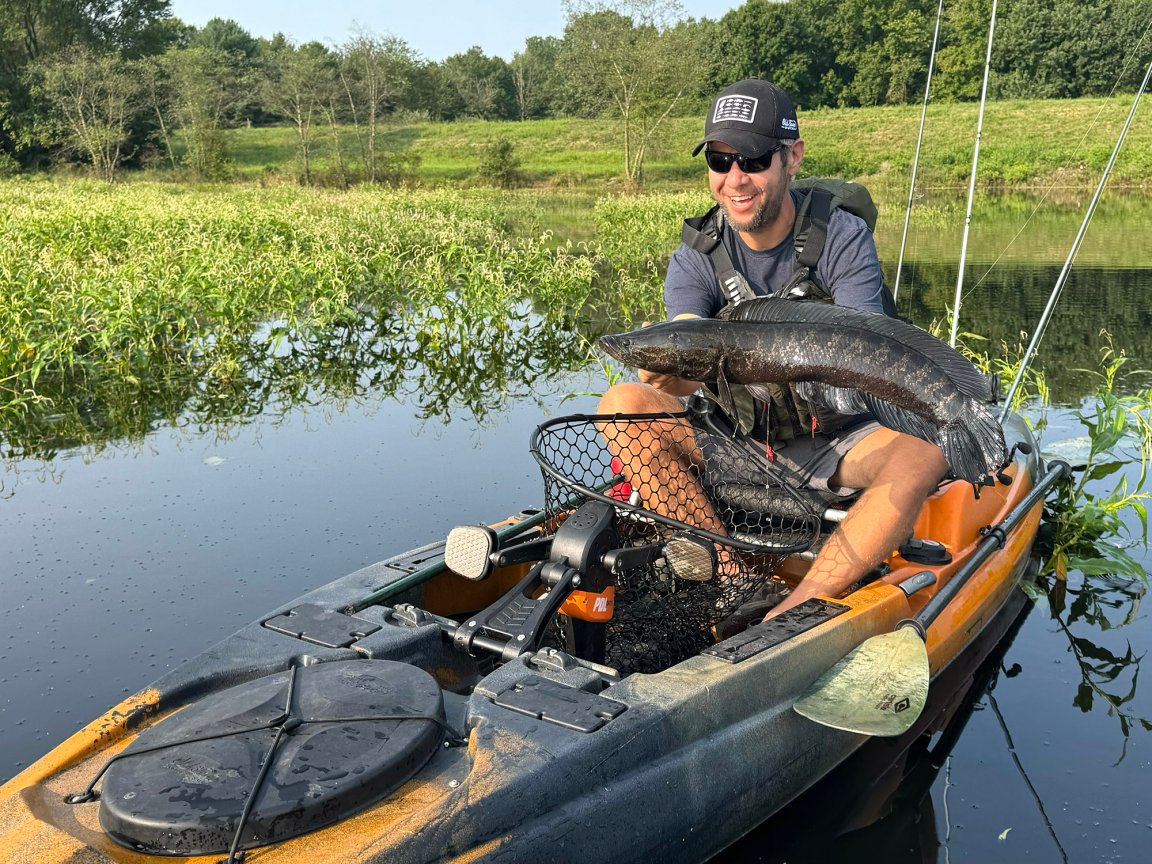
Handling fish on a kayak can be tricky, but preparation is key. Always have a net within easy reach to avoid wrestling with a slippery catch. Keep a small towel handy to improve your grip on the fish, which also helps to protect the fish’s scales and slime coat. Consider using a fish gripper tool for added safety, especially with larger or more energetic fish. Remember, the goal is a safe release for both you and the fish.Anchoring And Positioning
Anchoring your kayak correctly can make or break your fishing session. Use a small kayak anchor and deploy it from the bow or stern to maintain direction. Positioning is about understanding the water’s flow and the fish’s behavior—study your location and adjust your anchor point accordingly. If you’re fishing in a current, a drift chute can help slow your kayak’s movement, allowing you to focus on your line rather than constantly paddling. Are you ready to transform your kayak fishing experience with these techniques? Implementing these strategies will not only enhance your skills but also deepen your connection with the water and its inhabitants. Happy fishing!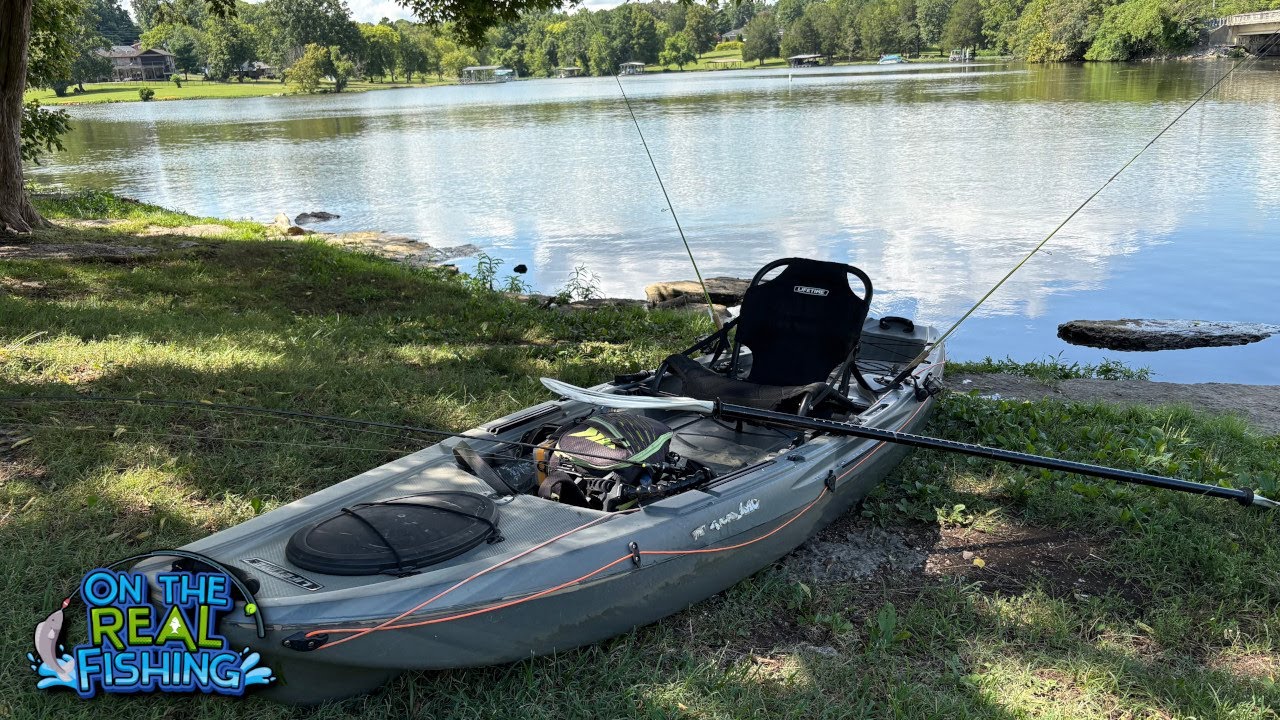
Credit: www.youtube.com
Safety Tips For Kayak Fishing
Fishing from a kayak requires attention to safety. Wear a life jacket and choose stable waters. Keep your gear organized and use a waterproof bag for essentials. Learn basic paddling skills and always check the weather forecast before heading out.
Kayak fishing is an exciting and rewarding hobby, but it requires careful attention to safety. Being out on the water in a kayak exposes you to elements and situations that can be unpredictable. Your adventure can quickly turn sour if you overlook safety precautions. Are you prepared to handle unexpected weather changes or emergencies? Let’s explore essential safety tips to ensure your kayak fishing experience remains enjoyable and secure.Weather Considerations
Understanding weather patterns is crucial before you set out on your kayak fishing trip. Always check the weather forecast for sudden changes that could affect your safety on the water. A calm morning can quickly evolve into a windy afternoon, making paddling challenging and dangerous. Consider downloading a reliable weather app to receive real-time updates. This can be a lifesaver, helping you make informed decisions about whether to continue fishing or head back to shore. Have you ever been caught in a sudden storm? Preparation can prevent such harrowing experiences.Life Jacket Importance
Wearing a life jacket is non-negotiable when kayak fishing. It might seem like a hassle, but it’s an essential safety measure that can save your life. Even if you’re a strong swimmer, unexpected accidents, such as getting knocked out by a large fish or tipping your kayak, can happen. Choose a life jacket that is comfortable and allows you to move freely while fishing. Many anglers find it helpful to test their life jackets in the water before a trip to ensure they fit well and work effectively. Can you afford to take a risk without wearing one?Emergency Procedures
Being prepared for emergencies can make a significant difference in how you handle unexpected situations. Have a plan in place, and make sure it’s simple and easy to follow. Know how to contact local emergency services and keep a fully charged mobile phone in a waterproof case. It’s also wise to carry a whistle or a signaling device to attract attention if you need help. Practicing self-rescue techniques can boost your confidence and readiness. When was the last time you reviewed your emergency procedures? Staying proactive ensures you’re ready for anything.Best Locations For Kayak Fishing
Explore serene lakes, coastal waters, and calm rivers for kayak fishing. Enjoy quiet spots where fish are abundant. Ideal locations include Florida’s coastal areas, Michigan’s Great Lakes, and California’s rivers.
Kayak fishing is an exciting way to connect with nature and explore new waters. Choosing the right location can make all the difference. The best spots for kayak fishing offer calm waters, abundant fish, and scenic views. Whether you prefer freshwater or saltwater, there are amazing places waiting to be discovered. Understanding local regulations ensures a successful and responsible fishing adventure.Freshwater Spots
Lakes and rivers provide excellent opportunities for kayak fishing. Look for calm waters with minimal boat traffic. Large lakes often have diverse fish populations. Bass, trout, and catfish are popular catches. Rivers offer dynamic fishing experiences. They have varied currents and habitats. Seek spots with deep pools or shaded areas. These spots can hold more fish. Quiet ponds are great for beginners. They usually have less wind and are easier to navigate.Saltwater Hotspots
Coastal areas are prime for saltwater kayak fishing. Bays and estuaries are ideal. They offer sheltered waters and rich marine life. Target species like redfish, flounder, and snook. Inlets and channels can be productive. Fish often gather here for food. Look for areas with mangroves or seagrasses. These environments attract fish seeking cover. Offshore kayaking is for experienced anglers. Deep-sea fishing offers bigger catches. Safety precautions are crucial in open waters.Local Regulations
Before heading out, check local fishing laws. Regulations vary by location and water type. Obtain necessary permits or licenses. Review catch limits and size restrictions. Some areas have seasonal closures. This protects fish during spawning times. Be aware of protected species. Certain fish may be off-limits. Respect private property signs. Accessing private land without permission is illegal. Following rules helps preserve ecosystems for future generations.
Credit: www.floridasportsman.com
Seasonal Fishing Tips
Fishing from a kayak offers a unique and intimate experience with nature. However, as the seasons change, so do the strategies that will lead to a successful catch. Understanding seasonal shifts can dramatically improve your fishing game, ensuring you make the most of your time on the water. Below are some seasonal tips to help you adapt and thrive in your kayak fishing adventures.
Spring And Summer Strategies
Spring is a time of renewal, and fish are often more active as they emerge from their winter slumber. Focus on shallow waters where the sun warms the surface, attracting fish looking to feed. Use bright lures to mimic the vibrant underwater life.
Summer brings its own challenges with the heat. Fish tend to seek cooler, deeper waters during midday. Consider fishing early morning or late evening when the temperatures drop. Adjust your strategy by using slower retrieval methods to entice fish that might be sluggish due to the heat.
Fall And Winter Approaches
Fall is a time of transition. Fish begin to feed more aggressively to prepare for the colder months. This is an excellent time to use faster retrieval techniques and larger baits to attract bigger catches. Monitor the water temperature closely as it can dictate fish behavior.
Winter requires patience and precision. Fish are less active, so you need to slow down your approach. Focus on deeper waters where fish seek warmth. Consider using bait that mimics winter prey like small minnows. What are your go-to strategies for winter fishing from a kayak?
Conservation And Etiquette
Fishing from a kayak offers a unique experience that combines the thrill of the catch with the tranquility of nature. However, as much as it is about enjoying the sport, it’s equally important to prioritize conservation and etiquette. These practices not only help preserve the environment but also ensure that future generations can enjoy the same beauty and abundance.
Catch And Release Practices
As you cast your line, remember that catch and release is more than just letting a fish swim free. It’s about ensuring the fish’s survival after release. Use barbless hooks and wet your hands before handling fish to protect their delicate scales. Avoid keeping fish out of the water for too long; a good rule of thumb is to release it within 30 seconds. Consider the impact of your actions. How can you adjust your technique to minimize harm?
Respecting Wildlife And Habitat
While paddling through serene waters, you’re sharing the space with a host of wildlife. Respect their home by keeping noise levels low and avoiding sudden movements that could disturb their natural behavior. Be mindful of nesting areas and steer clear to avoid causing stress to the animals. Always pack out what you pack in. Your actions can either preserve or destroy the environment. Which path will you choose?
Credit: www.outdoorlife.com
Frequently Asked Questions
How To Fish From A Kayak For Beginners?
Start by choosing a stable kayak and essential gear. Practice casting while seated and use lightweight tackle. Paddle quietly to avoid scaring fish. Secure your kayak with an anchor or drift slowly. Always wear a life jacket for safety. Enjoy fishing in calm waters for better results.
Is It Hard To Fish In A Kayak?
Fishing in a kayak is challenging but rewarding. Stability and maneuverability require practice. Beginners should start in calm waters. Use compact gear and learn proper paddle techniques. Safety gear is essential for a successful experience. With time, fishing from a kayak becomes enjoyable and offers great opportunities to catch fish.
Do Fishing Kayaks Flip Easily?
Fishing kayaks are designed for stability, making them less likely to flip. Use proper balance and technique. Ensure even weight distribution and avoid sudden movements for safer kayaking. Always wear a life jacket and practice in calm waters to prevent tipping.
Can You Fish From A Regular Kayak?
Yes, you can fish from a regular kayak. Ensure your kayak is stable and equipped with basic fishing gear. Choose a calm water location for safety. Always wear a life jacket and follow local fishing regulations.
Conclusion
Fishing from a kayak offers a unique adventure. You connect with nature closely. The quiet water enhances your experience. Remember to prioritize safety always. Wear your life jacket and check the weather. Pack only essential gear to avoid clutter. Practice paddling to improve your skills.
Enjoy the peaceful moments on the water. Every trip can teach you something new. Share your experiences with fellow enthusiasts. With patience and practice, you’ll become more confident. Kayak fishing can be your new favorite hobby. Enjoy the journey and the thrill of the catch!