
Imagine this: a sunny day, the gentle lapping of waves against the shore, and you, gliding effortlessly across the water in a kayak. Sounds idyllic, right?
If you’re new to kayaking, the thought of getting into one might seem a bit daunting. But don’t worry; you’re not alone. Many beginners feel the same way. The good news is that with a few simple tips, you can easily master the art of getting into a kayak.
This skill is your first step towards countless adventures on the water. Are you ready to dive in and discover how easy it can be? Let’s get started!

Credit: www.facebook.com
Choosing The Right Kayak
Getting into a kayak involves positioning it parallel to the shore and stepping one foot inside, then the other. Holding the paddle for balance helps stabilize the kayak, ensuring a steady entry. Practicing on calm waters boosts confidence and control for beginners.
Choosing the right kayak is crucial for a great experience. It affects your comfort and safety on the water. With various options, understanding key factors helps you decide.Types Of Kayaks
Kayaks come in different types for various activities. Recreational kayaks are stable and easy to use. They are ideal for calm waters. Touring kayaks are longer and glide well. They’re suitable for long distances. Whitewater kayaks are short and maneuverable. They handle rough waters. Sit-on-top kayaks are user-friendly and offer freedom. Perfect for beginners and warm weather.Material Considerations
Kayaks are made from different materials. Each has its own benefits. Plastic kayaks are affordable and durable. They withstand rough handling. Fiberglass kayaks are lightweight and perform well. They are more fragile, though. Composite kayaks combine materials for strength and weight. They’re high-end choices. Inflatable kayaks are portable and easy to store. They suit travelers with limited space.Size And Weight Factors
The size and weight of a kayak affect your experience. Longer kayaks track straight and move faster. Shorter ones turn easily. Consider your strength when choosing weight. Heavier kayaks may be hard to transport. Light kayaks are easier to carry. They might cost more. Test different sizes to find your comfort level. Your choice depends on personal preference and intended use.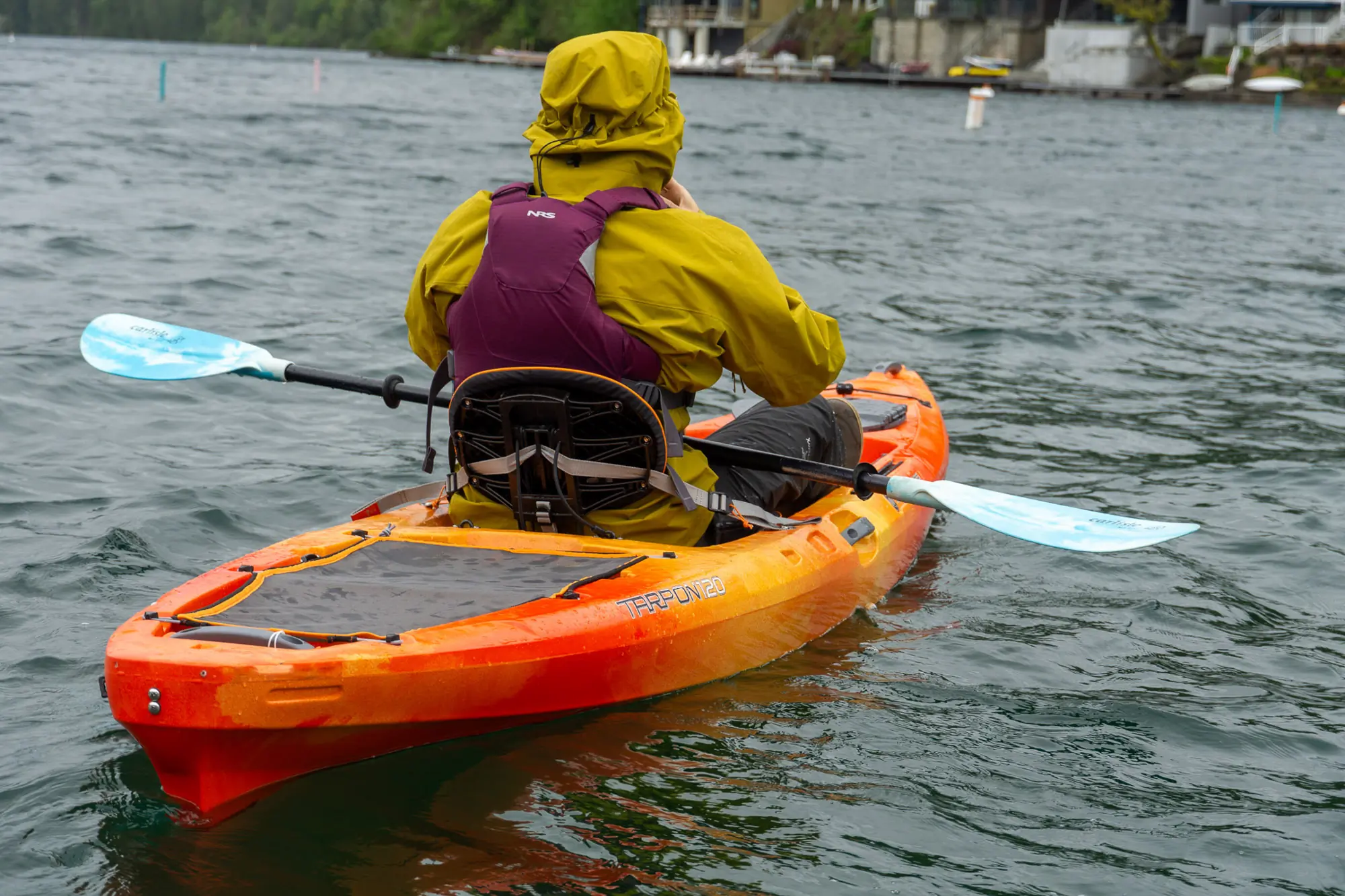
Credit: gearjunkie.com
Essential Gear And Accessories
Getting into a kayak for the first time can be an exhilarating experience, but ensuring you have the right gear and accessories is crucial for a safe and enjoyable adventure. As a beginner, you might wonder what essentials you need to have on hand. Investing in quality gear will not only enhance your kayaking experience but also keep you safe as you navigate the waters.
Life Jackets And Safety Equipment
Safety is paramount when kayaking, so a life jacket is your best friend on the water. Choose a life jacket that fits snugly but comfortably, ensuring it’s Coast Guard-approved for peace of mind. Whether you’re gliding through calm lakes or tackling ocean waves, it’s essential to have a whistle attached to your jacket for signaling help if needed. A personal story worth noting: during my first kayaking trip, the whistle came in handy when thick fog rolled in unexpectedly, and I needed to signal my friends.
Paddle Selection
Your paddle is not just a tool; it’s your connection to the water. Selecting the right paddle can make all the difference in your kayaking experience. Consider the length and material—a lightweight paddle reduces fatigue, allowing for longer paddling sessions. I learned firsthand that a well-chosen paddle made navigating choppy waters easier, enhancing my control and speed. What kind of paddle suits your style and strength?
Comfortable Clothing
Dressing appropriately can significantly impact your comfort while kayaking. Opt for quick-drying fabrics that keep you warm and dry, even if you get splashed. A personal insight: layering clothing saved me from chills when the weather turned unexpectedly cooler during an early morning trip. Also, don’t forget to bring a hat and sunglasses for sun protection. What clothing choices make you feel ready to conquer the waters?
Preparing For Your Kayak Adventure
Gently place your kayak in shallow water. Hold the paddle across the cockpit for balance. Slowly lower yourself in, keeping weight centered to avoid tipping.
Embarking on a kayaking journey is an exciting adventure, especially for beginners. Proper preparation is key to ensuring a fun and safe experience. By taking the time to plan ahead, you set the stage for a successful day on the water. Whether you’re paddling through calm lakes or navigating gentle rivers, preparation is your best companion.Checking Weather Conditions
Before heading out, always check the weather forecast. Sudden storms or strong winds can turn a peaceful kayaking trip into a risky endeavor. Use reliable weather apps or websites to get up-to-date information. A bright sunny day might seem perfect, but consider how heat and sun exposure will affect your trip. Carrying sunscreen and a hat can make a difference.Planning Your Route
Mapping out your route beforehand is essential. Identify your starting point, rest spots, and endpoint. This not only helps in navigation but also ensures you’re aware of any potential challenges along the way. If you’re not familiar with the area, local kayaking groups or forums can provide valuable insights. They can suggest routes that match your skill level.Understanding Water Conditions
Different water bodies have unique characteristics. Researching water conditions, like currents and tides, is crucial. For instance, a lake might be calm in the morning but get choppy in the afternoon. Speak to locals or check online resources for insights into the specific water conditions of your chosen location. This knowledge can prevent unexpected surprises during your adventure. Are you ready to take on the waters with confidence? Preparation is your ticket to an unforgettable kayaking experience.Learning Basic Kayaking Techniques
Learning basic kayaking techniques is essential for beginners. It ensures a safe and enjoyable experience on the water. By understanding the fundamentals, you can boost your confidence and have more fun paddling.
Proper Posture And Balance
Good posture is vital for effective kayaking. Sit upright with your back straight. Keep your feet comfortably on the footrests. Your knees should be slightly bent. This posture helps maintain balance and control.
Distribute your weight evenly. It keeps the kayak steady. If you lean too much to one side, the kayak might tip. Focus on staying centered in the kayak.
Effective Paddling Methods
Paddling efficiently saves energy. Hold the paddle with both hands, slightly wider than shoulder-width apart. Dip the paddle blade fully into the water.
Use your torso to drive the paddle. Rotate your upper body as you paddle. This technique gives more power to your strokes.
Alternate sides with each stroke. It keeps the kayak moving straight. Practice makes your strokes smoother and more controlled.
Turning And Maneuvering
Turning the kayak is important. To turn left, paddle on the right side. For a right turn, paddle on the left side.
For sharper turns, use a sweep stroke. Extend the paddle outwards. Sweep in a wide arc from front to back.
Practice maneuvering in calm waters. It builds confidence. Soon, you’ll handle your kayak with ease.
Entering And Exiting The Kayak
Steady the kayak by holding onto the sides. Place one foot inside, then carefully shift your weight. Sit down gently and adjust your balance before paddling away.
Entering and exiting a kayak can be a thrilling yet challenging experience for beginners. Mastering these skills is essential for ensuring both safety and enjoyment on your kayaking adventures. Whether launching from the shore, getting in from a dock, or ensuring a safe exit, these techniques will help you start and end your kayaking journey on a positive note.Launching From Shore
Begin by positioning your kayak parallel to the shore, with the bow facing out towards the water. Sit on the shoreline next to your kayak and place your paddle across the kayak’s deck, perpendicular to the kayak, with one blade on the ground for stability. Slide into the seat while maintaining balance, then use your paddle to push away from the shore as you slowly start paddling.Getting In From A Dock
Align the kayak parallel to the dock, ensuring it’s stable with the help of a friend if needed. Place your paddle across the kayak for balance, similar to a tightrope walker using a balancing pole. With one foot in the kayak and one hand holding the dock, carefully lower yourself into the seat, then bring the other foot inside.Exiting Safely
When returning to shore, approach slowly and parallel to the shore or dock. Use your paddle to stabilize the kayak as you shift your weight towards the exit point. Carefully step out, using the paddle for balance, and ensure you’re on solid ground before fully standing up. Remember, practice makes perfect, so don’t be discouraged if it takes a few tries to get comfortable. What’s the most challenging part for you when entering or exiting a kayak?Safety Tips For Beginners
Getting into a kayak can be tricky for beginners. Start by placing the kayak parallel to the shore. Then, sit inside gently, balancing your weight to avoid tipping over. Keep your paddle within reach for a smooth start.
Getting into a kayak for the first time can be both exciting and a bit daunting. While you might be eager to paddle away and explore the waters, safety should always be your top priority. Understanding the basic safety tips can make your kayaking experience not only enjoyable but also secure. Here’s how you can ensure safety as a beginner.Avoiding Common Mistakes
One common mistake beginners make is underestimating the importance of a life jacket. Always wear a properly fitted life jacket, even if you’re a strong swimmer. Another frequent error is not checking weather conditions. Calm waters can quickly become hazardous with unexpected winds or rain. Make sure your kayak is suitable for your skill level. Starting with a stable, beginner-friendly kayak can prevent many mishaps.Handling Emergencies
Being prepared for emergencies can be a lifesaver. Keep a whistle attached to your life jacket; it’s a simple tool for signaling if you need help. Carrying a waterproof bag with essentials like a first aid kit and a flashlight can be invaluable. Practice flipping your kayak and getting back in safely. This might seem daunting, but knowing how to recover can boost your confidence significantly.Staying Aware Of Surroundings
Always keep an eye on your surroundings. Stay alert to other watercrafts, swimmers, and any obstacles like rocks or branches. Communicate with your kayaking partners. Establish signals or calls for when you need to halt or change directions. Trust your instincts. If something feels off or unsafe, it’s better to pause and reassess your situation. Taking these safety tips to heart can transform a good kayaking trip into a great one. What safety strategies have you found most helpful on your adventures?Building Confidence On Water
Building confidence on water begins with learning how to get into a kayak. Beginners should start on calm waters. Place the kayak parallel to the shore, and use your paddle for balance. Sit in the cockpit, then slide your legs inside.
Practice makes perfect.
Building confidence on water is crucial for any kayaking beginner. The feeling of uncertainty and nervousness is common, but with the right approach, you can transform these emotions into excitement and joy. The key lies in consistent practice, connecting with like-minded enthusiasts, and tapping into expert knowledge. Let’s dive into how you can boost your confidence and enjoy your kayaking journey to the fullest.Practicing Regularly
Regular practice is your best friend in building confidence on water. Start small; maybe dedicate a weekend morning to honing your skills. As you get comfortable, gradually increase the duration and complexity of your practice sessions. Remember, consistency is more important than intensity. Each time you step into the kayak, you’ll find yourself growing more familiar with the way it moves and reacts. Soon, the water will feel like your natural habitat. Consider setting achievable goals. For instance, aim to paddle a certain distance or try to navigate a new route. This will give you a sense of accomplishment and motivate you to keep improving.Joining Kayak Groups
Connecting with others who share your passion can be incredibly empowering. Kayak groups offer a sense of community and support, which is invaluable for beginners. These groups often organize trips and events, providing a safe space to practice and learn from others. Plus, the shared experiences and stories can be inspiring and educational. Why not start a conversation with a fellow kayaker and ask about their favorite spots or techniques? You might discover new insights and make lasting friendships along the way.Seeking Professional Guidance
Professional guidance can provide the structured learning experience you need. Consider enrolling in a beginner’s course or hiring a coach for a few sessions. Experts can offer tailored advice, correct your techniques, and introduce you to advanced skills when you’re ready. Their feedback can be a game-changer, helping you avoid common pitfalls and progress faster. Imagine having someone who knows the ropes guiding you through each stroke. It can be reassuring and boost your confidence significantly. Are you ready to take that step and invest in your kayaking skills?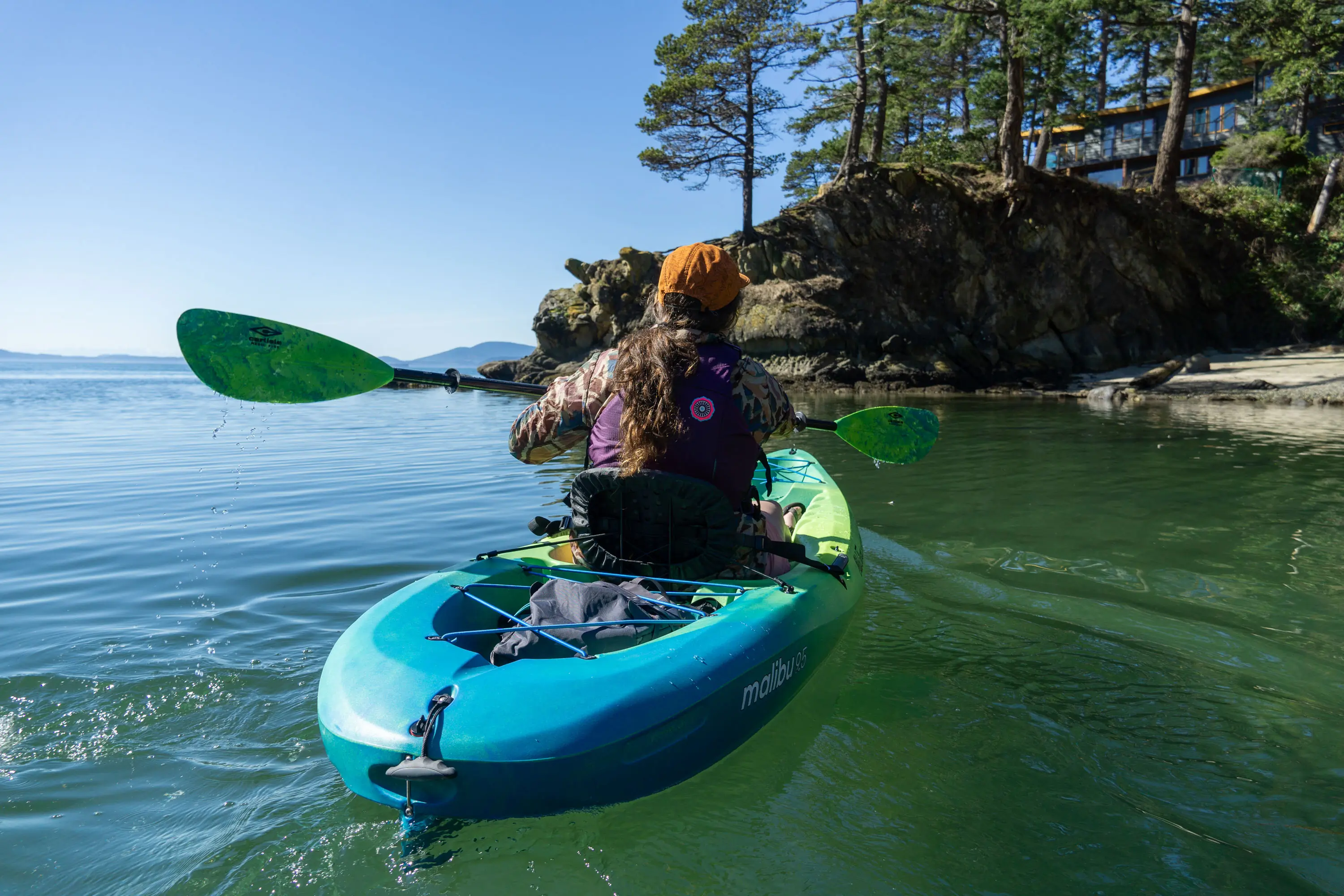
Credit: gearjunkie.com
Frequently Asked Questions
How Do Seniors Get In And Out Of A Kayak?
Seniors should use stable kayaks with wider hulls for easier entry and exit. Utilize a sturdy dock or ramp. Sit on the kayak’s edge, then slide legs inside. To exit, reverse the process, using hands for balance and support. Consider assistance if needed for safety.
What Is The Easiest Way To Get In A Kayak?
Position the kayak parallel to the shore. Step inside using your dominant leg first. Keep your weight centered and low. Use a paddle for balance as you sit down. Practice maintaining stability to avoid tipping over.
What Is The 120 Rule For Kayaking?
The 120 rule for kayaking ensures safety by combining air and water temperatures. If their sum is below 120°F, wear a wetsuit or drysuit. This helps prevent hypothermia and ensures safe kayaking conditions. Always consider weather forecasts and dress appropriately for the conditions.
What Is The Leading Cause Of Death For Kayakers?
Drowning is the leading cause of death for kayakers. Many incidents involve not wearing a life jacket. Cold water and unexpected weather conditions also contribute to fatalities. Always prioritize safety by checking weather forecasts and wearing proper gear.
Conclusion
Starting kayaking is easier than it seems. Just take it step by step. Remember, practice makes perfect. Focus on balance and control. Safety is always important. Wear a life jacket every time. Choose calm waters for your first trips. This helps build confidence.
Enjoy the peace and beauty of nature. Kayaking offers both exercise and relaxation. Soon, you will feel at ease in the kayak. Paddle at your own pace. Enjoy the journey. With these tips, you can start kayaking with confidence and joy.
Now, it’s time to hit the water!