
Picture this: the sun is rising, the water is calm, and you’re about to embark on an exciting kayaking adventure. But before you can glide across the water, there’s one small challenge you need to conquer—getting into your kayak from the dock.
You might feel a bit nervous about balancing or getting wet, but don’t worry! With the right techniques and a touch of confidence, you’ll be paddling away smoothly in no time. This guide will walk you through the steps to get into your kayak safely and efficiently.
Imagine the thrill of feeling the kayak steady beneath you as you push off from the dock, ready to explore new waters. By the end of this article, you’ll have the skills and knowledge to make your dock-to-kayak transition as seamless as possible. So, are you ready to dive in and make the most of your kayaking experience? Let’s get started!

Credit: www.facebook.com
Preparation For Kayaking
Getting into a kayak from a dock requires balance and technique. Secure the kayak parallel to the dock. Sit on the dock, place feet in the kayak, and lower yourself in.
Preparing for kayaking is all about ensuring a smooth, enjoyable experience on the water. Before you glide into your kayak from the dock, there are a few crucial aspects to consider. Whether you’re a seasoned paddler or a beginner, these preparations will make your adventure safer and more fun.Choosing The Right Equipment
Selecting the right kayak is paramount. Consider the type of water you’ll be exploring—calm lakes, challenging rivers, or open seas. Each environment demands different kayak styles. Think about size and weight. A smaller, lightweight kayak offers easy maneuverability, while a larger one provides stability. Don’t forget your paddle. Choose one that feels comfortable in your hands, considering length and material. Safety equipment is non-negotiable. A well-fitting life jacket and a whistle are essentials that could make a difference in emergencies.Understanding Weather Conditions
Weather can be your friend or foe when kayaking. Check forecasts a few days before your trip and on the day itself. Windy conditions can make paddling difficult and waves unpredictable. Temperature impacts your clothing choices. Layering is key—you can adjust as needed. Sunny days require sunscreen and a hat, while cooler temperatures might call for a windbreaker. Be prepared for sudden changes. Weather apps provide real-time updates to help you avoid surprises. How often have you been caught off guard by a sudden storm? Knowing the weather can prevent such scenarios. By focusing on the right equipment and understanding weather conditions, you’re setting the stage for a memorable kayaking experience. So, are you ready to embrace the water adventure ahead?
Credit: www.northcountrypublicradio.org
Dock Safety Measures
Kayaking can be a fun and exciting adventure. But safety is crucial. Before you step into the kayak, ensure the dock is safe. This will prevent accidents and make your experience enjoyable.
Inspecting The Dock
Always check the dock for damage. Look for loose boards or nails. Ensure the dock is stable and doesn’t wobble. A solid dock gives confidence. It helps you focus on getting into the kayak safely.
Check the dock surface for slippery spots. Algae or water can make it slick. Wear non-slip shoes to prevent falls. This is key for maintaining your balance.
Safety Gear Essentials
Wear a life jacket before stepping on the dock. It keeps you safe if you fall into the water. Choose a jacket that fits well.
Carry a whistle for emergencies. It’s a simple tool that can alert others if you need help. A waterproof flashlight is useful too. It helps in low-light conditions.
Ensure your phone is in a waterproof bag. This keeps it safe from water damage. You can use it to call for help if needed.
Techniques For Boarding
Getting into a kayak from a dock can be tricky. With the right techniques, you can board smoothly and safely. Focus on stability and balance to avoid tipping over. Let’s explore simple steps to make your kayaking experience enjoyable.
Approaching The Kayak
Walk towards the kayak calmly. Avoid sudden movements. Keep your eyes on the kayak. Check the position of the kayak. Ensure it’s stable and not drifting away. Hold the paddle securely in one hand. This helps in maintaining control.
Balancing On The Dock
Stand with feet shoulder-width apart. This gives you a firm stance. Bend your knees slightly. It improves balance and reduces strain. Grip the dock edge tightly with one hand. Use your other hand to steady the kayak. Step down gently into the kayak while maintaining balance.
Step-by-step Boarding Process
Getting into a kayak from a dock seems tricky at first. With patience and practice, it becomes second nature. Follow this easy guide to start your kayaking adventure safely.
Positioning Yourself
First, sit on the dock’s edge with your feet in the kayak. The kayak should be parallel to the dock. Keep the paddle close, within easy reach. Use it for balance once you’re in.
Ensure your kayak is stable and not moving. Hold onto the dock for support. Lean forward slightly, keeping your weight centered.
Lowering Into The Kayak
Lower your body into the kayak slowly. Keep one hand on the dock for balance. Use the other hand to stabilize the kayak by holding its edge.
Bend your knees gently and slide into the seat. Keep your feet flat on the kayak’s floor. Adjust your position to ensure comfort and stability.
Grab your paddle and prepare for an exciting journey. You’re ready to explore the water with confidence!
Common Mistakes To Avoid
Avoid stepping into the kayak too quickly, which can lead to imbalance. Securely hold the dock for stability before entering. Ensure the kayak is parallel to the dock for easier access.
Getting into a kayak from a dock can be tricky. Many beginners make mistakes that can lead to accidents. Understanding these common errors can help ensure a safe and enjoyable experience.Overloading The Kayak
A common mistake is overloading the kayak. Each kayak has a weight limit. Exceeding this can make it unstable. Always check the kayak’s capacity before loading gear. Keep the load balanced to maintain stability. An overloaded kayak can tip over easily. This can lead to accidents or damage.Ignoring Safety Protocols
Ignoring safety protocols can be dangerous. Always wear a life jacket. It’s essential for safety in case of an accident. Make sure the life jacket fits properly. Also, inform someone about your kayaking plans. This includes where you’ll be and for how long. Carry a whistle or a waterproof phone for emergencies. Ignoring these protocols can put you at risk.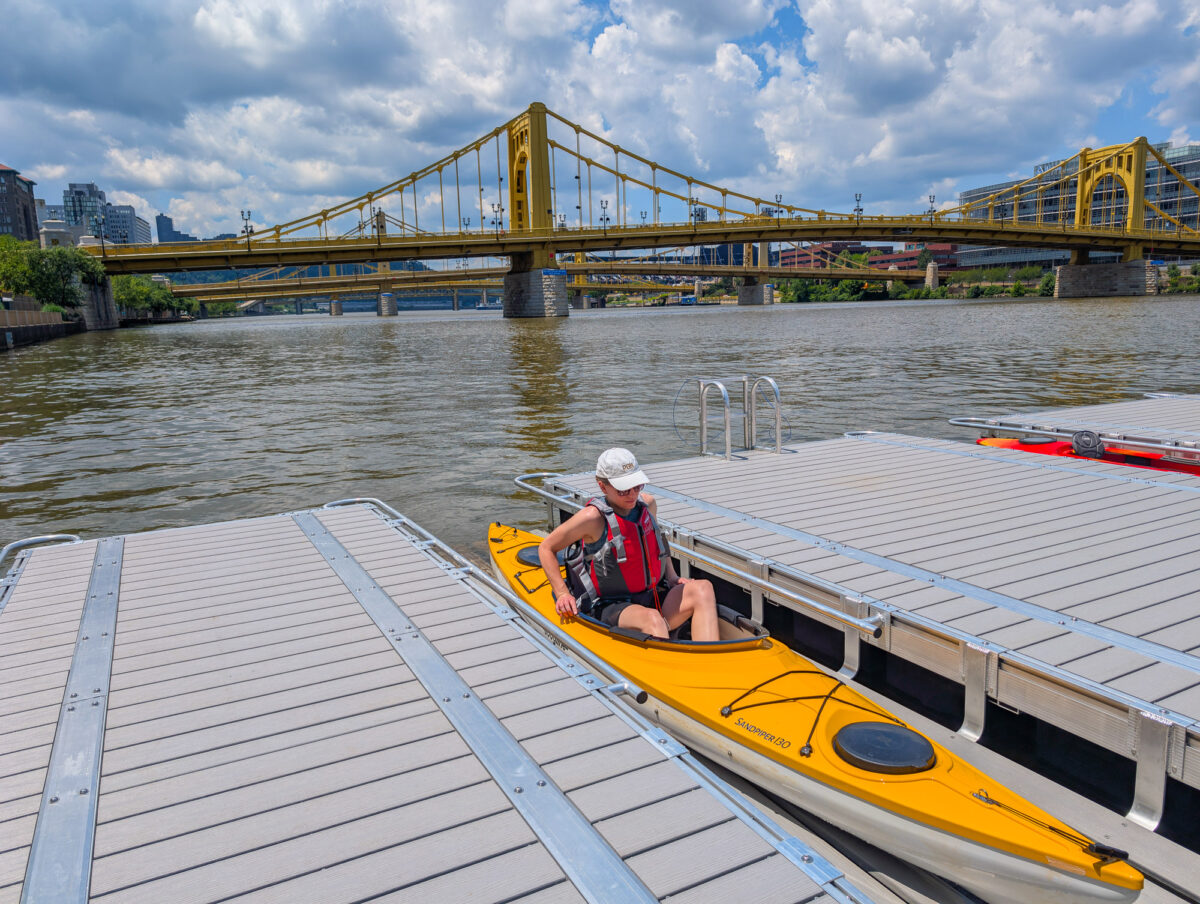
Credit: www.discovertheburgh.com
Tips For Smooth Boarding
Kayaking offers a wonderful chance to connect with nature. Getting into a kayak smoothly can enhance your experience. Follow these tips for a seamless start to your adventure.
Using Paddle For Stability
Use your paddle to keep balanced. Hold it across the kayak, parallel to the dock. This helps steady you as you move. It acts like a third leg, giving support. Place one end on the dock, and the other on the kayak.
Grip the paddle firmly. This prevents slipping. Keep your body low. Bend your knees slightly. This lowers your center of gravity. Move slowly to avoid rocking the kayak. Shift your weight gradually from the dock to the kayak.
Practicing With A Partner
A partner can offer extra support. They can hold the kayak steady. This reduces movement. It’s easier to climb in. Communicate with your partner. Let them know when you’re ready to move.
Practice together a few times. This builds confidence. You’ll learn to feel the kayak’s balance. It also helps if you’re nervous. Having someone nearby can be reassuring. It’s a great way to start your kayaking journey.
Handling Emergencies
Sliding into a kayak from a dock requires balance and technique. Start by sitting on the dock’s edge. Lower your legs into the kayak, maintaining a steady grip on the dock. Shift your weight smoothly into the seat, keeping your center of gravity low.
Handling emergencies while kayaking is crucial for a safe adventure. Whether you’re a beginner or a seasoned paddler, knowing what to do in difficult situations can save lives. Let’s delve into key strategies for handling emergencies on the water.Dealing With Capsizing
Capsizing can happen unexpectedly. Stay calm and assess the situation. If you flip over, hold onto your paddle and kayak. Use your body weight to flip the kayak upright. Practice wet exits and re-entries before your trip. These skills help you regain control swiftly. Wear a life jacket always. It keeps you afloat during a capsize. Check the water conditions before paddling. Avoid areas with strong currents.Contacting Help
Carry a waterproof mobile phone or VHF radio. These devices allow you to call for help quickly. Know the emergency numbers for the area you’re kayaking. Share your location with others before starting. This helps rescuers find you faster. Consider a personal locator beacon. It sends distress signals to emergency services. Practice using your communication devices. Familiarize yourself with their features. Ensure they are fully charged before heading out.Frequently Asked Questions
Can You Get Into A Kayak From A Dock?
Yes, you can enter a kayak from a dock. Position the kayak parallel to the dock. Sit on the dock and slide into the seat carefully. Keep your weight centered and maintain balance. Use your paddle to stabilize yourself if needed.
Practice makes the process easier and safer.
How To Get In And Out Of A Kayak On Dock?
Position the kayak parallel to the dock. Step into the kayak one foot at a time. Hold onto the dock for balance. Sit down gently, ensuring stability. To exit, use the dock to steady yourself, lift one leg out, then the other.
Keep your movements slow and controlled to avoid tipping.
How To Get Into A Kayak From Shore For Beginners?
Position the kayak parallel to the shore. Place the paddle across the cockpit for balance. Sit on the edge, swing your legs inside, and slide into the seat. Adjust the paddle and start kayaking. Ensure stability by keeping your weight centered and using the paddle for support.
How Do I Enter A Canoe From A Dock?
Position the canoe parallel to the dock. Hold the dock for balance. Step into the center of the canoe. Keep your weight low and stable. Sit down smoothly to avoid tipping.
Conclusion
Getting into a kayak from a dock is simpler than it seems. Practice makes perfect. Start slowly, and you’ll gain confidence. Remember to keep your balance steady. Always face forward and use your paddle wisely. Safety is important, so wear a life jacket.
Stay calm and focused as you step into the kayak. With these tips, you’ll enjoy smooth kayaking adventures. The more you try, the better you’ll get. Soon, you’ll be paddling with ease and enjoying every moment on the water. Happy kayaking, and stay safe!