Are you looking for a new adventure that combines excitement, tranquility, and a full-body workout? If so, kayaking might just be the perfect activity for you.
Imagine gliding across serene waters, surrounded by nature’s beauty, with the gentle splash of the paddle setting your rhythm. Whether you’re aiming to explore calm lakes, navigate rushing rivers, or challenge yourself on open seas, kayaking offers something for everyone.
But how do you get started? The idea of venturing into a new sport can be daunting, but fear not. This guide will help you discover the essentials of kayaking, from choosing the right equipment to mastering basic techniques. By the end of this article, you’ll feel confident and ready to dive into the thrilling world of kayaking. Don’t miss out on the opportunity to transform your weekends and gain a new passion. Let’s explore how you can begin your kayaking journey today!
Choosing The Right Kayak
Kayaking is a thrilling way to explore nature’s beauty. Choosing the right kayak is crucial for a safe and enjoyable experience. This decision depends on various factors, including the type, material, and size of the kayak. Each aspect plays a vital role in ensuring comfort, stability, and performance on the water.
Types Of Kayaks
Different kayaks cater to varying activities and environments. Recreational kayaks are ideal for calm waters. They are user-friendly and stable. Touring kayaks suit longer distances and offer more speed. Whitewater kayaks are designed for rough rapids. They provide agility and durability. Sit-on-top kayaks are great for beginners. They offer ease of use and safety.
Material Considerations
Kayaks come in diverse materials, affecting weight and durability. Polyethylene is common and affordable. It offers great impact resistance. Composite materials, like fiberglass, are lightweight and sleek. They enhance speed but cost more. Inflatable kayaks are convenient for transport. They are made from durable PVC. Each material has unique benefits and trade-offs.
Sizing And Fit
Proper sizing ensures comfort and control. Length affects speed and tracking. Short kayaks are agile but slower. Longer kayaks glide faster. Width impacts stability. Wider kayaks are more stable. Narrow ones are faster. Weight capacity is crucial for balance. Consider gear and body weight. Adjustable seats and footrests enhance comfort. Ensure a snug fit for better handling.
Credit: paddlingmag.com
Essential Gear For Beginners
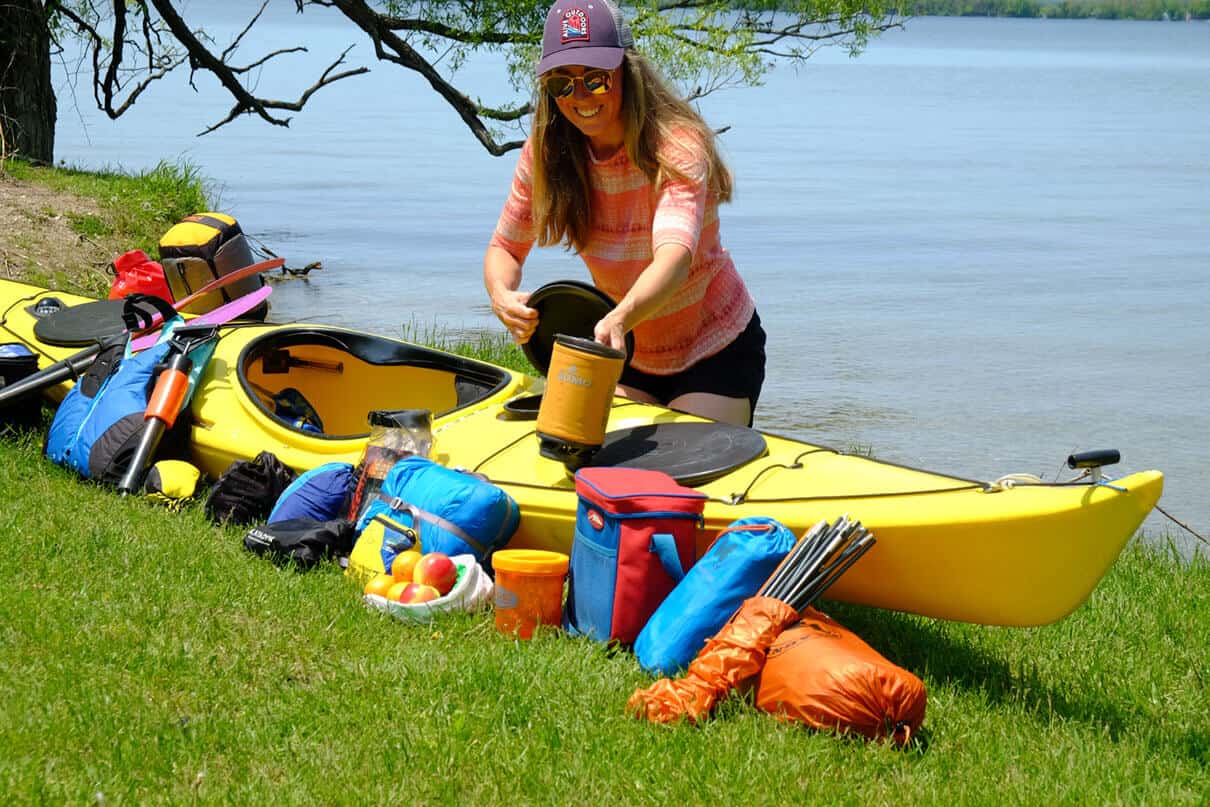
Choosing the right kayak and paddle is key for beginners. A personal flotation device ensures safety on water. Consider weather-appropriate clothing to stay comfortable during your adventure.
Embarking on a kayaking adventure requires the right gear. For beginners, choosing the essential equipment is crucial for a safe and enjoyable experience. Investing in quality gear enhances comfort and safety on the water.Paddle Selection
Choosing the right paddle is vital. It affects control and ease of movement. Beginners should consider paddle length and material. A paddle that’s too long or short can be uncomfortable. Fiberglass paddles are lightweight and durable. Beginners might prefer them for ease of use. Test different paddles to find the best fit.Safety Equipment
Safety is a top priority in kayaking. A life jacket, or PFD, is essential. It should fit snugly and allow for easy movement. A whistle and a waterproof flashlight are useful for emergencies. Beginners should also have a basic first-aid kit. Safety gear ensures readiness for unexpected situations.Clothing And Accessories
Appropriate clothing makes kayaking more comfortable. Dress in layers to adapt to changing weather. Quick-drying materials are ideal. Neoprene shoes offer grip and protect feet. Sunglasses and a hat provide sun protection. A dry bag keeps valuables safe and dry. Choose clothes and accessories that enhance comfort and safety. The right gear sets the stage for a successful kayaking experience. Each piece plays a role in creating a seamless adventure on the water.Basic Kayaking Techniques
Begin your kayaking journey by learning essential paddling techniques. Maintain a balanced posture, and practice forward strokes for smooth movement. Master basic turns to navigate effortlessly through water.
Getting into kayaking is an exciting journey that opens up new adventures on the water. To truly enjoy this sport, it’s essential to master a few basic techniques. These skills will not only make your kayaking experience more enjoyable but will also ensure your safety. Let’s dive into the fundamental kayaking techniques that every beginner should know.Paddling Basics
Paddling is the core of kayaking, and understanding the basics will get you moving smoothly. Start with a firm grip on the paddle, keeping your hands shoulder-width apart. Your strokes should be rhythmic and even, slicing the paddle into the water near your toes and pulling it back towards your hip. Remember to use your torso and not just your arms for paddling. This technique helps in conserving energy and provides more power. Consistency in your strokes will help you glide through the water efficiently.Steering And Maneuvering
Kayaking is not just about moving forward; it’s also about steering and maneuvering. To turn your kayak, use a sweep stroke by extending your paddle outwards and pulling it in an arc. This action will pivot your kayak in the desired direction. For sharper turns, a combination of forward and backward strokes on opposite sides can be very effective. Practice these techniques in calm waters to gain confidence. How quickly can you turn to avoid obstacles?Balancing And Stability
Balancing in a kayak can feel tricky at first but becomes second nature with practice. Keep your body centered and your weight evenly distributed. Sit upright and engage your core muscles for better stability. If you feel unsteady, relax and let your hips move with the kayak. Over time, you’ll find that your balance improves, and you’ll feel more comfortable even in choppy waters. Have you ever noticed how your body adapts to the gentle rocking of the kayak? Master these basic kayaking techniques, and you’ll be well on your way to enjoying this thrilling water sport. Remember, practice makes perfect, and every paddle stroke brings you closer to becoming a proficient kayaker. What’s the first technique you’ll practice on your next kayaking adventure?
Credit: www.instagram.com
Safety Tips For New Kayakers
Starting kayaking can be exciting yet challenging. Always wear a life jacket and check the weather before heading out. Keep your kayak steady while entering and practice basic paddling techniques.
Getting into kayaking offers adventure and relaxation. But safety must come first. As a new kayaker, understanding safety basics is crucial. This ensures a safe and enjoyable experience on the water. Here are important safety tips to keep in mind.Understanding Water Conditions
Learn about the water you plan to kayak in. Calm lakes differ from fast rivers. Know the water’s depth, current, and any hazards. Always check for rocks and other obstacles. This knowledge helps prevent accidents.Weather And Environmental Awareness
Always check the weather forecast before heading out. Sudden changes can be dangerous. Wind, rain, and storms affect kayaking conditions. Dress appropriately for the weather. Wear layers to stay warm and dry. Be aware of the sun’s position to avoid glare.Emergency Procedures
Prepare for emergencies by knowing basic procedures. Always wear a life jacket. Keep a whistle and a waterproof phone case with you. Practice self-rescue techniques. Know how to get back in your kayak if you fall out. Inform someone about your kayaking plan. Tell them your route and expected return time.Finding Kayaking Locations
Discover local lakes, rivers, and coastal areas ideal for kayaking adventures. Online maps and kayaking communities offer helpful insights and recommendations. Explore these resources to find the perfect spot for your next paddling journey.
Finding the perfect kayaking location can greatly enhance your experience. Whether you crave the tranquility of freshwater or the thrill of the open sea, discovering the right spot is crucial. You might find yourself wondering: where can you paddle nearby? Let’s dive into some options that could be closer than you think.Local Rivers And Lakes
Exploring local rivers and lakes can be a delightful way to start your kayaking journey. These spots often offer calm waters, making them ideal for beginners. Many community parks have lakes equipped with rental facilities. You can enjoy a leisurely paddle while soaking in the scenic beauty. Check out rivers with gentle currents. They provide a slightly more adventurous experience without overwhelming you. Look for guided tours if you want to learn more about the area while kayaking.Coastal And Sea Kayaking
If you’re near the coast, sea kayaking opens a world of possibilities. Paddling along the shoreline allows you to explore hidden coves and beaches. It’s an exhilarating experience, especially when you catch sight of marine life. Consider the tides and weather conditions before heading out. Safety is paramount, and some areas may require a bit more skill. Don’t hesitate to join a group for a guided sea kayaking tour. It’s a great way to meet fellow enthusiasts and learn the ropes.Kayaking Trails And Parks
Kayaking trails and parks are designed with paddlers in mind. These areas often have marked routes and facilities like launch points and rest areas. They provide a structured environment, perfect for those who prefer a planned adventure. Some parks offer unique ecosystems to explore. You might find yourself paddling through mangroves or alongside rare bird species. Does that sound intriguing? Check out local listings or online forums for recommendations on well-loved trails.Joining Kayaking Communities
Joining kayaking communities is a great way to enhance your skills and enjoy the sport with like-minded individuals. Whether you’re a beginner or a seasoned paddler, connecting with fellow kayakers can offer valuable insights, support, and camaraderie. From local clubs to online forums, there are numerous avenues to dive into the kayaking world. As you embark on this journey, consider how these communities can enrich your experience and help you paddle confidently into new waters.
Local Clubs And Groups
Local kayaking clubs and groups are a fantastic starting point. They provide a supportive environment where you can learn from experienced paddlers. Many clubs offer beginner-friendly courses and regular meet-ups. These gatherings are perfect for getting tips on local waterways and sharing stories over a post-paddle snack.
Check out community bulletin boards or local sporting goods stores for club information. Sometimes, even a friendly conversation at the waterfront can lead you to these networks. The key is to find a group that matches your interests and skill level.
Online Forums And Resources
The internet is a treasure trove of kayaking information. Online forums and resources connect you to a global community of paddlers. Platforms like Reddit and Facebook have dedicated groups where you can ask questions, share experiences, and find gear recommendations.
These online spaces are also great for discovering hidden gems. You might find advice on lesser-known kayaking spots or innovative techniques to try. Plus, the convenience of accessing this information anytime makes it easy to stay engaged.
Kayaking Events And Workshops
Attending kayaking events and workshops can be a game-changer. These gatherings often feature expert-led sessions that boost your skills. Events range from local regattas to international kayaking festivals, offering something for everyone.
Workshops provide hands-on learning, allowing you to practice under the guidance of seasoned professionals. Imagine the thrill of navigating rapids with newfound confidence or discovering efficient paddling techniques. Consider signing up for a nearby workshop to elevate your kayaking prowess.
Have you ever thought about how joining a kayaking community could transform your experience? Dive into these opportunities and watch your passion for kayaking grow exponentially.
Building Skills Over Time
Learning kayaking step by step builds confidence on water. Start with basic paddling techniques and safety tips. Gradually explore different water conditions to enhance your skills.
Building your kayaking skills over time is an exciting journey filled with learning and personal growth. As you paddle through serene waters or tackle challenging rapids, each experience adds to your repertoire. Progress in kayaking is about more than just physical ability; it’s about understanding the water, mastering techniques, and setting personal milestones. But how do you take your skills to the next level? Let’s dive into some key aspects of skill-building.Advanced Paddling Techniques
Mastering advanced paddling techniques can significantly enhance your kayaking experience. Imagine gliding effortlessly through water with perfect control. Focus on improving your strokes—like the sweep stroke for turning or the draw stroke for sideways movement. These techniques can make a difference in maneuverability. Don’t shy away from learning the Eskimo roll. It’s a lifesaver when you find yourself upside down in your kayak. Practice regularly and watch your confidence soar as you tackle more challenging waters.Participating In Competitions
Have you ever thought about entering a kayaking competition? It’s a fantastic way to push your limits and meet fellow enthusiasts. Competitions range from local races to national events, offering a variety of challenges. They test your speed, endurance, and technical skills. Engaging in competitions can foster a sense of community. You’ll get to share tips, learn from others, and celebrate achievements together. Even if you don’t win, the experience can be incredibly rewarding and motivational.Setting Personal Goals
Setting personal goals in kayaking can be a powerful motivator. What do you want to achieve on the water? Perhaps it’s mastering a new technique or exploring a challenging waterway. Goals give you direction and a sense of purpose. Write them down and track your progress. Remember, it’s not just about the destination; it’s about enjoying the journey and learning along the way.
Credit: www.facebook.com
Frequently Asked Questions
Is Kayaking Difficult For Beginners?
Kayaking is generally easy for beginners with proper instruction. Start on calm waters to build confidence. Focus on basic techniques, such as paddling and steering. Gradually progress to more challenging environments. Safety gear is essential, and joining a guided tour can enhance learning.
Enjoy the adventure and relaxation kayaking offers.
How To Get Started With Kayaking?
Begin kayaking by taking a beginner’s course to learn basics and safety measures. Choose a stable kayak and suitable gear. Practice in calm waters to build confidence and skills. Join local kayaking groups for tips and community support. Prioritize safety and enjoy your adventure on the water.
What Is The 120 Rule For Kayaking?
The 120 rule advises kayakers to only paddle when the combined air and water temperature is above 120°F. This ensures safety by reducing the risk of hypothermia. Always wear appropriate gear and assess conditions before kayaking.
Can You Kayak With No Experience?
Yes, beginners can kayak with no experience. Start with calm waters and take a brief safety lesson. Use a stable kayak and wear a life jacket. Practice basic paddling techniques to enhance your confidence. Always prioritize safety and enjoy the adventure.
Conclusion
Kayaking offers fun and adventure. It’s easy to start with simple steps. Choose the right kayak for your needs. Learn basic paddling techniques. Practice in calm waters first. Safety should always be a priority. Wear a life jacket. Join a local kayaking group.
Meet others who share your passion. Explore beautiful waterways at your own pace. Enjoy the peace and excitement nature offers. Build skills and confidence over time. Kayaking can become a lifelong hobby. Embrace the journey and have fun. Happy paddling!