
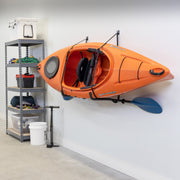
Are you tired of tripping over your kayak every time you enter your garage? Imagine walking into a clutter-free space where your kayak is neatly stored, ready for your next adventure.
Hanging your kayak in the garage not only saves valuable floor space but also protects your beloved watercraft from potential damage. In this guide, you’ll discover simple, step-by-step instructions to safely and efficiently hang your kayak, transforming your garage into an organized haven.
Stay tuned to learn the secrets that will help you reclaim your space and keep your kayak in top condition.
Choosing The Right Spot
Choosing the right spot to hang your kayak in the garage is crucial. It ensures the kayak’s safety and makes the best use of space. Consider the following aspects when determining the perfect location.
Assessing Garage Space
First, measure the dimensions of your garage. Identify areas where the kayak can fit without blocking paths. Consider the height, width, and depth to ensure the kayak hangs securely. Ensure you have enough clearance above vehicles and other stored items.
Avoiding Obstacles
Check for potential obstacles like shelves, tools, and hanging bikes. Avoid placing the kayak near objects that could damage it. Ensure it doesn’t interfere with garage doors, windows, or light fixtures. This keeps your kayak safe and makes the garage functional.

Credit: acegaragestorage.com
Selecting Hanging Equipment
Choosing the right equipment to hang your kayak is crucial. It ensures safety and maximizes space in your garage. Proper hanging equipment protects your kayak from damage. Explore various options and select what suits your needs best.
Types Of Hoists
Hoists are a popular choice for hanging kayaks. They use ropes and pulleys to lift the kayak off the ground. This method is ideal for those with limited floor space. Consider the following types of hoists:
- Manual Hoists:You operate these by pulling a rope. They are cost-effective and easy to install.
- Electric Hoists:These use a motor to lift the kayak. They offer convenience but are more expensive.
- Strap Hoists:They provide extra support with straps. They are great for heavy kayaks.
Wall Mount Options
Wall mounts are another excellent way to store kayaks. They keep your kayak off the ground and out of the way. Wall mounts come in several varieties:
- J-Style Racks:These racks hold the kayak at an angle. They are compact and easy to use.
- Sling Systems:Slings cradle the kayak against the wall. They are simple and effective.
- Folding Wall Brackets:These brackets fold flat when not in use. They save space and are versatile.
Preparing Your Kayak
Optimize your garage space by hanging your kayak securely. Use wall mounts or straps to keep it off the floor. Properly hanging a kayak prevents damage and saves space efficiently.
Preparing your kayak for storage is a crucial step in ensuring its longevity and performance. A well-prepared kayak will be easier to store and retrieve. Plus, it helps prevent damage that could affect your adventures on the water. Before hanging your kayak in the garage, there are a few essential tasks you should consider.Cleaning And Maintenance
Before storing your kayak, give it a thorough cleaning. Remove any dirt, sand, or salt that could cause abrasion or corrosion over time. A simple rinse with fresh water is usually sufficient, but for stubborn grime, use a mild soap. After cleaning, inspect your kayak for any signs of wear or damage. Look for scratches, dings, or cracks that might need attention. Address these issues promptly to prevent them from worsening during storage. Don’t forget to dry your kayak completely. Any remaining moisture can lead to mold or mildew, especially if stored in a damp area. Use a towel to dry it off, paying special attention to crevices and seams.Weighing Your Kayak
Knowing the weight of your kayak is essential for proper storage. It helps you choose the right hanging system that can support the kayak’s weight without risk of damage. Use a reliable scale to weigh your kayak. If it’s too large for your bathroom scale, try weighing yourself first, then weigh yourself holding the kayak, and subtract the difference. This step is crucial for ensuring your hanging system is suitable. An incorrect setup could lead to damage or even a dangerous situation. Always double-check the weight capacity of any storage equipment you intend to use.
Credit: outdoorgeeky.com
Installing Hanging System
Securely hang your kayak in the garage with a reliable hanging system. This approach saves space and keeps the kayak safe. Ensure you have sturdy hooks and straps for proper installation.
Installing a hanging system for your kayak can save space in your garage. It’s a practical solution to keep your kayak safe and out of the way. To do this effectively, two main methods are often used: securing wall mounts and setting up hoists. Both methods have their advantages, and the best choice depends on your specific garage setup and personal preference.Securing Wall Mounts
Securing wall mounts involves attaching brackets to the garage wall. These mounts hold the kayak securely and make it easy to access. Start by choosing a sturdy wall. Use a stud finder to locate the studs. Mark the spots for the brackets on the wall. Ensure they are level with each other. Drill holes into the marked spots on the studs. Attach the brackets using screws. Make sure each bracket is tightly secured. Once installed, place the kayak onto the wall mounts. The kayak should rest evenly across the brackets.Setting Up Hoists
Setting up hoists allows you to lift the kayak to the ceiling. This method is ideal for garages with high ceilings. Start by selecting a hoist kit suitable for your kayak’s weight. Install the hoist system to the garage ceiling. Follow the manufacturer’s instructions carefully. Securely attach the ropes or straps to the kayak. Use the pulley system to lift the kayak upwards. Ensure the kayak is balanced as you hoist it. Lock the hoist mechanism in place once lifted. This keeps the kayak suspended and safe from damage.Safety Considerations
Ensure sturdy wall mounts to support the kayak’s weight. Secure straps tightly to prevent slipping. Keep the area clear of clutter to avoid accidents.
Safety Considerations Ensuring safety is crucial when hanging a kayak in your garage. Proper precautions protect both the kayak and your surroundings. Focus on secure installation and maintenance. This reduces risk and extends the kayak’s lifespan.Weight Limits
Always check the weight limit of your storage system. Ensure it can hold your kayak’s weight. Overloading can cause the system to fail. This might lead to damage or injury. Verify the strength of your garage ceiling or wall too. Use appropriate hardware to support the weight. Consulting the manufacturer’s guidelines is advisable.Regular Inspections
Inspect your storage setup regularly for signs of wear. Look for loose screws or frayed ropes. Address any issues immediately to prevent accidents. Regular checks ensure your kayak remains safely stored. This practice extends the life of your storage system. A well-maintained setup is vital for peace of mind.Maintenance And Adjustments
Proper maintenance and adjustments are vital when hanging a kayak in your garage. Ensure straps and hooks are securely fastened. Regularly check for wear and tear to prevent accidents.
Hanging your kayak in the garage is a fantastic way to keep it safe and out of the way. However, this storage method requires regular maintenance and adjustments to ensure your kayak remains in top condition. With changing seasons and wear over time, keeping an eye on your kayak’s storage setup can save you from unexpected trouble.Checking For Wear
Regularly inspect the straps and hooks that hold your kayak. Look for fraying or weakening that could lead to accidents. A small tear in a strap can quickly become a big problem, so early detection is key. Consider replacing any worn components to maintain safety and extend the life of your kayak.Adjusting For Seasonal Changes
As temperatures and humidity levels fluctuate, your kayak and its storage setup might need adjustments. In winter, colder temperatures can make materials less flexible, so check the tension of your straps more frequently. During humid months, ensure the kayak isn’t absorbing too much moisture by adjusting its position or adding a protective cover. Your garage might be a safe haven for your kayak, but it’s important to ask yourself: Are you giving it the care it deserves? Regular maintenance and seasonal adjustments can go a long way in keeping your kayak ready for the next adventure.
Credit: www.reddit.com
Frequently Asked Questions
How Do I Hang A Kayak In My Garage?
Install wall-mounted brackets or ceiling hoists in your garage. Position them to evenly support the kayak’s weight. Secure the kayak using strong straps, ensuring it hangs horizontally. Keep the kayak’s weight balanced to prevent damage. Regularly check the setup for any wear and tear to maintain safety.
Is It Better To Store A Kayak Vertically Or Horizontally?
Store kayaks horizontally on padded surfaces to prevent warping. Vertical storage can cause structural damage over time. Ensure even weight distribution and avoid direct sunlight for optimal care. Regularly check for any signs of wear or stress. Proper storage extends the kayak’s lifespan, maintaining its performance and safety features.
How To Attach A Kayak Without A Roof Rack?
Use foam blocks or pool noodles to cushion the kayak. Secure it using strong ratchet straps through the car doors. Ensure the kayak is centered and tightly fastened to prevent movement. Always check local laws for transport compliance and drive cautiously.
Can I Hang My Kayak By The Handles?
Hanging a kayak by its handles can cause damage. Handles aren’t designed to support the kayak’s full weight. Instead, use straps or a proper rack system to ensure safe storage. Proper support prevents distortion and prolongs kayak lifespan. Always prioritize structural integrity when storing your kayak.
Conclusion
Hanging a kayak in your garage saves space. It keeps your kayak safe. You need a sturdy rack or pulley system. Always secure it tightly. Check the weight limit of your chosen rack. Measure your garage space accurately. Follow safety tips to prevent damage.
Organize your gear nearby for easy access. Regularly inspect the setup for wear. Proper storage extends your kayak’s life. Enjoy more time paddling and less time worrying. Your kayak deserves the best care. Keep it ready for your next adventure.
Happy storing and happy paddling!





