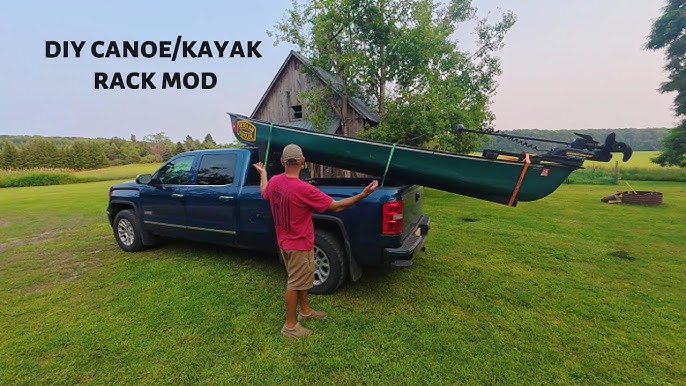
Imagine this: you’re standing by the water’s edge, ready for an adventure. You have your trusty canoe, but now you face a challenge—how do you transport it using your truck?
Whether you’re heading to a serene lake or a winding river, getting your canoe safely from home to the water is crucial. You might worry about the size and weight or wonder about securing it properly. Fear not! This guide is here to help you navigate the process easily and confidently.
Dive in, and soon you’ll be hauling your canoe like a pro, with peace of mind knowing it’s safe and secure.
Choosing The Right Truck
Transporting a canoe involves careful planning, and selecting the right truck is crucial. A truck that fits the canoe well ensures safety and ease. Consider the size and features of the truck to match your needs.
Truck Size Considerations
Truck size plays a key role in hauling a canoe. Larger trucks often provide more stability. They can accommodate bigger canoes without hassle. Smaller trucks might struggle with larger loads, affecting safety. It’s important to know your canoe’s dimensions. Match them with the truck size to avoid complications.
Bed Length And Width
The bed length directly affects how well the canoe fits. Longer beds offer more space, making them ideal for larger canoes. Shorter beds might require adjustments or additional equipment. Width is equally important. Wider beds can accommodate multiple canoes side by side. Ensure the width suits your specific canoe size.
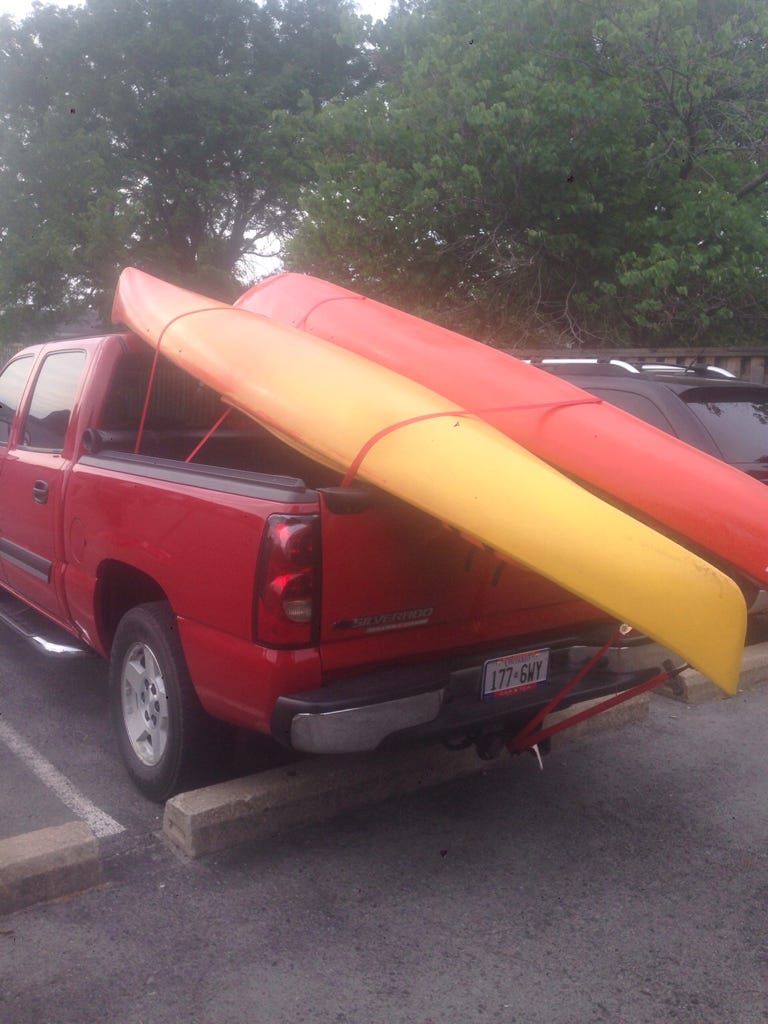
Credit: www.silveradosierra.com
Preparing The Canoe
Secure the canoe by placing it upside down on foam blocks or a rack. Use strong straps to fasten it tightly to the truck bed. Ensure the canoe does not extend too far beyond the truck to maintain safety on the road.
Preparing the canoe for transport in a truck is crucial. A well-prepared canoe ensures a smooth and safe journey. Taking time to inspect and secure your canoe can prevent mishaps. Follow these steps to get your canoe ready.
Inspecting For Damage
Before loading, check the canoe for any damage. Look for cracks or dents on the hull. Examine the seams and joints for wear and tear. Ensure that the canoe is in good condition. Fix any issues before transport to avoid further damage.
Securing Loose Items
Loose items can cause problems during transport. Remove paddles, life jackets, and other gear from the canoe. Place them in the truck bed or secure them separately. Make sure nothing is left inside that can shift or fall out. This keeps your gear safe and protects the canoe.
Loading Techniques
Loading a canoe onto a truck can seem daunting. The right techniques make it manageable and safe. Knowing how to load your canoe efficiently is essential. Whether you’re alone or have help, each method requires careful planning.
Single Person Loading
Loading a canoe by yourself takes patience. Start by placing the canoe next to your truck. Ensure the truck bed is clear of obstacles. Lift the canoe from the middle, using your knees, not your back. Balance it on your shoulders. Carefully walk it to the truck bed. Use a towel or mat on the tailgate to prevent scratches. Slide the canoe gently into the truck bed. Secure it with straps or ropes, ensuring it won’t move during transit.
Team Loading Strategies
With a partner, loading becomes simpler. Position the canoe parallel to the truck. Each person stands on opposite sides. Together, lift the canoe using the gunwales. Walk it to the truck, keeping it level. One person guides the front, while the other manages the rear. Align it with the truck bed. Lift it over the tailgate gently. Slide it in and secure it tightly with straps. Double-check the stability before hitting the road.

Credit: www.facebook.com
Securing The Canoe
Transporting a canoe in a truck requires careful securing. Properly fastening the canoe prevents damage and ensures safety. Let’s explore effective methods to secure your canoe.
Using Straps And Ropes
Straps and ropes are essential for securing a canoe. Use sturdy ratchet straps or cam buckle straps. Place them over the canoe and tie them to the truck’s anchor points. Ensure the straps are tight but not overly so. Ropes can also provide additional security. Use a bowline knot or a trucker’s hitch for a firm hold.
Checking Stability
After securing, check the canoe’s stability. Gently shake the canoe to see if it moves. If it shifts, adjust the straps or ropes. A stable canoe won’t wobble during transit. Regularly check the straps’ tension during long trips. This prevents loosening and maintains safety.
Transporting Safely
Securely transport a canoe in your truck by using sturdy straps to tie it down. Position the canoe upside down on the truck bed and ensure it’s evenly balanced. Double-check all fastenings before hitting the road to prevent any shifting during transit.
Transporting a canoe in a truck requires careful planning. Safety should be your top priority. Proper techniques can prevent damage and ensure a secure journey. Let’s explore how to transport your canoe safely.
Driving Speed And Caution
Drive at moderate speeds with a canoe in the truck. Sudden stops can shift or damage the canoe. Increase your following distance to avoid abrupt braking. Be gentle with turns to maintain balance. Avoid rough terrain when possible. Use smooth roads for a safer transit.
Monitoring During Transit
Check the canoe’s position regularly during transit. Secure the canoe with straps before starting your journey. Tighten straps if they loosen while driving. Stop periodically to inspect the load. Watch for any signs of shifting or instability. This practice ensures the canoe remains secure.
Unloading Procedures
Securing a canoe in a truck requires careful placement and strong tie-downs. Place the canoe upside down on the truck bed. Use straps to anchor it tightly, ensuring stability during transport.
Unloading a canoe from a truck requires care and precision. It’s crucial to ensure the safety of both the canoe and the individuals involved. Following proper unloading procedures helps prevent damage and ensures a smooth transition from truck to water. Below are essential techniques to consider during the unloading process.
Safe Unloading Techniques
Position the truck close to the water for easy access. This minimizes the distance you need to carry the canoe. Use a buddy system for lifting. Two people can easily handle the weight and balance. Lift the canoe using proper posture. Bend your knees and keep your back straight to avoid strain. Slowly lower the canoe from the truck bed. Control its descent to prevent any sudden movements. Ensure the area is clear of obstacles. This prevents trips or falls during unloading.
Preventing Canoe Damage
Protect the canoe’s surface with padding. Use soft materials like towels or foam during unloading. Avoid dragging the canoe on rough surfaces. This can scratch or damage its hull. Check for sharp objects near the truck. Remove any potential hazards that might pierce or dent the canoe. Inspect the canoe’s tie-downs before unloading. Ensure they are securely fastened to prevent sudden shifts. Handle the canoe gently. Sudden jerks or drops can lead to structural damage.
Common Mistakes To Avoid
Hauling a canoe in a truck can be tricky. Avoid common mistakes to ensure safety and efficiency. Knowing what not to do can save time and prevent damage.
Improper Securing Methods
Many people fail to secure their canoe properly. Loose straps can cause the canoe to shift during transport. This can lead to scratches or even accidents. Always check the tightness of straps before driving. Use quality ratchet straps for a firm hold. Tie down both ends of the canoe for stability. Double-check the knots to prevent slipping.
Overloading The Truck
Overloading is a common mistake. It can strain your vehicle and reduce fuel efficiency. Keep the truck within its weight limit. Carry only necessary gear alongside the canoe. Distribute weight evenly to avoid tipping. An overloaded truck makes steering difficult. Stay safe by understanding your truck’s capacity. Avoid carrying extra passengers or heavy items.

Credit: www.reddit.com
Expert Tips For Efficient Hauling
Secure the canoe with straps and padding to prevent movement during transport. Position it in the truck bed, ensuring even weight distribution. Utilize foam blocks or a rack to protect the canoe and the truck.
Transporting a canoe in a truck can seem daunting, but with the right tips, you can turn it into a smooth experience. Efficient hauling is all about preparation and using the right tools. Whether you’re heading to a serene lake or a rushing river, these expert tips ensure your journey is stress-free and enjoyable.
Use Of Specialized Equipment
Investing in specialized equipment can make a world of difference. Canoe racks designed for trucks provide stability and security, ensuring your canoe stays in place during transit. Alternatively, foam blocks and tie-down straps are budget-friendly options that offer excellent support without the need for permanent installations. Always ensure the straps are tight but not overly so, as you don’t want to damage your canoe. It’s wise to double-check everything before you hit the road. Have you considered a bed extender? It helps support longer canoes, reducing overhang and potential damage.
Time-saving Strategies
Preparation is key to saving time. Keep all your equipment organized and ready for when you need it. This reduces the hassle of searching for items and speeds up the loading process. Practice loading and unloading the canoe a few times before your trip. Familiarity with the process can save you precious minutes when you’re eager to hit the water. Are you using a checklist? It ensures nothing is forgotten and reduces last-minute stress. Sharing these tasks with a friend or family member can also save time and make the process more enjoyable. A helping hand can make the loading process quicker and ensure everything is secure. Plus, it’s a great opportunity to bond over a shared love for adventure.
Frequently Asked Questions
What Is The Best Way To Transport A Canoe On A Truck?
Secure the canoe with a roof rack or foam blocks on the truck. Use strong tie-down straps. Ensure the canoe is centered and balanced. Double-check the straps for tightness before driving. Regularly inspect during long trips to maintain safety.
How Far Can A Canoe Stick Out Of A Truck?
A canoe can stick out of a truck up to 3 feet in the front and 4 feet in the rear. Use red flags or lights to mark any overhanging load for safety. Check local regulations to ensure compliance with specific transport rules.
How Do You Transport Your Canoe?
Transport your canoe using a roof rack or trailer designed for safe and secure hauling. Strap it tightly. Ensure balanced weight distribution to prevent damage. Use bow and stern lines for extra stability. Regularly check straps during transit to ensure everything remains secure.
Always follow local transportation regulations.
How To Transport A Canoe Without A Rack?
Use foam blocks or pool noodles for padding on the roof. Secure the canoe with strong straps through the car doors. Ensure it’s tightly fastened to prevent movement during transit. Check local regulations for any restrictions or additional safety requirements.
Drive carefully to avoid sudden stops or turns.
Conclusion
Transporting a canoe in your truck is simple with these tips. First, secure the canoe tightly to prevent shifting. Always use strong straps or ropes for safety. Second, position the canoe properly to avoid damage. It should sit straight and balanced.
Third, double-check everything before driving. Safety should be your top priority. Finally, remember to drive carefully. Sudden stops or sharp turns can be risky. With these steps, you can enjoy a hassle-free journey. Your canoe will be safe, and you can focus on your adventure ahead.
Happy paddling!