
Do you love kayaking but dread the hassle of getting your kayak from home to the water? If you’re nodding along, you’re in the right place.
Learning how to haul kayaks in a truck can transform your outdoor adventures, making the journey as enjoyable as the destination. Imagine the freedom of loading up your kayak with ease, knowing it’s securely fastened and ready to hit the road.
In this guide, we’ll uncover simple, effective strategies that ensure your kayak is transported safely, so you can focus on what really matters—enjoying your time on the water. Ready to simplify your kayaking trips and make them stress-free? Let’s dive in!
Choosing The Right Truck For Kayak Transport
Hauling kayaks in a truck requires choosing a vehicle with ample bed space and secure tie-down options. A truck with a longer bed is ideal for stability. Consider a truck rack for added support and to prevent any damage to the kayak during transport.
Choosing the right truck for kayak transport is crucial. It ensures safety and ease during your outdoor adventures. The truck should fit your kayak and gear. It should offer security and stability. Consider the size, bed length, and towing capacity. These factors make the transport smooth and hassle-free.Truck Size And Bed Length
A longer bed provides more room for kayaks. It helps in securing them properly. Measure your kayak before choosing a truck. This ensures a snug fit. Compact trucks may not accommodate larger kayaks. Always check the bed dimensions.Towing Capacity
The truck’s towing capacity is vital. It determines how much weight it can handle. Check the manufacturer’s guide for towing limits. Ensure your kayak and gear don’t exceed this limit. This prevents wear and tear.Security Features
Look for trucks with advanced security features. A lockable bed cover is beneficial. It keeps your kayak safe during stops. Anti-theft devices add an extra layer of protection.Fuel Efficiency
Fuel-efficient trucks save money on long trips. Consider trucks with good mileage. They reduce overall transportation costs. Check reviews and ratings for better insights.Customization Options
Some trucks offer customization options. These include racks and storage solutions. They make kayak transport easier. Choose trucks that allow easy upgrades. This flexibility is a bonus for kayak enthusiasts.Essential Equipment For Kayak Hauling
Transporting kayaks in a truck requires essential gear like roof racks, tie-down straps, and foam blocks. These tools ensure your kayak stays secure and safe during transit, preventing damage and ensuring peace of mind on the road.
When transporting kayaks using a truck, having the right equipment is crucial. It ensures safety and ease during the journey. Proper gear keeps the kayak secure and prevents damage to your truck or the kayak. Let’s explore some essential equipment for hauling kayaks in a truck.Truck Bed Extenders
Truck bed extenders are vital for carrying longer kayaks. They provide extra length, making it easier to fit your kayak in the truck. Most extenders are adjustable, allowing you to customize the length based on your needs. They are easy to install and remove, making them convenient for occasional use. Ensure the extender is compatible with your truck for a perfect fit.Kayak Racks
Kayak racks offer a secure way to transport kayaks. They prevent shifting during transport, reducing the risk of damage. There are different types of racks available, including roof and hitch-mounted options. Choose a rack that suits your truck and kayak size. Proper installation is key to maximizing safety and security during transport.Tie-down Straps
Tie-down straps are essential for securing your kayak to the truck. They help keep the kayak stable, preventing movement during travel. Straps are made from durable materials and are adjustable for a snug fit. Always check the tightness of the straps before starting your journey. Using more than one strap ensures added security and peace of mind.Preparing Your Truck For Kayak Loading
Preparing your truck for kayak loading involves ensuring secure and stable transport. Use proper racks or padding to avoid scratches. Tie down straps tightly to prevent movement during travel.
Preparing your truck for kayak loading is crucial for a smooth adventure. Ensuring your kayak and truck are ready makes the process simple and safe. The key steps involve clearing the truck bed and taking protective measures. Let’s dive into each aspect.Clearing The Truck Bed
Start by removing unnecessary items from the truck bed. This provides ample space for the kayak. Check for any sharp objects or debris that could damage your kayak. A clean truck bed ensures a secure fit for your kayak.Protective Measures For Truck And Kayak
Protect your kayak and truck with padding or mats. These prevent scratches and dents. Use foam blocks or pool noodles for cushioning. Secure the kayak with straps to avoid movement during transit. This keeps your kayak safe and your truck free from damage.Loading Techniques For Single And Multiple Kayaks
Transporting kayaks in a truck involves strategic placement and securing methods. For single kayaks, use foam blocks and straps to stabilize. Multiple kayaks require stacking with padding in between and additional tie-downs to ensure safety during transit.
Loading a kayak onto your truck can be a rewarding start to a day of adventure. Whether you’re heading to a serene lake or a rushing river, knowing the right loading techniques ensures both your safety and that of your kayak. Let’s dive into how you can load a single kayak by yourself or multiple kayaks when you’re planning a group outing.Solo Kayak Loading
Loading a kayak on your own might seem daunting at first, but with the right technique, it becomes quite manageable. Start by placing a towel or foam padding on the tailgate of your truck to prevent scratches. Position the kayak at a 45-degree angle to the tailgate, with the bow facing upwards. Lift the bow of the kayak and rest it on the tailgate, then walk to the stern and push the kayak forward until it’s securely in the bed. Always secure the kayak with straps, using the truck’s anchor points. A personal tip: keep a step stool handy to reach over and tighten the straps easily.Multiple Kayak Arrangements
Planning a trip with friends? Transporting multiple kayaks requires a bit more planning. Start by placing the heaviest kayak in the center of the truck bed. Lay it on its side to maximize space. Arrange the additional kayaks on either side, also on their sides. Use foam blocks or pool noodles between them to prevent scratches. Secure each kayak individually with straps, ensuring they are snug but not overly tight. Remember to check the weight capacity of your truck bed. Overloading can lead to unsafe driving conditions. Have you ever tried using a truck bed extender? It’s an excellent investment for carrying multiple kayaks securely. Incorporating these techniques will make your kayak hauling experience smooth and hassle-free. Whether it’s a solo trip or a group adventure, having the right approach ensures everything goes without a hitch.Securing Your Kayak For Safe Transport
Secure your kayak in a truck by using sturdy straps to hold it in place. Position the kayak to evenly distribute weight and prevent shifting during transport. Use padding or foam to protect the kayak and truck from scratches or damage.
Securing your kayak for safe transport is a crucial step in ensuring both your equipment and your journey remain stress-free. Imagine hitting the road with your kayak swaying precariously in the back of your truck—it’s a situation you want to avoid. By securing your kayak properly, not only do you protect your investment, but you also enhance safety for yourself and others on the road.Using Ratchet Straps
Ratchet straps are your best friend when it comes to securing a kayak. They’re reliable, easy to use, and provide a firm grip. Place the kayak in the truck bed, and position it so that the weight is evenly distributed. Use at least two ratchet straps to secure the kayak. Hook the straps to the truck’s anchor points and loop them over the kayak. Tighten them until the kayak is snug but be careful not to over-tighten, which could damage the kayak. Feel the difference as your kayak remains firmly in place, even on bumpy roads. Have you ever thought about how much peace of mind a couple of straps can bring?Checking Stability
Once your kayak is strapped in, it’s time to check stability. Gently shake the kayak to ensure it doesn’t wobble. If there’s any movement, adjust the straps and check again. Consider this: a single loose strap can lead to disaster. Double-check each connection and make sure nothing feels loose. You might want to take a short drive around the block to see how everything holds up. Feel the assurance as your kayak remains rock steady, ready for the adventure ahead. Does your current setup make the cut for your next trip?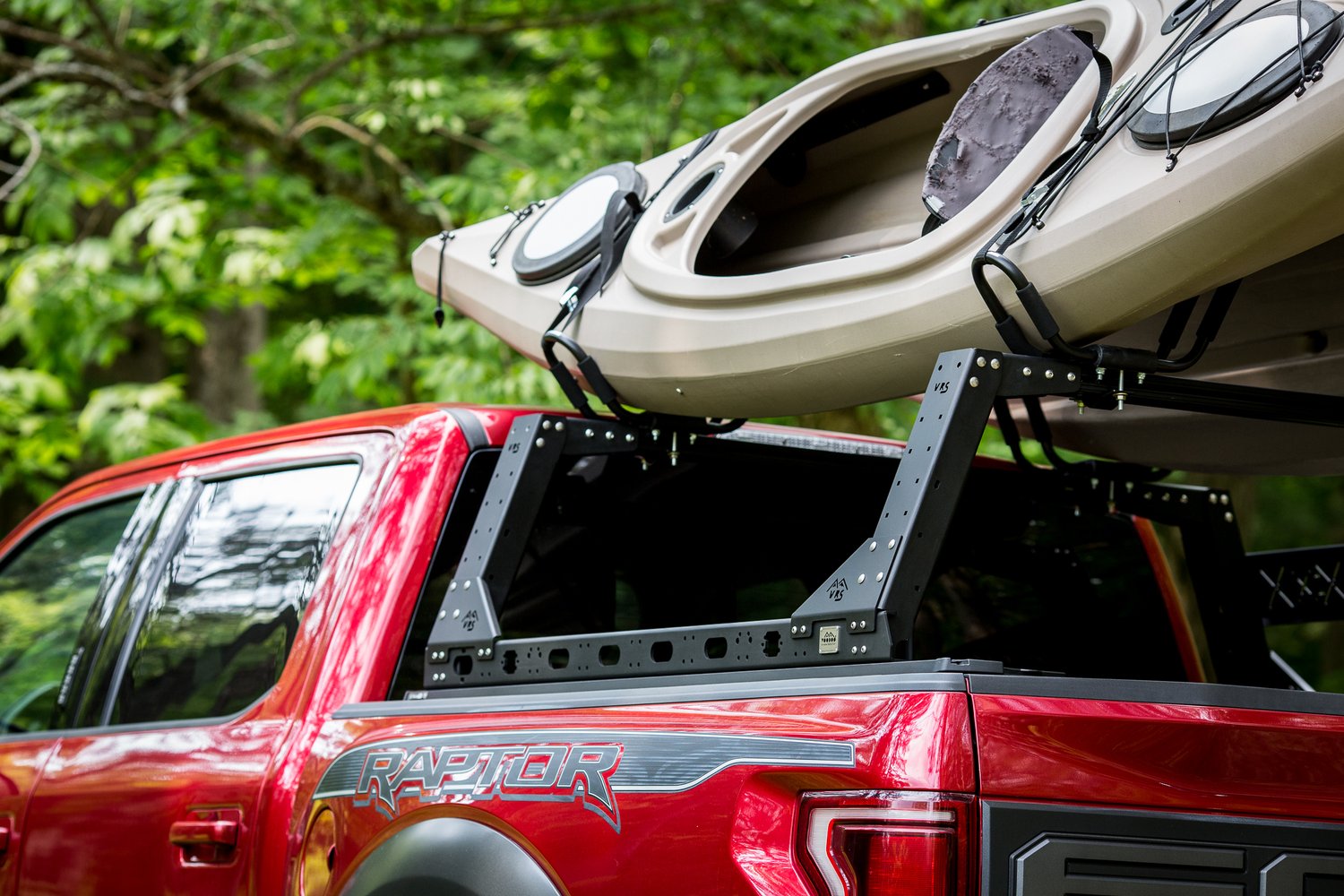
Credit: www.greensafaris.com
Driving Tips With A Kayak In The Truck
Transporting kayaks safely in a truck involves securing them properly to prevent movement. Use straps or tie-downs for stability. Place kayaks in the truck bed, ensuring they don’t extend beyond the vehicle’s length.
Driving with a kayak in your truck requires extra care. The added load can change how your truck handles. Understanding these changes ensures a safe journey. Here are some key driving tips.Speed And Maneuvering
Maintain a moderate speed to keep control. Sudden turns can cause the kayak to shift. Keep a steady hand on the wheel. Slow down before curves and corners. This reduces the risk of tipping. Always allow more distance for braking. The extra weight affects stopping time. Be cautious on uneven roads. They can jolt the kayak, affecting balance.Parking Considerations
Choose a spot with plenty of space. The kayak adds length to your vehicle. Avoid tight parking spaces. They make maneuvering difficult. Look for level ground to park. This prevents the kayak from shifting. Be mindful of overhead obstacles. Low-hanging branches can catch on the kayak. Always check the kayak’s position after parking. Ensure it remains secure and stable.Unloading Your Kayak Safely
Transporting kayaks in a truck requires careful handling to ensure safety. Use sturdy straps to secure the kayak tightly. Position the kayak with balanced weight distribution to prevent shifting during transit.
Unloading your kayak safely is a crucial part of your adventure, ensuring both your safety and the integrity of your equipment. After an exhilarating day on the water, the last thing you want is to damage your kayak or hurt yourself. Handling your kayak with care during unloading not only preserves its lifespan but also keeps your next trip hassle-free. Let’s dive into how you can manage this vital step efficiently.Step-by-step Unloading
Begin by assessing your surroundings. Is the ground level and clear of obstacles? This helps prevent accidental slips or falls. When you’re ready, unfasten any straps or ties that secure the kayak in your truck. It’s essential to lift with your legs, not your back, to avoid injury.
If you’re unloading alone, consider using a kayak cart to ease the process. These handy tools allow you to move your kayak without straining yourself. Alternatively, having a friend assist you can make the task smoother. Communicate clearly to synchronize your movements and prevent mishaps.
Post-trip Care For Kayaks And Equipment
Taking care of your kayak after unloading is just as important as handling it during your trip. Rinse off your kayak to remove salt, sand, or debris accumulated during your adventure. This simple step prevents long-term damage and keeps your kayak looking fresh.
Don’t forget about your other equipment. Paddles, life vests, and other gear should also be cleaned and inspected for wear and tear. Storing your kayak and gear properly ensures they’re in top condition for your next outing. What’s your post-trip routine for your kayaking gear?
By following these practical steps, you’ll ensure a smooth transition from water to land, ready to plan your next kayaking adventure with ease!

Credit: www.reddit.com
Common Mistakes And How To Avoid Them
Securing kayaks improperly in a truck can lead to damage. Use straps or tie-downs to keep them stable. Avoid stacking too high to prevent accidents on the road.
Transporting kayaks in a truck can be a simple task, but common mistakes can turn your adventure into a frustrating experience. Understanding these pitfalls and knowing how to avoid them can save you time, effort, and potential damage to your kayak or vehicle. Let’s dive into some frequent errors that kayak enthusiasts encounter and explore practical solutions to ensure a smooth journey.Overloading The Truck Bed
Packing too many kayaks in the truck bed can lead to scratches, dents, or even cracked hulls. Always check the weight capacity of your truck and ensure that the kayaks are securely placed without overcrowding. Consider using a truck rack for more space and better organization.Improper Tie-down Techniques
Using insufficient or incorrect tie-downs can cause kayaks to shift or fall during transit. Invest in high-quality ratchet straps or bungee cords, and learn proper tie-down methods. Creating an ‘X’ pattern with straps can provide better stability and prevent movement.Ignoring Weather Conditions
Weather can impact how you transport kayaks. Strong winds can shift them, and rain can make surfaces slippery. Always check the forecast and adjust your tie-downs accordingly. Covering your kayaks with a tarp can offer protection from unexpected elements.Neglecting To Double-check
A quick check before hitting the road can make all the difference. Ensure that all straps are tight, kayaks are secure, and nothing is blocking your rearview. This simple step can prevent accidents and give you peace of mind.Failing To Plan The Route
Navigating through narrow roads or bridges can be tricky with kayaks in tow. Plan your route in advance, considering the height and length of your loaded truck. Avoid routes with low clearance or sharp turns to prevent any mishaps. Reflecting on these mistakes, have you ever found yourself in a predicament while hauling kayaks? Share your experiences and lessons learned in the comments below!
Credit: www.reddit.com
Frequently Asked Questions
How To Transport Kayaks In A Truck?
Secure the kayak using a sturdy rack or foam blocks on the truck bed. Use strong straps to tie down the kayak, ensuring it’s tightly secured. Place the kayak hull-side down for stability. Check the kayak’s position and straps periodically during the journey to ensure safety.
How Far Can A Kayak Hang Out Of A Truck Bed?
A kayak can extend up to 4 feet beyond the truck bed legally. Use red flags or lights if it extends further for visibility and safety. Always check local regulations, as they may vary.
How Heavy Is A 12 Ft Kayak?
A 12 ft kayak typically weighs between 45 to 70 pounds. The weight varies based on materials and design. Lighter models are often made from composite materials, while heavier ones might use plastic. Always check the manufacturer’s specifications for exact weight details.
What Is The Easiest Way To Transport A Kayak?
Use a roof rack or kayak trailer for easy transportation. Secure the kayak with straps to prevent movement. Ensure the kayak is balanced and aligned properly. Consider using a kayak cart for short distances. Always check local regulations for transporting kayaks to avoid fines or penalties.
Conclusion
Transporting kayaks by truck is simple with the right steps. First, secure your kayaks properly to prevent any movement. Use strong straps or bungee cords for this. Next, position the kayaks in the truck bed carefully. Arrange them to maximize space and stability.
Finally, double-check everything before driving. Ensure nothing can shift or fall. Following these tips makes hauling kayaks safe and easy. Enjoy your adventures with peace of mind. Happy kayaking!