Are you ready to hit the water but unsure how to transport your kayaks safely and efficiently in your truck? Hauling kayaks can be a bit daunting, especially if you’re new to the scene.
But don’t worry! This guide will show you the best ways to secure your kayaks, ensuring they arrive at your destination in perfect condition. Imagine the peace of mind you’ll have knowing your kayaks are safely fastened, allowing you to focus on the adventure ahead.
By the end of this article, you’ll have all the tips and tricks you need to transport your kayaks like a pro. Let’s dive in and get you on the road with confidence!
Credit: www.greensafaris.com
Choosing The Right Truck For Kayak Hauling
Choosing the right truck is essential for easy kayak hauling. Consider bed size, tie-down options, and weight capacity. Ensure the truck can handle rough terrains if your kayaking spots are off-road.
Choosing the right truck for kayak hauling requires careful thought. Not all trucks are fit for this task, and selecting the wrong one can lead to trouble on the road. Kayaks are long and often bulky, needing a truck that can handle their size. A good truck choice ensures safe and efficient hauling, letting you focus on enjoying the water adventure ahead.Size And Capacity Considerations
The truck’s size matters. A full-size truck offers more room for kayaks. Its bed length should match or exceed the kayak’s length. This prevents overhang, enhancing safety during transport. Consider the truck’s payload capacity. It should handle the weight of kayaks and gear. A higher capacity means you can carry more without straining the vehicle.Off-road Vs. Highway Performance
Decide if you need off-road or highway performance. Off-road trucks are ideal for rugged terrains. They provide better traction on uneven surfaces. This is useful for remote kayak launch sites. Highway trucks offer smoother rides and better fuel efficiency. They are great for long-distance travel on paved roads. Choose based on your usual kayak destinations.Essential Equipment For Secure Transport
Transporting kayaks in a truck requires essential equipment like sturdy racks, secure straps, and protective padding. Properly securing the kayak ensures safe travel and prevents damage during transit.
Transporting kayaks in a truck can be a seamless task with the right equipment. Properly securing your kayaks not only ensures their safety but also gives you peace of mind during your drive. Let’s dive into the essential gear you need for a secure transport experience.Racks And Carriers
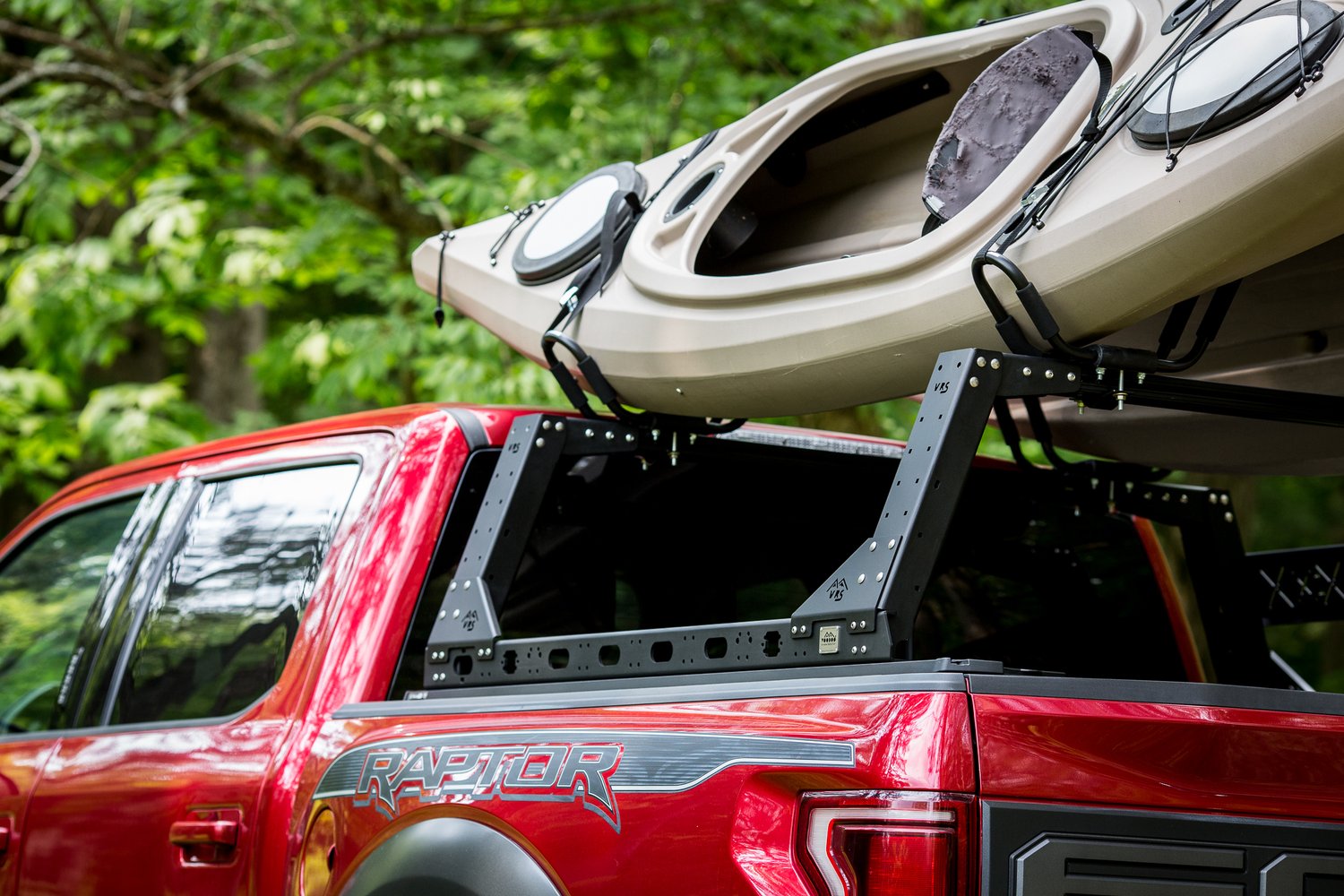
Investing in a quality rack or carrier is crucial. These attachments are designed to hold your kayak in place on your truck bed or roof. Truck bed extenders can be a lifesaver if your kayak exceeds the length of your truck bed. Roof racks offer versatility, allowing you to transport multiple kayaks simultaneously. Consider racks with foam padding to protect your kayak from scratches. Some racks even have locking mechanisms for added security. Have you ever considered how much easier your journey could be with the right rack setup?Straps And Tie-downs
Straps are the backbone of kayak security during transport. Opt for durable straps with cam buckles—they’re user-friendly and provide a snug fit. Ratchet straps can be particularly useful for ensuring tight hold, preventing any movement during transit. Tie-downs are essential for anchoring your kayak firmly. Use bow and stern lines to keep the kayak from sliding sideways. Wouldn’t you prefer a calm drive, knowing your kayak is securely fastened? Always double-check your strap tension before hitting the road.Loading Techniques For Stability
Loading kayaks onto your truck might seem straightforward, but ensuring stability is crucial for a safe transport. Whether you’re heading to a serene lake or tackling rough waters, securely loading your kayaks will save you from potential mishaps on the road. Let’s explore some practical techniques to ensure your kayaks stay put.
Positioning The Kayaks
Start by placing the kayaks in the truck bed with their noses facing forward. This orientation helps reduce wind resistance, giving you a smoother drive.
Avoid stacking them directly on top of each other. Instead, lay them side by side if space allows. This arrangement minimizes shifting during transit.
Consider using foam blocks or pads. They provide cushioning and prevent scratches on both your truck and kayaks.
Balancing The Load
Balance is key. Aim to distribute the weight evenly across your truck bed. This prevents one side from being heavier, which could lead to handling issues.
If you’re hauling more than one kayak, alternate their positions to evenly spread the weight. It might take a few tries to get it just right.
Ensure the kayaks are strapped down securely with high-quality tie-downs. Test by gently shaking each kayak to check for movement.
Have you ever had a kayak slip during transport? Reflecting on past experiences can guide you in securing them better next time.
Safety Practices While Driving
Hauling kayaks in a truck demands careful preparation for safety. Secure the kayaks tightly using straps to prevent movement. Ensure they are evenly balanced to avoid tipping during transit.
Transporting kayaks in a truck requires careful attention to safety while driving. Kayaks can be long and awkward, making them tricky to secure. Ensuring your safety and others on the road is crucial. Prioritize proper securing techniques and maintain awareness during the journey. Let’s explore some essential safety practices.Checking Straps And Connections
Before hitting the road, inspect all straps and connections. Ensure they’re tight and secure. Loose straps can lead to dangerous situations. Use strong, reliable straps designed for heavy loads. Check for fraying or damage on the straps. Tighten them evenly to distribute the load. Ensure the kayak doesn’t shift or move. A stable kayak is a safe one.Adjusting Speed And Turns
Adjust your speed to accommodate the extra load. Kayaks can affect your truck’s handling. Slow down when approaching turns. Take wider turns to prevent tipping or shifting. Avoid sudden stops to keep the kayak in place. Gradual braking reduces strain on the straps. Keep a safe distance from other vehicles. This gives you more reaction time. Remember, safety first.Dealing With Weather Conditions
Secure kayaks with straps to prevent movement during transportation. Use weather-resistant covers to protect against rain and sun. Adjust driving speed for safety in challenging weather conditions.
Dealing with weather conditions is crucial when hauling kayaks in a truck. Weather can impact your journey and the safety of your kayaks. Knowing how to prepare for wind and rain ensures you protect your gear. Weather can change quickly, affecting your travel plans. Being prepared helps you avoid damage and delays.Wind And Rain Challenges
Wind can be a major concern when transporting kayaks. Strong gusts might shift your kayak, leading to potential damage. Secure straps tightly to prevent movement. Use additional straps for extra safety during windy conditions. Rain can also pose challenges. Wet conditions may cause straps to loosen. Check straps regularly to avoid any mishaps. Water accumulation on kayaks might affect their weight balance. Ensure proper drainage to prevent issues.Protective Covers
Protective covers shield kayaks from harsh weather elements. They prevent scratches and damage from debris during travel. Covers keep kayaks dry, reducing the risk of mold. Select covers designed for your kayak’s size and shape. Look for durable materials that withstand wind and rain. Covers provide an extra layer of security during transport. Regularly inspect covers for wear and tear. Replace damaged covers to maintain optimal protection.
Credit: www.coloradofans.com
Maintenance Tips For Equipment Longevity
Securing kayaks properly ensures safe transportation and prolongs equipment life. Use foam blocks or racks to prevent damage. Regularly check straps and tie-downs for wear.
Taking care of your kayak hauling equipment is crucial for its longevity and your safety on the road. Regular maintenance not only extends the life of your equipment but also ensures that your kayak adventures remain hassle-free. Imagine the frustration of discovering a worn-out strap or a rusted roof rack right before a trip. By integrating simple maintenance habits into your routine, you can avoid unexpected problems and keep your gear in top shape. Let’s dive into practical maintenance tips that will help you keep your equipment functioning at its best.Regular Inspections
Frequent checks can prevent minor issues from becoming major problems. Before each trip, inspect your truck’s hauling setup for signs of wear and tear. Look for frayed straps, loose bolts, or any signs of rust. Keep a checklist handy to ensure you don’t miss any crucial components. This proactive approach can save you from potential mishaps on the road. Ask yourself: when was the last time you gave your hauling gear a thorough once-over?Cleaning And Storage
After every kayaking adventure, take time to clean your equipment. Remove any dirt or salt deposits from straps and racks to prevent corrosion. A simple rinse with water and mild soap can go a long way. Dry everything thoroughly before storage to avoid mold and mildew. Store your equipment in a dry, sheltered place to protect it from the elements. Think about how much smoother your next trip will be with clean, well-maintained gear.
Credit: www.facebook.com
Frequently Asked Questions
How To Haul Kayaks In A Truck?
Secure the kayak with straps inside the truck bed. Use a foam block or kayak rack for stability. Ensure the kayak doesn’t extend beyond the truck’s width. For longer kayaks, use a truck bed extender. Double-check the security of straps before driving.
How Far Can A Kayak Hang Out Of A Truck Bed?
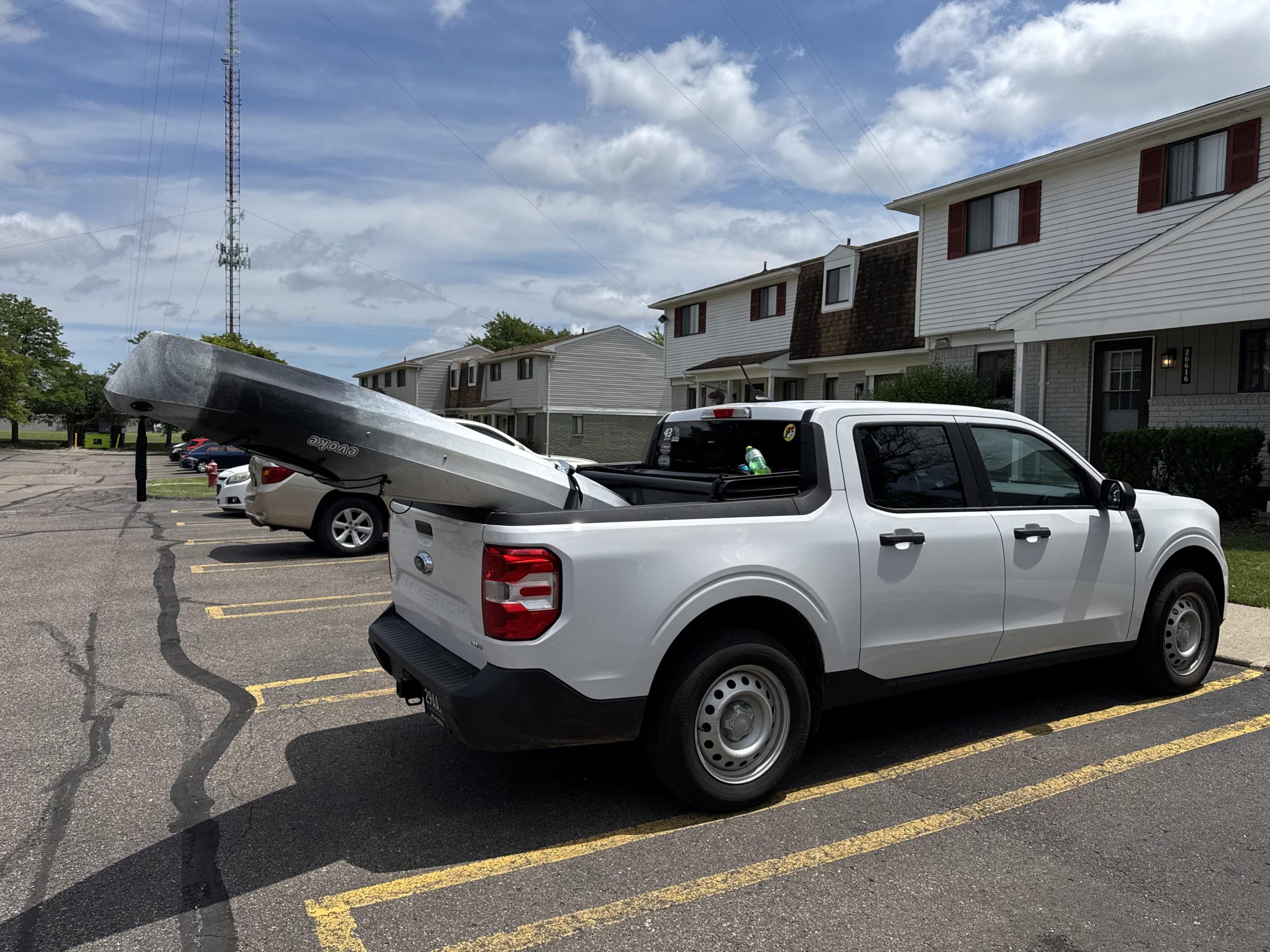
A kayak can hang out up to 4 feet beyond the truck bed without special markers. Exceeding this requires a red flag. Always check local regulations for specific rules on overhang limits to ensure compliance. Proper securing is essential for safe transport.
What Is The Easiest Way To Transport A Kayak?
Use a roof rack or kayak trailer for easy transport. Secure the kayak with straps. Ensure balanced weight distribution and check local regulations for safe travel.
Should Kayaks Be Transported Up Or Down?
Transport kayaks facing downward on a roof rack. This position prevents wind damage and enhances stability during travel. Ensure kayaks are securely fastened with straps to avoid movement. Proper placement minimizes risk and ensures safety on the road. Follow manufacturer guidelines for specific transport recommendations.
Conclusion
Hauling kayaks in a truck doesn’t have to be difficult. With these simple tips, you can secure your kayak safely. Use proper straps and equipment. Ensure the kayak is tightly fastened. Always check for stability before driving. Consider weather conditions and adjust accordingly.
Safety should always be a priority. Now, you’re ready for your next adventure on the water. Load up, buckle in, and enjoy the journey. Keep your kayak safe and your trip stress-free. Happy hauling, and see you on the water!