
Are you ready to hit the waters but unsure about one crucial skill—holding your kayak paddle correctly? You’re not alone.
Gripping your paddle the right way can transform your kayaking experience, making it smoother and more enjoyable. Imagine gliding effortlessly across the water, cutting through waves with ease, all because you mastered this simple yet vital technique. This isn’t just about efficiency; it’s about feeling confident and in control.
By the end of this guide, you’ll not only know how to hold your kayak paddle like a pro but also why it matters so much to your overall kayaking adventure. Curious to learn the secrets of seasoned kayakers? Keep reading, and unlock the power of proper paddling.
Choosing The Right Paddle
Grip the kayak paddle with hands slightly wider than shoulder-width. Keep your knuckles upward and thumbs pointing inward. Ensure your elbows are slightly bent to maintain control and comfort during paddling.
Choosing the right kayak paddle is crucial for an enjoyable experience. A well-suited paddle ensures comfort and efficiency. It can also prevent fatigue during long sessions. Consider several factors when selecting your paddle. Length, material, blade shape, and size all play a role. Each element affects how you paddle and your kayak’s performance.Length And Material Considerations
The paddle’s length depends on your height and kayak width. Taller individuals or wider kayaks need longer paddles. A shorter paddle suits smaller paddlers or narrow kayaks. Material choice impacts weight and durability. Aluminum paddles are affordable and sturdy. Fiberglass options are lightweight and flexible. Carbon fiber paddles offer the best performance. They are light and reduce fatigue, ideal for long trips.Blade Shape And Size
Blade shape affects your paddling style. Symmetrical blades provide consistent strokes. Asymmetrical blades are more efficient and reduce twisting. The size of the blade also matters. Larger blades offer more power. They suit strong paddlers or turbulent waters. Smaller blades are easier to handle. They are perfect for beginners and calm waters. Choose a blade that fits your strength and conditions.
Credit: www.facebook.com
Understanding Paddle Anatomy
Understanding paddle anatomy helps in holding a kayak paddle correctly. Grip the paddle with hands shoulder-width apart. Keep knuckles aligned with the blade’s face for efficient strokes.
Understanding how to hold a kayak paddle starts with knowing its anatomy. A paddle is more than just a tool; it’s a key to navigation and efficiency on water. Each part of the paddle plays a crucial role in your kayaking experience.Shaft Types And Grip Areas
The shaft is the long part of the paddle. Shafts come in different materials like aluminum, fiberglass, and carbon. Each material affects the paddle’s weight and flexibility. The grip area is where your hands meet the paddle. It’s often marked or textured for better hold. Proper hand placement ensures effective strokes and reduces fatigue.Blade Orientation And Alignment
The blades are the flat, wide ends of the paddle. Blade orientation refers to the angle at which the blades cut through the water. Proper alignment ensures smooth strokes and maximizes propulsion. Look for a slight angle when paddling. This helps in slicing through water efficiently. Understanding this alignment can greatly improve your paddling technique.Basic Hand Position
Understanding the basic hand position is key for effective kayaking. It ensures balance and control over the paddle. With the right grip, you can paddle efficiently and reduce fatigue. Let’s dive into the details.
Finding The Perfect Hand Spread
Your hands should be shoulder-width apart. This provides optimal control and power. To find the perfect spread, hold the paddle above your head. Your elbows should form a 90-degree angle. This position helps maintain a natural grip. Adjust until it feels comfortable and balanced.
Grip Pressure And Relaxation
A relaxed grip prevents fatigue and increases flexibility. Hold the paddle firmly but not too tight. Your thumbs and fingers should create a gentle circle. Tight grips can lead to hand strain. Relax your hands during the paddle stroke. This helps maintain energy for longer trips.

Credit: www.instagram.com
Techniques For Efficient Paddling
Perfecting your paddling technique can significantly enhance your kayaking experience. Efficient paddling not only conserves energy but also increases your speed and control on the water. Whether you’re a novice or an experienced kayaker, understanding the nuances of paddling can make your journey more enjoyable and less tiring.
High Angle Vs Low Angle Paddling
Choosing between high angle and low angle paddling largely depends on your kayaking goals. High angle paddling is ideal for speed and power. It involves a more vertical paddle stroke, which is great for racing or covering long distances quickly.
On the other hand, low angle paddling is more relaxed and suitable for leisurely trips. This technique uses a more horizontal stroke, reducing strain on your shoulders and allowing for a smoother glide. Experiment with both styles to find what feels most comfortable for your body.
Switching Hands And Stroke Rhythm
Seamlessly switching hands while maintaining a steady rhythm is crucial for efficient paddling. As you push the paddle into the water, allow your torso to rotate naturally. This rotation helps distribute the work evenly across your upper body.
Maintaining a consistent stroke rhythm keeps your kayak moving smoothly. Try counting your strokes or using a metronome app to keep a steady pace. Have you ever noticed how the best kayakers seem to glide effortlessly? Their secret often lies in a well-practiced rhythm.
Common Mistakes To Avoid
Kayaking is a thrilling adventure, but it requires proper technique. Holding the paddle correctly enhances your experience and efficiency. Many paddlers make common mistakes, leading to discomfort or reduced performance. Let’s explore these pitfalls and how to avoid them.
Over-gripping The Shaft
Many beginners tend to grip the paddle too tightly. This can cause fatigue and strain on your hands and arms. A tight grip reduces flexibility, making it hard to adjust your strokes. Instead, hold the paddle lightly. Allow your hands to move smoothly with each stroke. This relaxed grip helps maintain energy for longer trips.
Incorrect Blade Orientation
Blade orientation is crucial for effective paddling. Some paddlers hold the blades at the wrong angle. This mistake can slow you down and cause unnecessary splashing. Ensure the blades are angled correctly for a clean entry into the water. The concave side should face you as you paddle forward. Proper orientation helps in maintaining a steady and efficient stroke.

Credit: www.amazon.com
Practicing With Purpose
Practicing with purpose is essential to mastering the art of holding a kayak paddle. It’s not just about repetition; it’s about intentional and focused practice that refines your technique. Whether you’re aiming to improve your grip, increase your paddling efficiency, or track your progress, each session should be a step towards becoming a better kayaker.
Drills For Grip Improvement
Your grip on the paddle is crucial for maintaining control and power. Engage in drills that challenge your grip strength and adaptability. Try alternating between different grip styles, such as the power grip and the relaxed grip, while paddling. This not only strengthens your hands but also helps you find the most comfortable and effective grip for different conditions.
Consider adding resistance bands to your routine. Wrap them around the paddle and practice paddling motions. This adds extra resistance, enhancing your grip strength over time. Remember, consistency is key, so incorporate these drills regularly into your practice sessions.
Progress Tracking And Feedback
Tracking your progress is vital to understanding how far you’ve come and what areas need improvement. Keep a paddling journal to record your sessions, noting the drills you performed and the challenges you faced. This reflection helps you identify patterns and areas to focus on in future practices.
Seek feedback from fellow kayakers or instructors. Their insights can highlight aspects of your technique that you might overlook. Sometimes, a fresh perspective can offer invaluable tips that propel your skills forward. So, are you ready to paddle with purpose and see the difference?
Safety Tips
Grip the paddle firmly with hands shoulder-width apart for better control. Keep your knuckles aligned with the blade’s edge. Relax your grip to reduce strain and enhance maneuverability.
Safety Tips When kayaking, protecting yourself is essential. Holding the paddle correctly can prevent injuries. Safety tips ensure a pleasant and secure experience on the water.Protecting Hands And Wrists
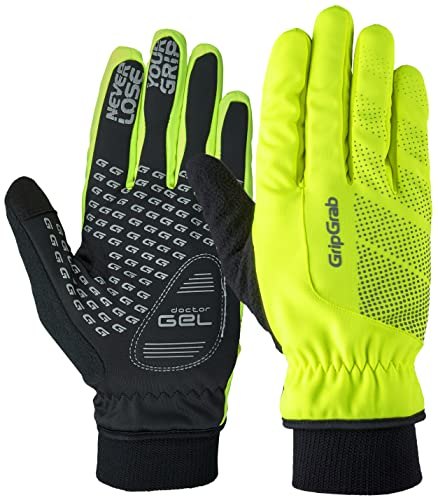
Using gloves can prevent blisters and skin irritation. Choose gloves with padding for extra comfort. They also provide a better grip on the paddle. Keep your wrists straight while paddling. Bending them can cause strain. Wrist guards offer additional support and protection. Stretch your hands and wrists before and after kayaking. This reduces tension and increases flexibility. It helps prevent soreness and injuries.Dealing With Fatigue
Take breaks during kayaking trips. Resting allows your muscles to recover. It helps maintain energy and focus. Hydrate frequently to avoid exhaustion. Water keeps you refreshed and alert. Bring enough water for the entire journey. Eat snacks that give you energy. Choose light foods like nuts and fruits. They provide nutrients without weighing you down.Frequently Asked Questions
Which Way Do I Hold My Kayak Paddle?
Hold your kayak paddle with both hands shoulder-width apart. Ensure the concave side faces you. Align the blades with the top edge angled slightly forward for efficient paddling. Keep your grip relaxed to avoid fatigue and maintain control. Rotate the paddle shaft for smooth strokes.
What’s The Correct Way To Paddle A Kayak?
Sit up straight and hold the paddle with both hands. Dip one blade into the water. Rotate your torso as you pull the paddle back. Alternate sides smoothly to maintain balance and direction. Use your core muscles for power, not just your arms.
How To Correctly Hold A Paddle?
Hold the paddle by gripping the handle firmly with your dominant hand. Place your thumb and fingers around the handle. Ensure your non-dominant hand supports the paddle shaft. Keep the paddle perpendicular to the water for balance. Adjust grip as needed for comfort and control.
What Are The Three Golden Rules Of Kayaking?
Wear a life jacket, check weather conditions, and know your limits. Prioritize safety to enjoy kayaking adventures.
Conclusion
Paddling a kayak is both fun and rewarding. Holding your paddle right helps control and speed. Practice makes perfect, so don’t rush. Pay attention to your hand placement and paddle angle. These small details make a big difference. Stay patient and consistent.
Over time, your paddling will improve. Enjoy your time on the water. Feel the rhythm and flow. Happy kayaking!