Are you ready to double the fun on your next water adventure? Learning how to kayak with two people opens up a world of excitement and collaboration.
Imagine gliding across serene lakes or tackling thrilling rapids with a partner by your side. But, before you dive in, understanding the basics of tandem kayaking is crucial for an enjoyable and safe experience. In this guide, we’ll break down everything you need to know, from choosing the right kayak to mastering teamwork on the water.
Stick with us, and you’ll soon be paddling in sync, creating unforgettable memories on the water. Let’s get started!
Benefits Of Tandem Kayaking
Tandem kayaking offers unique experiences for adventure seekers and nature lovers. Sharing a kayak with another person brings a host of benefits. You build teamwork skills and create lasting memories. Tandem kayaking is perfect for beginners and seasoned paddlers alike. Let’s explore the benefits of kayaking with a partner.
1. Strengthened Teamwork And Communication
Two-person kayaking requires good communication. Each paddler must coordinate their strokes. This fosters teamwork and improves communication skills. You learn to listen and respond to your partner. This strengthens bonds and builds trust.
2. Increased Stability And Safety
Tandem kayaks are more stable than solo kayaks. They have a wider base, reducing the risk of capsizing. This makes them ideal for families or new kayakers. The added stability also enhances safety on the water. You feel more secure and confident in a tandem kayak.
3. Shared Physical Effort
In a tandem kayak, two people share the paddling effort. This reduces fatigue and allows for longer trips. Each paddler can rest while the other continues. This makes tandem kayaking less physically demanding. It’s perfect for those who want a leisurely paddle.
4. Enhanced Social Experience
Kayaking with a partner makes the experience more social. You can chat, laugh, and share the sights together. This creates a more enjoyable and memorable outing. It’s a great way to bond with friends or family members.
5. Cost-effective Adventure
Renting one tandem kayak is often cheaper than two single kayaks. This makes it a budget-friendly option for adventurers. You can explore beautiful waterways without breaking the bank. Tandem kayaking is accessible to everyone.

Credit: www.goodwave.co
Choosing The Right Tandem Kayak
Choosing the right tandem kayak ensures a smooth and enjoyable two-person paddling experience. Consider size, stability, and comfort for the best fit. Test different models to find one that meets your needs and enhances your adventures.
Choosing the right tandem kayak can transform your kayaking experience from a wobbly trial to a serene adventure. Whether you’re planning a peaceful paddle on a lake or a more challenging river journey, selecting the right kayak is crucial. It’s not just about picking any two-seater; it’s about finding one that fits your needs and enhances your experience on the water.Types Of Tandem Kayaks
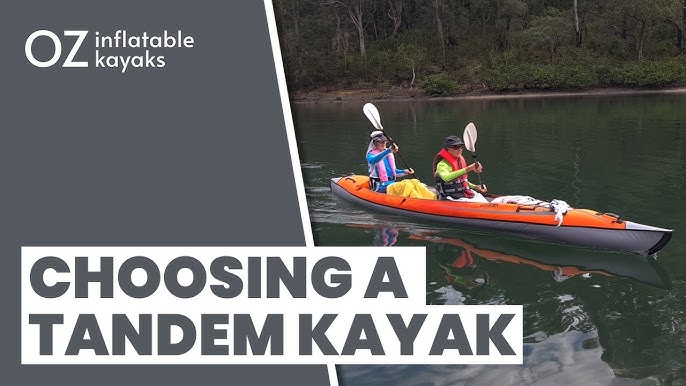
Understanding the different types of tandem kayaks is your first step. Recreational tandem kayaks are designed for calm waters like lakes and slow rivers. They offer stability and comfort, making them perfect for beginners or those looking for a relaxing paddle. Touring tandem kayaks are built for longer distances and varying water conditions. They are sleek and can handle rougher waters with ease, making them ideal for more experienced paddlers who want to explore further. Inflatable tandem kayaks offer portability and ease of storage. They’re great for those with limited storage space or who travel often. They might not be as fast or track as well as hard-shell kayaks, but their convenience is unmatched.Considerations For Selection
When selecting a tandem kayak, consider your paddling goals and environment. Are you planning short trips on calm waters, or longer journeys on more challenging waters? The kayak type should align with your intended use. Think about the weight capacity. Ensure the kayak can comfortably hold you, your paddling partner, and any gear you plan to bring. Overloading can affect stability and performance, so choose wisely. Pay attention to the comfort features. Look for adjustable seats, ample legroom, and sufficient storage space. Your comfort on the water can significantly impact your overall enjoyment. Have you thought about the transportability? If you don’t have a roof rack or trailer, an inflatable model might be the best option for you. Consider how you’ll get your kayak from home to the water. Lastly, think about your budget. Tandem kayaks vary widely in price, and while it might be tempting to go for the cheapest option, investing in quality can pay off in the long run with better performance and durability. Choosing the right tandem kayak can seem daunting, but by understanding the types available and considering your specific needs, you can find the perfect fit for your adventures. So, what are you waiting for? The water is calling!Essential Gear For Tandem Kayaking
Essential Gear for Tandem Kayaking Paddling as a team requires the right equipment. Life jackets, paddles, and a sturdy kayak are crucial. Comfortable clothing and waterproof storage for essentials enhance the experience. Safety gear like whistles and lights ensures a secure adventure on the water.
Essential Gear for Tandem Kayaking Tandem kayaking offers a unique adventure. It requires specific gear for a smooth experience. Proper equipment ensures safety and comfort. Investing in quality items makes the journey enjoyable.Safety Equipment
Safety is crucial in tandem kayaking. Life jackets are mandatory for all participants. Choose jackets designed for paddling. They offer flexibility and buoyancy. Helmets protect against head injuries. Particularly important in rocky waters. A whistle is another essential item. It helps signal for assistance. Lastly, carry a first-aid kit. It prepares you for minor injuries.Comfort And Convenience
Comfort enhances the kayaking experience. Use padded seats for long trips. They reduce fatigue. Adjustable footrests cater to different heights. Allowing both paddlers to fit comfortably. Bring a dry bag for personal items. It keeps valuables safe and dry. A splash guard prevents water from entering the kayak. Keeping you dry during the journey. Lastly, consider a kayak cart. It helps transport the kayak easily.Understanding Tandem Dynamics
Tandem kayaking requires coordination and communication between paddlers. Balance and rhythm are key to moving efficiently. Practicing turns and strokes together ensures a smooth and enjoyable experience on the water.
Understanding Tandem Dynamics Kayaking with a partner in a tandem kayak offers a unique blend of teamwork and adventure. It’s not just about paddling in sync; it’s about harnessing the dynamics between two individuals to glide smoothly through the water. If you’ve ever wondered how to make the most out of a two-person kayak, understanding tandem dynamics is your gateway to a successful journey.Communication Techniques
Effective communication is the backbone of tandem kayaking. Before hitting the water, agree on basic signals for steering, stopping, and emergencies. This can be as simple as tapping the paddle on the side of the kayak or a quick verbal cue. While paddling, maintain an open line of dialogue. A simple “left” or “right” can help navigate tricky turns. Remember, it’s not about who leads, but how well you share the experience.Balancing And Coordination
Balance in a tandem kayak is crucial. The person in the back should focus on steering, while the front paddler sets the pace. This division of roles ensures that both paddlers work in harmony. To achieve smooth coordination, synchronize your paddle strokes. Start with a steady rhythm and gradually increase the pace as you gain confidence. It’s like a dance on water where each move complements the other. Have you ever felt the kayak tip slightly? That’s a cue to adjust your weight distribution. By shifting a little or switching paddling intensity, you can stabilize the kayak effectively. Embrace the challenge of tandem kayaking by understanding these dynamics. It’s not just about the destination but the journey you share with your partner.Basic Tandem Paddling Techniques
Kayaking with two people requires teamwork and coordination. Proper techniques make the experience enjoyable and efficient. Understanding how to paddle together smoothly ensures a fun adventure on the water.
Synchronizing Strokes
Working in unison is key. Both paddlers should match their strokes. This prevents the kayak from wobbling side to side. The front paddler sets the rhythm. The rear paddler follows the pace. Practice helps to find a comfortable speed. Communicate to adjust speed if needed. Stay consistent for a smooth ride.
Steering And Maneuvering
Turning a tandem kayak needs cooperation. The back paddler is the main driver. To turn right, the back paddler paddles on the left side. To go left, paddle on the right. The front paddler maintains a steady pace. This keeps the kayak moving forward. Quick turns might require more effort. Remember to communicate clearly. Use simple commands to avoid confusion.

Credit: www.facebook.com
Advanced Tandem Paddling Skills
Kayaking with a partner opens up new adventures. Advanced tandem paddling skills help you navigate challenges together. These skills are essential for tackling rough waters and tight spaces. With practice, you can improve your coordination and communication.
Handling Rough Waters
Rough waters demand focus and teamwork. Communicate clearly to keep the kayak stable. Use synchronized strokes for better control. Anticipate waves and adjust your paddling rhythm. Quick and coordinated actions prevent capsizing.
Navigating Tight Spaces
Tight spaces require precise maneuvers. Short, controlled strokes help you navigate obstacles. Communicate directions to avoid collisions. Practice turning techniques for sharp turns. Maintain a steady pace to steer effectively.
Troubleshooting Common Challenges
Paddling a two-person kayak can be tricky at first. Clear communication between partners is key. Balancing weight evenly helps maintain stability and prevent capsizing.
Troubleshooting common challenges while kayaking with a partner can be crucial for a seamless experience. Knowing how to tackle these issues ensures a smoother ride, enhancing both safety and enjoyment. Below, explore solutions to frequent problems in tandem kayaking.Dealing With Capsizing
Capsizing can be scary but manageable. First, stay calm. Panic makes the situation worse. Communicate with your partner. Sync your movements to stabilize the kayak. Use your paddles as support. They help in balance and steering. If you fall into the water, hold onto the kayak. It’s your flotation device. Practice re-entering the kayak. This skill is essential. Wear a life jacket. It guarantees safety in emergencies.Improving Teamwork
Teamwork is key in tandem kayaking. Communicate clearly with each other. Discuss roles before starting. Decide who leads and who follows. Sync your paddling rhythm. It prevents zigzagging. Use verbal cues for direction changes. Encourage each other constantly. Trust builds over time. Practice together regularly. Familiarity enhances coordination. Celebrate small victories. They boost confidence and morale.Tips For A Successful Tandem Kayaking Experience
Coordinate your paddling rhythm to maintain balance and avoid drifting. Communicate clearly to navigate turns and obstacles efficiently. Practice steering techniques for smooth and enjoyable tandem kayaking adventures.
Embarking on a tandem kayaking adventure can be an exhilarating way to bond with your paddling partner and explore nature together. However, ensuring a smooth and enjoyable experience requires a bit of preparation and teamwork. Here are some essential tips for a successful tandem kayaking experience that will help you make the most of your journey.Planning Your Route
Before setting out, take time to plan your kayaking route. Consider the skill levels of both paddlers to choose a suitable path. Research the water conditions and weather forecasts to avoid surprises. Communicate with your partner about the goals for the day. Are you looking for a leisurely paddle or an intense workout? Understanding each other’s expectations will help create a harmonious experience. Pack essentials like a map, GPS, or a smartphone with navigation apps. This ensures you stay on track and can handle unexpected detours without stress.Maximizing Enjoyment
To enhance the fun, synchronize your paddling rhythm. This not only boosts efficiency but also strengthens teamwork. A simple count or verbal cues can keep you in sync. Share responsibilities to ensure everyone feels involved. Whether it’s managing navigation or keeping an eye on the surroundings, dividing tasks fosters cooperation. Bring along some snacks and water for breaks. Enjoying a quick bite while soaking in the scenery can be a delightful pause in your journey. Lastly, embrace spontaneity. Allow room for impromptu stops and exploration. These unexpected moments often become the most cherished memories. What small adjustments can you make to transform a good day on the water into a great one? Consider these tips, and let the water guide you to an unforgettable tandem kayaking experience.
Credit: www.costway.com
Frequently Asked Questions
How To Kayak Properly With Two People?
Position the stronger paddler at the back for steering. Sync paddle strokes for balance. Communicate often to coordinate movements. Keep the kayak straight by paddling evenly. Practice together for smoother teamwork.
Who Steers In A 2 Person Kayak?
The person seated at the back of a two-person kayak is responsible for steering. They use the paddle to control direction and maintain balance. Effective communication with the front paddler ensures smooth navigation and coordination.
Is Kayaking Easier With Two People?
Kayaking with two people can be easier. Tandem kayaking allows shared paddling efforts, making it less tiring. Communication is key for coordination and balance. Beginners often find tandem kayaks more stable, enhancing confidence. Choose a tandem kayak for a more enjoyable and collaborative experience on the water.
What Are The Three Golden Rules Of Kayaking?
The three golden rules of kayaking are: wear a life jacket, never paddle alone, and always check the weather conditions. These rules ensure safety, preparedness, and enjoyment on the water. Always prioritize safety and awareness while kayaking.
Conclusion
Kayaking with two people can be a fun adventure. Communication is key. Always coordinate with your partner for smooth paddling. Safety should be a priority. Wear life jackets and stay alert. Practice makes perfect. Spend time getting comfortable with the kayak.
Enjoy the water and the teamwork involved. These tips will help you enjoy your kayaking journey. Remember, patience and cooperation lead to a better experience. Happy kayaking with your partner!