
Imagine gliding effortlessly across a serene lake, surrounded by nature’s beauty. That sense of tranquility and adventure is what kayaking offers, and mastering the art of paddle technique can make all the difference.
Whether you’re a beginner eager to learn the ropes or someone looking to refine your skills, understanding how to kayak paddle correctly is essential. Does your paddle feel awkward, or do you tire quickly? You’re not alone. Many new kayakers struggle with these common issues.
But, with the right guidance, you can transform your paddling experience into something smooth and enjoyable. This guide will show you how to harness the power of each stroke, helping you move through the water with ease and confidence. Dive in to discover the secrets of efficient paddling, and get ready to enhance your kayaking adventures.

Credit: www.amazon.com
Choosing The Right Paddle
Choosing the right kayak paddle involves considering the blade shape and size for efficient strokes. Material and weight affect comfort and performance during paddling. Proper length is key to ensuring a smooth kayaking experience.
Choosing the right paddle can significantly enhance your kayaking experience. A well-chosen paddle makes each stroke efficient, reducing fatigue and keeping you on course. Let’s dive into the details so you can select a paddle that perfectly fits your kayaking style and needs.Paddle Length And Material
Selecting the correct paddle length is crucial for comfort and efficiency. A paddle that’s too long can make paddling awkward and exhausting, while a too-short paddle may not provide enough reach. Consider your height, the width of your kayak, and your paddling style when choosing the length. Material also plays a significant role in performance and comfort. Lightweight materials like carbon fiber or fiberglass are excellent for reducing strain on long trips. They may be more expensive, but the investment is worthwhile if you kayak frequently.Blade Shape And Size
The shape and size of the paddle blade affect the water’s grip and your control over the kayak. Larger blades provide more power with each stroke, which is beneficial for quick acceleration or when paddling against strong currents. However, they can also be more tiring. Smaller blades are ideal for a relaxed paddling pace and are better suited for long distances. Consider the kind of kayaking you enjoy—speed or leisure—and choose a blade shape that complements your adventure. Have you ever felt your paddle wasn’t quite right? Maybe it’s time to reassess your choice and make paddling a more enjoyable experience.Basic Paddle Strokes
Learning basic paddle strokes is essential for kayaking. Forward strokes move the kayak ahead, while backward strokes help reverse direction. Sweep strokes are used for turning.
Understanding the basic paddle strokes is essential for anyone who wants to kayak effectively. Mastering these strokes will not only enhance your kayaking skills but also make your adventure more enjoyable. Each stroke serves a unique purpose, ensuring you can maneuver smoothly and efficiently on the water.Forward Stroke
The forward stroke is your go-to for moving the kayak straight ahead. Begin by sitting upright and holding your paddle with a relaxed grip. Dip the paddle blade fully into the water near your toes and pull it back alongside the kayak, finishing at your hip. It’s crucial to engage your core rather than relying solely on your arms. This technique not only propels you forward but also conserves energy. Have you ever noticed how seasoned kayakers glide seamlessly through the water? Their secret lies in this efficient stroke.Reverse Stroke
Need to slow down or backtrack? The reverse stroke is your answer. It’s the opposite of the forward stroke, where you push the paddle blade from your hip towards the front of the kayak. Keep your strokes symmetrical to maintain balance. This stroke is invaluable when navigating tight spots or avoiding obstacles. Practice it frequently and soon, reversing will feel as natural as moving forward.Sweep Stroke
Turning your kayak with ease requires mastering the sweep stroke. Extend the paddle blade outwards and make a wide arc from the front to the back of your kayak. The wider the arc, the more your kayak will turn. Imagine trying to steer a kayak in a narrow river bend; the sweep stroke becomes your best ally. Perfecting this stroke adds a level of agility to your kayaking adventures, making you feel more in control. Each of these strokes plays a critical role in your kayaking journey. Which stroke do you find most challenging?Proper Paddle Grip
Gripping the paddle correctly enhances control and efficiency in kayaking. Hold it with relaxed hands, keeping your knuckles aligned with the blade. Adjust the grip to suit the conditions and your paddling style.
Getting a proper grip on your kayak paddle is essential for effective and efficient paddling. Without mastering this fundamental skill, you might find yourself wasting energy or even straining your muscles. Let’s dive into the key components of a proper paddle grip that can transform your kayaking experience.Hand Positioning
Ensuring your hands are correctly positioned on the paddle is crucial. Start by placing your paddle on top of your head and adjust your hands so that your elbows form a 90-degree angle. This is typically the most comfortable and efficient hand positioning. When you bring the paddle down, your hands should be equidistant from the paddle blades. This balance will help in delivering power evenly through each stroke. Next time you’re out on the water, take a moment to check and adjust your hand positioning. You might be surprised at how a small tweak can enhance your paddle strokes.Relaxed Grip Technique
A relaxed grip is key to preventing fatigue and maintaining control. Gripping too tightly can cause unnecessary tension in your arms and shoulders. Keep your fingers comfortably wrapped around the shaft, but don’t squeeze. Imagine holding a baby bird—firm enough to secure it, but gentle enough not to harm. Try practicing this grip while stationary in the water. Notice how your paddle feels in your hands and adjust your grip until you find a balance between control and relaxation. This technique not only conserves your energy but also enhances your paddling efficiency. Have you ever noticed how your grip changes during long paddles? Reflecting on this can help you understand the importance of relaxation in maintaining endurance. Next time you’re kayaking, pay attention to your grip and see how it affects your overall performance.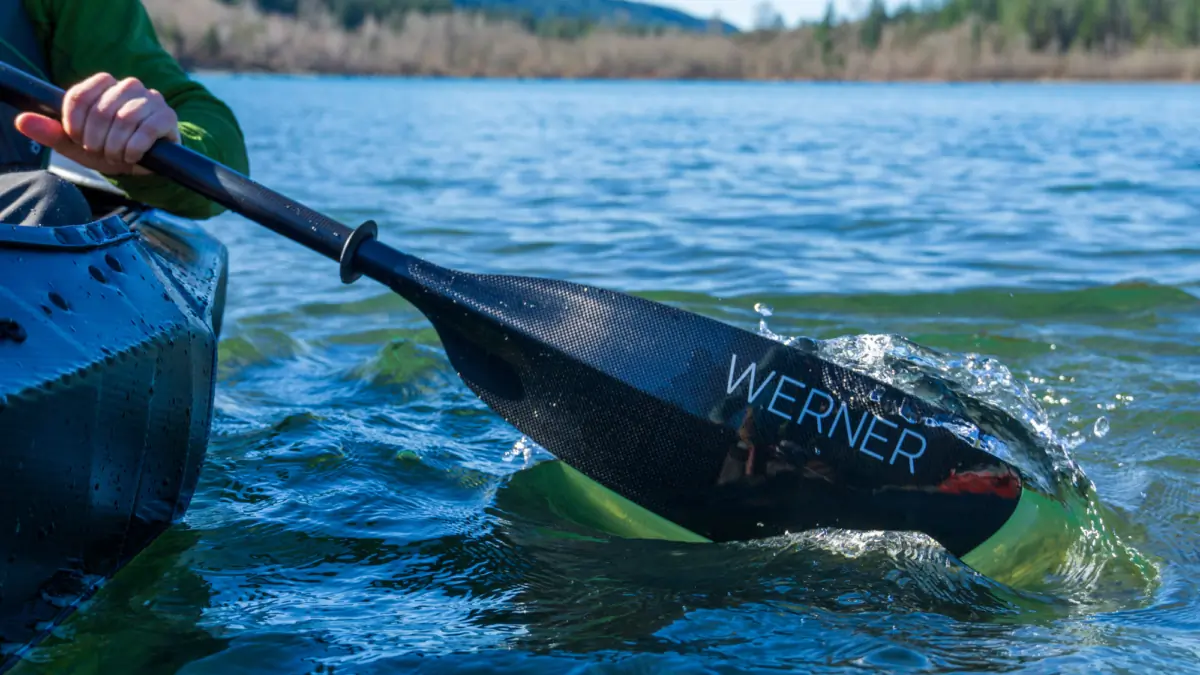
Credit: gearjunkie.com
Body Position And Movement
Mastering body position and movement is crucial for effective kayaking. Proper posture and movement ensure stability and efficiency. They help you glide smoothly through the water. Understanding these elements makes paddling easier and more enjoyable.
Posture For Stability
Keep your back straight while paddling. Sit up tall in the kayak. Your shoulders should be relaxed and open. This posture distributes your weight evenly. It enhances your balance on the water.
Position your feet firmly against the footrests. This provides a solid base. It helps you stay stable. Bend your knees slightly for comfort. This position aids in absorbing the kayak’s motion.
Using Core Muscles
Engage your core muscles for better paddling. Your core includes your abdomen, sides, and back. Using these muscles gives you more power with each stroke.
Rotate your torso as you paddle. This motion should come from your core. It reduces strain on your arms. It also increases your paddling efficiency. Strong core muscles help you paddle longer without tiring.
Turning And Maneuvering
Turning and maneuvering a kayak requires practice and skill. Effective turning techniques ensure a smooth and enjoyable paddling experience. By mastering these skills, you can navigate through different water conditions with ease.
Using The Sweep Stroke
The sweep stroke is essential for turning your kayak. To perform it, extend your paddle forward near the bow. Sweep the paddle outward in a wide arc, moving it toward the stern. Keep your torso engaged, rotating with the paddle movement. This technique helps create a gentle turn. Practice sweeping on both sides for balanced skills. Remember, a longer stroke equals a sharper turn.
Edging For Better Turns
Edging involves tilting your kayak slightly to one side. This technique uses the kayak’s hull shape to aid turning. To edge, shift your weight onto one hip. Lean your body slightly toward the turn direction. This will lower one side of the kayak. The lowered side creates resistance, allowing sharper turns. Use edging along with paddle strokes for effective maneuvering.
Safety Tips For Beginners
Kayaking can be an exhilarating adventure, offering a unique way to connect with nature. However, as a beginner, it’s crucial to prioritize safety to ensure a fun and secure experience on the water. Whether you’re paddling on a serene lake or navigating a rushing river, being prepared and aware can make all the difference. Let’s dive into some essential safety tips for beginners.
Wearing A Life Jacket
Never underestimate the importance of wearing a life jacket. No matter how confident you feel, unexpected situations can occur on the water. A life jacket is your first line of defense.
Choose a life jacket that fits snugly but comfortably. It should allow for freedom of movement while ensuring you stay afloat in case of an accident.
Check the jacket for wear and tear before heading out. A damaged life jacket might not perform well when needed. Prioritize safety over style—it’s about protection, not fashion.
Weather And Water Conditions
Always check the weather forecast before your kayaking adventure. Calm skies can quickly turn stormy, dramatically altering water conditions.
Consider the water temperature too. Cold water can lead to hypothermia, even if the air feels warm. Dress appropriately to protect against unexpected chills.
Observe the water conditions. Fast-moving currents or high waves can be intimidating and dangerous for beginners. Choose calm waters to practice and build confidence.
Have you ever had a close call while kayaking? Learning from personal experiences can make you more vigilant and prepared. Safety is not just about gear; it’s about awareness and respect for nature’s unpredictability.
Building Confidence On Water
Learning how to kayak paddle builds confidence on water. Grasp the paddle firmly and keep strokes consistent. Practice steering by alternating strokes, and maintain balance for a smooth ride.
Building confidence on water is essential for every kayaker. It ensures a safe and enjoyable experience. Gaining confidence starts with understanding basic techniques. This involves practicing in controlled environments. Knowing how to handle a kayak boosts self-assurance. Let’s explore ways to build confidence.Practicing In Calm Waters
Begin in quiet areas like lakes or small ponds. These waters are gentle and predictable. They allow you to focus on technique rather than currents. Practicing here helps you learn the basics without stress. It’s a perfect setting for beginners. Paddle slowly and feel the water. Understand the kayak’s movement. This helps you gain control and confidence.Gradual Skill Development
Start with simple paddling strokes. Mastering these builds a strong foundation. Once comfortable, try more advanced techniques. Gradually increase the difficulty level. This steady progression prevents overwhelm. It keeps the learning process enjoyable and engaging. Each new skill boosts your confidence. Take your time to practice regularly. This ensures that skills become second nature.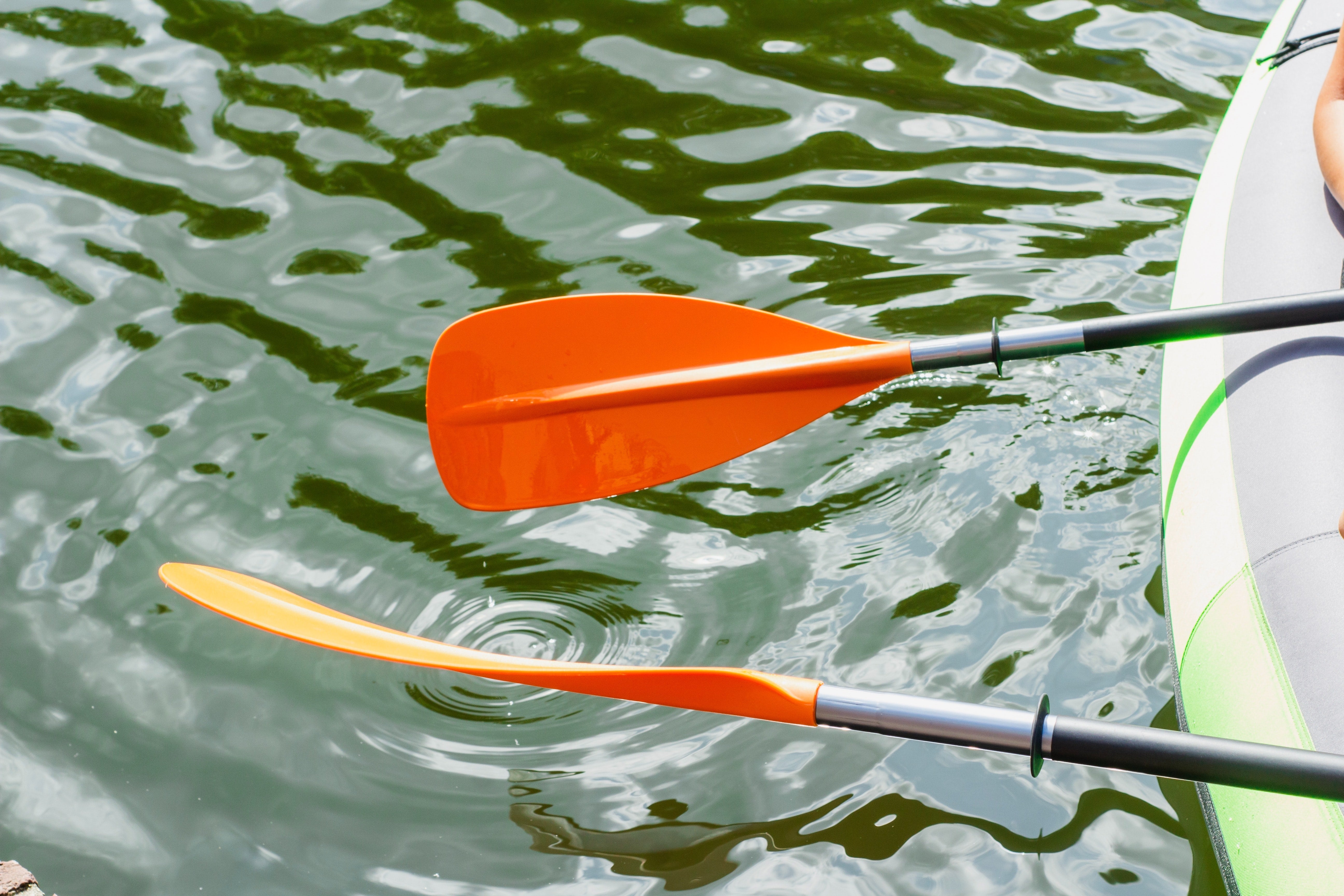
Credit: www.baysports.com.au
Frequently Asked Questions
What’s The Correct Way To Paddle A Kayak?
Hold the paddle with hands shoulder-width apart. Keep the blade vertical and dip it into the water. Use a smooth, powerful stroke while twisting the torso. Alternate sides to maintain balance and direction. Aim for consistent rhythm and practice for efficiency.
What Are The Three Golden Rules Of Kayaking?
The three golden rules of kayaking are: always wear a life jacket, know the weather conditions, and paddle within your skill level. These guidelines ensure safety and enhance the overall kayaking experience. Prioritize safety and stay informed about your surroundings.
How To Hold A Kayak Paddle For Beginners?
Grip the paddle with both hands shoulder-width apart. Align the paddle blades with the knuckles. Keep the concave side facing you. Maintain a relaxed grip to prevent fatigue. Adjust your hand placement for comfort and efficiency.
How To Kayak Properly For Beginners?
Start with a stable kayak and wear a life jacket. Use a paddle with a relaxed grip. Practice forward strokes and turning techniques. Keep your balance and posture upright. Respect the water conditions and enjoy the experience.
Conclusion
Kayak paddling offers adventure and exercise. Whether on a lake or river, enjoy nature’s beauty and tranquility. Remember the basics: grip your paddle correctly and maintain a steady rhythm. Practice improves your skills. Safety is key, so wear a life jacket.
Explore different waters to gain experience. Kayaking not only strengthens your body but also clears your mind. Feel the water’s flow and embrace the journey. The more you paddle, the better you get. Dive into this rewarding activity and discover new places.
Your kayak awaits, ready to take you on your next adventure.