
Imagine this: you’ve just had an exhilarating day paddling through serene waters. The last thing you want is to worry about your kayak getting stolen when it’s not in use.
But here’s the reality—kayaks are a tempting target for thieves. They’re valuable, easy to move, and often left in unsecured areas. How can you ensure your prized possession stays safe? Unlocking the secrets to securely locking up your kayak can not only give you peace of mind but also protect your investment.
Whether you’re storing it at home, at a campsite, or on your car, knowing the right techniques can make all the difference. You’ll discover practical steps to deter theft and keep your kayak exactly where it belongs. Dive in to learn how you can make your kayak as secure on land as it is on water.
Choosing The Right Locking System
Securing your kayak is essential for peace of mind. Choosing the right locking system ensures your kayak remains safe when unattended. With various options available, understanding each system’s benefits and drawbacks helps in making an informed decision. Let’s explore the types of locks and their respective advantages and disadvantages.
Types Of Locks For Kayaks
Different locks offer varying levels of security and convenience. Each type serves a unique purpose, fitting different kayaking scenarios. Here are some common lock types for kayaks:
- Cable Locks:Flexible and easy to use, suitable for most situations.
- U-Locks:Provide robust security, best for fixed locations.
- Chain Locks:Versatile and strong, ideal for urban areas.
- Padlocks:Simple and versatile, often used with cable or chain.
Pros And Cons Of Different Locks
Each lock type has its strengths and weaknesses. Understanding these helps in choosing the best fit for your needs:
| Lock Type | Pros | Cons |
|---|---|---|
| Cable Locks | Lightweight, flexible, easy to carry | Can be cut with tools |
| U-Locks | High security, hard to break | Heavy, less flexible |
| Chain Locks | Strong, versatile, adaptable | Heavy, can rust over time |
| Padlocks | Easy to find, affordable | Varying security levels |

Credit: www.facebook.com
Securing The Kayak On A Roof Rack
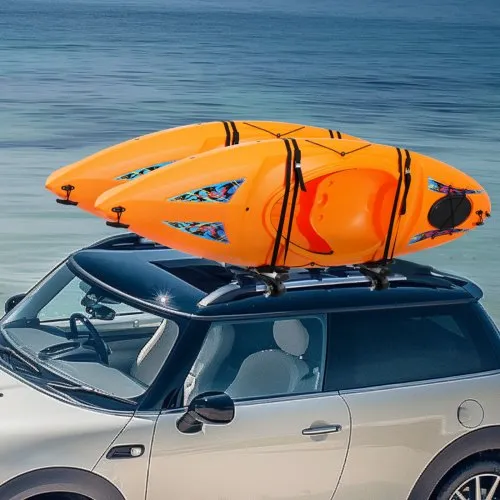
Secure your kayak properly on a roof rack by using locking straps or cables. These tools prevent theft and keep your kayak stable. Remember to check the locks regularly during travel for safety.
Securing your kayak on a roof rack isn’t just about preventing theft; it’s also about ensuring safety on the road. Properly locking up your kayak can save you from unexpected mishaps and give you peace of mind during your travels. Whether you’re heading to the local river or embarking on a long road trip, understanding how to secure your kayak is crucial.Proper Positioning On The Rack
Positioning your kayak correctly on the roof rack is the first step to secure it effectively. The kayak should be centered, ensuring equal weight distribution across the rack. This prevents the vehicle from swaying and keeps your kayak stable. A common mistake is placing the kayak too far forward or backward, risking it sliding during transit. Adjust the kayak’s position so that it’s snugly fitting between the rack arms. Double-check the alignment from different angles to confirm it’s securely positioned.Using Locking Straps
Locking straps are your best friend when it comes to securing your kayak. Unlike regular straps, locking straps come with a mechanism that can be fastened tightly, deterring potential thieves. Begin by threading the straps over the kayak and under the rack bars. Ensure they’re tightly secured, minimizing any movement. A good practice is to twist the straps once before locking them; this adds friction and reduces slippage. It’s worth investing in high-quality locking straps that are durable and weather-resistant. You don’t want to be caught off guard with a strap that fails in the middle of your journey. Have you ever considered how much safer your kayak would be with the added security of locking straps?Protecting Gear With Cable Locks
Protecting your kayak gear is essential for peace of mind. Cable locks are a simple yet effective solution. They secure your kayak and gear, preventing theft. Lightweight and durable, cable locks can be used in various situations. They allow you to lock up paddles, accessories, and the kayak itself.
Securing Paddles And Accessories
Paddles and other accessories are easy targets for thieves. Use a cable lock to secure them. Loop the cable through paddle handles or accessory holes. Attach it to a stationary object or the kayak’s frame. This ensures paddles and gear stay safe when unattended.
Using Combination Or Key Locks
Cable locks come in two main types: combination and key locks. Combination locks are convenient as you don’t need a key. Set a memorable code and secure your gear. Key locks offer high security with a physical key. Choose based on personal preference and security needs. Both provide strong protection for your kayak gear.
Choosing Secure Locations
Choosing secure locations for locking up a kayak is essential. Select areas with good visibility and regular foot traffic. Ensure the spot has sturdy anchor points like trees or poles.
Choosing the right location to lock up your kayak is crucial. It ensures your kayak remains safe and secure. Picking the wrong spot can lead to theft or damage. Consider several factors before deciding where to leave your kayak.Assessing Risk Factors
Evaluate the area’s safety before locking your kayak. High-crime areas pose more risks. Check for any signs of vandalism or theft. Observe the presence of security cameras or patrols. Notice if the area is well-lit at night. All these factors can influence your decision.Selecting Safe Parking Spots
Choose spots with a good reputation for safety. Busy areas with lots of people are often safer. Look for areas close to water sports facilities. These locations usually have security measures in place. Avoid secluded spots where thieves can operate unseen. Always consider the ease of access to your kayak.Techniques For Preventing Theft
Securing a kayak involves using a strong cable lock through a sturdy anchor point. Choose a visible, secure location to deter thieves. Consider investing in a specialized kayak lock for added protection.
Locking up your kayak securely is crucial to prevent theft, especially if you store it in a public or shared space. While standard locks and cables are helpful, advanced techniques offer added security and peace of mind. Here are some innovative ways to protect your kayak from theft.Using Alarm Systems
A kayak alarm system adds an extra layer of security. Look for alarms designed to detect motion or vibration. When someone attempts to tamper with your kayak, the alarm triggers a loud sound, deterring potential thieves. Consider wireless alarm systems that allow remote control via your smartphone. This feature lets you activate or deactivate the alarm easily, even from a distance. A friend once shared how he saved his kayak from being stolen by using a motion-sensitive alarm that alerted him instantly.Implementing Surveillance Solutions
Surveillance cameras can be a powerful deterrent. Installing a camera near your kayak storage area helps monitor activity and captures evidence if theft occurs. Choose cameras with night vision capabilities to ensure visibility in low light. Options like Wi-Fi-enabled cameras allow you to view live footage on your phone, keeping you connected no matter where you are. This can be especially reassuring when you’re away for extended periods. Imagine the confidence of knowing you can check on your kayak anytime. How secure is your kayak setup? Consider combining alarm systems and surveillance for maximum protection.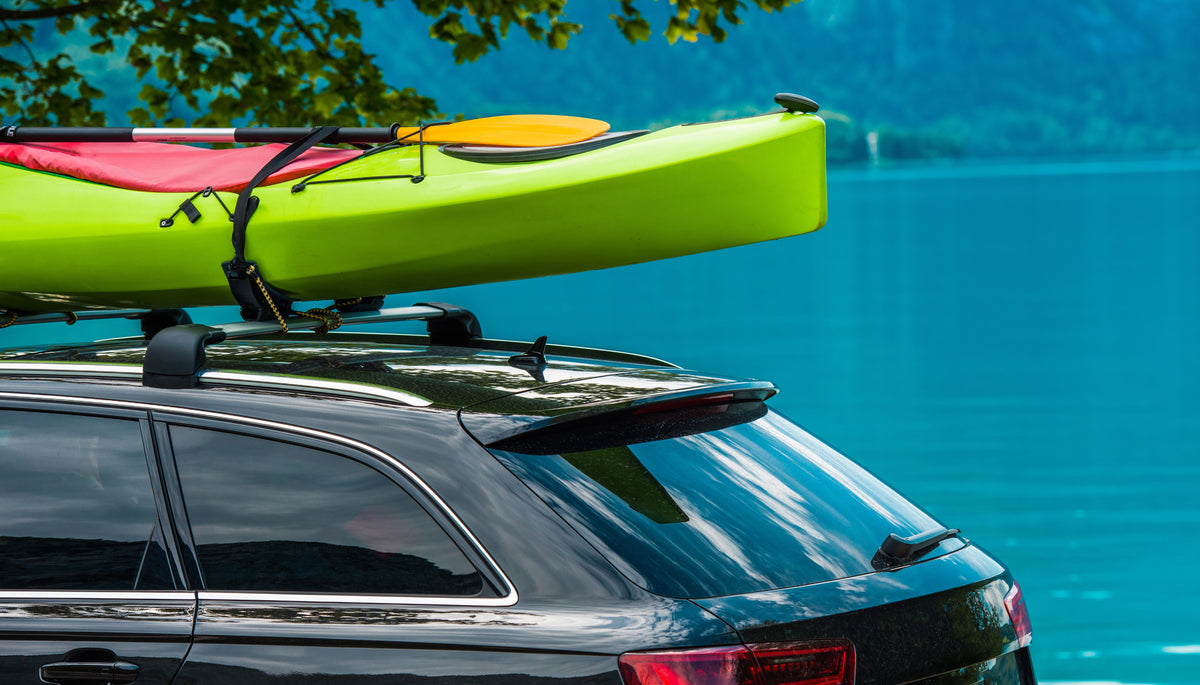
Credit: harubina.co.jp
Maintenance Of Locking Systems
Maintaining the locking system of your kayak is crucial for safety and security. Regular care keeps the lock in top condition, ensuring it functions properly. Neglect can lead to wear and tear, reducing its effectiveness over time.
Regular Checks And Adjustments
Inspect the lock for wear and tear weekly. Look for signs of corrosion or damage. Ensure the lock mechanism moves smoothly. Adjust any loose parts promptly. Tighten screws and bolts to prevent malfunctions. A well-maintained lock improves security.
Preventing Rust And Damage
Rust can weaken locks, making them less effective. Apply a rust-preventive spray monthly. Store the lock in a dry place when not in use. Clean the lock regularly to remove dirt and moisture. Use protective covers to shield it from harsh weather. Regular care extends the lock’s lifespan.
Credit: smilessalam.sg
Frequently Asked Questions
Is There A Way To Lock A Kayak?
Yes, use a kayak lock or cable to secure it. Attach the lock through a scupper hole or around a sturdy part, then lock it to a secure object. This prevents theft and ensures your kayak stays safe when not in use.
How Common Is Kayak Theft?
Kayak theft is relatively common, especially in areas with high outdoor activity. Secure your kayak to prevent theft. Use locks and store it in a safe location to reduce risks. Always keep an eye on your belongings during trips.
What Is The Anti Theft Device For Kayaks?
An anti-theft device for kayaks is a lock or cable system securing the kayak to a stationary object. These devices deter theft by making it difficult to move or steal the kayak. Popular options include cable locks, locking straps, and kayak alarms.
Secure your kayak with a reliable anti-theft device.
How To Lock A Kayak To A Tree?
Use a cable lock to secure the kayak to the tree. Loop the cable through the kayak’s grab handles or scupper holes. Ensure the lock is tightly secured to prevent theft. Choose a tree with a sturdy trunk for enhanced security.
Always check the lock’s condition before leaving.
Conclusion
Securing your kayak is crucial. It keeps your gear safe. Protects against theft. A locked kayak ensures peace of mind. Use strong cables and locks. Choose secure storage spots. Regular checks prevent damage. This guide offers practical tips. Follow them for safety and security.
Locking up a kayak isn’t hard. Just takes a bit of planning. Make it a habit. Enjoy your adventures without worry. Keep these tips in mind. Your kayak deserves the best care. Protect it for future trips. Happy paddling!