Are you ready to hit the water but unsure if your kayak paddle is the right size for you? Choosing the perfect paddle isn’t just about comfort—it’s about maximizing your performance and ensuring a smooth, enjoyable ride.
An ill-fitting paddle can make your adventure tiring and less efficient. But don’t worry, you’re not alone in this. Many paddlers face the same dilemma, and the solution starts with understanding how to measure for a kayak paddle correctly. In this guide, you’ll discover simple steps and essential tips to help you find the perfect paddle length tailored to your needs.
Stick around to turn your kayaking experience from average to extraordinary, and make every stroke count.
Choosing The Right Paddle Length
Selecting the right kayak paddle length ensures comfort and efficiency. Measure your torso height and match it with paddle size charts. Consider paddle width and kayak type for optimal performance.
Choosing the right paddle length is essential for a comfortable and efficient kayaking experience. Imagine paddling with ease, your strokes powerful and your journey smooth. The secret lies in selecting a paddle that matches your body and kayak type perfectly.Factors Influencing Paddle Length
Several factors determine the ideal paddle length for you. Your height plays a crucial role—taller paddlers generally require longer paddles. The width of your kayak is another important consideration; wider kayaks often need longer paddles to ensure effective strokes. Your paddling style can also influence your choice. If you prefer high-angle paddling, which is more aggressive and used for speed, a shorter paddle might suit you better. Conversely, low-angle paddling, typically for longer, leisurely trips, may require a longer paddle for efficiency.Standard Length Guidelines
It’s helpful to have some standard guidelines when selecting a paddle. For instance, a paddler under 5 feet tall with a narrow kayak may find a 210 cm paddle ideal. If you’re between 5 feet and 5 feet 6 inches tall, a 220 cm paddle often works well. For those taller than 6 feet or using a wider kayak, a 230 cm or longer paddle might be necessary. However, these are general guidelines. Trying different lengths to see what feels most comfortable can be invaluable. Consider this: how often do you adjust your seat or foot pegs to get the perfect fit? Your paddle deserves the same attention to detail. Ultimately, the right paddle can transform your kayaking experience, turning a challenging task into a joy-filled adventure.
Credit: www.amazon.com
Evaluating Your Kayak Type
Understanding your kayak type is crucial when selecting the perfect paddle. The design and structure of your kayak directly influence how your paddle interacts with the water. This can dramatically impact your kayaking experience. Are you using a sit-in or sit-on-top kayak? Each type requires different considerations for paddle selection. Let’s dive into the specifics and see how they can impact your choice.
Sit-in Vs Sit-on-top Kayaks
Sit-in kayaks are typically enclosed, allowing you to sit inside the vessel. These are generally used in colder conditions or for long-distance paddling. The enclosed design provides better control and stability. When choosing a paddle, consider a longer option for sit-in kayaks. This helps you reach the water without straining.
In contrast, sit-on-top kayaks offer an open design where you sit on top of the kayak. These are ideal for beginners or warm weather. They allow easy access and exit, making them popular for casual paddling. A shorter paddle is often more effective for sit-on-top kayaks, offering better maneuverability.
Impact On Paddle Selection
The type of kayak you choose affects the paddle length and design. Think about your paddling style and environment. Are you traversing calm lakes or navigating rapid rivers? Your kayak type and paddle need to match your paddling conditions.
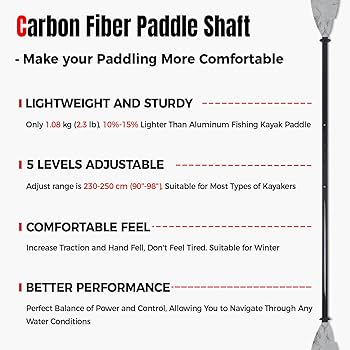
Consider the weight and material of the paddle. A lightweight paddle can reduce fatigue and enhance your experience. Carbon fiber or fiberglass paddles are excellent options for longer adventures, providing durability and ease of use.
Ultimately, your kayak type dictates the dynamics of your paddling. Choosing the right paddle ensures efficiency and enjoyment. Have you ever felt the difference a well-suited paddle makes? It can transform your journey from a struggle to a smooth, exhilarating ride.
Assessing Your Paddling Style
Understanding your paddling style is crucial for choosing the right kayak paddle. Each paddler has unique movements that influence paddle selection. Assessing your paddling style helps ensure comfort and efficiency on the water.
High Angle Vs Low Angle Paddling
Paddling styles vary between high angle and low angle techniques. High angle paddling involves shorter, more vertical strokes. This style is ideal for speed and power. It suits those who enjoy fast-paced kayaking.
Low angle paddling uses longer, more horizontal strokes. It provides a relaxed and leisurely experience. This style is perfect for long-distance paddling or touring. Understanding these differences aids in selecting the right paddle.
Adjusting For Different Techniques
Different paddling techniques require different paddle lengths. High angle paddlers need shorter paddles. These paddles are easier to control and maneuver. Low angle paddlers prefer longer paddles for better reach.
Consider the type of water you’ll explore. Calm waters may suit low angle techniques. Rougher waters might need high angle paddling. Adjusting your paddle choice enhances your overall kayaking experience.

Credit: www.amazon.com
Considering Your Body Measurements
Choosing the right kayak paddle depends on your body measurements. A paddle that fits well ensures a comfortable and efficient kayaking experience. When selecting a paddle, consider your height, arm span, and grip width. These factors help you determine the correct paddle length and style for your needs.
Height And Arm Span Considerations
Your height and arm span play a crucial role in paddle selection. Stand with your arms extended to the sides. Measure the distance from fingertip to fingertip. This measurement gives an idea of your arm span. Compare this with your height. For most, the arm span equals or slightly exceeds the height.
If your arm span is longer than your height, consider a longer paddle. This ensures you reach the water comfortably. A paddle that suits your height and arm span maximizes efficiency and minimizes fatigue.
Importance Of Grip Width
The grip width affects control and comfort while paddling. To determine the right grip width, hold the paddle above your head. Your elbows should form a 90-degree angle. This position indicates a comfortable grip width.
A narrow grip may cause strain on your wrists and shoulders. A grip too wide can reduce control and efficiency. Finding the right balance in grip width enhances your paddling experience. Always ensure comfort and control with your chosen paddle. This leads to a more enjoyable time on the water.
Testing Paddle Comfort
Testing paddle comfort involves measuring for the right kayak paddle length. Ensure your paddle suits your height and kayak width. A comfortable grip enhances control and paddling efficiency.
Testing Paddle Comfort Choosing the right kayak paddle goes beyond just measuring length; it’s about ensuring comfort during your paddling adventures. Imagine you’re out on a serene lake, the sun shining and the water calm, but your paddle feels awkward and unwieldy. This discomfort can turn an otherwise perfect day into a struggle. Testing paddle comfort is crucial to prevent this scenario.Trial And Error Method
Finding the perfect paddle often requires a bit of trial and error. Start by borrowing paddles from friends or renting different types from local shops. Spend time on the water with each option to see how they feel. Take note of how your body reacts. Do your arms tire quickly? Does the paddle feel too heavy? These are signs that you might need a lighter or differently designed paddle. Don’t rush the process. Testing paddles in various conditions—calm lakes, flowing rivers, or ocean waves—can reveal different comfort levels. What feels good in one setting might not in another.Feedback From Experienced Paddlers
Seek advice from seasoned kayakers to gain insights on paddle comfort. Experienced paddlers can offer valuable feedback based on their own trials. Ask them specific questions about what features they find most comfortable. Is it the grip, the material, or the paddle’s balance? Join local kayaking groups or online forums. Engaging with a community can provide a wealth of knowledge and recommendations. Listening to others’ experiences can save you time and help you make a more informed decision. Remember, choosing a paddle is a personal journey. What works for someone else might not work for you, so consider all feedback carefully and align it with your own comfort needs.Adjustable Paddles: Pros And Cons
Adjustable paddles offer flexibility in length, making them suitable for various paddling styles and conditions. They can be heavier and more expensive than fixed paddles, affecting performance. Measure the paddle from the ground to your nose or chin for proper sizing.
Adjustable paddles offer a unique blend of flexibility and convenience for kayakers. They allow you to easily modify the paddle length to suit different water conditions or personal preferences. This versatility is particularly beneficial if you frequently switch between different types of kayaking activities. However, adjustable paddles also come with their own set of challenges that should be considered before making a purchase.Benefits Of Adjustable Paddles
Adjustable paddles are excellent for sharing. If you often kayak with friends or family, the ability to adjust the length means one paddle can serve multiple users. They also offer adaptability for different kayaking conditions. Whether you’re navigating calm lakes or tackling rough rivers, you can adjust your paddle length to optimize performance. Adjustable paddles make it easier to switch between kayaking styles. For instance, a longer paddle may be preferable for touring, while a shorter one could be better for whitewater kayaking.Potential Drawbacks
Despite their advantages, adjustable paddles can be less durable. The mechanisms that allow adjustment might wear out over time, especially with frequent use. They can sometimes feel less stable. The adjustable joints might create a slight wobble, which can be distracting during more intense kayaking sessions. Maintenance is another consideration. Adjustable paddles often require more care to ensure the adjustment system remains functional and doesn’t get clogged with sand or debris. Have you ever found yourself in a situation where the paddle length just wasn’t right? Adjusting the paddle on the fly can be a game-changer, but it’s crucial to weigh these pros and cons before deciding on an adjustable paddle.Common Mistakes To Avoid
Choosing the right kayak paddle is crucial for an enjoyable experience. Many people make common mistakes that can impact their paddling. Understanding these errors helps in selecting a paddle that suits your needs.
Ignoring Weight And Material
The paddle’s weight affects comfort and efficiency. A heavy paddle can tire you quickly. Look for lightweight materials like carbon fiber. They offer durability and ease of use. Aluminum paddles are heavier but more affordable. Consider how the material impacts your paddling style. A lighter paddle can enhance long trips.
Overlooking Paddle Fit
The paddle length should match your kayak’s width and your height. A wrong length can cause discomfort. Test different lengths to find the best fit. The grip size matters too. It should feel comfortable in your hands. A proper fit ensures better control and less fatigue. Make sure to check both length and grip before buying.

Credit: star-board.com
Frequently Asked Questions
How Do I Know What Size Kayak Paddle I Need?
Measure your torso length and match it with paddle length guidelines. Consider kayak width and your paddling style.
How Do You Measure Yourself For A Paddle?
Stand straight and measure from the floor to your wrist. This gives the ideal paddle length. Ensure the paddle reaches your wrist while your arm is at your side. Choose a paddle that matches this measurement for optimal performance. Adjust for personal preference or specific activities.
What Are The Three Golden Rules Of Kayaking?
Always wear a life jacket for safety. Check weather and water conditions before kayaking. Respect nature and wildlife.
What Size Paddle Should I Buy?
Choose a paddle length based on your height and skill level. Beginners often prefer shorter paddles for control. Taller individuals might opt for longer paddles for reach. Measure from the ground to your wrist for a quick guide. Consult a sizing chart for specific recommendations.
Conclusion
Choosing the right kayak paddle size matters. It enhances your paddling experience. Measure carefully for comfort and efficiency. Consider your height and kayak width. A good fit reduces fatigue. It also improves control on the water. Test different paddle lengths if possible.
Personal preference plays a role too. Remember, a well-measured paddle makes kayaking more enjoyable. Happy paddling!