
Imagine gliding effortlessly through serene waters, the gentle hum of a trolling motor powering your canoe without the need for paddles. Mounting a trolling motor to your canoe can transform your boating experience, offering ease and efficiency.
But how do you do it? If you’re looking to enhance your adventures and make your canoe trips more enjoyable, you’re in the right place. This guide will show you, step by step, how to securely attach a trolling motor to your canoe.
You’ll learn tips and tricks that will help you navigate the waters with confidence and precision. Stick around, and soon you’ll be cruising like a pro, cutting through the water with ease. Don’t miss out on discovering how to unlock the full potential of your canoeing excursions!
Credit: www.tiktok.com
Choosing The Right Trolling Motor
Mounting a trolling motor on a canoe requires careful placement for stability. Secure the motor to the stern using clamps or brackets designed for canoes. Ensure the motor is balanced to prevent tipping and check that all connections are tight for safe operation.
Choosing the Right Trolling Motor Selecting the perfect trolling motor for your canoe can be challenging. The right motor ensures smooth navigation and enhances your fishing experience. Let’s explore the key factors to consider in choosing a trolling motor.
Motor Type Options
The type of motor plays a crucial role in performance. There are two main types: electric and gas-powered. Electric motors are quiet and environmentally friendly. They offer easy speed control and are lightweight. Gas-powered motors provide more power for longer trips. However, they are noisier and require more maintenance.
Power Requirements
Understanding power needs is essential for a successful setup. The power of a trolling motor is measured in pounds of thrust. Canoes typically require motors with 30-50 pounds of thrust. Consider the weight of your gear and passengers. This ensures the motor can handle your load efficiently.
Size Considerations
The size of the trolling motor impacts maneuverability. Smaller motors are easier to mount and store. They suit lightweight canoes and simple outings. Larger motors offer more power but may be bulky. Ensure the motor fits well on your canoe without compromising stability. Choose a motor that balances size and functionality.
Credit: www.canadiantire.ca
Preparing The Canoe
Mounting a trolling motor on a canoe involves securing a motor bracket to the stern. Ensure the bracket is tightly fastened to handle the motor’s weight. Attach the trolling motor to the bracket securely, ensuring stability during your canoeing adventure.
Preparing the Canoe Before you can mount a trolling motor on your canoe, ensuring the canoe is adequately prepared is crucial. Preparation not only ensures a secure fit but also guarantees your safety while out on the water. Understanding your canoe’s material, maintaining its cleanliness, and taking necessary safety precautions are key steps in this process.
Assessing Canoe Material
The first step is to determine what material your canoe is made of. Canoes can be crafted from a variety of materials such as aluminum, fiberglass, or polyethylene. Each material has its unique characteristics, affecting how you will mount the trolling motor. For example, aluminum canoes are sturdy but may require specific mounting hardware. Fiberglass and polyethylene canoes might need careful handling to avoid cracking. Knowing your material will help you choose the right tools and techniques for mounting.
Cleaning And Maintenance
A clean canoe ensures better adhesion for mounts and prevents any unforeseen issues. Begin by removing any dirt or debris from the area where you plan to mount the motor. A simple wash with water and mild soap should suffice. Regular maintenance of your canoe will extend its lifespan and improve performance. Check for any scratches or dents and repair them as needed. A well-maintained canoe provides a stable and reliable foundation for your trolling motor.
Safety Precautions
Safety should always be your priority when preparing your canoe for a trolling motor. Consider the weight distribution of the motor and how it will affect your canoe’s balance. A poorly balanced canoe can be dangerous, especially in choppy waters. Ensure you have the necessary safety gear on hand, such as life jackets and a whistle. Think about what could go wrong and have a plan in place. By taking these precautions, you not only protect yourself but also enhance your overall boating experience. Is there a specific area on your canoe that feels more stable for mounting the motor? Testing different spots could make all the difference.
Mounting Equipment Needed
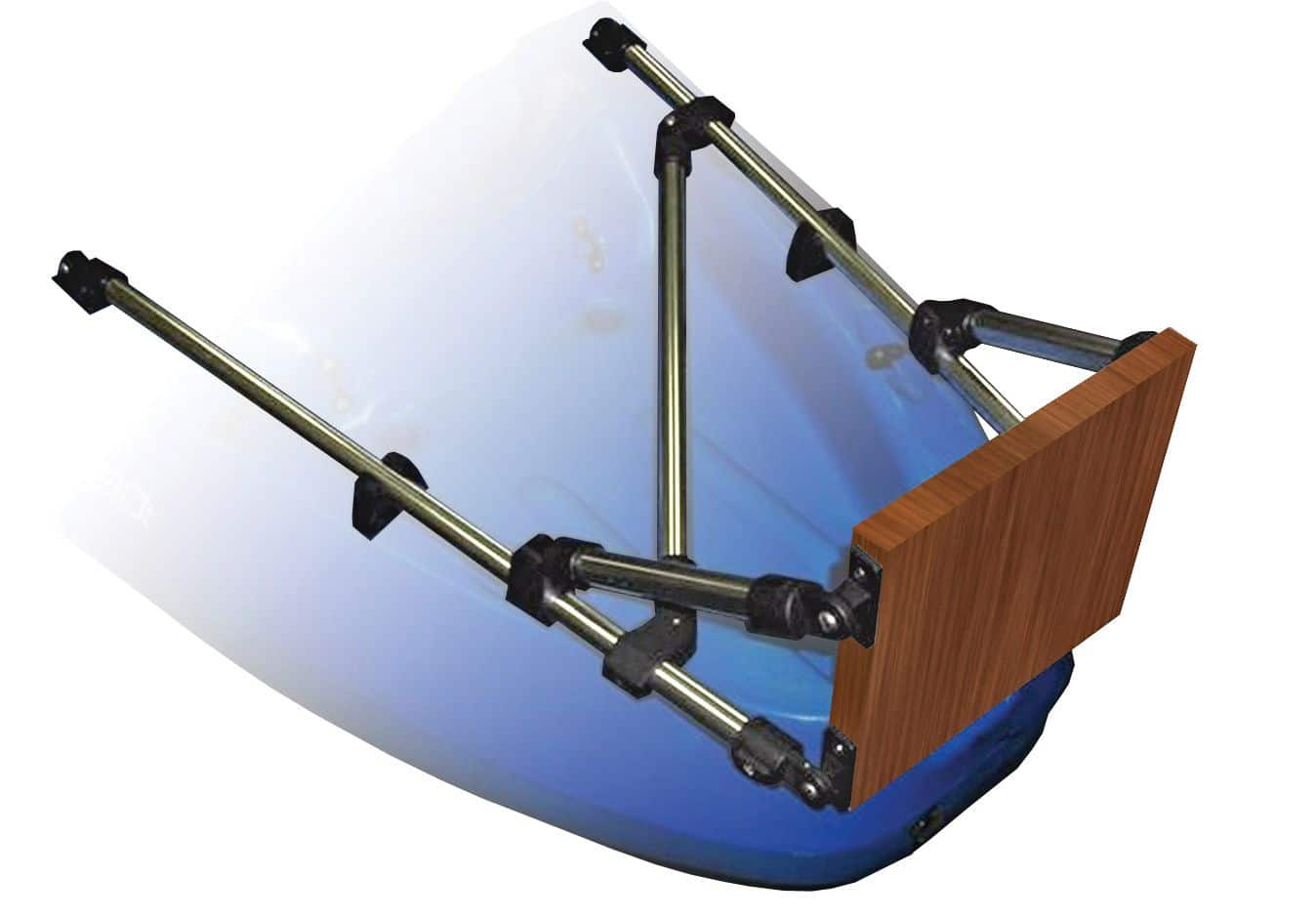
Selecting the right mounting equipment is essential for attaching a trolling motor to a canoe. Secure brackets and clamps ensure stability while cruising through water. Proper installation prevents any wobbling or displacement, making your canoeing experience smooth and enjoyable.
Mounting a trolling motor to a canoe requires the right equipment. This ensures stability and efficiency on the water. With a variety of options available, understanding the necessary tools and accessories is crucial. Explore the different mount types, tools, and whether to choose DIY or pre-made kits.
Mount Types
Choosing the right mount type is essential for a secure fit. Canoe mounts vary based on design and functionality. Side mounts are popular for their simplicity and ease of installation. They attach to the canoe’s side, offering stability for the motor. Transom mounts provide a sturdy base for motors at the rear. These are ideal for long trips where durability is key. Consider the weight and size of your trolling motor when selecting a mount.
Tools And Accessories
Having the right tools makes the installation process smoother. Basic tools include a drill, screwdriver, and wrench set. These help secure the mount and motor firmly. Accessories like clamps and bolts ensure the motor stays in place while navigating waters. Safety gear, such as gloves and goggles, protects during installation. A reliable battery charger keeps your motor powered for extended adventures.
Diy Vs. Pre-made Kits
Deciding between DIY and pre-made kits depends on your skill level. DIY kits offer customization and can be budget-friendly. They require basic tools and some technical know-how. Pre-made kits come with everything needed for quick installation. These are perfect for beginners or those short on time. Evaluate your needs and choose the option that suits your expertise and budget. Both options provide effective solutions for mounting a trolling motor to a canoe.
Installation Steps
Mounting a trolling motor to a canoe requires securing the motor mount, attaching the motor, and connecting the power source. Ensure the motor is firmly in place for stability during use. Adjust the position for optimal balance and ease of navigation.
Mounting a trolling motor to a canoe can transform your paddling experience, offering a perfect blend of relaxation and efficiency. But how do you ensure a seamless installation? It’s simpler than you might think. With a bit of patience and attention to detail, you can have your trolling motor up and running in no time. Let’s dive into the installation steps that will get you cruising on the water with ease.
Positioning The Motor
Start by choosing the right spot for your trolling motor. Consider the balance and weight distribution of your canoe. The stern is usually the best place, offering stability and straightforward control. Ensure the motor is positioned so that the propeller is fully submerged but not too deep. You don’t want it dragging on the riverbed or getting tangled in weeds. A depth of about 12 inches below the surface is often ideal. Take a moment to visualize your setup. Will the motor handle be within comfortable reach? This is crucial for making quick adjustments while on the water.
Securing The Mount
Once the perfect position is chosen, it’s time to secure the mount. Most trolling motors come with a mounting bracket that clamps onto the canoe. Ensure the clamp is tight enough to hold the motor steady, but not so tight that it damages the canoe’s material. Use a rubber or foam pad between the clamp and canoe to prevent scratches and enhance grip. Double-check the stability by giving the motor a gentle shake. It should stay firmly in place without wobbling.
Adjusting Motor Alignment
Now that the mount is secure, focus on aligning the motor. The motor should be straight, pointing directly backward for optimal propulsion. Adjust the motor’s angle to ensure it’s parallel to the water’s surface. This prevents unnecessary drag and keeps your canoe moving efficiently. Take a test spin in calm waters. Make small tweaks to the alignment as needed. Feel the difference when the motor is perfectly aligned? It’s like cutting through the water with precision. Have you ever realized how a minor adjustment can change the entire experience? With these steps, you’ll be ready to explore new waters with ease and confidence.
Testing The Setup
Testing the setup ensures the trolling motor is securely mounted to the canoe. Check stability and make necessary adjustments. This step prevents issues during water use, ensuring a smooth and safe experience.
Testing the setup of your trolling motor on a canoe is an exciting step that can bring your DIY project to life. This phase not only validates your hard work but also ensures that your canoe is ready for smooth sailing on the water. By carefully testing your setup, you can make any necessary adjustments for optimal performance and safety.
Initial Trial Run
Before you hit the open water, start with a controlled environment like a small pond or a calm section of a river. This allows you to focus on the motor’s performance without worrying about external factors like strong currents or waves. Begin with low speed to observe how the canoe handles with the added weight and propulsion. Ensure that your battery is fully charged and securely mounted. A loose battery can shift and unbalance the canoe, so check the straps or brackets. As you start the motor, listen for any unusual noises or vibrations which might indicate a misalignment or loose parts.
Handling And Maneuverability
Once you’re confident in a calm setting, it’s time to test the canoe’s handling and maneuverability. Try different speeds and turns to see how the canoe responds. Does it glide smoothly, or is it veering off course? Experiment with weight distribution in the canoe. You may need to adjust your seating or gear placement to maintain balance. Remember, the goal is to have the canoe remain stable and responsive, whether you’re moving straight or making sharp turns.
Troubleshooting Common Issues
What if things don’t go as planned? If the canoe feels sluggish or difficult to steer, it might be a sign that the motor is too powerful or not aligned correctly. Adjust the motor angle and try again. If the motor cuts out unexpectedly, check the battery connections. Loose wires or insufficient power can cause intermittent issues. Also, inspect the propeller for debris that might hinder its movement. Encountering issues can be frustrating, but each problem is an opportunity to fine-tune your setup. Remember, patience and persistence are key to achieving the perfect trolling motor setup for your canoe.

Credit: www.ebay.ca
Maintenance Tips
Mounting a trolling motor on a canoe requires careful planning and the right tools. Secure the motor mount to the stern for stability. Ensure all connections are tight to prevent damage during use.
Mounting a trolling motor to your canoe is a game-changer for fishing or leisurely paddling. But, as with any equipment, proper maintenance is crucial for longevity and peak performance. Let’s dive into some essential maintenance tips that ensure your trolling motor remains in top shape, ready for your next adventure.
Regular Inspection
Regularly inspecting your trolling motor can help catch potential issues before they become significant problems. Look for any loose bolts or screws and tighten them as needed. Check the propeller for any debris or fishing line that might be tangled. Examine the wiring for any signs of wear or corrosion. If the wiring appears damaged, replace it promptly to avoid electrical issues. Don’t forget to inspect the mounting brackets for any signs of rust or wear.
Cleaning And Storage
After each use, rinse your trolling motor with fresh water to remove salt, dirt, or grime. This simple step can prevent corrosion and buildup that might impair performance. Dry the motor thoroughly before storing it. Store it in a cool, dry place to prevent moisture damage. You might consider using a protective cover to shield it from dust and other elements.
Battery Care
Proper battery care is vital for ensuring your trolling motor runs efficiently. Always recharge the battery after each use to maintain its longevity. Store the battery in a cool, dry place away from direct sunlight. Periodically check the battery terminals for corrosion and clean them with a baking soda and water solution if needed. By taking these simple steps, you keep your trolling motor ready for action. Regular maintenance not only extends the life of your equipment but also enhances your boating experience. Are you ready to give your trolling motor the attention it deserves?
Frequently Asked Questions
Can You Mount A Trolling Motor To A Canoe?
Yes, you can mount a trolling motor to a canoe. Use a motor mount for stability and security. Ensure the motor’s thrust matches the canoe’s weight capacity. Always check local regulations before installation. Proper setup enhances fishing or recreational experiences on the water.
How Fast Will A Canoe Go With A Trolling Motor?
A canoe with a trolling motor typically reaches speeds of 4-6 mph. Speed depends on motor power and canoe weight. Using a higher thrust motor can increase speed. Ensure proper battery capacity for optimal performance. Always consider water conditions and load for accurate speed estimates.
How Long Will A Trolling Motor Battery Last On A Canoe?
A trolling motor battery on a canoe typically lasts 2 to 8 hours. Battery life depends on speed, battery type, and water conditions. Using a high-quality deep cycle battery can extend duration. Regular maintenance and proper charging can also help maximize battery performance.
Is It Legal To Put A Trolling Motor On A Kayak?
Yes, it is generally legal to put a trolling motor on a kayak. Check local regulations for specific requirements. Some areas may need registration or permits. Always ensure your kayak’s design supports a motor for safety.
Conclusion
Mounting a trolling motor to a canoe is quite simple. With the right steps, anyone can do it. First, gather your tools and materials. Next, choose a secure spot on the canoe. Attach the motor using clamps or brackets. Ensure everything is tight and secure.
Always test the motor before heading out. Safety comes first. Enjoy your enhanced canoe experience. Feel the ease of movement on water. Remember to maintain your motor regularly. This ensures it lasts longer. Happy canoeing with your new setup!