Imagine gliding effortlessly across serene waters, surrounded by nature’s beauty. Kayaking offers you this peaceful escape and an exciting adventure.
But to truly enjoy it, you need to master the art of paddling. Whether you’re a beginner or looking to improve your technique, knowing how to paddle in a kayak can transform your experience from frustrating to exhilarating. This guide will take you through the essentials, making sure you feel confident and ready for your next aquatic adventure.
Discover secrets to efficient paddling that not only boost your speed but also conserve your energy, making your journey both enjoyable and sustainable. As you read on, you’ll unlock tips and techniques that seasoned kayakers swear by, ensuring that your time on the water is filled with joy and success. Get ready to dive into the world of kayaking with a newfound confidence and skill.
Choosing The Right Kayak
Choosing the right kayak is essential for a smooth paddling experience. Consider your skill level and the type of water you’ll explore. A stable kayak with comfortable seating can enhance your journey.
Choosing the right kayak is crucial for enjoying your paddling adventure. The type of kayak you select will impact your comfort, efficiency, and overall experience on the water. With so many options available, understanding the different types and features can help you make an informed decision.Types Of Kayaks
Kayaks come in various styles, each designed for specific activities and water conditions. Recreational kayaks are perfect for calm lakes and slow-moving rivers. They are stable, easy to maneuver, and ideal for beginners. Touring kayaks are longer and suitable for open water and longer trips. They offer better speed and storage space for gear. Whitewater kayaks are short and designed for navigating rapids. If you’re looking for something versatile, sit-on-top kayaks provide a user-friendly experience for all skill levels. Think about where you’ll primarily paddle to choose the right type.Kayak Features To Consider
When selecting a kayak, consider the features that will enhance your paddling experience. Material is important—plastic kayaks are durable and affordable, while fiberglass offers a lighter, faster option. Size and weight capacity are crucial for comfort and stability. Choose a kayak that can accommodate your weight and any additional gear. Cockpit size affects ease of entry and exit; larger cockpits offer more room but less protection from the elements. Additionally, storage options like hatches and bungee cords can be vital for longer trips where carrying gear is necessary. Have you thought about how these features align with your paddling goals? Selecting the right kayak involves more than just picking one that looks good. It’s about matching your kayak to your skills, the waters you’ll explore, and the adventures you envision.Essential Gear For Kayaking
Embarking on a kayaking adventure can be exhilarating, but ensuring you have the right gear is crucial for both enjoyment and safety. With the right equipment, you can glide smoothly over the water and tackle any challenges that come your way. Let’s dive into some essential gear you’ll need for kayaking, focusing on paddle selection and safety equipment.
Paddle Selection
The paddle is your primary tool for maneuvering the kayak, so choosing the right one can make all the difference in your experience. The length and material are key factors to consider. A paddle that’s too long or too short can cause fatigue and make steering difficult. Lightweight materials like carbon fiber or fiberglass reduce strain on your arms, allowing you to paddle longer with less effort.
Think about the type of kayaking you plan to do. Are you leisurely exploring calm lakes or tackling fast-moving rivers? Your paddle should match your style. Adjustable paddles offer versatility, letting you find the perfect fit for your height and paddling technique. Don’t underestimate the importance of a comfortable grip—it’s essential for maintaining control and reducing blisters.
Safety Equipment
Your safety on the water is paramount, and having the right gear is non-negotiable. A life jacket, or personal flotation device (PFD), should be top of your list. It should fit snugly yet comfortably, allowing freedom of movement while ensuring buoyancy. Look for designs specifically made for kayaking, with features like pockets and reflective strips.
Beyond a PFD, consider investing in a whistle, which can be crucial for signaling in an emergency. A waterproof bag or container for your essentials, like a phone or map, will help you stay prepared. Even if you’re an experienced kayaker, conditions can change rapidly. Having a basic first aid kit can be invaluable in case of minor injuries.
Is your kayak equipped with a bilge pump? This tool helps remove water from the cockpit, essential for keeping your kayak stable and buoyant. Lastly, a helmet is advisable if you’re navigating rocky waters or white-water rapids. Prioritizing safety gear ensures that every kayaking trip is not only fun but also secure.
Basic Paddle Strokes
Learn the basic paddle strokes to glide smoothly in a kayak. Master forward, reverse, and sweep strokes for better control. Enjoy your time on the water with improved paddling skills.
Paddling a kayak might seem straightforward, but mastering the basic paddle strokes can significantly enhance your experience on the water. These strokes not only propel you forward but also ensure you have control over your kayak. Understanding and practicing these techniques can make your kayaking adventures more enjoyable and efficient. Imagine gliding effortlessly across the water, your paddle strokes in harmony with the rhythm of nature.Forward Stroke
The forward stroke is your primary tool for moving ahead. It starts with dipping the paddle blade into the water near your toes. Engage your core to add power as you pull the blade back alongside the kayak. Keep your movements smooth and consistent to maintain speed and stability.
A common mistake is relying solely on arm strength. Instead, rotate your torso to maximize efficiency and reduce fatigue. Picture yourself as a part of the kayak, your body working in tandem with the paddle.
Consider: Are you using your whole body, or just your arms? The difference could transform your kayaking experience!
Reverse Stroke
The reverse stroke is essential for backing up or slowing down. Begin by immersing the paddle near the stern and pull it forward towards the bow. This stroke is essentially the forward stroke in reverse.
Keep your back straight and use your torso to guide the paddle. This helps maintain balance and control. Practice this stroke to get comfortable with sudden stops or backward maneuvers.
Challenge yourself: How quickly can you switch from a forward to reverse stroke? This agility could save you from unexpected obstacles on the water.
Advanced Paddling Techniques
Advanced paddling techniques elevate your kayaking skills. These techniques offer better control and efficiency. They help you navigate complex waters with ease. Understanding these methods ensures a more enjoyable kayaking experience. Let’s delve into the sweep stroke and the draw stroke.
Sweep Stroke
The sweep stroke turns your kayak smoothly. Start with your paddle near the bow. Extend the stroke towards the stern. Keep the paddle low and wide. This creates a broad arc in the water. The kayak turns in the opposite direction of the stroke. Use this technique to avoid obstacles or change direction quickly.
Draw Stroke
The draw stroke moves your kayak sideways. Begin by reaching out to the side with your paddle. Submerge the blade fully in the water. Pull the paddle straight towards the kayak. This action pulls the kayak sideways. It’s useful for docking or aligning your kayak. Practice this stroke for precise maneuvers.
Maintaining Balance And Control
Learning to paddle in a kayak involves maintaining balance and control. Keep your torso stable while using your arms to move the paddle. Steady strokes help you navigate smoothly through the water.
Maintaining balance and control in a kayak is vital for a smooth ride. Proper techniques help you stay stable and navigate efficiently. Even in calm waters, maintaining balance is crucial to avoid tipping over. Control ensures you can steer and move in the desired direction. This section covers essential tips for keeping balance and control in a kayak.Body Positioning
Your body position affects balance. Sit upright with your back straight. Feet should be firmly pressed against the footrests. Keep your knees slightly bent. This position helps distribute weight evenly. It also allows your body to move with the kayak. Leaning too far forward or backward disrupts balance. Stay centered to keep control.Using Your Core
Your core is key in maintaining control. Engage abdominal muscles to keep stable. A strong core supports balance. It helps in making quick, controlled movements. When paddling, twist from the waist. This engages your core and aids in steering. A stable core reduces strain on the arms. Practice core exercises to improve kayaking skills.
Credit: www.youtube.com
Navigating Different Water Conditions
Paddling in a kayak requires adapting to diverse water conditions. Calm waters offer a smooth experience, ideal for beginners. In contrast, rough waters demand skill and focus, ensuring safety and control.
Navigating different water conditions can be thrilling yet challenging for kayakers. Understanding how to paddle effectively in varying environments is essential for both safety and enjoyment. Whether you’re gliding over serene waters or battling through tumultuous waves, mastering these techniques will make your kayaking experience richer and more rewarding.Calm Waters
Gliding through calm waters is like a gentle dance with nature. The key here is to maintain a steady rhythm in your paddling. Use smooth and controlled strokes to keep your kayak straight and balanced. Practice maintaining an even pace to conserve energy for longer journeys. Take advantage of the tranquility to refine your technique. Are your paddle strokes efficient and quiet?Rough Waters
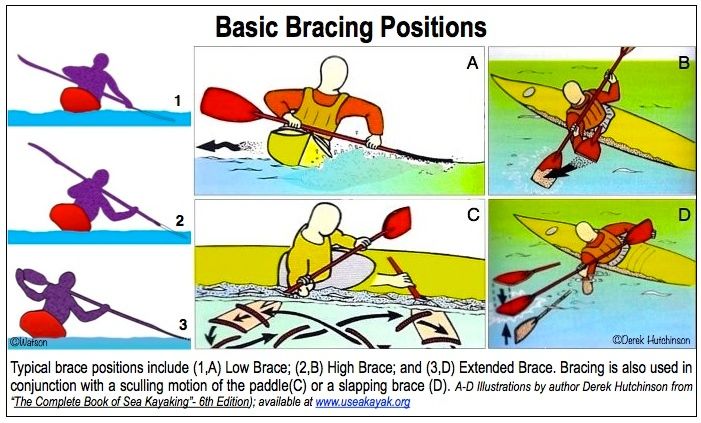
Rough waters demand a different approach and mindset. Prepare for the unexpected with quick and decisive paddle strokes. Lean into the waves, using your body to stabilize the kayak. Adjust your paddle angle to brace against the waves, enhancing your control. Stay alert and flexible in your movements. How do you adapt when the water throws surprises your way? Navigating different water conditions effectively requires practice and intuition. As you gain experience, you’ll learn to read the water and adjust your techniques accordingly. Whether calm or rough, each journey offers a unique challenge and opportunity for growth.Common Mistakes To Avoid
Avoiding common mistakes is crucial for effective paddling in a kayak. Incorrect grip or posture can lead to inefficiency and fatigue. Maintain a relaxed grip and use your core for better control and power.
Paddling a kayak can be an invigorating experience, but like any skill, it comes with its own set of challenges. Beginners often make mistakes that can hinder their enjoyment and safety on the water. By understanding these common pitfalls, you can ensure a smoother and more enjoyable kayaking adventure.Overpowering Strokes
Many new kayakers mistakenly believe that the harder they paddle, the faster they’ll go. This is not always the case. Overpowering your strokes can lead to fatigue quickly and reduce the efficiency of your paddling. Instead, focus on smooth, consistent strokes. Think of paddling as a dance with the water, rather than a battle against it. Efficiency over brute strength should be your mantra.Ignoring Safety Precautions
Safety might not seem glamorous, but it’s the foundation of every successful kayaking trip. Ignoring safety precautions is a common mistake that can have serious consequences. Do you always wear a life jacket? Before heading out, check the weather and water conditions. Make sure you have a safety kit, even if you’re just paddling in calm waters. Remember, safety should never be an afterthought. By avoiding these common mistakes, your kayaking experience will not only be more enjoyable but also much safer. What other mistakes do you think kayakers should avoid?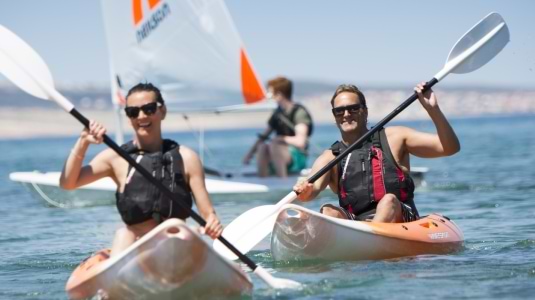
Credit: www.neilson.co.uk
Tips For Long-distance Kayaking
Proper paddling techniques ensure efficiency and reduce fatigue. Maintain a steady rhythm and adjust grip for comfort. Keep your torso engaged and use your core muscles for power.
Long-distance kayaking requires preparation and skill. Understanding the right techniques can make your journey smoother. Here are some essential tips to help you manage long distances effectively.Pacing Yourself
Maintain a steady rhythm throughout your trip. Avoid starting too fast. This helps conserve energy and prevent burnout. Listen to your body and take breaks. Short rests can keep your stamina up. Adjust your speed according to water conditions. This ensures a safe and enjoyable experience.Energy Conservation
Energy management is crucial for long-distance kayaking. Use your core muscles rather than just your arms. This distributes effort and reduces fatigue. Keep your paddle strokes smooth and consistent. This technique saves energy and enhances efficiency. Bring snacks and water to stay hydrated and energized. Proper nutrition supports endurance during long paddles.
Credit: www.facebook.com
Frequently Asked Questions
What Is The Proper Technique For Paddling A Kayak?
Grip the paddle with hands shoulder-width apart. Rotate your torso, not just your arms, for power. Dig the blade into the water near your feet. Pull it back alongside the kayak. Lift and repeat on the other side. Maintain a rhythmic, smooth motion for efficiency.
How To Use A Kayak Paddle For Beginners?
Hold the kayak paddle with hands shoulder-width apart. Enter the paddle blade fully into the water. Rotate your torso to propel the kayak. Keep arms slightly bent and relaxed. Maintain a consistent rhythm to ensure smooth paddling. Practice regularly for improved technique and confidence.
What Are The Three Golden Rules Of Kayaking?
Always wear a life jacket for safety. Check weather and water conditions before heading out. Never kayak alone; bring a buddy.
How To Kayak Properly For Beginners?
Start by choosing a stable kayak and wearing a life jacket. Learn to hold the paddle correctly. Practice basic strokes like forward, reverse, and sweep. Maintain a straight posture and engage your core. Always check weather conditions before kayaking.
Conclusion
Paddling a kayak is fun and rewarding. Start slow and steady. Focus on technique and balance. Practice makes perfect. Use your arms and core for strength. Keep the paddle close to the kayak. Watch your surroundings and stay alert. Enjoy the peace and beauty of the water.
Remember, safety first. Wear a life jacket and follow local rules. Invite friends or family for company. Share the adventure. Each trip builds confidence and skill. Kayaking is a great way to connect with nature. Embrace the experience and create lasting memories.