Imagine gliding across serene waters, your paddle slicing effortlessly through the surface, as you navigate the natural beauty around you. Kayaking offers this kind of tranquility and adventure, but getting started might seem a bit daunting.
You’re here because you’re curious about how to paddle a kayak, and maybe even a little excited about the possibilities. Whether you’re a complete beginner or looking to refine your skills, this guide is crafted just for you. We’ll break down the basics into simple steps, so you can confidently embark on your kayaking journey.
You’ll discover not only how to paddle but also how to make the most out of every stroke. Ready to dive in and paddle your way to new adventures? Keep reading, and let’s get started.
Credit: paddlenorth.com
Choosing The Right Kayak
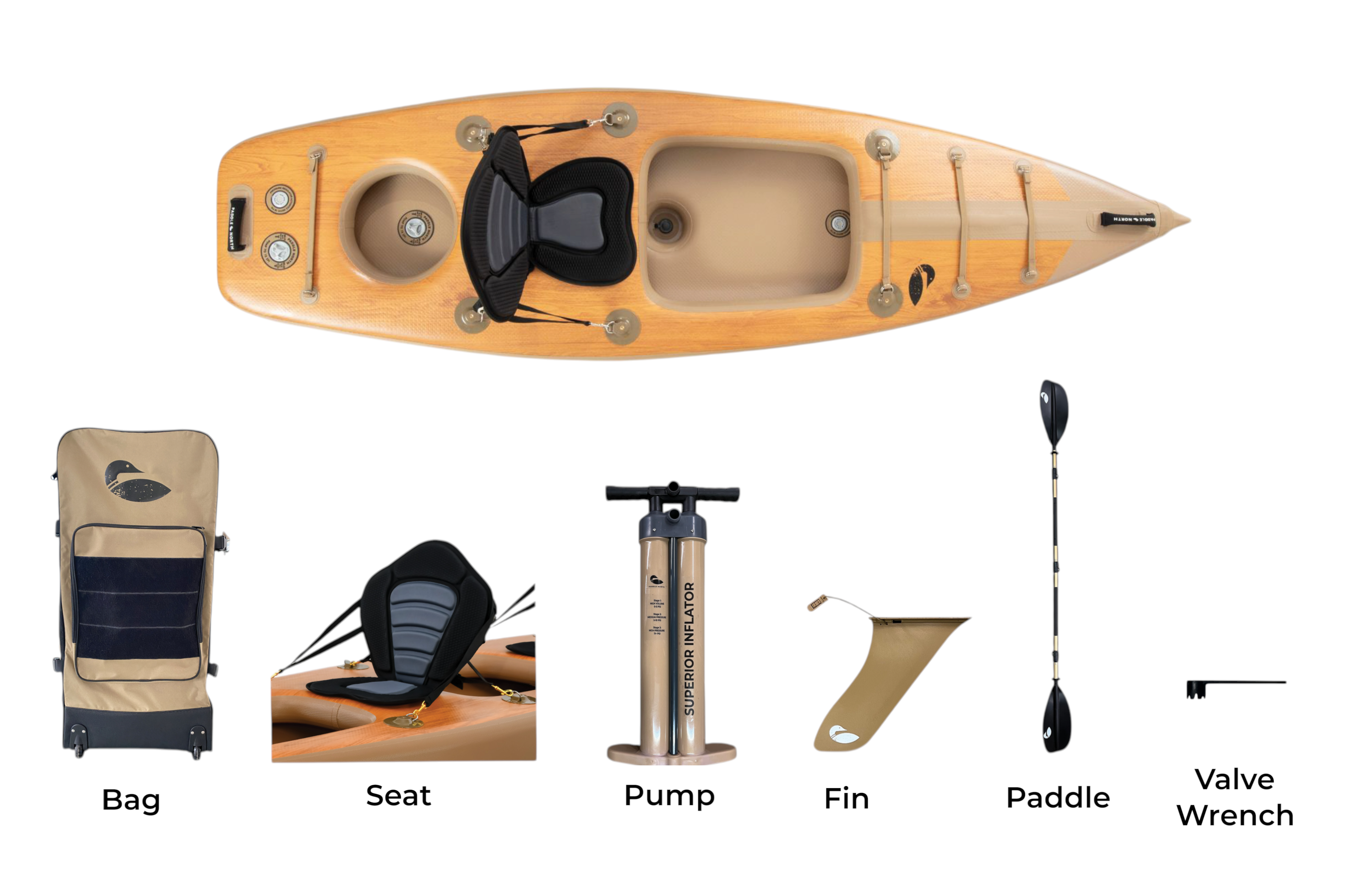
Selecting the perfect kayak enhances the paddling experience. Consider kayak type, size, and material for stability. Prioritize comfort and ease of use to enjoy smooth paddling adventures.
Choosing the right kayak is essential for a pleasant paddling experience. The type of kayak you choose can impact your comfort and performance. This section guides you through the key factors to consider.Types Of Kayaks
Kayaks come in different styles. Each style suits different activities.- Recreational Kayaks:Ideal for calm waters. They’re stable and user-friendly.
- Touring Kayaks:Suitable for long trips. They track well in open water.
- Whitewater Kayaks:Designed for rivers and rapids. They are short and maneuverable.
- Fishing Kayaks:Equipped with rod holders. They offer stability for anglers.
Kayak Materials
Kayak materials affect durability and weight. Common materials include:- Polyethylene Plastic:Affordable and robust. It’s heavier but durable.
- Composite:Made from fiberglass or carbon fiber. It’s lighter and more expensive.
- Inflatable:Easy to transport and store. They’re suitable for casual use.
Selecting The Size
The size of a kayak influences speed and stability.- Length:Longer kayaks are faster. Shorter ones are more maneuverable.
- Width:Wider kayaks are stable. Narrower ones are quicker.
- Capacity:Consider your weight and gear. Choose a kayak with the right capacity.
Credit: www.baysports.com.au
Essential Gear For Kayaking
Kayaking opens the door to serene waters and thrilling adventures. To truly enjoy the experience, having the right gear is crucial. Each piece of equipment plays a vital role in ensuring safety and comfort. Let’s explore the essential gear every kayaker should have.
Paddles
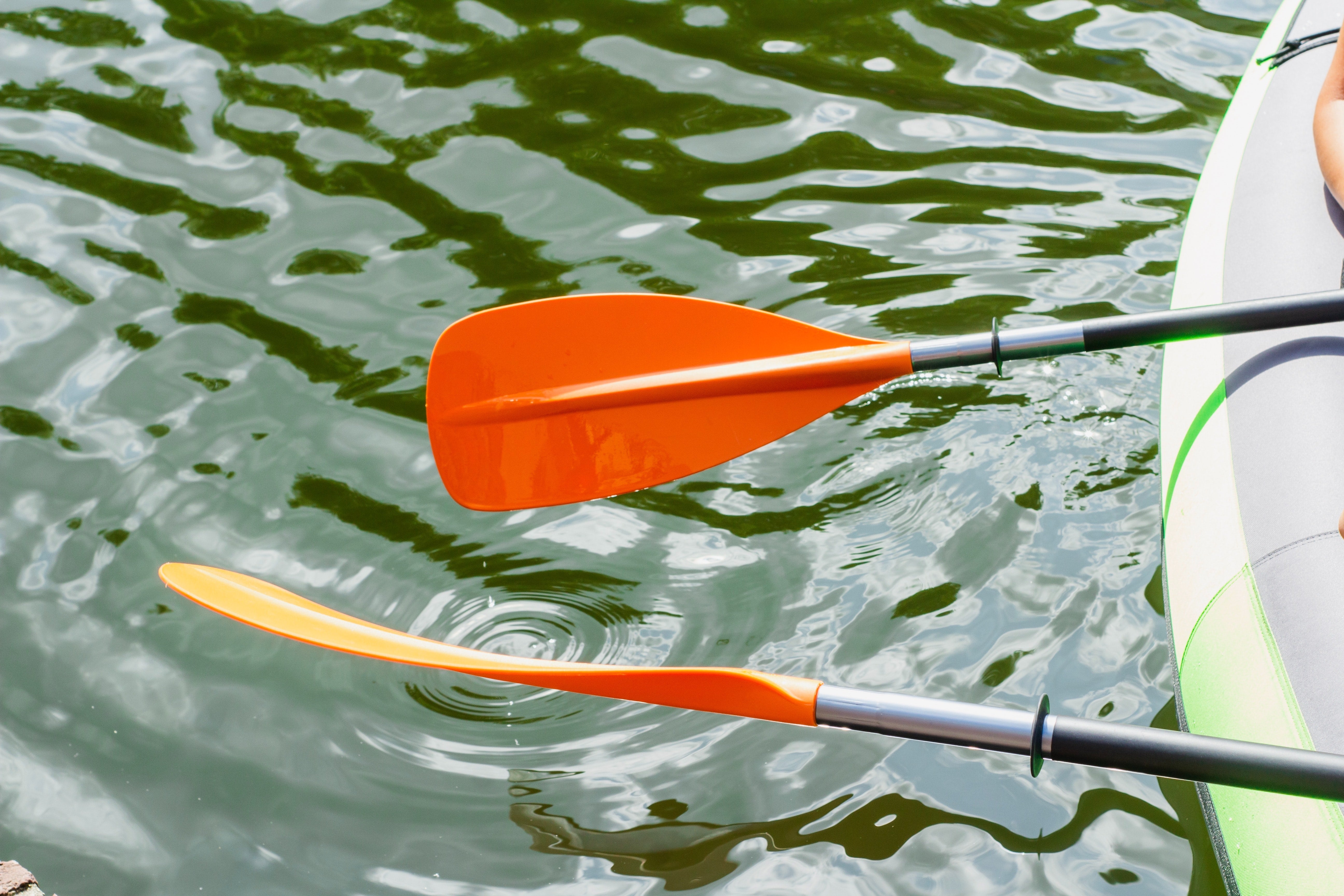
Paddles are your kayak’s engine. The right paddle enhances performance and reduces fatigue. Choose paddles that match your height and kayak type. Lightweight materials like carbon fiber or fiberglass are ideal. They offer durability and ease of use. A paddle with an ergonomic grip provides comfort during long trips.
Life Jackets
Life jackets are non-negotiable for safety. They ensure buoyancy and protection in emergencies. Select a jacket that fits snugly yet comfortably. Look for adjustable straps for a custom fit. Bright colors improve visibility in water. Check if it meets safety standards for peace of mind.
Additional Accessories
Accessories enhance your kayaking experience. A dry bag keeps belongings safe and dry. A kayak seat cushion adds comfort on extended trips. A spray skirt prevents water from entering the kayak. Consider a whistle for signaling in emergencies. Waterproof phone cases protect devices from water damage.
Basic Paddle Techniques
Understanding basic paddle techniques is essential for kayaking. Hold the paddle correctly to maintain balance and control. Use smooth, consistent strokes to move efficiently through the water.
Kayaking is a thrilling way to explore water. Understanding basic paddle techniques is essential. These techniques help you move smoothly and stay safe. Learning them improves your kayaking experience. Here are some key techniques every kayaker should know.Forward Stroke
The forward stroke propels your kayak forward. Start with your paddle in front of you. Place the blade in the water near your toes. Pull the paddle back alongside the kayak. Keep your arms slightly bent. Rotate your torso to add power. Finish the stroke by lifting the paddle out near your hip. Repeat on the opposite side.Reverse Stroke
The reverse stroke helps you move backward. Begin by rotating your torso. Place the paddle blade near your hip. Push the paddle forward alongside the kayak. Keep your arms relaxed and slightly bent. Finish the stroke near your toes. Alternate sides to maintain a straight line.Sweep Stroke
The sweep stroke turns your kayak. Start by extending the paddle forward. Submerge the blade near your toes. Sweep the paddle in a wide arc. Move it out and away from the kayak. Rotate your torso to enhance the turn. Complete the stroke near the back of the kayak. Repeat on the other side for a different direction. These strokes are the foundation of kayaking. Practice them regularly to improve your skills.Safety Measures
Wearing a life jacket is essential to stay safe while kayaking. Check weather conditions before heading out. Keep a whistle handy for emergencies.
Paddling a kayak is an invigorating way to connect with nature, but safety should always be your priority. Understanding and implementing effective safety measures can make your kayaking experience enjoyable and worry-free. Whether you’re a beginner or an experienced paddler, being prepared and informed is crucial. Let’s delve into the key aspects of kayaking safety.Weather Considerations
Before you hit the water, check the weather forecast. Sudden changes in weather can turn a peaceful trip into a dangerous situation. Strong winds and storms are particularly hazardous for kayakers. Dress appropriately for the conditions. If you’re paddling in cold weather, wear a wetsuit or dry suit to protect against hypothermia. Remember, the water temperature can significantly differ from the air temperature. Have you thought about how weather patterns can affect water conditions? A sunny day with calm waters can quickly change with the rise of wind, creating rough waves that are challenging to navigate.Navigating Water Hazards
Water bodies often have hidden hazards that can be perilous for kayakers. Be aware of submerged rocks, tree branches, and sudden drop-offs. These hazards can tip your kayak or cause injury. Keep a safe distance from other vessels. Boats, jet skis, and larger ships can create waves that might destabilize your kayak. Always be vigilant and alert to your surroundings. Are you familiar with the area you’re paddling in? Understanding the local water conditions and possible hazards can significantly enhance your safety.Emergency Procedures
Always prepare for the unexpected. Carry a whistle or a waterproof communication device to call for help if needed. Ensure your life jacket is properly fitted and worn at all times. Practice self-rescue techniques. Knowing how to get back into your kayak if you capsize can be a lifesaver. Consider taking a kayak safety course to improve your skills. Have you shared your paddling plan with someone? Inform a friend or family member about your route and expected return time, so they can alert authorities if necessary. By prioritizing safety, you can enjoy the serenity and adventure of kayaking while minimizing risks.Building Confidence On Water
Paddle your kayak with ease by holding the paddle firmly and using smooth, even strokes. Keep your body relaxed and maintain a straight posture for better balance. Remember, practice makes perfect to build confidence and enjoy the water adventure.
Building confidence on water is essential for any paddler, whether you’re a beginner or have some experience. The fear of tipping over or getting stuck can be daunting, but with the right techniques and mindset, you can conquer these fears and enjoy kayaking to its fullest. It’s all about taking small, manageable steps that gradually enhance your skills and self-assurance.Practicing Balance
Balancing on a kayak is a skill that requires practice, but don’t let that intimidate you. Start by sitting still in calm waters, allowing yourself to feel the kayak’s movement under you. Shift your weight slightly from side to side to understand how it affects the kayak’s stability. This small exercise can significantly improve your balance and help you feel more secure. Consider paddling in a pool first, where you can focus solely on balance without worrying about currents.Handling Fear
Fear can be a significant barrier to building confidence, but it can also be an incredible motivator. Acknowledge your fears rather than ignore them. When I first started kayaking, I was terrified of tipping over. I found that visualizing the worst-case scenario and preparing for it helped me manage my fear. Use positive reinforcement; remind yourself of your achievements and progress. Have you ever thought about what you’re truly afraid of? Often, it’s not the water, but rather the lack of control. Understanding this can be freeing.Gradually Increasing Challenges
As you become more comfortable, start taking on more challenging environments. Begin with small, manageable goals like paddling a longer distance or trying slightly choppier waters. Set milestones to track your progress. It might be paddling to a nearby island or navigating through a gentle current. Achieving these goals will boost your confidence tremendously. Invite a friend to join you. A companion can offer support, share experiences, and motivate you to push your limits. Building confidence on water is a journey. Celebrate each step forward and enjoy the process.Improving Your Skills
Enhance your kayaking skills by focusing on paddle techniques and balance. Practice regularly to gain confidence and improve strokes. Consider joining a kayaking group for tips and support.
Improving your skills in kayaking is an exciting journey that can enhance your enjoyment and confidence on the water. Whether you’re a beginner or have been paddling for a while, there are always new techniques to learn and refine. Embracing continuous improvement not only boosts your abilities but also opens up new adventures. Let’s dive into some practical ways to sharpen your kayaking skills.Joining Kayaking Classes
Taking kayaking classes is a fantastic way to elevate your skills. Qualified instructors can offer personalized guidance and teach you advanced paddling techniques. Classes often include hands-on exercises that focus on safety, efficient strokes, and navigating different water conditions. Imagine the thrill of mastering a new maneuver under the watchful eye of an expert! Many local sports centers offer beginner to advanced classes. Check out your nearest one and see what fits your schedule.Participating In Group Activities
Joining group kayaking activities can be both fun and educational. You get to share experiences with fellow enthusiasts, which can be incredibly motivating. Group outings often expose you to diverse paddling styles and techniques. You might discover a trick or two from someone who’s been kayaking for years. Plus, there’s a social aspect to group activities. You build connections, share stories, and maybe even find a new paddling buddy.Tracking Progress
Measuring your improvements can be a game-changer. Keep a journal of your kayaking trips and note down what worked well and what didn’t. Use photos or videos to capture your technique. Watching yourself paddle can offer insights into areas needing improvement. Set achievable goals, like increasing your paddling speed or mastering turns. How rewarding will it be to look back and see how far you’ve come? Engaging with these methods can transform your kayaking experience. Are you ready to paddle your way to proficiency?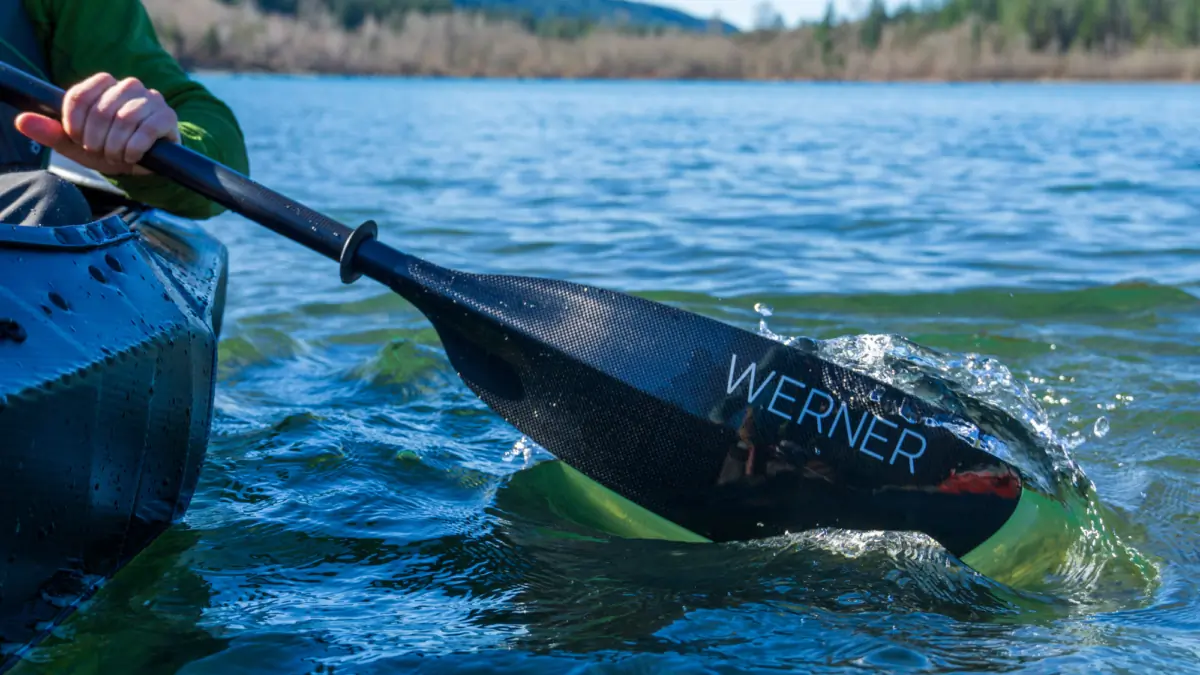
Credit: gearjunkie.com
Frequently Asked Questions
What Is The Proper Technique For Paddling A Kayak?
To paddle a kayak properly, sit upright and grip the paddle with both hands. Dip one blade into the water, pull back, and rotate your torso. Repeat on the opposite side. Keep strokes smooth and consistent for balance and efficiency.
What Are The Three Golden Rules Of Kayaking?
The three golden rules of kayaking are: maintain balance, use efficient paddling techniques, and always plan for safety. Balance ensures stability, efficient paddling conserves energy, and safety planning prevents accidents.
How To Hold A Kayak Paddle For Beginners?
Grip the paddle with hands shoulder-width apart. Keep knuckles aligned with the blade’s angle. Hold firmly but not tightly. Ensure thumbs point towards the blade. Maintain a slight bend in your elbows for flexibility and control. Adjust grip if necessary for comfort and efficiency during paddling.
How Long Does It Take To Paddle 1 Mile In A Kayak?
Paddling 1 mile in a kayak typically takes 20-30 minutes. Speed varies based on water conditions, kayak type, and paddler experience. Beginners might take longer, while experienced kayakers can be quicker. Always ensure safety and check weather conditions before paddling.
Conclusion
Kayaking offers adventure and peace on the water. Paddle with ease and confidence. Practice regularly to improve your technique. Always wear safety gear to stay protected. Explore new waters and enjoy nature’s beauty. Share your experiences with friends and family.
Build memories that last a lifetime. Kayaking can be a relaxing escape or a thrilling challenge. Embrace each moment on the water. Respect the environment and wildlife around you. Appreciate the simplicity and joy of paddling. Start your kayaking journey today and discover a new passion.