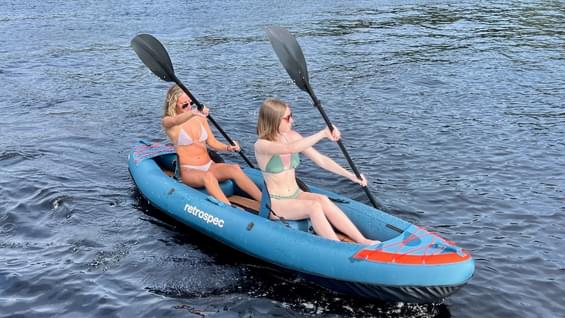
Are you thinking about gliding across serene lakes or tackling rushing rivers? Buying a kayak can be your ticket to adventure and tranquility on the water.
But with so many options out there, how do you choose the right one? You might be feeling overwhelmed, but don’t worry. This guide is crafted just for you, to simplify the process and help you make the best decision.
Picture yourself paddling effortlessly, feeling the rhythm of the water, and experiencing nature like never before. This could be your reality sooner than you think! Dive into our article and discover how to purchase a kayak that perfectly suits your needs, ensuring countless enjoyable and safe outings.
Choosing The Right Type Of Kayak
Selecting the perfect kayak depends on your adventure type. Consider design, weight, and material. Match these features with your kayaking location and skill level for the best experience.
Choosing the right type of kayak can be an exciting yet challenging decision. With so many options available, it’s essential to find the one that aligns with your specific needs and interests. Whether you’re aiming for leisurely paddles, long-distance tours, or fishing adventures, understanding the different types of kayaks can make all the difference.Recreational Kayaks
Recreational kayaks are perfect for beginners and casual paddlers. They are stable, easy to maneuver, and ideal for calm waters like lakes and slow-moving rivers. Imagine gliding effortlessly across a serene lake, feeling the gentle breeze as you explore hidden coves. These kayaks are usually shorter and wider, offering great stability. They’re also lightweight, making them easy to transport and store. If you’re someone who enjoys spontaneous weekend adventures, a recreational kayak might be your best companion.Touring Kayaks
Touring kayaks are designed for longer trips and more challenging waters. They are built for speed and efficiency, allowing you to cover greater distances with less effort. Picture yourself navigating through a series of sea caves or paddling along a scenic coastline. These kayaks are typically longer and narrower, providing better tracking and storage space for gear. If you’re planning multi-day trips or love exploring diverse water bodies, a touring kayak can enhance your adventure.Fishing Kayaks
Fishing kayaks cater specifically to anglers, offering features that make fishing trips more enjoyable. They often come with rod holders, tackle storage, and even pedal-driven systems for hands-free movement. Envision catching your dinner while floating on a tranquil river, surrounded by nature. These kayaks prioritize stability, allowing you to stand up and cast your line comfortably. If fishing is your passion, a fishing kayak will equip you with the tools you need for a successful day on the water.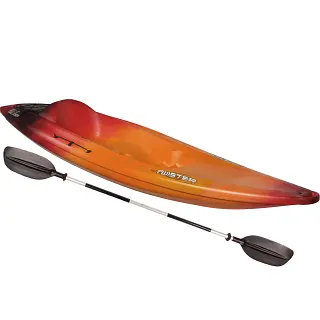
Credit: oldtownwatercraft.johnsonoutdoors.com
Material Considerations
Choosing the right kayak involves thinking about its material. The material affects performance, durability, and cost. Understanding the differences helps you make a smart choice.
Plastic Kayaks
Plastic kayaks are strong and affordable. They resist damage and are easy to repair. These kayaks are perfect for beginners. Their durability makes them great for rough waters. But, they are heavier than other types. This makes them harder to carry and paddle.
Fiberglass Kayaks
Fiberglass kayaks offer a smoother glide. They are lighter than plastic kayaks. This makes them easy to handle and transport. Their sleek design enhances speed. These kayaks are best for those seeking performance. But, they can crack if hit hard. Repairing them can be costly.
Composite Kayaks
Composite kayaks are high-end and lightweight. They combine carbon fiber and Kevlar for strength. This makes them fast and efficient. These kayaks are perfect for experienced paddlers. They offer top performance in all conditions. Despite their quality, they are expensive. Their cost reflects their superior design and materials.
Size And Shape Factors
Choosing the right kayak involves considering size and shape factors. These factors affect performance and comfort on the water. Each kayak offers unique benefits based on its dimensions and hull design. Understanding these factors helps in making an informed choice.
Length And Width
Kayak length affects speed and tracking. Longer kayaks move faster and stay straight in the water. They are ideal for long-distance paddling. Shorter kayaks are more maneuverable. They are better for rivers and tight spaces.
Width impacts stability. Wider kayaks offer more stability. They are great for beginners and calm waters. Narrow kayaks are faster but less stable. They suit experienced paddlers and rougher waters.
Hull Design
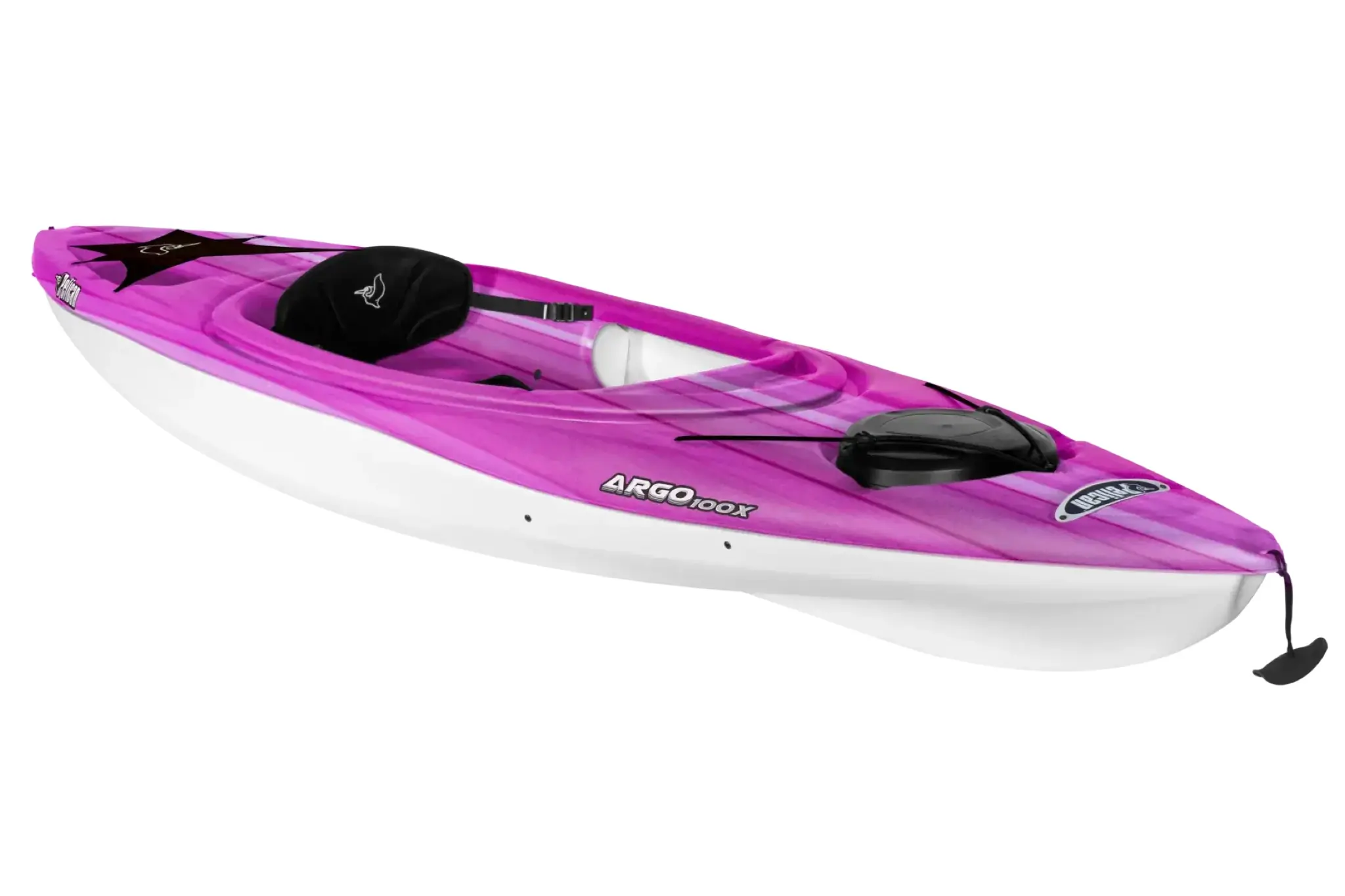
Hull design influences how a kayak behaves on water. Flat hulls provide stability and easy turning. They are perfect for leisure paddling and calm waters. V-shaped hulls are faster and track better. They are suitable for open water and long trips.
Rounded hulls offer a balance between speed and stability. They are versatile for various water conditions. Consider the hull design based on your paddling needs and environment.
Credit: gearjunkie.com
Essential Features To Look For
Choosing the right kayak means focusing on key features. These features ensure a comfortable and enjoyable experience on the water. Let’s dive into the essential aspects you should consider.
Seating Comfort
A comfortable seat is crucial for long kayaking trips. Look for adjustable backrests and cushioned seats. These features prevent discomfort and reduce fatigue. Some kayaks even offer padded thigh supports. This provides extra comfort and control.
Storage Options
Think about how much gear you’ll bring along. Kayaks with ample storage keep your belongings safe and dry. Check for waterproof hatches and bungee cords. These help secure your items on deck. Some kayaks feature specialized compartments for fishing gear or coolers.
Stability And Maneuverability
Stability is essential for beginners and rough waters. Wider kayaks offer better stability. For maneuverability, consider the length and shape of the kayak. Shorter kayaks turn easily and handle well in narrow spaces. Choose based on the type of water you’ll explore.
Budgeting And Price Range
Purchasing a kayak involves understanding various price ranges and setting a budget. Kayaks are available in different categories, catering to beginners, intermediate users, and seasoned paddlers. Consider what features suit your needs and how much you’re willing to spend.
Entry-level Options
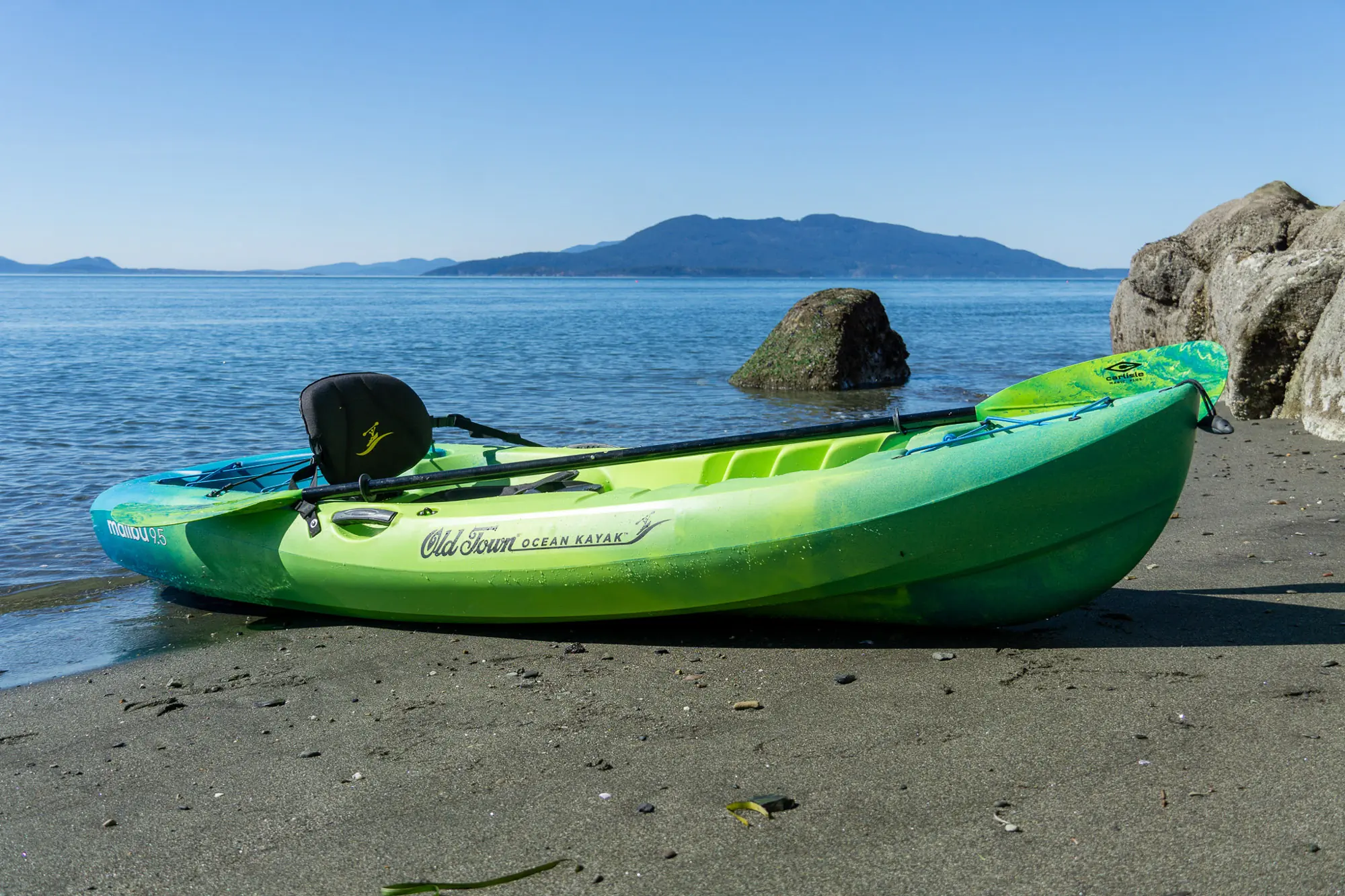
Entry-level kayaks are perfect for beginners and recreational paddlers. These models are usually made from durable plastic. They often feature basic designs and limited features. Prices for entry-level kayaks typically range from $200 to $500. These kayaks are ideal for calm waters and short trips.
Mid-range Choices
Mid-range kayaks offer enhanced features and better materials. They cater to users seeking improved performance and comfort. Prices for mid-range options usually fall between $500 and $1,000. These kayaks often include adjustable seats, more storage space, and upgraded paddles. Mid-range kayaks are suitable for lakes, rivers, and longer adventures.
Premium Selections
Premium kayaks are designed for serious enthusiasts and professionals. These kayaks use high-quality materials like fiberglass or carbon fiber. They offer advanced features and superior performance. Prices for premium models can exceed $1,000. These kayaks are perfect for open water, challenging conditions, and extended trips.
Credit: gearjunkie.com
Where To Buy Your Kayak
Finding the right place to buy your kayak is crucial. Different stores offer varied choices and benefits. Explore options carefully to ensure the best purchase experience. Let’s dive into the most common places to buy a kayak.
Online Retailers
Online retailers offer a broad range of kayaks. You can browse various brands and models with ease. Websites like Amazon, REI, and Cabela’s provide detailed descriptions and customer reviews. These insights help in making informed decisions. Online shopping also allows price comparisons. This ensures you get the best deals. Just remember to check shipping costs and return policies.
Local Stores
Local stores provide a hands-on experience. You can physically inspect kayaks before buying. This helps in understanding the kayak’s size and feel. Stores often have knowledgeable staff. They can offer personalized advice based on your needs. Supporting local businesses is another advantage. Check out sporting goods stores and specialty shops near you.
Kayak Expos
Kayak expos are events where various brands showcase their products. These events offer the chance to see new models and innovations. You can meet experts and enthusiasts who share valuable tips. Expos often include demo areas. You can test different kayaks in water conditions. Look for expos in your area or major cities.
Additional Gear And Accessories
Selecting the right kayak includes considering additional gear like paddles, life jackets, and waterproof bags. These accessories ensure safety and enhance your kayaking experience. Choose durable and reliable equipment for long-lasting use on the water.
When purchasing a kayak, it’s vital to consider additional gear and accessories. These items enhance your kayaking experience and ensure safety on the water. From paddles to life jackets, each accessory plays a crucial role. Let’s explore some essential equipment.Paddles
Choosing the right paddle is key to efficient kayaking. The material affects weight and durability. Fiberglass paddles are lightweight and strong. Aluminum paddles are affordable and sturdy. Consider the paddle length based on your height and kayak width. A longer paddle suits wider kayaks. Ergonomic grips reduce hand fatigue. Adjustable paddles offer flexibility in different conditions.Life Jackets
A life jacket is a must-have for every kayaker. Choose one with a snug fit and adjustable straps. It should allow free movement for paddling. Look for bright colors for visibility. Ensure it has pockets for storing small items. Check if the jacket is certified by safety standards. Comfort is crucial, so try it on before buying.Safety Equipment
Safety on the water cannot be ignored. A whistle can signal for help in emergencies. A waterproof flashlight is essential for low-light conditions. A first-aid kit should be readily accessible. Carry a bilge pump to remove water from the kayak. A paddle float aids in self-rescue situations. Consider a GPS device for navigation and tracking.Tips For First-time Buyers
Purchasing a kayak for the first time can be thrilling. It’s also important to make informed decisions. Beginners may feel overwhelmed with choices. Here’s a guide to help navigate your options. Consider these tips for first-time kayak buyers.
Test Before You Buy
Trying the kayak before buying is crucial. Visit local shops with demo days. Testing helps understand comfort and stability. Paddle in varied conditions. You’ll know if it suits your needs.
Seek Expert Advice
Consulting experienced kayakers offers valuable insights. They share knowledge about different models. Experts can guide on suitable designs. This advice helps avoid common mistakes. It ensures your purchase aligns with your skill level.
Consider Future Needs
Think about your kayaking goals. Will you use it for fishing or touring? Consider potential adventures and skills you wish to develop. A versatile kayak may serve you longer. Investing with future needs in mind is wise.
Frequently Asked Questions
What Is The 120 Rule For Kayaking?
The 120 rule for kayaking helps determine safety based on air and water temperatures. Combine air and water temperatures; if the total is 120°F or more, the conditions are generally safe for kayaking. This rule assists in deciding the need for protective clothing like wetsuits or drysuits.
How Do I Know What Kind Of Kayak To Buy?
Consider your kayaking goals, water type, and skill level. Research recreational, touring, or fishing kayaks. Test options for comfort and stability. Check weight capacity and transportability.
What Are The Three Golden Rules Of Kayaking?
The three golden rules of kayaking are: wear a life jacket, learn proper paddling techniques, and respect the water conditions. Stay safe, be prepared, and enjoy the adventure responsibly.
What Kayak To Buy For Beginners?
Choose a recreational kayak for beginners. Opt for stability and ease of use. Consider sit-on-top models for easy access. Select a lightweight design for simple transport. Check reviews for durability and comfort. Ensure it’s suitable for your preferred water type, whether lakes or calm rivers.
Conclusion
Choosing the right kayak is a rewarding adventure. Follow these steps to make a smart purchase. Consider your budget, needs, and preferences. Visit stores to test different models. Seek advice from experienced kayakers. Check online reviews for reliable insights. Don’t forget about essential accessories.
A comfortable seat and paddle enhance your experience. Safety gear is crucial too. Invest in a quality life jacket. Remember to check local regulations for safe kayaking. Enjoy the thrill of exploring new waters. With the right kayak, every trip becomes memorable.
Start your kayaking journey today!