
Picture this: You’ve planned an exhilarating day on the water, the sun is shining, and your kayak is ready for adventure. But there’s one slight hitch – getting your kayak onto your roof rack.
Does the thought of struggling with straps and balancing acts make you hesitate? You’re not alone. Many paddling enthusiasts find this task daunting. But here’s the good news: by mastering a few simple techniques, you can transform this chore into a breeze.
Imagine the confidence you’ll feel knowing your kayak is secure and ready to hit the road. In this guide, you’ll discover step-by-step instructions and insider tips to easily and safely load your kayak onto your roof rack. Let’s dive into making your next kayaking trip smooth and worry-free.

Credit: www.thule.com
Choosing The Right Roof Rack
Secure your kayak with ease by choosing the right roof rack. Align the kayak with the car roof. Use straps to fasten it securely, ensuring safe transportation.
Choosing the right roof rack for your kayak is crucial to ensure a safe and hassle-free transport. Whether you’re a seasoned paddler or just starting out, finding the perfect fit can make your kayaking adventures much more enjoyable. With numerous options available, understanding what to look for can save you time, money, and potential headaches.Types Of Roof Racks
There are several types of roof racks designed specifically for carrying kayaks. J-cradles are a popular choice, known for their J-shaped design that holds the kayak on its side, allowing for more space on your car’s roof. Saddles provide a more horizontal and stable platform, perfect for larger or heavier kayaks. Stackers are great if you plan to carry multiple kayaks at once, stacking them vertically and securely. Each type has its own benefits, so consider your specific needs and how often you’ll be transporting your kayak.Compatibility With Your Vehicle
Before investing in a roof rack, it’s essential to ensure it is compatible with your vehicle. Start by checking your car’s roof type—whether it has crossbars, side rails, or is bare. Some roof racks are designed specifically for vehicles with existing crossbars, while others can be adapted to fit a variety of roof types. Consider your vehicle’s weight capacity too, as exceeding it can be both dangerous and damaging. It’s also worth thinking about how easy the rack is to install and remove. You don’t want to spend an hour wrestling with it every time you decide to hit the water. Wouldn’t it be frustrating to discover too late that your new rack doesn’t fit quite right? By taking the time to choose a roof rack that fits both your kayak and your car, you’ll be setting yourself up for many smooth and enjoyable trips to your favorite paddling spots.
Credit: www.baysports.com.au
Preparing Your Kayak
Secure your kayak with straps for stability during transport. Carefully lift and position the kayak onto the roof rack. Ensure the kayak is centered and balanced before tightening the straps.
Preparing your kayak is a crucial step before loading it onto a roof rack. A well-prepared kayak ensures safe transport and protects your vehicle and kayak. This process involves cleaning, inspecting, and securing loose parts for a smooth journey.Cleaning And Inspecting
Begin by cleaning your kayak thoroughly. Remove dirt, sand, and salt that may have accumulated. Use fresh water and mild soap to wash the surface. Dry it with a clean cloth to prevent mold and mildew. Inspect your kayak for any damage. Check for cracks, dents, or scratches. Pay special attention to the hull and seams. Ensure that the kayak is in good condition to avoid issues during transport.Securing Loose Parts
Identify any loose parts on your kayak. This includes paddles, seats, and accessories. Gather them and secure them tightly. Use bungee cords or straps to hold them in place. Remove detachable parts, such as pedals or rudders. Store them separately to prevent them from falling off during the drive. Ensure everything is tightly fastened and ready for the road.Loading Techniques
Secure the kayak by using straps to hold it in place. Utilize a lift-assist bar for easier placement. Carefully position the kayak onto the roof rack, ensuring stability.
Loading your kayak onto a roof rack might seem tricky, but it gets easier with the right techniques. Whether you’re by yourself or with a friend, knowing how to load the kayak safely is key. Let’s explore some effective methods for both solo and two-person loading.Solo Loading Methods
Loading a kayak alone requires some planning. Start by placing a towel or mat on the rear of your vehicle. This protects the car’s paint from scratches. Position the kayak at the rear of the car with the bow facing the vehicle. Lift the bow of the kayak and place it on the towel or mat. Next, lift the stern and slide the kayak forward onto the roof rack. Ensure the kayak is centered and balanced. Secure it with straps, ensuring they are tight. Double-check the straps to make sure the kayak won’t move during travel.Two-person Loading Tips
Having a second person makes loading much easier. Start with one person on each end of the kayak. Lift the kayak together, keeping it level. Place the kayak onto the roof rack smoothly. Make sure it’s centered on the rack for balance. While one person holds the kayak steady, the other can start securing it with straps. Once the kayak is strapped down, both should check the straps for tightness. Working together not only makes loading easier but also safer.Securing The Kayak
Placing a kayak on a roof rack requires care and precision. Position the kayak centered on the rack. Secure tightly using strong straps to ensure stability during transport.
Securing a kayak on a roof rack is crucial for safe transport. Ensuring the kayak stays in place prevents accidents and damage. This section will guide you through securing your kayak effectively. Learn to use straps and knots for maximum security.Using Straps Effectively
Straps are essential for securing a kayak. Use high-quality, durable straps for safety. Position the straps over the kayak, aligning with the roof rack. Pull the strap tight to eliminate slack. Ensure the strap buckle is tight and secure. Test by shaking the kayak gently; it should not move.Tying Knots For Security
Knots add extra security to your kayak. Choose simple knots that are easy to untie. The bowline knot is a popular choice for its strength. Tie the knot firmly around the kayak and rack. Ensure the knot is tight but easy to release. Double-check each knot before driving.Safety Precautions
Secure straps tightly to avoid movement during transit. Lift the kayak carefully to prevent damage or injury. Ensure the kayak is centered on the roof rack for balance.
Ensuring your kayak is securely placed on your roof rack is vital, not only for the safety of your equipment but for the safety of everyone on the road. Taking the right safety precautions can make a significant difference in your journey. Let’s dive into some crucial considerations to keep in mind when preparing to transport your kayak.Checking Stability
Before hitting the road, check the stability of your kayak on the roof rack. Gently shake the kayak to ensure it’s firmly strapped and doesn’t wobble. A stable kayak reduces the risk of accidents. Double-check that the straps are tight and the kayak is balanced evenly on the rack. Don’t rely solely on visual checks; physically test the setup for peace of mind.Driving Considerations
Driving with a kayak on your roof requires additional attentiveness. Increased wind resistance can impact your vehicle’s handling and fuel efficiency. Plan your route to avoid high-speed areas if possible. Keep an eye on the kayak through your rearview mirror during the drive. Consider the weather conditions; strong winds can affect the kayak’s stability and your driving safety. Adjust your speed accordingly for a safer journey. Safety should always be your top priority when transporting a kayak. What additional precautions do you take to ensure safe travel?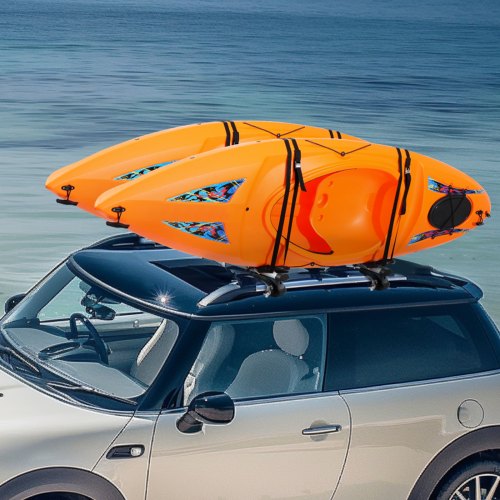
Credit: www.vevor.com
Maintenance Tips
Securely lift your kayak onto the roof rack by positioning it parallel. Use straps to fasten it tightly. Ensure the kayak is stable before driving.
Maintaining your kayak and roof rack ensures longevity and safety. Regular care keeps your equipment in top shape, reducing the risk of damage. Here are some key maintenance tips to follow.Regular Rack Inspection
Inspect your roof rack regularly for signs of wear. Check for rust or loose bolts. Tighten any parts that seem shaky. This prevents your kayak from slipping during transport. Clean the rack to remove dirt and debris. A clean rack maintains grip and avoids scratches.Kayak Care After Transport
After transporting, inspect your kayak thoroughly. Look for scratches or dents. Wash it with fresh water to remove salt or dirt. This prevents long-term damage. Store your kayak in a cool, dry place. This avoids fading and cracking. Regular care extends your kayak’s lifespan.Frequently Asked Questions
Can I Put A Kayak Directly On A Roof Rack?
Yes, you can place a kayak directly on a roof rack. Use padding and secure straps to prevent damage. Ensure the kayak is stable and tightly fastened to avoid shifting during transit. Properly distributing weight helps maintain vehicle balance and safety while driving.
How To Strap A Kayak To A Roof Rack With J Hooks?
Position the kayak on the J hooks, bottom side down. Secure it with straps, looping through the J hooks. Tighten the straps to hold the kayak firmly. Ensure there is no movement before driving.
How To Put A Kayak On Top Of Your Car?
Lift the kayak onto your car roof gently, ensuring even weight distribution. Secure it with straps tightly. Use a roof rack or foam blocks for stability. Double-check the straps before driving. Position the kayak facing forward for better aerodynamics and safety.
Test the setup by gently shaking to ensure it’s secure.
How Fast Can You Drive With A Kayak On The Roof?
Drive up to 65 mph with a kayak on the roof for safety. Always secure it properly with straps. Check vehicle and kayak manufacturer guidelines for specific speed recommendations.
Conclusion
Securing your kayak on a roof rack is simple. Follow these steps carefully. Ensure your kayak is balanced on the rack. Use strong straps for safety. Double-check everything before you drive. Practice makes loading easier over time. Feel confident about transporting your kayak.
Enjoy your adventures on the water. Safe travels and happy paddling.