Ever found yourself flipping your kayak and panicking, unsure of how to get back up? You’re not alone.
Many kayakers face this situation, and mastering the roll technique can be a game-changer. Imagine gliding confidently through the water, knowing you can handle whatever comes your way. Learning how to roll a kayak doesn’t just boost your skills; it transforms your entire kayaking experience.
Are you ready to discover the secret to staying calm and collected, even when you’re upside down in the water? Dive into our guide, and let’s make your next kayaking adventure safer and more exhilarating.

Credit: www.tiktok.com
Choosing The Right Kayak
Choosing the right kayak is crucial for mastering the roll. The right kayak ensures balance and control in the water. It affects your performance and safety.
Types Of Kayaks
Kayaks come in different types, each serving a specific purpose. Whitewater kayaks are short and agile, perfect for quick maneuvers. Sea kayaks are longer and more stable, ideal for open waters. Recreational kayaks offer a balance of stability and comfort. They are great for beginners. Touring kayaks are designed for long-distance travel. They offer speed and efficiency.
Size And Fit Considerations
The size of your kayak impacts performance. A kayak should fit your body snugly. Your knees should touch the sides comfortably. This helps in controlling the kayak better. A kayak that is too large can be hard to manage. A kayak that is too small can feel cramped. Consider your weight and height. Ensure the kayak can support your weight. Test different sizes to find the best fit.
Essential Gear
Proper gear ensures safety and ease when learning to roll a kayak. A sturdy paddle and a snug-fitting life jacket are essential. Wearing a helmet and wetsuit provides extra protection and comfort in colder waters.
When preparing to roll a kayak, having the right gear is crucial. Essential gear ensures safety and enhances your kayaking experience. Here, we explore the necessary equipment for a successful kayak roll.Safety Equipment
Safety is a top priority in kayaking. A reliable life jacket is essential. It keeps you afloat and safe in the water. Choose one that fits well and is comfortable. Helmets are crucial, especially in rocky areas. They protect your head from potential injuries. A whistle is useful for signaling in emergencies. It’s a small but important tool for safety.Paddles And Accessories
The right paddle makes rolling easier. Choose a paddle that suits your height and strength. A feathered paddle reduces resistance in the water. Paddle leashes keep your paddle from drifting away. This accessory prevents loss during a roll. Consider adding paddle grips for better hold. They provide comfort and reduce strain on your hands.Basic Rolling Techniques
Learning to roll a kayak involves understanding basic techniques like hip flick and sweep stroke. Practice these moves in calm water to build confidence. Keep your body relaxed and follow through with the paddle for a smooth roll.
Rolling a kayak might seem daunting at first, but mastering the basic techniques can transform your paddling experience. It’s not just about flipping the kayak; it’s about gaining confidence and control on the water. Imagine the thrill of handling unexpected waves with ease.Understanding The Eskimo Roll
The Eskimo Roll is your go-to technique for getting your kayak upright again. It involves a series of coordinated movements that allow you to right yourself without leaving the kayak. Begin by practicing in calm waters, where you can focus on the sequence of motions. The key is to use your hips to snap the kayak back to the surface. Your paddle acts as a brace, helping you maintain balance. Many beginners make the mistake of relying solely on their upper body strength, but it’s the hip movement that really counts. Remember, practice makes perfect, and patience is your friend here.Common Mistakes To Avoid
Avoiding common mistakes can significantly speed up your learning curve. One frequent error is rushing through the roll without proper setup. Take a moment to position your paddle and body correctly before initiating the roll. Another mistake is lifting your head too soon. It’s natural to want to see where you’re going, but this disrupts your balance. Keep your head low and focus on the paddle movement. Also, don’t neglect your breathing technique; a calm mind leads to a smoother roll. Have you ever felt frustrated with rolling? You’re not alone. It’s a skill that takes time, but with attention to detail and consistent practice, you’ll find yourself rolling with confidence. Remember, every paddler has faced these challenges, and overcoming them is part of the journey.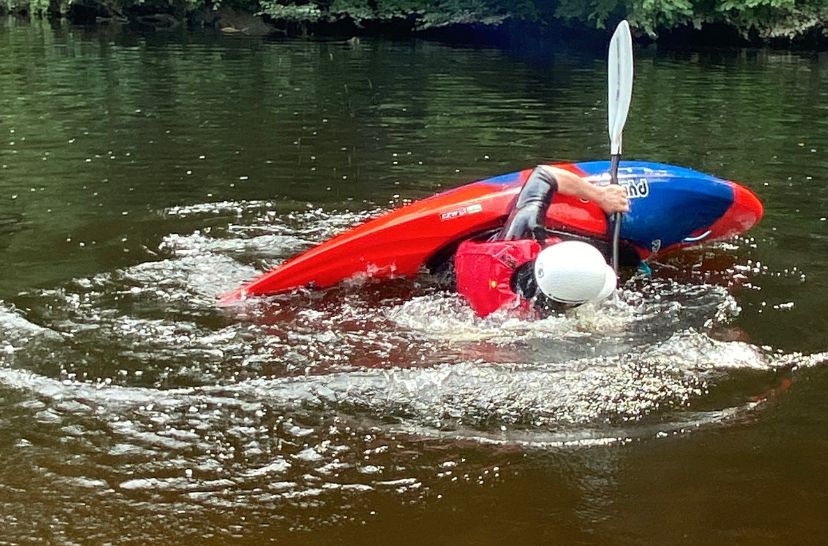
Credit: www.canoecentre.com
Step-by-step Rolling Guide
Kayaking offers an exciting adventure on water. Learning to roll a kayak is essential for safety and control. A step-by-step guide can help beginners and seasoned paddlers improve their skills. Let’s break down the process into easy steps.
Setup Position
Start by sitting comfortably in the kayak. Keep your body relaxed. Hold the paddle with both hands. Position the paddle parallel to the kayak. Your grip should be firm but not tight. Lean forward slightly for balance. Keep your head low and close to the deck. This position is crucial for a successful roll.
Initiating The Roll
Begin by tilting the kayak to one side. Use your hips and knees for control. Sweep the paddle outward in a wide arc. Rotate your torso to follow the paddle’s motion. Focus on the paddle’s blade entering the water. Keep your head low and aligned with your body.
Completing The Roll
Engage your core muscles to return upright. Push your hips up as you pull with your knees. Use the paddle for support and leverage. Keep your head low until your body is stable. Once upright, adjust your position for balance. Practice this sequence to improve your technique.
Advanced Rolling Methods
Advanced rolling methods in kayaking teach how to return to an upright position. Focus on body movement and balance. Practice these techniques for better control and safety on the water.
Kayaking is not just about paddling through calm waters; it’s about mastering the art of control and finesse, especially when you’re caught in challenging situations. Advanced rolling methods take your kayaking skills to the next level. These techniques are essential for dealing with swift currents and unexpected flips, ensuring your safety and enhancing your confidence on the water. As you refine your skills, you’ll find that rolling becomes less about exertion and more about technique and timing.C To C Roll
The C to C Roll is a favorite among many seasoned kayakers. This method focuses on creating a powerful leverage using your body’s natural movements. Start by positioning your paddle perpendicular to the kayak. Engage your core and sweep the paddle in a wide arc, forming a ‘C’ shape. The key here is to keep your head low and lead with your hips. As you complete the roll, your body should form another ‘C’, completing the maneuver with grace and precision.Sweep Roll
The Sweep Roll is known for its fluidity and smooth execution. Unlike the C to C Roll, this method involves a wider, continuous motion. Begin by extending your paddle to the side, parallel to the water’s surface. Sweep the paddle in a wide arc, utilizing your torso’s rotation to guide the roll. The secret lies in the gradual build-up of momentum, allowing the water to naturally assist your roll. It’s a seamless transition that feels like a dance with the currents, rather than a battle against them. Each advanced roll offers unique benefits, but they all share a common goal: to keep you safe and in control. As you practice, ask yourself, which roll feels more intuitive to you? Embrace the challenge and let the water become your teacher.
Credit: www.tiktok.com
Practicing Safely
Learning to roll a kayak can be both thrilling and intimidating. Safety should be your top priority as you practice. Ensuring you have a safe environment and the right support can make all the difference in your learning experience. Let’s dive into some key aspects of practicing safely.
Choosing Practice Locations
Picking the right spot to practice your kayak roll is crucial. Aim for calm waters where you can focus on technique without battling strong currents. Lakes, swimming pools, or even slow-moving rivers can be ideal choices. Avoid busy areas where motorboats or other watercraft might disrupt your practice. Consider places with easy access and exit points in case you need a quick break or assistance.
Reflect on the conditions of the water. Is it clear enough to see below the surface? Are there any hidden obstacles like rocks or branches? These elements could pose risks and hinder your practice sessions. Choosing the right location sets a solid foundation for safe and effective learning.
Using A Spotter
Having a spotter while practicing your kayak roll is not only smart but essential. A spotter can offer immediate help if something goes awry and provide feedback on your technique. Their presence can boost your confidence, knowing you have support when needed. Look for someone experienced in kayaking who can guide you through each step and troubleshoot any issues.
Ask yourself: who do you trust to be your spotter? It might be a fellow kayaker or a friend familiar with water safety. Communication is key; ensure you both understand hand signals or verbal cues to signify when you need assistance. A spotter can turn a daunting practice into a fun and educational experience.
Remember, safety is paramount in mastering the kayak roll. Carefully selecting practice locations and enlisting the help of a spotter can significantly enhance your learning journey. Are you ready to roll with confidence?
Troubleshooting Common Issues
Rolling a kayak is an essential skill for any enthusiast who wants to navigate waters safely. However, common issues can arise during practice that may hinder your progress. Addressing these problems head-on can make all the difference in mastering your roll and enhancing your confidence on the water.
Dealing With Panic
Panic is a frequent hurdle when learning to roll a kayak. The sensation of being upside down underwater can be intimidating. It’s crucial to remain calm and remember your training. Take deep breaths before attempting a roll and focus on the steps you’ve practiced.
One effective strategy is visualization. Before hitting the water, mentally walk through each step of the roll. Envision yourself executing it smoothly. This mental rehearsal can significantly reduce anxiety.
Consider practicing with a buddy. Having someone nearby can offer reassurance and immediate assistance if needed. This support can alleviate panic and boost your confidence.
Improving Body Positioning
Body positioning is critical to a successful kayak roll. If your posture is off, it can disrupt the roll’s fluidity. Focus on keeping your head low and your torso engaged. This alignment helps maintain balance and control.
Pay attention to your paddle’s position. Ensure it is in the right setup to assist with the roll. A misaligned paddle can throw off your technique.
Practice in calm waters initially. This controlled environment allows you to focus on your body positioning without external distractions. As you gain confidence, gradually introduce more challenging conditions.
Reflect on your previous attempts. Ask yourself, how can I adjust my posture for better results? Learning from each experience can provide valuable insights for improvement.
Building Confidence
Building confidence in rolling a kayak involves practice and patience. Start in calm waters to learn balance and technique. Gradually increase challenges as skills improve, boosting self-assurance with each successful roll.
Building confidence in rolling a kayak is a journey that begins with embracing the challenge and believing in your ability to master it. Confidence is not just about overcoming fear but also about developing a skill set that will keep you safe and enhance your kayaking experience. Whether you’re a beginner or have some experience, nurturing confidence is essential. It helps you trust your instincts and tackle the water with ease.Consistent Practice
Nothing builds confidence like practice. Consistent practice turns uncertainty into familiarity. Make a commitment to practice regularly. Consider dedicating specific days each week to your kayaking routine. Each session will bring you closer to mastering the roll. Practice in different environments—calm waters, pools, or with friends. This will prepare you for various conditions.Setting Realistic Goals
Setting achievable goals is crucial. Start with small milestones that you can reach with effort, then gradually raise the bar. Ask yourself, what is the first step you want to achieve in your kayak rolling journey? Is it mastering the hip snap or maintaining composure underwater? Make a list of goals and track your progress. Celebrate each success, no matter how small, as each is a step forward in building your confidence.Tips From Experts
Rolling a kayak can be a challenging skill to learn. Yet, guidance from experts can make a difference. They offer valuable insights to help you roll with confidence. Below, we share expert tips to enhance your technique and understanding.
Pro Techniques
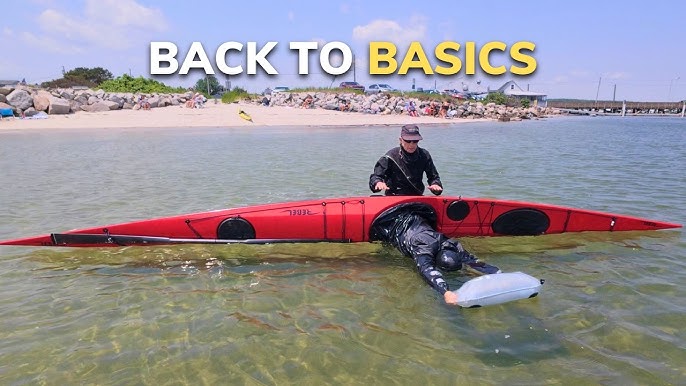
Experts suggest practicing in calm water first. It helps you focus on each movement. Use a paddle float for added buoyancy during initial attempts. This aids in keeping balance and control. Mastering the hip snap is crucial. It’s the key motion that rights the kayak. Engage your core muscles for a powerful hip snap.
Another tip is to visualize the roll. Picture each step in your mind. This mental rehearsal prepares your body for the action. Practice the sweep stroke. It’s a wide, circular motion of the paddle that aids in the roll. Keep your head low and close to the kayak. This maintains balance and prevents capsizing again.
Common Advice
Stay calm and relaxed throughout the roll. Tension leads to mistakes. Practice regularly to build muscle memory. Consistent practice improves skill and confidence. Seek feedback from experienced kayakers. They can spot errors and offer practical advice.
Wear proper gear, like a helmet and life jacket. Safety should always be a priority. Join a kayaking group or class. Learning with others can boost motivation and provide support. Remember to enjoy the process. Each attempt brings you closer to rolling success.
Frequently Asked Questions
How To Roll A Kayak For Beginners?
Start in calm water with a reliable instructor. Practice hip snap and paddle positioning. Focus on body rotation and head movement. Use your paddle for support and leverage. Gradually increase speed and confidence while maintaining safety.
Is Rolling A Kayak Hard?
Rolling a kayak can be challenging for beginners. Proper technique and practice make it easier. Start with instruction from experienced paddlers. Use calm water to practice. Developing muscle memory helps execute a roll smoothly. With time, many kayakers master this skill, enhancing safety and confidence on water.
What Is The 120 Rule For Kayaking?
The 120 rule for kayaking advises paddlers to consider air and water temperatures. If their combined total is below 120°F, wear protective gear like a wetsuit or drysuit to prevent hypothermia. This rule ensures safety in cold environments, enhancing kayaking experiences.
What Are The Three Golden Rules Of Kayaking?
The three golden rules of kayaking are: always wear a life jacket, know your limits, and be aware of weather conditions.
Conclusion
Learning to roll a kayak boosts your water confidence. Practice makes it easier. Remember, patience is key during the learning process. Safety should always be your priority. Wear the right gear and stay aware of your surroundings. Enjoy the thrill of kayaking while staying safe.
Keep practicing to perfect your technique. Share your progress with friends and inspire them to try. Kayaking can be a fun journey for everyone. Embrace each moment on the water. Stay calm, stay focused, and enjoy the adventure. Happy kayaking!