
Imagine this: You’re ready for an adventurous day on the water, with your kayak, paddle, and life jacket packed. As you step out the door, you realize there’s one crucial step left—securing your kayak to the roof rack.
This task might seem daunting, but with the right techniques, it’s a breeze. Properly securing your kayak ensures not only your safety but also the safety of those around you. It saves you from the stress of worrying about your kayak shifting or, worse, falling off while you’re driving.
Stick with us, and we’ll walk you through the foolproof steps to safely secure your kayak to your roof rack, ensuring a smooth and worry-free trip to your favorite waterway. Are you ready to hit the road with peace of mind? Let’s dive in!
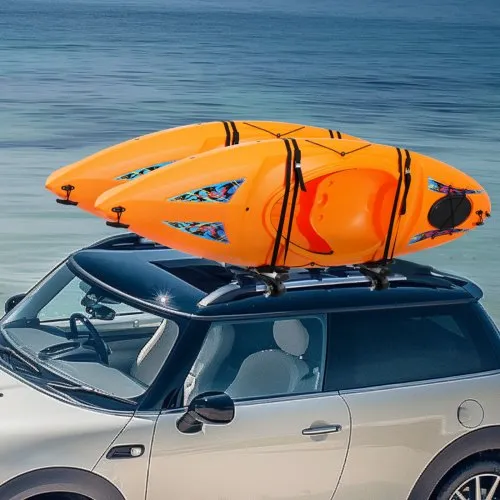
Credit: smilessalam.sg
Choosing The Right Roof Rack
Securing a kayak to a roof rack ensures safe transport. Use sturdy straps and tightly fasten the kayak. Check stability before driving.
Choosing the right roof rack is crucial for a safe kayaking trip. The wrong rack can lead to mishaps on the road. A suitable roof rack ensures your kayak is stable and secure. Let’s explore how to choose the best option.Types Of Roof Racks
Different roof racks suit various needs and preferences. Here are common types:- Crossbars:These are basic bars running across the roof. They are versatile and fit many vehicles.
- J-Cradles:Designed to hold kayaks on their sides. They save space for additional gear.
- Stackers:Ideal for carrying multiple kayaks. They hold kayaks in an upright position.
- Saddles:They cradle the kayak from below. They provide excellent stability during transit.
Compatibility With Your Vehicle
Not every roof rack fits every vehicle. Check the compatibility before purchasing. – Measure your car roof’s width and length. – Consider the roof’s weight capacity. – Ensure the rack can attach securely to your car. Some cars have pre-installed mounting points. Others might need additional fittings. Always refer to the vehicle’s manual for specific instructions. Compatibility ensures ease of installation and safety on the road.Preparing Your Kayak
Securing a kayak to a roof rack ensures safe transport. Use sturdy straps and check the kayak’s balance. Tighten straps evenly to prevent shifting during travel.
Preparing your kayak for transport is a crucial step in ensuring a smooth and safe journey. Proper preparation helps prevent damage to both your kayak and vehicle, and can make the loading process much easier. Before you strap your kayak onto the roof rack, take some time to inspect and clean it. This will not only protect your kayak but also enhance the security of your transport.Inspecting The Kayak
Begin with a thorough inspection of your kayak. Look for any visible damage such as cracks, dents, or loose parts. These could worsen during transportation if not addressed. Check the handles and other attachments to ensure they are secure. Loose handles can make lifting your kayak difficult and can be a safety hazard. Also, inspect the bottom of the kayak for any debris or mud that might interfere with the roof rack’s grip. A clean surface ensures better stability when secured.Cleaning For Safe Transport
Cleaning your kayak not only keeps it in good condition but also helps you avoid any legal issues related to transporting dirt or invasive species. Use a hose or bucket of water to wash off mud, sand, and other residues. A clean kayak is easier to handle and won’t leave a mess on your vehicle. Dry the kayak thoroughly after washing. A slippery kayak can be difficult to secure and may pose a risk during transport. Consider the cleaning process as an opportunity to familiarize yourself with your kayak’s shape and weight. This knowledge can be invaluable when positioning it on the roof rack. Have you ever noticed how a clean kayak seems to glide onto the roof rack effortlessly? Taking the time to clean and inspect your kayak not only safeguards your equipment but also enhances your overall kayaking experience.Securing Equipment Essentials
Secure your kayak using strong straps to ensure stability on the road. Position the kayak correctly on the roof rack. Tighten the straps firmly to prevent shifting during travel.
Securing your kayak to a roof rack is crucial for safe transportation, and having the right equipment can make all the difference. Imagine driving down the highway, the wind whistling by, and your kayak securely fastened above, giving you peace of mind. To achieve this level of security, you’ll need some essential equipment. Let’s dive into what you need to ensure your kayak is snug and safe on your roof rack.Straps And Tie-downs
Quality straps and tie-downs are the backbone of safely securing your kayak. Opt for cam buckle straps, which are easy to tighten and release, providing firm grip without damaging your kayak. Ratchet straps might seem appealing, but they can apply too much pressure, potentially cracking your kayak. Consider using bow and stern lines in addition to your primary straps. These extra lines provide additional stability, especially during long trips. They’re particularly useful if you’re traveling through areas with high winds or uneven roads.Padding And Protection
Protecting your kayak from scratches and dings starts with proper padding. Pool noodles or foam blocks can be an affordable and effective solution. Place them on the roof rack crossbars to cushion your kayak during transport. Additionally, using a kayak cover can safeguard against dust and debris while driving. This added layer of protection ensures your kayak arrives in pristine condition, ready for your next adventure. Have you ever thought about how a small investment in padding can save you from expensive repairs later? Ultimately, securing your kayak properly is about peace of mind and protecting your investment. With the right equipment, you can confidently hit the road, knowing your kayak is safe and sound.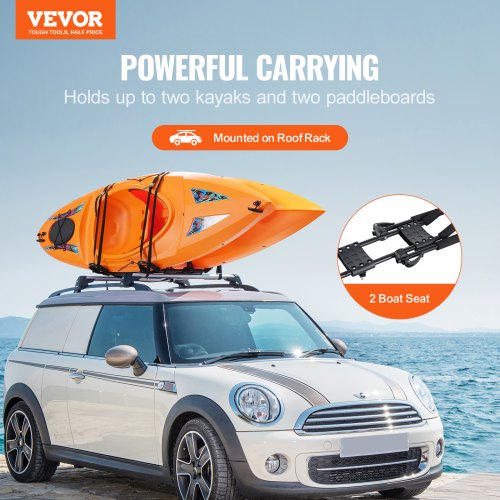
Credit: www.vevor.ca
Loading The Kayak
Secure your kayak to a roof rack by using sturdy straps. Position the kayak evenly on the rack to balance weight. Tighten the straps until the kayak is snug and stable.
Loading your kayak onto a roof rack can be a daunting task, especially if you’re new to the process. But with a little practice and some useful tips, it can become an easy and even enjoyable part of your kayaking adventure. Knowing how to properly load and secure your kayak will not only protect your gear but also ensure safety on the road.Positioning The Kayak
Positioning the kayak correctly is crucial for a safe and smooth journey. Begin by placing the kayak parallel to your vehicle. Lift it, ideally with a partner, to avoid straining your back. Ensure the kayak is centered on the roof rack, with the cockpit facing upwards. This position reduces wind resistance and keeps the kayak stable during transit.Balancing Weight Distribution
Balancing the kayak’s weight is essential to prevent your vehicle from swaying. Check that the kayak’s weight is evenly distributed over the roof rack. Use padding or foam blocks to cushion the kayak and prevent scratches. This not only protects the kayak but also helps in balancing the load. Consider the weight distribution of your vehicle as well. Ensure that the heavier end of the kayak, typically the stern, is positioned towards the rear of the vehicle. This placement helps maintain a balanced load, making your drive safer and more efficient. Have you ever noticed how a well-loaded kayak seems to glide effortlessly on the road? That’s the magic of proper weight distribution.Strapping Techniques
Securing a kayak to a roof rack involves using sturdy straps. Loop the straps over the kayak and tighten evenly. Ensure the kayak is centered and the straps are fastened securely to prevent movement during transit.
Strapping a kayak securely to a roof rack is vital for safe transport. Proper techniques ensure stability and prevent damage. Here, we explore effective methods to strap your kayak safely.Front And Rear Tie-downs
Front and rear tie-downs add extra security to your kayak. They prevent movement during travel. Attach one end of the strap to the kayak’s bow. Secure the other end to a sturdy point on your vehicle’s front. Repeat this at the stern for the rear tie-down. Ensure straps are snug but not too tight. This prevents stress on the kayak.Cross-strapping Method
The cross-strapping method enhances stability. Use two straps to form an X over the kayak. Begin by securing one strap across the kayak’s midsection. Attach the strap to the roof rack’s opposite side. Repeat with the second strap, crossing over the first. This method distributes pressure evenly. It minimizes side-to-side movement. Always check strap tension before driving. Adjust as needed for safety.Safety Checks
Ensure the kayak sits evenly on the roof rack. Use durable straps to secure the kayak tightly. Double-check the straps to prevent shifting during travel.
Securing a kayak to a roof rack is vital for safe travel. Safety checks ensure your kayak stays secure during transit. Proper checks prevent damage and accidents, giving you peace of mind. Before hitting the road, double-check everything. Here’s how to perform essential safety checks.Testing Stability
Stability is crucial for safe transport. Gently shake the kayak to test its stability. If it moves too much, adjust its position on the rack. Ensure the kayak is centered and aligned properly. A stable kayak minimizes risk during travel. Check both front and back for wobbling. Secure any loose parts immediately.Inspecting Strap Tension
Strap tension plays a key role in kayak security. Inspect each strap for tightness. Loose straps can cause the kayak to shift. Tighten them until the kayak feels secure. Check for frayed or damaged straps. Replace them if necessary to ensure safety. Pull each strap to test its hold. Retighten if the straps feel loose. Make sure all straps are evenly tightened.Driving Considerations
Secure a kayak to a roof rack by using sturdy straps to prevent movement during travel. Ensure the kayak is centered and balanced, then tightly fasten the straps to hold it firmly in place. Regularly check the straps for any signs of loosening to maintain safety on the road.
Securing a kayak to your roof rack is just the beginning. Once you’re on the road, driving considerations become crucial. The added weight and shape of a kayak can change your vehicle’s dynamics. Are you ready to adapt your driving style to keep your kayak secure? Understanding how these changes affect your driving is key to a safe journey. Let’s dive into the practical driving aspects you should be aware of.Adjusting Driving Speed
When you have a kayak secured on your roof, it’s wise to adjust your driving speed. The wind resistance and weight can impact your vehicle’s handling and fuel efficiency. Slow down and stay within speed limits, especially on highways. This not only ensures a safer drive but also helps maintain the kayak’s position. Consider the effect of wind gusts. They can make driving at high speeds risky. A slower pace provides more control and stability. Remember, it’s not just about getting there fast; it’s about getting there safely with your kayak intact.Handling Turns And Stops
Turning corners and making stops require extra attention. The kayak’s height and weight affect your vehicle’s balance, making sharp turns more challenging. Ease into turns by slowing down and maintaining a steady speed. This prevents any sudden shifts in the kayak’s position. Stopping is another factor to consider. The added weight can increase your braking distance. Keep extra space between you and the vehicle in front. This buffer allows for a safe stop without any jarring movements. Are you prepared to adjust your driving habits to ensure both your safety and your kayak’s?
Credit: www.facebook.com
Maintenance Tips
Securing a kayak to a roof rack involves using strong straps for safety. Ensure the kayak is balanced and tightly fastened. Double-check the straps to prevent any movement during travel.
Regular maintenance of your kayak roof rack setup is crucial for ensuring the safety and longevity of your equipment. Whether you’re an avid kayaker or a weekend paddler, keeping your gear in top-notch condition is key. Here are some practical tips to help you maintain your kayak and roof rack system.Regular Equipment Inspection
Frequent checks can prevent potential mishaps. Before each trip, take a moment to inspect your roof rack and kayak straps. Look for signs of wear and tear, such as frayed edges or rusted metal parts. Always ensure that the fasteners and bolts are tight and secure. A loose bolt can lead to dangerous situations on the road. Consider setting a monthly reminder to thoroughly inspect all components. This small step can save you a lot of hassle in the long run.Replacing Worn Components
No piece of equipment lasts forever. When you notice that straps are beginning to fray or that metal parts are rusting, it’s time to replace them. Investing in quality replacements can enhance safety and performance. Consider purchasing durable materials that withstand weather conditions. Remember, it’s better to replace a component early than to face a failure during transport. How often do you refresh your gear to ensure it’s up to the challenge?Frequently Asked Questions
How To Properly Secure A Kayak On A Roof Rack?
Position the kayak upside down on the roof rack. Use cam straps to secure it tightly. Ensure straps are parallel and not twisted. Double-check the kayak’s stability by shaking it gently. Attach bow and stern lines to the vehicle for extra security.
Are Bow And Stern Straps Necessary For A Kayak?
Yes, bow and stern straps are necessary for safely transporting a kayak. They prevent movement and reduce stress on the kayak during travel. Properly secured straps help avoid accidents and ensure your kayak remains intact. Always use them alongside other tie-down methods for maximum security.
What Straps Are Best For Securing Kayak?
Use heavy-duty cam straps for securing a kayak. They offer reliable hold and easy adjustment. Avoid ratchet straps as they can apply too much pressure. Ensure straps are at least 1 inch wide for strength. Opt for UV-resistant material to withstand outdoor conditions.
How Fast Can You Go With A Kayak On The Roof?
Driving with a kayak on the roof is typically safe at speeds up to 65 mph. Ensure the kayak is securely fastened and check local traffic laws for specific restrictions. Always prioritize safety by regularly checking straps and the kayak’s stability during the journey.
Conclusion
Securing a kayak to a roof rack requires careful steps. Start with choosing a sturdy roof rack and quality straps. Position the kayak properly. Tighten the straps securely. Double-check everything. Safety is crucial. A well-secured kayak prevents accidents. It also protects your kayak from damage.
Practice will make the process easier. Enjoy the journey with peace of mind. Follow these steps every time. Soon, it will become second nature. Happy kayaking!