
Securing a kayak to your roof rack might seem like a daunting task. You want to ensure your kayak is safe and sound, ready for your next adventure on the water.
Imagine the peace of mind you’ll have, knowing it’s securely fastened, no matter where your journey takes you. In this guide, you’ll discover simple steps to confidently and securely attach your kayak to your vehicle. With easy-to-follow tips and tricks, you’ll be able to hit the road without a second thought.
Whether you’re a seasoned paddler or a newbie, mastering this skill is essential. Dive in and learn how to keep your kayak steady and secure, so you can focus on making memories, not worrying about your gear.
Choosing The Right Roof Rack
Secure your kayak by using sturdy straps and tying down properly. Ensure the bow and stern are tight. Double-check that everything is snug before driving.
Choosing the right roof rack is the first step in ensuring your kayak is secure during transport. The right rack will not only keep your kayak safe but also make loading and unloading a breeze. It’s important to consider the types of racks available and how well they fit your vehicle.Types Of Roof Racks
There are several types of roof racks to consider. J-cradles are popular for their space efficiency, allowing you to carry multiple kayaks. Saddle racks provide a snug fit, cradling the kayak from below, which is great for stability. Stackers are ideal for those who need to transport more than two kayaks, stacking them on their sides. Each type serves a different purpose, so think about how often you kayak, how many you transport, and your ease of loading. If you’re a frequent solo kayaker, you might prefer the ease of a saddle rack. For family trips, stackers offer flexibility.Compatibility With Your Vehicle
Ensuring your roof rack is compatible with your vehicle is crucial. Check the weight limits of your car’s roof and the rack itself. Most vehicles can support a roof rack, but not all racks fit every car model. Measure your roof width and consider if your vehicle has pre-installed crossbars. Some racks require these bars, while others are designed for vehicles without them. If your car lacks crossbars, you might need to purchase an additional kit. Consider how the rack affects your vehicle’s aerodynamics and fuel efficiency. A bulky rack can cause drag and increase fuel consumption. Choose a streamlined model to minimize these effects and improve your driving experience. Have you ever struggled with a roof rack that didn’t fit well? Ensuring compatibility saves time and prevents those frustrating moments when you’re ready to hit the water, only to find the rack isn’t secure.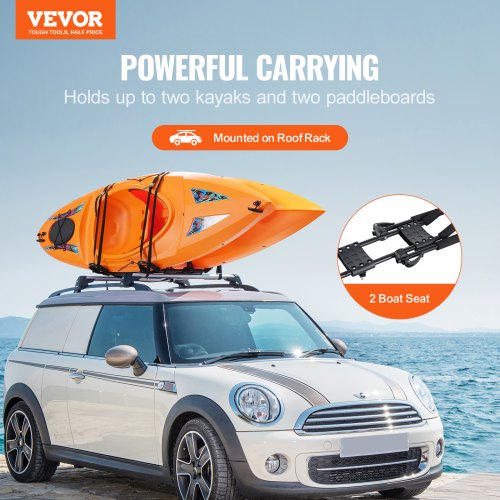
Credit: promsvastgoed.com
Preparing The Kayak
Preparing the kayak for transport involves ensuring it is securely fastened to the roof rack. Position the kayak centrally, using straps to firmly anchor it, preventing movement during travel. Double-check the tightness of the straps to avoid any accidents on the road.
Preparing your kayak for transport is a crucial step that ensures a smooth and safe journey. It’s like setting the stage for an adventure, where every detail matters to prevent mishaps on the road. Let’s dive into the essential steps to prepare your kayak before securing it to your roof rack.Cleaning And Inspecting
Before loading your kayak, it’s essential to give it a thorough cleaning. Removing dirt and debris helps prevent scratches on your car and kayak. Use fresh water and a gentle brush to clean the surface. Inspect your kayak for any damage. Look for cracks, dents, or weakened areas. Imagine the frustration of discovering a crack at the start of your kayaking trip. Regular checks can save you from unforeseen problems.Positioning For Loading
Decide on the positioning of your kayak on the roof rack. Should it face bow forward or backward? Think about wind resistance and balance. Typically, the bow forward position is preferred for better aerodynamics. Ensure your kayak is centered on the roof rack. Uneven loading can affect your car’s handling. Take a moment to adjust and reposition until it’s perfectly centered. Visualize how the kayak will sit on the roof. This helps in selecting the right straps and securing them effectively. Are you confident about your positioning strategy? It might be a good idea to test it before hitting the road.Securing The Kayak
Securing a kayak to a roof rack ensures safe travel. Use sturdy straps and position the kayak evenly. Double-check the tightness before hitting the road to prevent accidents.
Securing a kayak to a roof rack ensures safety during travel. Properly fastening the kayak prevents it from shifting or falling. You need the right tools and techniques for a secure fit. This section explores the essential steps for securing your kayak.Using Straps And Tie-downs
Begin with high-quality straps. They are strong and durable. Use two straps for each kayak. Position them over the kayak and the roof rack. Ensure the straps are flat, not twisted. Tighten the straps securely. Use tie-downs for extra security. Attach them to the front and rear of the vehicle. This prevents movement during braking or acceleration.Checking Strap Tension
After securing the straps, check their tension. They should be tight but not too tight. Over-tightening can damage the kayak. Gently shake the kayak to test stability. If it moves, tighten the straps further. Ensure the kayak is centered on the roof rack. Recheck the tension after driving a short distance. Road vibrations can loosen straps. Regularly inspect the straps during long trips.Safety Considerations
Ensuring the kayak is firmly attached to the roof rack prevents accidents on the road. Use high-quality straps to secure it in place. Double-check the knots and tension for added safety.
Securing your kayak to a roof rack is not just about convenience; it’s crucial for safety. Whether you’re heading to a serene lake or a challenging whitewater course, ensuring your kayak is safely fastened can prevent accidents and damage. Let’s dive into some safety considerations to keep in mind.Avoiding Common Mistakes
It’s easy to overlook small details when strapping your kayak to the roof rack. Common mistakes include using insufficient straps or failing to secure the bow and stern. These errors can lead to the kayak shifting or even flying off the roof while driving. Always double-check your straps and use multiple points of attachment. Have you ever had that sinking feeling of seeing your kayak wobble in your rearview mirror? Avoid that by ensuring everything is tightly fastened. Another mistake is not checking the condition of your straps. Worn-out straps can snap under pressure, so inspect them regularly for wear and tear. Investing in high-quality, durable straps can save you from unwanted surprises on the road.Ensuring Visibility And Balance
Visibility is crucial for safe driving. Ensure your kayak doesn’t obstruct your view or cover your vehicle’s lights and license plate. A kayak that hangs too low or is positioned incorrectly can block your rear visibility, making lane changes risky. Position your kayak centrally on the roof rack for balanced weight distribution and optimal visibility. Balance isn’t just about visibility; it’s also about stability. An unbalanced kayak can cause your vehicle to sway or lean, especially at high speeds or on windy roads. Pay attention to how your vehicle handles once the kayak is secured. If you notice any unusual movement, stop and readjust. Remember, safety isn’t just about securing the kayak itself; it’s about ensuring your entire journey remains smooth and secure. So next time you strap your kayak, ask yourself: Is my setup truly safe for the road ahead?Driving With A Roof-mounted Kayak
Secure your kayak to the roof rack using sturdy straps. Place the kayak evenly, ensuring it doesn’t wobble. Double-check all connections for a safe journey.
Driving with a roof-mounted kayak can be both exciting and nerve-wracking. You’ve taken the time to secure your kayak, but the real test begins on the road. How do you ensure a smooth journey without compromising safety? Here’s what you need to keep in mind.Adjusting Driving Speed
When you have a kayak on your roof, your vehicle’s dynamics change. The added weight and altered aerodynamics mean you should adjust your driving speed. Keep it moderate; speeding can increase wind resistance and strain on your roof rack. Pay attention to speed limits but consider driving a bit slower than usual to maintain better control.Handling Turns And Stops
Taking turns and making stops requires extra caution. Abrupt maneuvers can shift the weight of the kayak, potentially loosening the straps. Approach turns with a gentle hand on the wheel. Slow down earlier than you would without a roof load and take wider turns if possible. Stopping also demands anticipation. Start braking sooner to prevent sudden jerks that could destabilize the kayak. Have you ever noticed how your vehicle feels different when stopping with a roof load? It’s a reminder to always keep safety in the forefront of your mind.
Credit: www.thule.com
Maintenance And Inspection
Secure your kayak to the roof rack by using sturdy straps. Position the kayak correctly and tighten the straps evenly. Regularly check for any movement or loose straps during travel to ensure safety.
Ensuring your kayak remains securely attached to your roof rack isn’t just about the initial setup; it’s about ongoing maintenance and inspection. Regular checks can prevent unexpected issues and keep your kayak safe during transit. Imagine driving down the highway with confidence, knowing your kayak is secure because you’ve taken the time to maintain and inspect your setup. Let’s dive into how you can achieve this peace of mind.Regular Strap Checks
Your kayak straps are the lifeline keeping your kayak firmly attached to the roof rack. It’s essential to check them regularly for signs of wear and tear. A frayed strap can snap without warning, leaving your kayak vulnerable. Set a routine to inspect straps for any damage or weakening. Look for cuts, tears, or thinning areas. If you spot any issues, replace the strap immediately. It’s a small investment for your kayak’s safety. Consider testing the tension of the straps before each trip. Pull on them to ensure they’re snug and haven’t loosened. This quick check can save you from potential headaches on the road.Inspecting The Roof Rack
Your roof rack is the foundation of your kayak transport system. Over time, it can become loose or damaged, compromising its effectiveness. Regular inspections can prevent this and ensure your kayak’s safety. Begin by checking the attachment points of the roof rack to your vehicle. Make sure all bolts and clamps are tight. A loose rack can shift during transit, risking damage to both your kayak and vehicle. Look for rust or corrosion on metal parts. This can weaken the structure, leading to potential failure. Use a rust inhibitor if necessary to prolong the life of your roof rack. Finally, examine the padding or cushioning on the rack. It should be intact to protect your kayak from scratches or dents. Replace any worn-out padding to maintain your kayak’s pristine condition. Do you have a favorite spot to kayak? Regular maintenance ensures you can reach it safely every time.
Credit: www.reddit.com
Frequently Asked Questions
How To Properly Secure A Kayak On A Roof Rack?
Secure the kayak by placing it hull-side down on the roof rack. Use straps to fasten tightly, ensuring they cross over the kayak and attach securely to the rack. Check for stability by gently shaking the kayak. Always ensure straps are in good condition to prevent accidents while driving.
What Straps Are Best For Securing Kayak?
Use heavy-duty cam buckle straps for kayak securing. They offer reliable tension and prevent slipping during transport. Choose straps at least 1-inch wide for stability. Opt for UV-resistant material to withstand sun exposure. Ensure the straps have a working load limit suitable for the kayak’s weight.
Do You Need Bow And Stern Tie Downs For Kayaks?
Bow and stern tie downs enhance kayak security during transport. They prevent movement and protect against wind and road vibrations. These tie downs are essential for safe travel, minimizing risks of accidents and damage. Ensure your kayak is securely fastened for peace of mind on the road.
How Fast Can You Go With A Kayak On The Roof?
Driving with a kayak on the roof is generally safe at speeds up to 65 mph. Always ensure the kayak is properly secured. Exceeding this speed might risk damage or instability. Check local laws and vehicle guidelines for specific speed limits.
Safe driving ensures both your kayak and vehicle remain intact.
Conclusion
Securing a kayak to a roof rack is essential for safe travel. Follow these steps for a secure fit. First, ensure your roof rack is strong and installed properly. Use high-quality straps to secure your kayak tightly. Check the kayak’s position; it should be centered and balanced.
Regularly inspect the straps during travel. Tighten them if needed. This ensures your kayak stays safe on the road. Remember, practice makes perfect. The more you do it, the easier it gets. Happy kayaking! Stay safe and enjoy your adventure on the water.