
Are you ready to glide through serene waters and explore hidden coves? Choosing the right kayak is the first step to an unforgettable adventure.
Whether you’re a beginner or a seasoned paddler, the process can seem daunting with so many options available. But don’t worry—you’re not alone in this journey. Imagine confidently selecting a kayak that perfectly fits your needs, enhancing your experience on the water.
This guide is designed just for you, breaking down the essentials so that you can make an informed decision. Dive in and discover how to select a kayak that suits your style and enhances every paddle stroke. Keep reading, and you’ll soon be on your way to making memories afloat.
Types Of Kayaks
Selecting a kayak depends on its type and your needs. Choose a recreational kayak for calm waters. Touring kayaks suit long-distance paddling. Fishing kayaks offer stability and space for gear. Inflatable kayaks are easy to transport. Consider where and how you plan to use it.
Choosing the right kayak can dramatically enhance your water adventures. With numerous types available, each designed for specific purposes, understanding the distinct features can guide you to the perfect match. Whether you’re a casual paddler or a seasoned explorer, the variety in kayak types offers something for everyone. Let’s dive into the different types and see which one aligns best with your paddling aspirations.Recreational Kayaks
Recreational kayaks are ideal for beginners and those seeking leisurely paddling experiences. They are typically wider, offering great stability, making them perfect for calm waters like lakes and gentle rivers. You might find yourself enjoying a sunny afternoon, floating effortlessly as you soak in nature’s beauty. Their lightweight construction makes them easy to maneuver and transport. If you’re looking for a straightforward and fun way to explore local waterways, this might be your go-to choice.Touring Kayaks
Designed for more extended journeys, touring kayaks are built for efficiency and speed. These kayaks are longer and narrower, allowing for smoother tracking over long distances. Imagine gliding seamlessly through coastal waters or embarking on a multi-day river adventure. Touring kayaks often come with storage compartments for gear, making them perfect for those planning excursions where you might need to pack extra supplies. Are you ready to push your limits and explore farther?Inflatable Kayaks
Inflatable kayaks offer convenience and portability, ideal for those short on storage space or looking to travel easily with their kayak. They can be deflated, packed into a bag, and inflated quickly when you’re ready to hit the water. Despite common perceptions, many inflatable kayaks are surprisingly durable and stable, capable of handling various water conditions. Could this be the solution to your space woes while still enjoying the paddling experience?Sit-on-top Vs Sit-inside
The choice between sit-on-top and sit-inside kayaks often comes down to your comfort and intended use. Sit-on-top kayaks provide an open design, making them easy to get in and out of, which is great for warm climates or beginners who might feel claustrophobic. On the other hand, sit-inside kayaks offer more protection from splashes and cooler weather, with a traditional cockpit design. They are ideal for those who plan to paddle in colder waters or seek a more secure feeling while on the water. Which style resonates with your comfort level and paddling environment?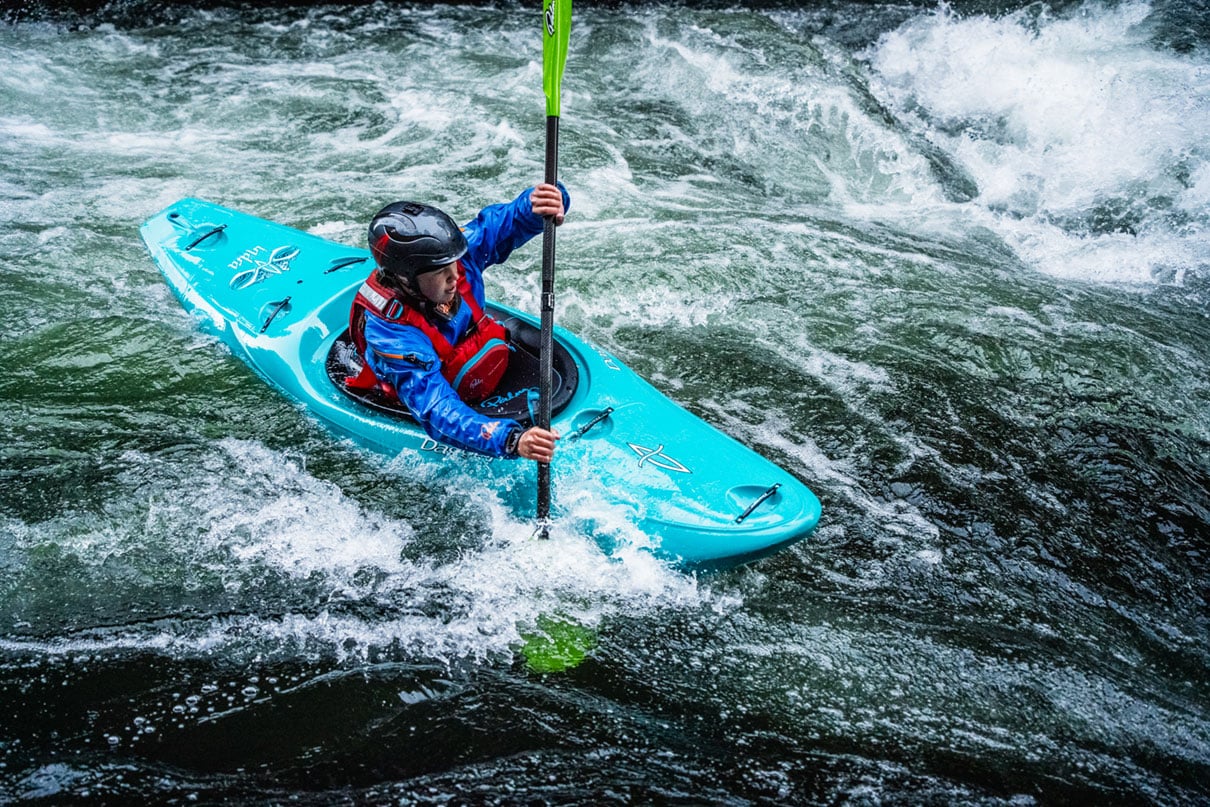
Credit: paddlingmag.com
Material Options
Choosing the right kayak material is crucial. Plastic kayaks are durable and affordable. Fiberglass kayaks offer lightweight performance, ideal for speed. Consider your budget and usage to decide which material suits your needs.
When choosing a kayak, the material plays a critical role in how your watercraft performs and feels. Each material offers unique advantages, whether you’re a seasoned paddler or a beginner looking for weekend adventures. Understanding these options will help you make an informed decision that suits your kayaking needs and lifestyle.Polyethylene
Polyethylene is a popular choice for many kayakers due to its durability and affordability. This tough plastic can withstand rough handling, making it ideal for rocky rivers or beach landings. However, it can be heavier than other materials and may not glide as smoothly through the water. Maintenance is minimal, which is a bonus if you prefer spending more time on the water than repairing your kayak. You might notice some fading in the sun, but a little wear and tear can add character to your kayak. Have you considered how often you’ll be transporting your kayak? Its weight could be a deciding factor.Composite
Composite materials, such as fiberglass and carbon fiber, are known for their sleek performance and lightweight nature. These kayaks glide effortlessly, perfect for those who value speed and efficiency. Imagine slicing through the water with minimal effort, enjoying the thrill of a swift journey. However, the benefits come with a higher price tag and the need for careful handling. Scratches and dings can happen more easily, so if you’re often in rocky areas, this might be a concern. Is the investment in performance worth the potential for damage in your kayaking environment?Inflatable Materials
Inflatable kayaks offer unmatched convenience and portability, ideal for those with limited storage space. They can be easily packed into a car trunk or even a backpack, making spontaneous trips a breeze. Setting up at the water’s edge can feel like an adventure in itself. While they’ve improved in durability over the years, inflatables generally don’t match the performance of rigid kayaks. They can be more susceptible to punctures, though modern designs often incorporate robust materials to minimize this risk. Are you ready to trade some performance for the ultimate in portability?Sizing And Fit
Choosing the right kayak isn’t just about picking the first one that catches your eye. Sizing and fit are crucial elements that affect your paddling experience. The right size ensures comfort, stability, and efficiency on the water.
Length And Width Considerations
The length of a kayak plays a significant role in its performance. Longer kayaks are generally faster and track straighter, making them ideal for longer distances and open water. However, they can be harder to maneuver, especially for beginners.
Shorter kayaks offer better maneuverability and are great for rivers and tight spaces. When considering width, remember that a wider kayak provides more stability but might compromise speed. If you’re new to kayaking, a wider option could offer the stability you need to build confidence.
Weight Capacity
Understanding the weight capacity of a kayak ensures safety and performance. Each kayak has a maximum weight limit, including your weight and any gear or supplies you plan to carry. Overloading can make the kayak unstable and difficult to control.
Consider your typical kayaking activities when evaluating weight capacity. Will you be carrying camping gear for overnight trips, or just a day pack for short excursions? Knowing your needs helps you select a kayak that will safely accommodate your adventures.
Have you ever found yourself paddling a kayak that felt just a bit off? These small discrepancies in size and weight can impact your enjoyment and safety. Taking the time to select the right fit can transform your kayaking experience.

Credit: www.youtube.com
Kayak Features
Choosing the right kayak is an exciting journey filled with options that cater to your unique needs and preferences. Understanding the key features can make all the difference in ensuring your kayaking experience is both enjoyable and practical. Whether you’re storing gear for a weekend adventure, navigating through narrow creeks, or maintaining control in windy conditions, each feature plays a critical role. Dive into these essential aspects to make an informed decision.
Storage Compartments
Storage compartments are a crucial consideration for any kayaking enthusiast. Imagine you’re planning a day-long trip across a serene lake; you’ll need ample space to store your essentials. Look for kayaks with multiple compartments for better organization and accessibility. Waterproof hatches can protect your belongings from unexpected splashes. Consider the type of gear you usually carry and ensure the compartments can accommodate them comfortably.
Cockpit Design
The cockpit design can dramatically influence your kayaking experience. A snug and secure cockpit offers better control over the kayak, especially in choppy waters. On the other hand, wider cockpits provide more freedom of movement and are easier to enter and exit. If you’ve ever struggled to squeeze into a kayak, you understand the importance of choosing a design that suits your body type. Consider your comfort level and the type of paddling you intend to do.
Rudder And Skeg Systems
Rudder and skeg systems play a vital role in steering and stability. These features are particularly beneficial in windy conditions or strong currents. While rudders are controlled by foot pedals, offering dynamic steering, skegs provide stability by reducing sideways drift. Have you ever found yourself struggling to maintain a straight line? A well-designed rudder or skeg system can make navigating easier and more efficient. Reflect on the environments you frequently paddle in to determine which system best suits your needs.
Paddle Selection
Choosing the right kayak involves considering your paddling style and the type of water you will explore. Evaluate kayak size, weight, and material to ensure a comfortable and safe experience. Always test different models before making a purchase to find the perfect fit for your needs.
Selecting the right paddle for your kayaking adventure can dramatically enhance your experience. The paddle isn’t just a tool; it’s an extension of your body, dictating your efficiency and comfort on the water. Whether you’re planning a leisurely exploration or an adrenaline-pumping ride, the choice of paddle can make all the difference.Paddle Length
The length of your paddle is crucial for efficient paddling. A paddle that’s too short may lead to excessive fatigue, while one that’s too long can be cumbersome. Consider your height and the width of your kayak when choosing a paddle length. For instance, taller individuals or those with wider kayaks might opt for longer paddles to ensure smooth strokes. On the other hand, shorter paddles can offer agility and precision, ideal for narrow kayaks. Have you ever found yourself struggling to maintain a rhythm? That might be a sign to reevaluate your paddle length.Blade Shape And Material
Blade shape affects how your paddle interacts with the water. Narrow blades are excellent for smooth, rhythmic paddling, making them perfect for long-distance journeys. Wider blades provide more power, ideal for quick maneuvers and navigating rapid waters. The material of the blade also plays a role in performance. Fiberglass blades are lightweight and durable, offering a balance of power and ease. Meanwhile, carbon fiber blades, although pricier, deliver superior performance with minimal weight. Think about the waters you’ll be paddling—are they calm or challenging? Your answer will guide your choice in blade shape and material. Selecting the right paddle can transform your kayaking from a mere activity to an unforgettable experience. Keep these insights in mind, and you’ll be well on your way to choosing a paddle that aligns perfectly with your kayaking goals.Safety Gear
Choosing the right kayak involves understanding your needs and skill level. Consider stability, size, and intended use. Proper safety gear, including life vests and helmets, is essential for protection on the water.
Selecting the right kayak goes beyond the color and style. Safety gear is crucial for a safe kayaking adventure. Proper safety equipment can prevent accidents and save lives. Here are essential pieces of safety gear to consider.Life Jackets
Life jackets are a must-have for every kayaker. They keep you afloat in case of a capsize. Choose a life jacket that fits snugly but allows free movement. Look for adjustable straps and reflective materials for visibility. Ensure it has a whistle attached for signaling in emergencies.Bilge Pump And Paddle Float
A bilge pump helps remove water from your kayak. Water can enter the kayak from waves or rain. A manual bilge pump is lightweight and easy to use. Paddle floats are essential for self-rescue. They stabilize the kayak during re-entry after a capsize. Inflate the float and attach it to your paddle for added balance.Budget Considerations
When you’re ready to dive into the world of kayaking, your budget plays a crucial role in determining which kayak you take home. It’s not just about finding the right price; it’s about finding the right balance between cost and quality. Whether you’re a beginner or looking for a kayak that’ll last for years, understanding your budgetary limits can help steer you in the right direction.
Entry-level Options
Starting your kayaking journey doesn’t have to break the bank. Entry-level kayaks are perfect for those who want to test the waters without a hefty investment. These kayaks often come at a lower price point, making them accessible to beginners and casual enthusiasts.
- Inflatable kayaks are a popular choice for affordability and convenience. They’re easy to store and transport, ideal for spontaneous adventures.
- Recreational kayaks offer stability and ease of use, perfect for calm waters and leisure paddling.
While entry-level options are budget-friendly, they might lack some features found in higher-end models. Consider what features you value most and whether any compromise is acceptable.
Long-term Investment
If you’re committed to kayaking as a long-term hobby or sport, it might be worth investing in a higher-quality kayak. Spending a bit more upfront can save you money and headaches down the line.
- Composite kayaks, though pricier, offer durability and performance, suited for more serious paddlers.
- Touring kayaks provide speed and efficiency, perfect for those planning extended trips or exploring open waters.
Think about how frequently you plan to paddle and the conditions you’ll encounter. Are you looking for a kayak that will last through years of adventures? By considering your long-term needs, you can make a more informed decision that aligns with your budget and kayaking aspirations.
Where To Buy
Choosing the right kayak is an exciting journey, but knowing where to buy it can make all the difference. Should you buy online or visit a local store? Each option has its own advantages, and understanding these can help you make a more informed decision. Let’s dive into the options available for buying your next kayak.
Online Retailers
Online shopping offers unparalleled convenience. With just a few clicks, you can compare prices, read reviews, and have a kayak delivered to your doorstep. Websites like Amazon, REI, and Backcountry provide a wide range of options, often with customer reviews that can guide your choice.
Consider looking for online retailers that offer free shipping or easy return policies. This can be especially useful if the kayak doesn’t meet your expectations upon arrival. Also, keep an eye out for discounts and deals that are frequently available online.
Have you ever wondered how a kayak would look and feel before purchasing it? While online images and videos can help, nothing beats seeing it in person. Which brings us to the next option.
Local Specialty Stores
Local specialty stores offer a hands-on experience that online shopping simply can’t match. You can touch, feel, and even test the kayak before making a purchase. This tactile experience is invaluable, especially for beginners who might need guidance from experienced staff.
These stores often host demo days, allowing you to try different models on the water. This firsthand experience can be crucial in making the right choice. Additionally, building a relationship with a local store can lead to personalized advice and support.
Have you considered supporting local businesses? Shopping locally not only benefits you with expert advice but also supports your community. Which option seems more appealing to you?
Test Before You Buy
Test before buying a kayak to ensure comfort and stability. Consider factors like size, weight, and material. Find the right fit for your needs by trying different models on water.
Selecting the perfect kayak requires more than just browsing options online. Testing before buying ensures you find the right fit for your needs. You can experience how different kayaks handle on water. This hands-on approach helps make an informed decision. Explore demo days and rental opportunities to test various models.Demo Days
Manufacturers often host demo days for potential buyers. These events offer a chance to try several kayaks. You can compare different models in real conditions. Instructors are usually present to guide you. This helps newcomers understand kayaking basics. Demo days provide a stress-free environment for testing. You can gauge comfort and performance firsthand.Rental Opportunities
Renting kayaks is another smart way to test before buying. Local shops often offer rental services. This allows you to explore different brands and types. Renting for a day or weekend is cost-effective. It gives you ample time to assess features like stability and speed. Rental experiences can reveal what suits your skill level. Always ask about rental rates and conditions. This ensures you get the best deal while testing.
Credit: www.hiseadock.com
Frequently Asked Questions
What Are The Three Golden Rules Of Kayaking?
The three golden rules of kayaking are: maintain balance, use proper paddling technique, and stay aware of surroundings. These rules ensure safety and enhance your kayaking experience. Always wear a life jacket and check weather conditions before heading out.
What Is The 120 Rule For Kayaking?
The 120 rule for kayaking suggests combining air and water temperatures to equal at least 120°F for safe paddling. This helps prevent hypothermia. If the combined temperatures are below 120°F, wear appropriate gear like wetsuits or drysuits. Always check weather conditions before kayaking for safety.
What Should I Know Before Buying A Kayak?
Consider kayak type, weight capacity, and intended use. Check for comfort, storage, and transportation options. Assess material durability and maintenance needs. Ensure safety features like stability and buoyancy. Compare prices and read reviews for informed decisions.
What Size Kayak Should I Get For My Height?
Choose a kayak size based on your height and intended use. Typically, 10-12 feet kayaks suit shorter individuals. Taller individuals might prefer 12-14 feet kayaks for stability and performance. Test different sizes for comfort and paddling efficiency. Always consider weight capacity and kayak type for the best fit.
Conclusion
Choosing a kayak involves careful thought. Consider your skill level first. Beginners need stability. Experts may want speed. Think about the water you will paddle on. Calm lakes need different kayaks than rough seas. Budget is also important. Set a price range.
Compare features within it. Don’t forget comfort. A good seat makes long trips enjoyable. Check the kayak’s weight and size. Transport and storage are easier with lighter models. Keep these tips in mind. They guide you to the right choice.
Happy paddling awaits!