Choosing the right kayak paddle can transform your paddling experience from frustrating to fun. Whether you’re a seasoned kayaker or new to the sport, finding the perfect paddle can be a game-changer.
Imagine gliding effortlessly across the water, each stroke propelling you smoothly forward. The right paddle can make this vision a reality, while the wrong one might leave you struggling and exhausted. Are you feeling overwhelmed by the endless options available?
You’re not alone. Selecting the perfect kayak paddle involves more than just picking one that looks good. It’s about understanding your needs, the type of kayaking you enjoy, and how the paddle’s features can complement your style. By the end of this guide, you’ll have the confidence to choose a paddle that feels like an extension of yourself, enhancing every moment on the water. Ready to dive into the details? Let’s explore what you need to know to make an informed decision and get the most out of your kayaking adventures.
Credit: gearjunkie.com
Choosing The Right Length
Choosing the right kayak paddle length is essential for comfort and efficiency. Consider your height and the kayak’s width. A properly sized paddle allows smoother strokes and better control.
Choosing the right length for your kayak paddle can significantly enhance your paddling experience. A paddle that’s too long or too short can lead to discomfort and inefficient strokes. Finding the perfect length involves understanding several key factors and making precise measurements tailored to your needs.Factors Influencing Length
When selecting a paddle length, consider your kayak’s width. Wider kayaks typically require longer paddles to reach the water comfortably. If your kayak is narrow, a shorter paddle might be more appropriate. Your height also plays a crucial role. Taller individuals often need longer paddles to ensure efficient paddling without overreaching. Conversely, shorter paddlers might find longer paddles cumbersome and unwieldy. Another important factor is your paddling style. High-angle paddlers, who use a more vertical stroke, might prefer shorter paddles for better control. On the other hand, low-angle paddlers, using a more relaxed horizontal stroke, usually benefit from longer paddles.Measuring For Optimal Fit
To measure for the optimal paddle length, start by standing upright and extending one arm above your head. The paddle’s blade should just touch your wrist. This is a simple yet effective method to gauge the right paddle size for your body. Consider testing different paddle lengths in real-world conditions. Borrow paddles from friends or rent from a local shop to see what feels most natural in your hands. This hands-on approach can provide insights that measurements alone cannot. Reflect on your past paddling experiences. Did you ever feel like you were straining or not covering enough water? This could indicate a need for adjusting your paddle length. Choosing the right kayak paddle length is more art than science. It’s about finding the perfect balance that feels right for you and your kayaking adventures.Material Matters
Choosing the right material for your kayak paddle can make a world of difference in your paddling experience. The material affects not only the weight and durability but also how it feels in your hands and how efficient your strokes are. Whether you’re a seasoned kayaker or just starting out, understanding the options available can help you make the best choice for your adventures on the water. Let’s dive into the materials and see what you should consider.
Lightweight Options
Weight is crucial in paddle selection because it influences your endurance and comfort. Lightweight paddles are often made from materials like carbon fiber or fiberglass. These paddles reduce fatigue, allowing you to paddle longer without tiring your arms.
Imagine paddling through serene waters with minimal effort. Carbon fiber paddles offer this luxury, as they are some of the lightest in the market. Fiberglass is another excellent choice, striking a balance between weight and cost.
Have you ever found yourself wishing for just a little less strain on a long kayaking trip? Investing in a lightweight paddle might be the answer.
Durability Considerations
Durability is vital, especially if you’re tackling rough waters or rocky conditions. Materials like aluminum and reinforced plastics are known for their robustness, making them ideal for those who push their paddles to the limit.
While carbon fiber is lightweight, it’s also surprisingly durable, often lasting for years with proper care. Aluminum paddles are tough as nails but can be heavier, which might be a trade-off for some.
If you’ve ever had a paddle snap or bend at an inconvenient moment, you know how crucial durability is. Consider where and how you paddle when choosing a material that will withstand your adventures.
By weighing these factors, you can select a paddle material that complements your kayaking style and keeps you gliding smoothly across the water. What’s your priority: featherweight ease or unyielding strength? The choice is yours to make, based on your unique paddling journey.
Blade Shape And Design
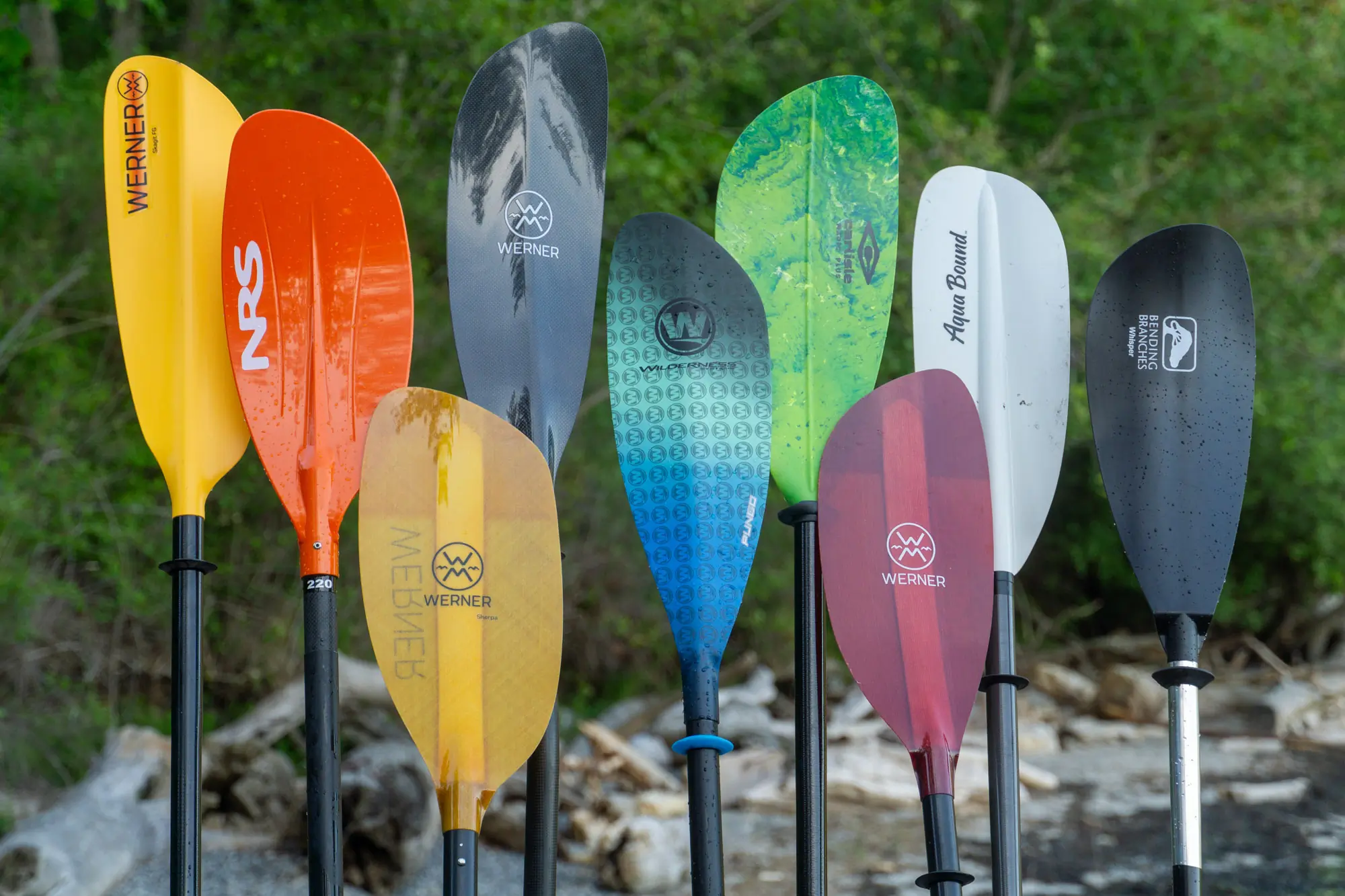
Understanding the blade shape and design is vital in selecting a kayak paddle. The blade influences your paddling efficiency and comfort. Different shapes suit different styles and conditions. Let’s explore key blade designs to help you make an informed choice.
Symmetrical Vs. Asymmetrical Blades
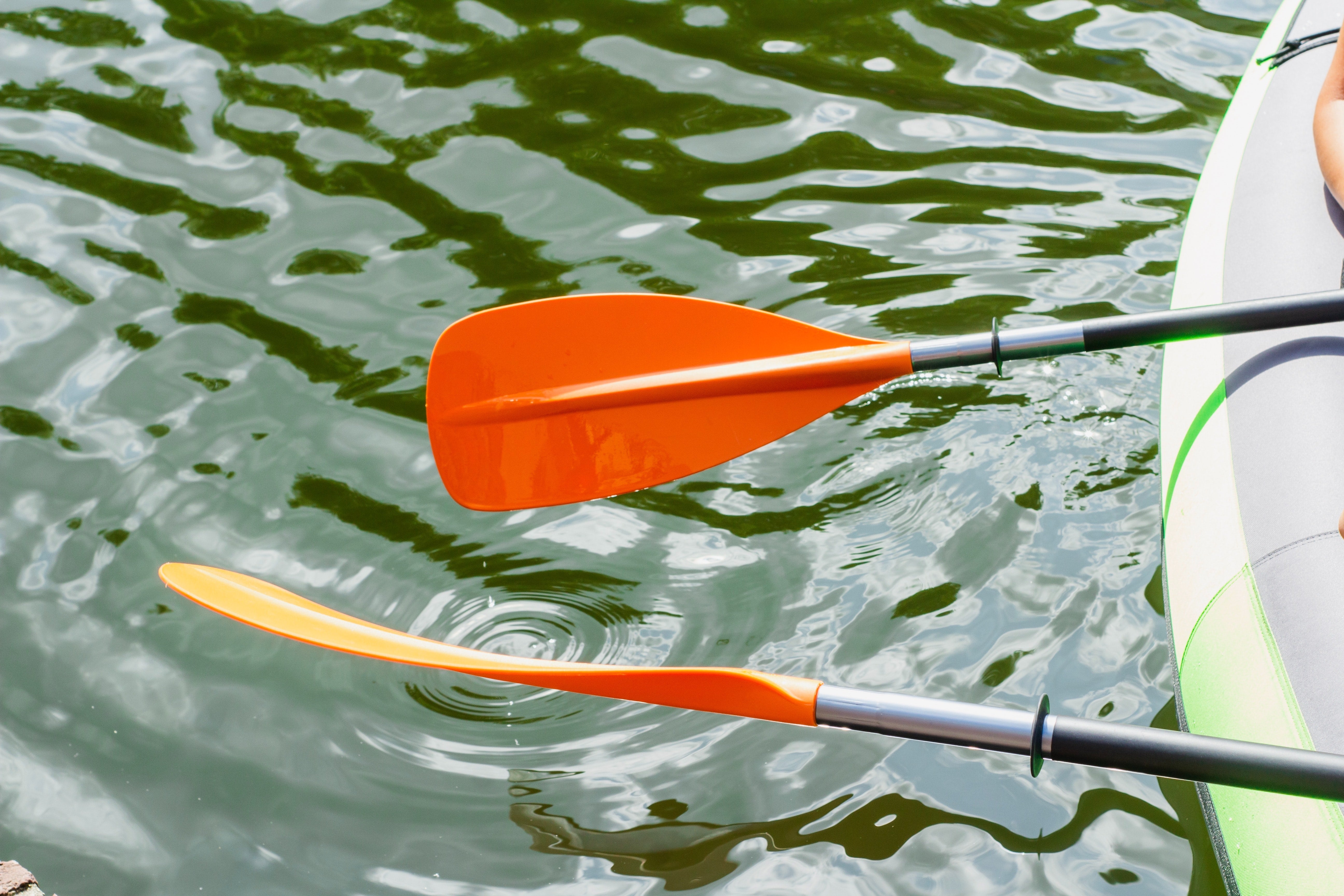
Symmetrical blades have an even shape on both sides. They are great for beginners. These blades offer balanced strokes and are easy to control. Asymmetrical blades have one side longer than the other. This design helps reduce flutter in the water. Paddlers gain more power with each stroke. Choose the design that matches your experience level and paddling needs.
High Angle Vs. Low Angle Paddling
High angle paddling uses more vertical strokes. It suits aggressive and fast paddling styles. Blades for high angle paddling are often shorter and wider. This design generates more power and speed. Low angle paddling is more relaxed and uses horizontal strokes. Blades designed for this style are longer and narrower. They offer smooth and efficient paddling over longer distances. Decide based on your paddling style and preferred pace.
Shaft Type Selection
Selecting the right kayak paddle shaft is crucial for comfort and performance. The shaft connects the paddle blades and influences control. Different shaft types cater to various paddling styles and preferences. Understanding these options helps you make an informed choice.
Straight Vs. Bent Shafts
Straight shafts are common and straightforward to use. They provide a traditional feel and are often lighter. Suitable for paddlers who prefer simplicity and less wrist strain. Bent shafts feature a slight angle in the shaft. This angle aligns the wrists, reducing fatigue. It can enhance comfort for long-distance paddling. Choose based on your paddling style and comfort preference.
Adjustable Shaft Benefits
Adjustable shafts offer flexibility in paddle length. They are perfect for sharing among different paddlers. Adjust the length to suit various water conditions. Shorten for rapid currents or lengthen for leisurely lakes. This versatility makes them a popular choice. Adjustable shafts can adapt to different kayaking scenarios. This feature adds convenience and enhances the paddling experience.
Grip And Comfort
When choosing a kayak paddle, grip and comfort are crucial elements that can significantly impact your kayaking experience. Imagine being out on the water, surrounded by serene beauty, but distracted by discomfort in your hands. The right grip not only enhances your control but also prevents unnecessary strain and fatigue. Let’s dive into the details that make a paddle truly comfortable and easy to handle.
Ergonomic Grip Features
An ergonomic grip can make all the difference in your paddling performance. Look for paddles with contours that fit naturally in your hands. Consider materials like rubber or foam that provide a firm yet cushioned grip. These designs help reduce the effort required to hold the paddle, allowing you to focus more on your strokes and less on adjusting your grip.
Have you ever picked up a tool that just felt right? That’s what an ergonomic paddle should feel like. It should align with the natural curve of your palm, offering a comfortable hold even during long sessions. By selecting a paddle with ergonomic features, you enhance your connection to the water, making each stroke more efficient.
Preventing Blisters And Fatigue
A poorly designed grip can lead to blisters and hand fatigue, turning your enjoyable outing into an uncomfortable ordeal. Choosing a paddle with smooth, rounded edges and a comfortable diameter can help mitigate this risk. Paddles with adjustable grips allow you to customize the fit to suit your hand size and paddling style, reducing the chances of irritation.
Reflect on your past experiences—have you ever ended a kayaking trip with sore hands? By focusing on grip comfort, you can prevent such discomfort. The right paddle should feel like an extension of your arm, minimizing friction and effort. Consider grip tape or gloves for added protection if your hands are particularly sensitive.
Credit: www.baysports.com.au
Budget Considerations
Consider your budget when choosing a kayak paddle. Prices vary widely, impacting quality and features. Balance cost with durability and comfort.
Budget considerations play a crucial role when selecting a kayak paddle. Whether you’re a seasoned paddler or just dipping your toes into the waters of kayaking, knowing how much you’re willing to spend can guide your choices effectively. It’s not just about the price tag; it’s about understanding what you need and what you’re willing to compromise on.Balancing Cost And Quality
Finding a paddle that strikes the perfect balance between cost and quality is key. High-end paddles can significantly enhance your kayaking experience with their lightweight materials and ergonomic designs. However, you don’t necessarily need to break the bank for a paddle that suits your needs. A mid-range paddle might offer the best of both worlds, providing decent durability and performance without the hefty price. Think about how often you plan to use it and in what conditions. For occasional weekend trips, a budget-friendly option might suffice. But if you’re planning more frequent adventures, investing a little more could pay off in comfort and efficiency.Second-hand Options
Exploring second-hand options can be a smart way to save money while still getting a quality paddle. Many seasoned kayakers sell their gear when upgrading, providing opportunities for newcomers to snag great deals. Check local listings, kayaking forums, or social media groups dedicated to outdoor activities. When buying second-hand, inspect the paddle for any signs of damage or excessive wear. Look for cracks or bends that could affect performance. It’s also wise to ask about the paddle’s history—how often it was used and in what conditions. A paddle that’s been well-cared-for can offer excellent value without the new-paddle price. Why not ask fellow kayakers or your local club for recommendations? Sometimes, a bit of community insight can lead you to hidden gems. Remember, it’s not just about finding the cheapest option but ensuring it meets your kayaking needs effectively.Expert Advice And Tips
Choosing the right kayak paddle enhances your paddling experience. Consider paddle length, blade shape, and material. Lightweight paddles reduce fatigue for longer journeys.
Selecting the right kayak paddle can make a huge difference in your paddling experience. The right paddle can enhance your comfort, performance, and enjoyment on the water. Expert advice and tips can guide you toward choosing the perfect paddle for your needs. This section provides valuable insights from professionals and offers practical suggestions.Consulting With Professionals
Speaking to experienced kayakers can be invaluable. They can share insights about paddle types and materials. Professionals understand the nuances of different paddles. Their advice can help you avoid common mistakes. Local kayak shops often have knowledgeable staff. They can discuss features like paddle length and blade shape. Consider attending workshops or seminars. These events offer firsthand learning from experts.Testing Before Buying
Try before you buy. Testing a paddle allows you to feel its weight and grip. This ensures it suits your paddling style. Many stores offer demo days. These events let you test various paddles in water. Pay attention to comfort and ease of use. A paddle should feel natural in your hands. Trying different paddles helps identify preferences. It ensures the paddle complements your kayaking activities.
Credit: jacksonadventures.com
Frequently Asked Questions
How Do I Choose The Right Kayak Paddle?
Choose a kayak paddle based on your height, kayak width, and paddling style. Opt for lightweight materials for comfort. Consider blade shape for efficiency. Test grip and length to ensure ease of use. Select a paddle that matches your skill level and intended water conditions.
What Are The Three Golden Rules Of Kayaking?
The three golden rules of kayaking are: always wear a life jacket, never kayak alone, and check weather conditions before heading out. Prioritize safety and preparation to ensure an enjoyable kayaking experience.
What Size Kayak Paddle Do I Need For My Height?
Choose a paddle based on your height and kayak width. Typically, 5’0″-5’6″ needs a 210-220cm paddle. Taller individuals, 6’0″ and above, usually require a 230-240cm paddle. Adjust for wider kayaks. Accurate sizing ensures efficient paddling and comfort. Test different lengths if possible for best fit.
What Makes A Kayak Paddle Better?
A better kayak paddle offers lightweight materials, ergonomic design, and durable construction. It ensures efficient strokes and reduces fatigue. Adjustable features enhance comfort and performance. Quality blades provide optimal water propulsion, improving speed and control. Choose a paddle suited to your kayaking style and conditions for the best experience.
Conclusion
Choosing the right kayak paddle enhances your paddling experience. Focus on comfort and efficiency. Consider paddle length, material, and blade shape. Shorter paddles suit narrow kayaks. Longer paddles work well with wider ones. Lightweight materials reduce fatigue. Durable blades withstand rough conditions.
Test different paddles if possible. Feel the grip and weight. Find what feels best for you. A good paddle makes paddling enjoyable and smooth. Remember, the right paddle supports your adventure. Enjoy exploring waters with ease and confidence. Happy paddling!