Are you planning your next kayaking adventure but unsure about choosing the right paddle size? A well-sized kayak paddle can make all the difference between a smooth, enjoyable ride and an exhausting struggle against the water.
You might be wondering: How do I ensure the paddle complements my kayaking style, body type, and kayak dimensions? The answer lies in understanding a few simple guidelines that will transform your kayaking experience. Imagine gliding effortlessly across the water, each stroke perfectly powered and efficient.
We’ll unravel the secrets to selecting the ideal kayak paddle size, ensuring you paddle with ease and confidence. Stay with us, and you’ll soon discover how a properly sized paddle can elevate your time on the water to new heights of fun and comfort.
Choosing The Right Paddle Length
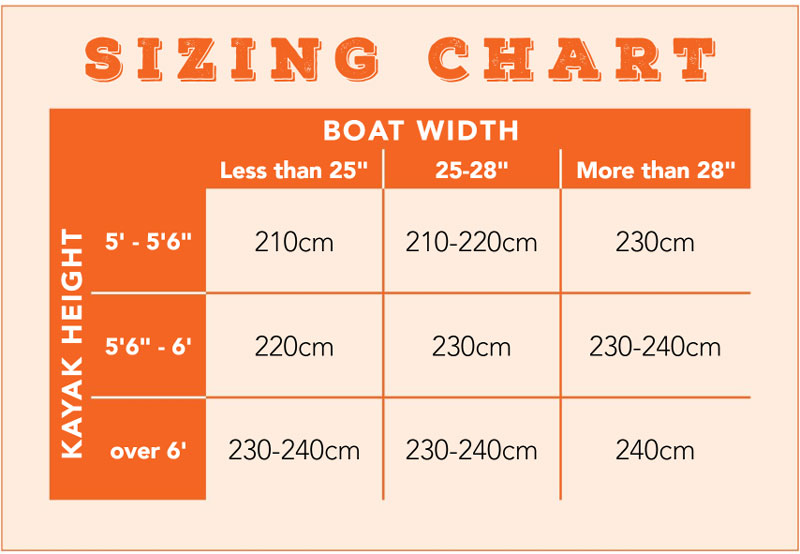
Choosing the right paddle length ensures comfort and efficiency in kayaking. Consider your height and kayak width for sizing. A well-sized paddle enhances your control and paddling experience.
Choosing the right paddle length is crucial for a comfortable kayaking experience. A paddle that fits well ensures efficient strokes and reduces strain. The correct length depends on various factors, including your body measurements and the type of kayaking you enjoy. Understanding these elements will help you select a paddle that enhances your time on the water.Factors Affecting Paddle Length
Several factors influence the appropriate paddle length. Your height plays a significant role. Taller paddlers typically need longer paddles. The width of your kayak also matters. Wider kayaks usually require longer paddles for effective strokes. The type of kayaking, whether touring, recreational, or whitewater, affects paddle choice. Each style has different demands, influencing the optimal length.Measuring Your Torso
To find the right paddle length, measure your torso. Sit up straight on a chair. Measure from the seat to the tip of your nose. This measurement helps determine the suitable paddle size. A longer torso often requires a longer paddle. Use this measurement with a paddle sizing chart. These charts match torso length to appropriate paddle sizes. Always try a paddle before purchasing, if possible. This ensures comfort and efficiency on the water.Importance Of Paddle Width
Paddle width plays a crucial role in kayaking. It affects control, speed, and comfort. Choosing the right width can enhance your paddling experience. Understanding its importance will guide your decision. Different factors influence paddle width selection.
Matching Paddle Width To Kayak Type
Kayak type matters in choosing paddle width. Narrow kayaks need smaller paddle widths. This allows smooth strokes and better maneuverability. Wider kayaks benefit from broader paddle widths. It provides more power and efficient steering. Matching paddle width ensures optimal performance.
Impact On Paddling Efficiency
Correct paddle width boosts paddling efficiency. A wider paddle can push more water. This increases speed and movement. Narrow paddles are lighter, reducing fatigue. They allow longer trips without tiring. Choose a paddle width for efficient energy use.
Blade Shape Considerations
Blade Shape Considerations Choosing the right blade shape impacts paddling efficiency. Wider blades offer more power, while narrower ones provide smoother strokes. Consider your kayaking style and water conditions when selecting a blade shape.
Choosing the right kayak paddle can make a world of difference in your paddling experience. One critical aspect to consider is the shape of the paddle blade. The blade shape impacts how you move through the water, affecting speed, stability, and efficiency. Whether you’re a leisurely paddler or someone who loves the thrill of whitewater, understanding blade shape can elevate your kayaking adventure. Let’s dive into the details.Different Blade Shapes
Paddle blades come in various shapes, each designed to serve different needs. The two most common shapes are symmetrical and asymmetrical blades. Symmetrical blades are uniform on both sides and are generally suitable for beginners. They offer a straightforward paddling experience, making them ideal for calm waters. Asymmetrical blades, on the other hand, are designed with a slight tilt. This tilt helps in creating a more even pull, making them efficient for longer trips or challenging waters. If you enjoy pushing your limits, asymmetrical blades might be your best companion.Selecting Based On Paddling Style
Your paddling style is a key factor in choosing the right blade shape. Do you prefer a high-angle or low-angle paddling style? High-angle paddling involves a more vertical stroke and is generally faster, making it suitable for those who enjoy speed and power. For high-angle paddlers, a shorter and wider blade might be more effective. Low-angle paddling, conversely, uses a more horizontal stroke. It’s less strenuous and perfect for relaxed, long-distance paddling. A longer, narrower blade would complement this style, providing smoother movement with less effort. Consider your primary paddling environment. Are you on a calm lake or navigating through choppy rivers? Tailoring your paddle blade to fit your style and environment can make your excursions more enjoyable. Think about your goals. Are you looking to improve efficiency, power, or endurance? Understanding how blade shape aligns with your objectives will guide you in making the best choice.
Credit: bendingbranches.com
Material Matters
Choosing the right kayak paddle goes beyond just its length. The material of the paddle plays a crucial role. It affects your comfort and efficiency on the water. Different materials offer various benefits and drawbacks. Understanding these will help you make an informed decision.
Lightweight Vs. Durable Materials
Kayak paddles come in a variety of materials. Carbon fiber paddles are extremely lightweight. They reduce fatigue during long paddling sessions. Fiberglass paddles offer a balance between weight and durability. These materials provide a good balance for most kayakers. Aluminum paddles are often heavier. They are more durable and less expensive. Consider your priorities before choosing a material.
Cost Implications
The material of a kayak paddle influences its cost. Carbon fiber paddles tend to be the most expensive. They offer unmatched lightness and performance. Fiberglass paddles are moderately priced. They offer good performance at a lower cost. Aluminum paddles are the most affordable. They are ideal for beginners or occasional paddlers. Weigh the benefits of each against your budget.
Adjustable Vs. Fixed Length Paddles
Choosing between adjustable and fixed length paddles impacts sizing for a kayak paddle. Adjustable paddles offer flexibility for various conditions and users. Fixed length paddles provide consistent performance tailored to a specific user or activity.
Choosing the right kayak paddle length is crucial for comfortable paddling. Paddles come in two main types: adjustable and fixed length. Each has its own benefits and drawbacks. Understanding these can help you make an informed choice. Let’s explore these paddle types.Pros And Cons Of Adjustable Paddles
Adjustable paddles offer flexibility. They can be extended or shortened. This is useful for different paddling conditions.- Pros:
- Great for families sharing a paddle.
- Useful for different kayaking styles.
- Easy to store and transport.
- Cons:
- May be heavier due to extra components.
- Can be less durable than fixed paddles.
- Adjustments may loosen over time.
When To Choose A Fixed Length
Fixed length paddles are set to a specific size. They are ideal for paddlers who know their preferred length.- Perfect for experienced kayakers.
- Often lighter and more durable.
- Offer consistent performance.
Testing Paddle Fit
Testing the fit of your kayak paddle is essential for comfort and efficiency. A well-sized paddle enhances your control and reduces fatigue. It is not just about measurements; real-life testing matters. On-water trials help you find the perfect balance between grip and stroke.
On-water Testing Techniques
Take your paddle for a spin on calm waters. Observe the ease of your strokes. Does it feel natural and smooth? Try different stroke rates. Paddle fast and slow to see how it reacts. Adjust your grip if needed. Check the paddle’s length and angle. Ensure it complements your paddling style. Try varied water conditions. Test in waves and still waters to see its performance. Notice any strain or discomfort. A good fit should feel effortless and fluid.
Signs Of A Poor Fit
Watch for wrist pain or strain. This indicates improper sizing. Struggling to maintain a straight path? Your paddle might be too short or long. Feeling fatigued quickly? It could be due to an incorrect length or weight. Check your paddling angle. A poor fit may cause awkward angles or splashing. Difficulty in handling turns? Your paddle might not be suited for your style. Listen to your body. Any discomfort means it’s time for a change.
Expert Tips For Beginners
Embarking on your kayaking journey is exhilarating, but choosing the right paddle size can make all the difference between a smooth ride and a strenuous experience. As a beginner, you might find yourself overwhelmed by the options available, but fear not! With expert tips, you’ll soon glide through the waters like a pro. Understanding the nuances of paddle sizing is crucial to your comfort and efficiency on the water.
Common Mistakes To Avoid
Avoid purchasing a paddle solely based on price or aesthetics. A mismatched paddle can lead to discomfort and inefficient strokes. Make sure to consider your height, kayak width, and paddling style.
Don’t ignore the importance of shaft length. A paddle that’s too short will make you work harder, while one that’s too long can cause strain on your shoulders.
Never skip trying out the paddle before buying. What feels perfect in the store might not translate well in the water.
Advice From Seasoned Paddlers
Experienced paddlers often recommend testing paddles in various conditions. Borrowing from a friend or renting different sizes can provide invaluable insights.
Take note of your comfort during long paddling sessions. Seasoned paddlers stress the importance of comfort over initial impressions.
Consider adjustable paddles as a versatile option. They offer flexibility, allowing you to tweak the length based on your evolving needs.
Have you ever thought about how paddle size affects your kayaking experience? Ensuring you have the right fit can transform your time on the water from challenging to enjoyable. By learning from seasoned paddlers and avoiding common pitfalls, you’re setting yourself up for success.

Credit: kitchi-gami.com

Credit: www.youtube.com
Frequently Asked Questions
What Are The Three Golden Rules Of Kayaking?
The three golden rules of kayaking are: always wear a life jacket, paddle with a buddy, and check weather conditions. These ensure safety and enhance the kayaking experience.
How Do You Measure Yourself For A Paddle?
Stand straight and measure from your chin to your toes. Use a tape measure for accuracy. This length helps determine the correct paddle size. Consider your paddling style and water type for a precise fit. Choose a paddle that complements your height and activity.
How Do I Know If My Kayak Paddle Is Too Short?
Check for difficulty in paddling and discomfort. Arms should not be fully extended. Consider paddle length based on your height and kayak width. Proper length ensures efficient strokes and reduces fatigue.
What Size Kayak Paddle For 5’4″?
For a height of 5’4″, choose a kayak paddle between 210 cm to 220 cm. Paddle size depends on kayak width and paddling style. A shorter paddle offers better control, while a longer one provides more reach. Always test different sizes to find the perfect fit for comfort and efficiency.
Conclusion
Choosing the right kayak paddle size is crucial. It affects your comfort and performance. First, consider your height and kayak width. Next, think about your paddling style. Shorter paddles suit high-angle strokes. Longer ones work for low-angle paddling. Test different sizes if possible.
Feel the difference in your hands. Remember, a proper fit reduces strain. Enhances control too. Make your kayaking experience enjoyable. Focus on finding the right balance. This guides you to a better adventure. Happy paddling!