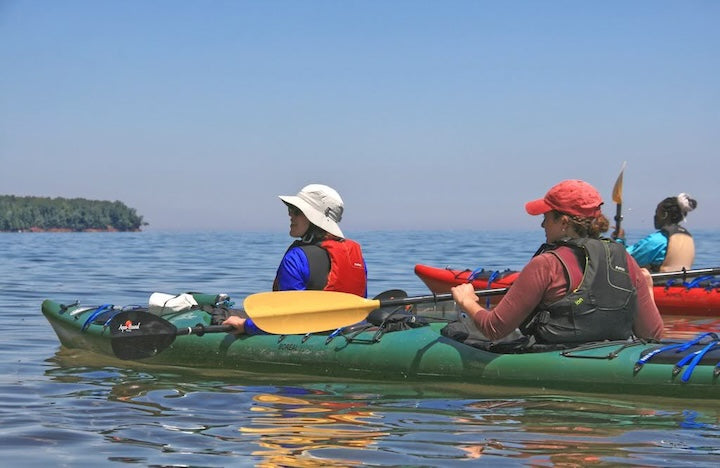
Have you ever imagined gliding across serene waters, feeling the gentle breeze on your face while sharing an adventure with someone special? Tandem kayaking offers this and more.
It’s not just about the thrill of paddling; it’s about teamwork, communication, and creating unforgettable memories. Whether you’re a seasoned paddler or a curious beginner, learning how to tandem kayak can open up a whole new world of exploration and bonding.
But how do you ensure a smooth and enjoyable experience? What are the secrets to perfect synchronization on the water? Stay with us, and you’ll discover everything you need to know to master tandem kayaking and make your next outing a splash!
Choosing The Right Kayak
Selecting the right tandem kayak ensures a smooth and enjoyable experience. Focus on stability, weight, and comfort. Consider your paddling environment and partner compatibility for the best choice.
Choosing the right tandem kayak can be a thrilling yet challenging task. With a range of types, materials, and sizes available, it’s essential to find one that fits your needs and preferences. Whether you’re a beginner or an experienced paddler, understanding these elements will help you make an informed decision and enhance your kayaking experience.Kayak Types
There are several types of tandem kayaks to consider. Sit-on-top kayaks are excellent for beginners due to their stability and ease of use. They’re ideal for warm weather conditions as you’re likely to get wet. Sit-in kayaks offer more protection from water and wind, making them suitable for cooler climates. They often provide better control and speed, which can be beneficial for more experienced paddlers. Inflatable kayaks are perfect for those with limited storage space and are easy to transport. While they might lack the rigidity of hard-shell kayaks, the convenience they offer is unmatched.Material And Design
The material of the kayak significantly affects its durability and performance. Polyethylene kayaks are affordable and robust, making them a popular choice for recreational use. However, they can be heavy and prone to sun damage over time. Composite materials like fiberglass or carbon fiber offer a lightweight and efficient design. They enhance the kayak’s speed and maneuverability but come with a higher price tag. Consider the design features such as the seating arrangement and storage options. Comfortable seating is crucial for long paddling trips, and adequate storage can enhance your adventure by allowing you to carry necessary gear.Kayak Size And Weight
Size and weight are crucial factors when choosing a tandem kayak. A longer kayak often tracks better and moves faster but may be harder to maneuver. Shorter kayaks are more agile and easier to transport, making them ideal for beginners or those planning to navigate tight spaces. Weight impacts how easily you can transport and handle the kayak both on and off the water. A lighter kayak is easier to carry but might compromise on durability. Before purchasing, ask yourself: Can you comfortably carry and transport the kayak with your paddling partner? This question ensures you choose a kayak that suits your physical capabilities and storage options. Choosing the right tandem kayak is about balancing these elements to find what works best for your kayaking adventures. Make sure to test out a few options if possible, and always prioritize comfort and safety in your decision-making process.
Credit: www.meridiankayak.com.au
Essential Gear And Equipment
Discover tandem kayaking with essential gear for a smooth experience. Choose a sturdy double kayak and comfortable paddles. Life jackets are crucial for safety.
When tandem kayaking, having the right gear is crucial. It ensures safety and enhances your experience on the water. Knowing what equipment to bring makes your adventure smooth and enjoyable. Here’s a guide to essential gear and equipment for tandem kayaking.Paddles And Accessories
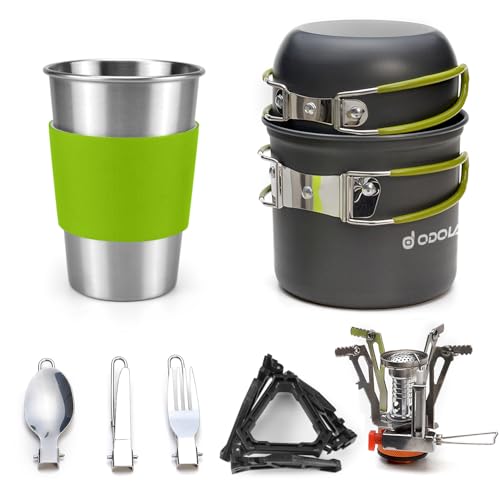
Paddles are your kayak’s engine. Choose ones that are lightweight and durable. Adjustable paddles offer flexibility for different paddlers. Consider paddle leashes to avoid losing them in the water. Carry spare paddles for emergencies.Safety Gear
Safety is a top priority. Wear life jackets at all times. Ensure they fit snugly but comfortably. Bring a whistle for signaling. A waterproof first aid kit can be a lifesaver. Equip your kayak with a bilge pump to remove water.Clothing And Footwear
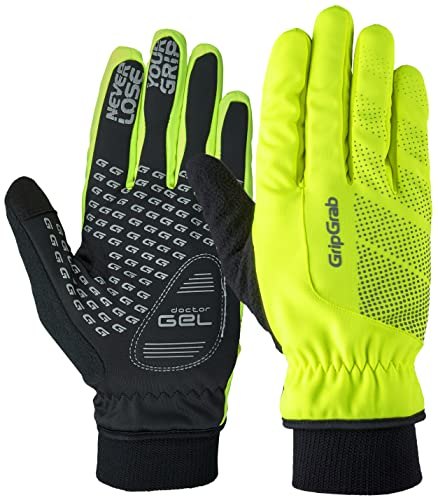
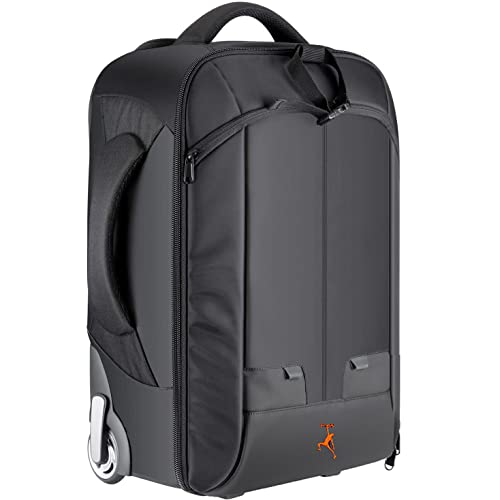
Dress in layers suitable for the weather. Quick-drying clothes keep you comfortable. Avoid cotton as it retains moisture. Use water shoes for better grip and protection. Wear sun protection gear like hats and sunglasses. Carry a waterproof bag for storing valuables.Preparing For Your Adventure
Embark on a tandem kayaking adventure by ensuring good communication with your partner. Choose the right kayak and safety gear. Practice paddling techniques together to sync movements and maintain balance.
Preparing for Your Adventure Embarking on a tandem kayak adventure requires thoughtful preparation. This ensures a seamless and enjoyable experience for both you and your partner. Whether you’re a seasoned paddler or a first-timer, laying the groundwork is crucial to making the most of your time on the water.Route Planning
Choosing the right route can make or break your kayaking adventure. Start by researching local waterways or popular kayaking spots. Consider the skill level required for each route and ensure it matches your capabilities. Discuss with your partner about any previous kayaking experiences. This will help you select a route that both of you are comfortable with. Using online maps or kayaking apps can provide valuable insights into the terrain and potential hazards.Weather Considerations
Weather can be unpredictable, making it essential to check the forecast before heading out. Look for weather updates on reliable websites or apps. Pay attention to wind speed, as strong winds can make paddling challenging. If the forecast predicts rain or storms, it might be wise to reschedule. Safety should always be your top priority. Consider packing a weather radio to stay updated while on the water.Packing Essentials
Packing the right gear can enhance your kayaking experience significantly. Here’s a quick checklist to consider:- Life jackets for each person
- Waterproof bags for valuables
- First-aid kit
- Sunscreen and sunglasses
- Snacks and water for hydration
- Navigation tools like a map or compass
Launching And Exiting
Launching and exiting a tandem kayak might seem daunting. With practice, it becomes second nature. Proper techniques ensure a smooth start and finish. Let’s explore how to launch and exit your tandem kayak effectively.
Launching Techniques
Choose a calm spot to launch your kayak. Place the kayak parallel to the shore. The rear paddler enters first, keeping balance. Hold the kayak steady for the front paddler. They enter next, ensuring stability. Use your paddles to push off the shore gently. Begin paddling once you’re clear of shallow waters.
Exiting Safely
Approach the shore slowly, keeping your kayak steady. The front paddler exits first. They maintain balance while stepping out. Hold the kayak for the rear paddler. The rear paddler exits next, using the paddle for support. Ensure both paddlers are clear before pulling the kayak onto the shore.
Water Conditions
Check water conditions before launching. Calm waters make for easier launches. Avoid launching in strong currents or choppy waters. Consider the tide and wind direction. These factors can affect your kayak’s stability. Always prioritize safety over convenience.
Paddling Techniques
Tandem kayaking requires coordination between paddlers to glide smoothly. Both need to synchronize their strokes for balance. Communication is key to maintain rhythm and direction.
Paddling Techniques Mastering the art of tandem kayaking can be both exhilarating and rewarding. Whether you’re kayaking with a friend or a partner, understanding paddling techniques is crucial for a smooth and enjoyable experience. Let’s dive into the essentials that will help you glide through the water with ease.Synchronization
Successful tandem kayaking hinges on perfect synchronization. Both paddlers need to find a rhythm that suits them, often dictated by the person in the front seat. Consider counting aloud or using a simple “left, right” cadence to stay in sync. Imagine the power of two paddles working in harmony. It not only propels you faster but also creates a seamless experience. Have you ever felt the kayak wobble? That’s a telltale sign of being out of sync, so focus on matching your strokes.Steering And Maneuvering
Steering a tandem kayak requires teamwork, with the rear paddler typically taking charge. They should use wide sweeping strokes or a rudder-like motion to guide the kayak. Meanwhile, the front paddler maintains consistent strokes to keep up the momentum. Clear communication is vital. A simple “right” or “left” can help correct the course. Have you tried switching roles? It offers valuable insight into each other’s strengths and how to better coordinate.Handling Currents
Currents can be tricky, but with the right technique, they can be manageable. Always approach a current at a slight angle, allowing the kayak to cut through rather than fight it. The rear paddler should be ready to steer more aggressively if needed. Stay alert and communicate any changes in the water’s flow. Have you noticed how currents can either assist or hinder your journey? By understanding their patterns, you can use them to your advantage and enjoy a smoother ride.
Credit: www.youtube.com
Communication On The Water
Communication on the water is key to a successful tandem kayaking experience. Clear signals and understanding each paddler’s role ensure smooth navigation. Effective communication helps in problem-solving, keeping the journey safe and enjoyable.
Signals And Commands
Hand signals are crucial for non-verbal communication. Use simple gestures to convey directions. Agree on commands like “stop” or “turn” before setting out. Verbal cues should be concise and easy to understand. Practicing these signals on land can be helpful.
Role Of Each Paddler
The front paddler sets the pace and direction. They need to be alert and responsive. The rear paddler steers and provides power. Their role is to maintain balance and support the front paddler. Clear communication between both ensures synchronized paddling.
Problem Solving
Unexpected issues can arise on water. Quick communication aids in tackling these problems. Discuss potential challenges beforehand. Agree on strategies to resolve them. Cooperation and teamwork are essential in finding solutions. Regular communication helps in avoiding misunderstandings.
Safety Tips
Choose stable waters for kayaking. Wear life jackets and secure belongings. Communicate clearly with your partner to maintain balance.
Kayaking is an exhilarating adventure, especially when you share the experience with a partner in a tandem kayak. However, safety should be your top priority to ensure a fun and secure trip on the water. By focusing on risk management, emergency procedures, and first aid essentials, you can prepare yourself for any situation that might arise.Risk Management
Understanding potential risks is crucial before you hit the water. Are you aware of the weather conditions? Check the forecast and avoid kayaking in storms or strong winds. Do you know the water’s level and currents? Being informed about your environment helps you make smart decisions. Wear appropriate gear like life jackets and helmets. They may seem cumbersome but can save your life. Always share your trip plan with someone on land. This simple step ensures someone knows where you are and when you expect to return.Emergency Procedures
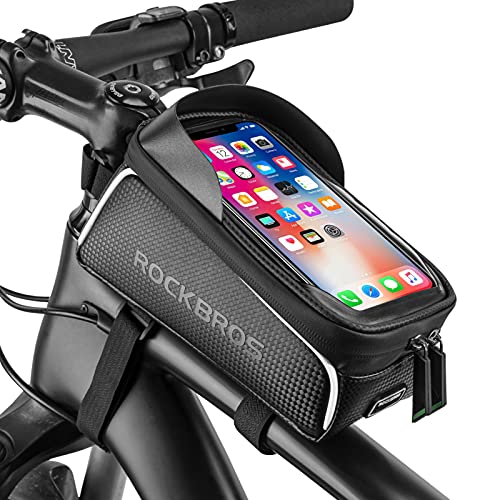
Imagine your kayak capsizing. What’s your plan? Practice flipping your kayak in calm waters and learn how to re-enter it. This builds your confidence in real scenarios. Keep a whistle handy—it’s a universal signal for help on the water. Have a clear communication strategy with your kayaking partner. Simple signals or phrases can convey urgent messages quickly. Are you carrying a waterproof phone case? Access to communication can be vital in emergencies.First Aid Essentials
Pack a compact first aid kit with essentials like band-aids, antiseptic wipes, and pain relief medication. These items can handle minor injuries and prevent infections. Do you know basic first aid for cuts or sprains? A little knowledge can make a big difference. Consider taking a first aid course. Knowing how to perform CPR or treat hypothermia can be life-saving. Do you have sunscreen and insect repellent? Protecting your skin is as important as treating injuries. By prioritizing safety with these practical tips, you enhance your kayaking experience, ensuring it is not only fun but also safe. What steps are you taking to make your next tandem kayak trip safer?Enhancing Your Experience
Paddle together efficiently by synchronizing strokes and maintaining balance. Communicate clearly to navigate turns and obstacles. Practice makes teamwork smoother and enjoyable.
Enhancing your experience while tandem kayaking involves more than just paddling in sync with your partner. It’s about immersing yourself in nature, capturing memories, and savoring each moment. By focusing on the little things, you can transform a simple kayaking trip into a memorable adventure.Wildlife Watching
Kayaking offers a unique vantage point for observing wildlife. The quiet glide of a kayak makes it easier to approach animals without startling them. Keep your eyes peeled for birds skimming the water surface or fish darting beneath your kayak. Consider bringing a pair of binoculars to get a closer look at distant creatures. Let your curiosity guide you—what animals might you see on your next trip?Photography Tips
Capturing the beauty of your surroundings is a great way to preserve your kayaking memories. Make sure your camera or smartphone is waterproof or stored in a dry bag. Experiment with angles and lighting; sometimes the best shots are taken from unexpected perspectives. Remember, it’s not just about the scenery—snap candid moments with your kayaking partner to create lasting memories.Enjoying The Journey
The true joy of tandem kayaking lies in the journey, not just the destination. Take time to relax and soak in the atmosphere. Share stories, laughs, and quiet moments with your partner. Pack a picnic and find a secluded spot to enjoy a meal surrounded by nature. What simple pleasures can you embrace to make your trip unforgettable?Advanced Techniques
So you’ve mastered the basics of tandem kayaking and are ready to take on more advanced techniques. As you move beyond basic paddling, you’ll discover new ways to enhance your kayaking experience. Advanced techniques can transform your tandem kayaking adventures, making them more thrilling and efficient. But are you prepared for the challenges that await? Let’s dive into how you can elevate your skills.
Rolling Techniques
Rolling a kayak is a skill that can come in handy, especially in rough waters. It’s about using your body and paddle efficiently to right the kayak without exiting. Start practicing in calm waters to build confidence. Focus on the coordination between you and your partner; synchronizing your movements is crucial.
One technique involves leaning your body sideways, using a sweeping paddle motion to flip the kayak upright. Both paddlers should be aware of their positions and movements to execute a successful roll. Have you tried coordinating a roll with your partner before?
Handling Challenging Waters
Encountering challenging waters can be both exhilarating and intimidating. Strong currents and waves require precise paddling and communication. You’ll need to understand how to adjust your paddle strokes to maintain stability and direction. Know when to steer clear of obstacles or ride the waves.
Always keep a clear line of communication with your partner. Discuss your strategy before hitting the water. For example, decide on signals for when to speed up or slow down. How do you ensure your tandem kayak remains balanced in turbulent conditions?
Improving Speed And Efficiency
Boosting speed and efficiency in tandem kayaking is about perfecting your technique and working harmoniously with your partner. You might be surprised how small adjustments can make a significant difference. Focus on paddle synchronization for a smoother, faster ride.
Try refining your stroke technique to reduce drag and increase propulsion. Practice makes perfect, so don’t hesitate to spend time honing these skills. What adjustments have you made to improve your tandem kayaking performance?

Credit: www.reddit.com
Frequently Asked Questions
How To Tandem Kayak For Beginners?
Start by sitting in the correct positions; one in front, one in back. Communicate effectively to coordinate paddling. Use synchronized strokes for stability and control. Practice turning by having one paddle forward and the other backward. Always wear life jackets and ensure the kayak is balanced before starting.
Who Should Be In The Back Of A Tandem Kayak?
The more experienced paddler should sit in the back of a tandem kayak. They control steering and provide stability. This position is ideal for someone with strength and skill. The front paddler sets the pace and rhythm, while the rear paddler manages direction and supports overall balance.
What Are The Three Golden Rules Of Kayaking?
The three golden rules of kayaking are: wear a life jacket, paddle within your skill level, and stay aware of water conditions. Prioritize safety by checking weather forecasts and always inform someone about your kayaking plans.
Is It Hard To Paddle A Tandem Kayak?
Paddling a tandem kayak can be challenging initially. Effective communication and coordination between paddlers are essential. Practice improves synchronization and ease. With time, it becomes more manageable and enjoyable.
Conclusion
Tandem kayaking offers fun and adventure for everyone. With teamwork, it becomes enjoyable and rewarding. Remember to communicate well with your partner. This helps steer the kayak smoothly. Practice makes you better. So, spend time on the water. Safety should always come first.
Wear life jackets and check weather conditions. Learn the basic paddling techniques. This ensures a safe and fun experience. Tandem kayaking strengthens bonds and creates memories. Ready to explore new waters? Grab a paddle and start your journey. Enjoy the beauty of nature together.
Tandem kayaking awaits your next adventure.