
Imagine this: it’s a perfect day for kayaking, the sun is shining, and your favorite body of water awaits. But before you can paddle away, you need to make sure your kayak is safely secured to your roof bars.
This task might seem daunting at first, but with the right techniques, you can ensure your kayak is strapped securely, making your journey to the water smooth and worry-free. Picture the peace of mind knowing your kayak is safe on your car, ready to hit the road without a hitch.
You want to avoid any mishaps, right? That’s why understanding how to tie your kayak properly is crucial. It’s not just about getting from point A to point B; it’s about getting there with confidence and ease. In this guide, you’ll discover simple steps and tips that will transform your kayak loading routine. No more second-guessing or worrying about loose straps. Whether you’re a beginner or have a few trips under your belt, mastering this skill will save you time and stress. Dive in, and let’s make your next adventure a smooth sail from start to finish.
Credit: www.humboldt.ca
Choosing The Right Equipment
Selecting the right equipment ensures your kayak is safely secured to roof bars. Use durable straps and padding to protect both the kayak and your vehicle. Efficient tie-down techniques prevent shifting during transit, offering peace of mind and safety.
Choosing the right equipment is crucial for safely tying your kayak to roof bars. Using proper gear ensures your kayak stays secure during transit. It reduces the risk of damage to your vehicle and kayak. Understanding the different types of equipment available can help in making an informed decision.Types Of Roof Bars
Roof bars come in various designs. Each type offers distinct advantages. – Square Bars: Often made from steel. Known for durability. Cost-effective option. – Aero Bars: Designed to reduce wind noise. They enhance fuel efficiency. Sleek and modern look. – Wing Bars: Feature an aerodynamic shape. Ideal for heavy loads. They offer great stability. Choose roof bars that fit your car model. Check compatibility before purchasing.Selecting Quality Straps
Quality straps are essential for securing your kayak. Look for straps made from strong materials. – Cam Buckle Straps: Easy to tighten. They provide a secure hold. Simple to adjust. – Ratchet Straps: Offer superior tension. Best for heavy kayaks. Require careful handling. – Rope: A traditional option. Ensure it’s thick and durable. Knot skills are necessary. Consider the length of the straps. They should be long enough to wrap around the kayak and roof bars. Always inspect straps for wear and tear before use.Preparing The Kayak
Securing a kayak to roof bars is simple. Place the kayak upside down on the bars. Use strong straps to tie it firmly, ensuring no movement. Check all straps for tightness before driving.
Preparing your kayak for transport is essential. It ensures safety and prevents damage during travel. A well-prepared kayak means fewer surprises on the road. Let’s explore how to get your kayak ready.Cleaning And Inspecting
Before loading, clean the kayak thoroughly. Remove any dirt, sand, or debris. A clean kayak reduces scratches on your vehicle. Inspect the kayak for any cracks or damage. Look for weak spots that might worsen during transport. Ensure handles and tie-down points are secure. Double-check these areas to avoid mishaps.Positioning For Stability
Position the kayak correctly on the roof bars. Place it hull-side down for better stability. This reduces wind resistance and keeps the kayak steady. Align the kayak centrally on the bars. This ensures even weight distribution. Adjust the kayak to prevent overhang on either side. A balanced setup is key to a safe journey.Placing The Kayak On The Roof
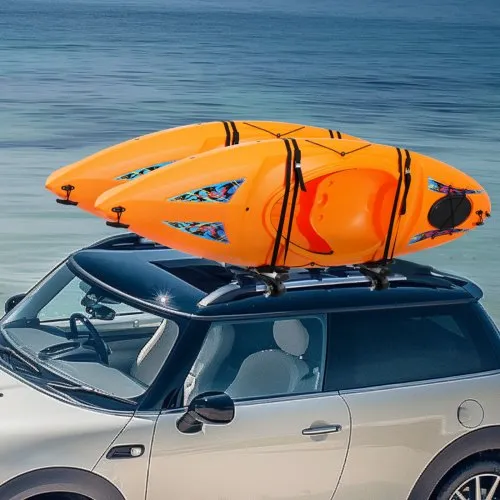
Securing a kayak to roof bars is simple with the right steps. Use strong straps to hold it firmly. Ensure the kayak is centered and balanced to prevent shifting during travel.
Placing the kayak on the roof requires careful handling. Proper placement ensures safety during transport. It’s crucial to follow the right steps. Misaligned kayaks can lead to accidents or damage. Ensuring the kayak is secure is vital.Lifting Techniques
Lifting a kayak needs strength and technique. Always lift with a partner. Use your legs, not your back, to avoid strain. Grasp the kayak from its cockpit or handles. Keep the kayak level as you lift.Aligning With Roof Bars
Position the kayak parallel to the vehicle. Align it with the roof bars for stability. Ensure the cockpit faces upward. Adjust the kayak until it rests evenly. Check if the kayak is centered on the roof.Securing With Straps
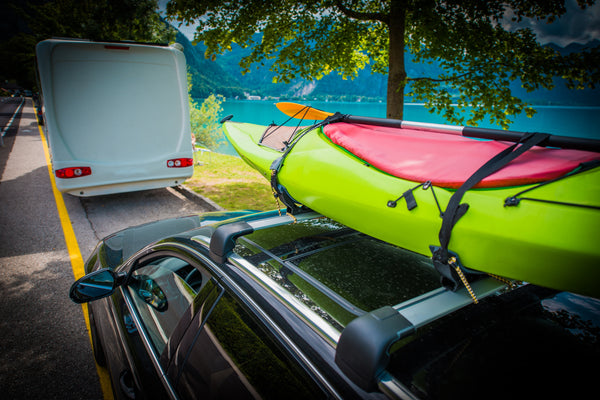
Securing with straps ensures your kayak stays safe during transport. Position the kayak on the roof bars, then loop straps over it. Tighten them snugly to prevent movement.
Securing your kayak with straps is crucial for a safe journey. Straps ensure your kayak stays put, even at high speeds or on bumpy roads. Learning how to properly use these straps not only protects your kayak but also provides peace of mind during transportation.Front And Rear Straps
Using front and rear straps is a fundamental step in securing your kayak. These straps prevent the kayak from shifting side to side or sliding off the roof bars. Begin by placing your kayak on the roof bars, ensuring it’s centered and balanced. Attach the front strap by looping it around the front of the kayak and securing it tightly to the roof bars. Repeat this process with the rear strap, making sure both ends are equally taut. These straps act as your kayak’s anchor, maintaining its position even during sudden stops or turns. Ever had a kayak slide off while driving? This method can save you from such mishaps.Center Strap Method
The center strap method is a great addition to your kayak securing strategy. This technique involves placing an additional strap over the middle section of the kayak, offering extra security. Place the strap over the center of the kayak, threading it through the roof bars. Pull the strap tight, ensuring it hugs the kayak snugly. This step provides additional stability, especially useful for longer journeys. Imagine the peace of mind knowing your kayak is doubly secured. Why not test this method on your next trip? Notice the difference in stability and ease, knowing your kayak is safely fastened.Checking Stability
After you’ve secured your kayak onto the roof bars, ensuring its stability is crucial. The last thing you want is for your kayak to shift or worse, fall off while driving. This is where checking stability becomes essential. Are you confident your kayak will withstand the forces of the road? Let’s dive into a few methods to confirm its steadiness.
Tightness Test
Begin by inspecting the straps. Are they snug? They should be tight enough to hold the kayak firmly but not so tight that they damage it. If you can easily slide your fingers under the straps, they need to be tightened. Consider the tension as a balance between security and protection. Remember, a loose kayak can become a projectile, posing danger to you and others.
Shake Test
Now, give the kayak a shake. Grasp the kayak at different points and apply a firm shake. Does it wobble excessively? A slight movement is normal due to the flexibility of straps, but significant motion indicates a need for adjustment. Imagine driving through a bumpy road; your kayak should remain stable. This test mimics real-world conditions, ensuring peace of mind during travel.
Checking stability isn’t just a step; it’s a safeguard for your adventure. How confident are you in your setup? These tests provide reassurance, saving you from potential mishaps on the road.
Credit: smilessalam.sg
Safety Tips For Transport
Securely transport your kayak by using strong straps and roof bars. Position the kayak evenly across the bars for stability. Tighten the straps firmly to prevent movement during travel.
Transporting your kayak safely is crucial to ensure both your gear and vehicle remain in top condition. Whether you’re heading to a serene lake or a challenging river, securing your kayak properly to the roof bars is just the start. Safety is paramount during the journey. Here are some essential tips to keep in mind while transporting your kayak.Monitoring During Travel
During your drive, make periodic stops to check the kayak’s positioning and the tightness of the straps. Even a securely tied kayak can shift due to road vibrations. Pull over at rest stops or safe pull-off areas to inspect. Ensure the straps are still taut and the kayak hasn’t moved. It’s better to spend a few extra minutes checking than risk an accident. Listening for unusual noises is also crucial. If you hear whistling or flapping, it might indicate a loose strap or shifting load.Handling Adverse Weather
Weather conditions can dramatically affect your transportation plans. Rain can make straps slippery, potentially loosening them. Before you start driving, double-check the tightness of all fasteners. Windy conditions can add extra drag on your kayak. This not only affects fuel efficiency but can also test your securing setup. Ensure your kayak is centered and aligned with the car to minimize drag. Snow or ice can accumulate on the kayak, adding unexpected weight. Clear any build-up to prevent extra strain on your straps and roof bars. Remember, safety is about being proactive. What other precautions do you take when transporting your kayak?
Credit: www.ascentforums.com
Frequently Asked Questions
How To Secure A Kayak To Roof Bars?
Place the kayak on roof bars, ensuring it’s centered. Use cam straps to secure it tightly. Loop straps under bars, over the kayak, and tighten. Ensure straps are parallel and snug. Double-check security by shaking the kayak. Use bow and stern lines for added stability.
Can I Put A Kayak Directly On Crossbars?
Yes, you can put a kayak directly on crossbars if they are padded. Use straps to secure the kayak tightly. Ensure the kayak is balanced and centered on the crossbars for safe transportation. Consider using a kayak carrier for added protection and stability during travel.
What Straps Are Best For Tying Down A Kayak?
Use cam buckle straps for tying down a kayak securely. They provide strong grip and are easy to adjust. Nylon straps are durable and weather-resistant, ensuring stability during transport. Avoid ratchet straps; they can apply excessive pressure and damage the kayak.
Choose straps with a width of at least one inch.
How To Safely Put A Kayak On The Car Roof?
Lift the kayak using a friend, securing it with straps on the car roof rack. Position it evenly. Use bow and stern lines for extra safety. Ensure all straps are tight and check for any loose ends before driving. Avoid sudden stops and turns for safe transport.
Conclusion
Tying a kayak to roof bars is easier than it seems. Remember to use the right straps for security. Check the tightness of all connections. Loose straps can be dangerous. Practice makes perfect, so try loading your kayak a few times.
This helps build confidence and skill. Safety should always be your top priority. Double-check your setup before hitting the road. Always drive with caution when transporting a kayak. Follow these steps, and enjoy a safe kayaking adventure. Happy paddling!