Transporting a kayak on your car might seem like a daunting task at first glance. You’ve invested in your kayak to explore tranquil lakes and winding rivers, and the last thing you want is a transportation mishap.
Imagine the freedom of arriving at your destination with peace of mind, knowing your kayak is safe and secure. This guide will show you how to make that a reality, step by step. Whether you’re a seasoned adventurer or a weekend warrior, understanding the right techniques can save you time, stress, and potential damage to both your vehicle and kayak.
Dive in to discover the secrets to a hassle-free kayak transport and unlock a smoother journey to your next water adventure.
Choosing The Right Roof Rack
Choosing the right roof rack is essential for transporting your kayak safely. A suitable roof rack keeps your kayak secure during travel. It also protects your vehicle from damage. Let’s explore how to select the best roof rack for your needs.
Types Of Roof Racks
There are several types of roof racks to consider. Each type offers unique benefits.
- J-Cradles:These hold the kayak at an angle. They are easy to load and save space.
- Saddles:These provide a cradle for your kayak. They offer more stability during transport.
- Stackers:These are ideal for carrying multiple kayaks. They hold kayaks on their sides.
Each type serves different purposes. Choose according to your needs.
Compatibility With Your Vehicle
Ensure the roof rack fits your vehicle. Check the manufacturer’s guidelines. Not all racks fit every vehicle model. Measure your roof width and crossbar distance. This helps find the right fit.
Consider your vehicle’s load limits too. Exceeding the limit can damage your car. This ensures safety and protects your investment.

Credit: www.facebook.com
Securing The Kayak
Securing the kayak is essential for safe transport on a car. Use sturdy straps to fasten the kayak tightly to the roof rack. Ensure the kayak is balanced and does not move during travel.
Transporting a kayak on your car can transform a mundane journey into an exciting adventure. However, ensuring your kayak is securely fastened is crucial not just for safety, but also for peace of mind. Imagine cruising down the highway, your kayak wobbling precariously. That’s a scenario you want to avoid. By focusing on securing your kayak correctly, you can ensure a smooth and stress-free journey to your next paddling destination.Using Straps And Tie-downs
Straps and tie-downs are your best friends when it comes to securing your kayak. Opt for high-quality, durable straps that can withstand various weather conditions. Ratchet straps or cam buckle straps are often recommended for their strength and ease of use. Ensure the straps are snug but not overly tight. Over-tightening can damage your kayak. When tightening, listen for any creaks or shifts. These are signs you need to adjust. It’s smart to use at least two straps to secure the kayak to the roof rack. One should go around the middle, while the other can be placed near the ends. This helps distribute the pressure evenly.Positioning The Kayak Correctly
Proper positioning of your kayak is key to a stable ride. Place the kayak upside down or on its side, depending on its shape and your roof rack design. This minimizes wind resistance and potential movement. Align the kayak with the center of the car to maintain balance. If the kayak is off-center, it can affect your vehicle’s handling. Before you start your trip, give the kayak a gentle shake to check stability. If it feels loose, reposition and adjust the straps. A little extra time spent here can save you from big headaches later. Have you ever found yourself driving with a kayak that seems to have a mind of its own? Ensuring the kayak is correctly positioned can prevent those nerve-wracking moments. With these tips, you’re well on your way to a secure and enjoyable kayaking adventure.Loading Techniques
Transporting a kayak on a car requires careful planning and the right equipment. Secure the kayak with straps, ensuring it is balanced and stable. Use a roof rack or foam blocks to protect both the kayak and your vehicle during transit.
Transporting a kayak on a car can be a daunting task, especially if you’re new to it. However, with the right loading techniques, it can become a seamless part of your kayaking adventure. Whether you’re heading to a tranquil lake or a rushing river, knowing how to properly load your kayak is crucial. It ensures not only the safety of your equipment but also your peace of mind while driving. Let’s dive into some practical loading techniques that will get your kayak from your driveway to the water smoothly.Single Kayak Loading
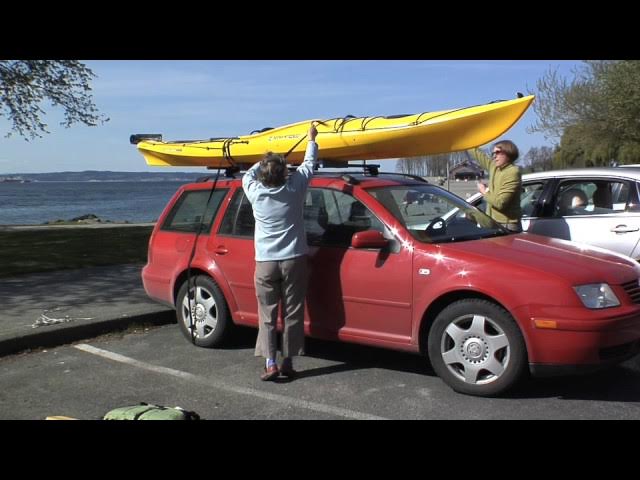
Loading a single kayak can be done with ease if you have the right tools and techniques. Start by using a kayak roof rack or foam blocks designed to hold your kayak securely. Position your kayak on the ground parallel to your car, with the bow facing the front. Next, lift the kayak onto the roof rack. If you’re doing this alone, use your legs to lift, keeping your back straight to avoid injury. Once on the roof, ensure the kayak is centered on the rack. Secure the kayak with strong, reliable straps. Wrap the straps over the kayak and under the roof rack, making sure they are tight to prevent any movement during transit. Consider using bow and stern lines for added security.Multiple Kayaks Loading
Loading multiple kayaks requires a bit more planning and the right equipment. A stacker or a J-cradle system can help maximize space on your roof rack. This equipment allows you to load kayaks on their sides, creating more room. Start by placing the first kayak on one side of the roof rack. Secure it using straps as you would for a single kayak. Repeat the process for the second kayak, placing it on the opposite side. If space allows, you can load additional kayaks in the center. Ensure all kayaks are tightly secured with straps and use bow and stern lines for extra stability. Double-check that nothing is loose before hitting the road. Have you ever tried different loading techniques? Share your experiences in the comments below!
Credit: www.reddit.com
Safety Precautions
Ensure the kayak is secure on the roof rack with straps. Use bow and stern lines for extra stability. Regularly check all attachments during transport to prevent accidents.
Transporting a kayak safely on a car is crucial to prevent damage to both the kayak and your vehicle. It also ensures that you have a smooth and stress-free journey. Before hitting the road, it’s vital to focus on safety precautions that will keep your kayak secure during transport. This section will guide you through essential checks and measures.Checking Rack Stability
Ensure your roof rack is securely attached to your vehicle. A wobbly rack can lead to dangerous situations on the road. Tug the rack and apply moderate pressure to test its stability. Consider a situation where a loose rack caused damage to a car roof. This can be avoided with a quick stability check. If you notice any movement, tighten the bolts or consult a professional for assistance. Regular inspections can make a big difference. How often do you check your roof rack?Inspecting Straps And Equipment
Straps are your kayak’s lifeline during transport. Inspect them for any signs of wear and tear. Look for fraying or weakened areas that might snap under pressure. Replace any worn-out straps immediately. Consider using ratchet straps for added security. They offer better grip and are easy to adjust. Secure the kayak with multiple straps at different points. This distributes pressure evenly and prevents movement. Lastly, don’t forget to check other equipment like padding or tie-down anchors. A simple inspection can safeguard your journey.Driving With A Kayak
Transporting a kayak on a car involves securing it properly to avoid damage. Use a roof rack or foam blocks for stability. Straps should be tightly fastened, ensuring the kayak is centered and balanced during the drive.
Transporting a kayak on your car can be an exciting prelude to a day of adventure on the water. However, once your kayak is securely fastened, driving with it requires a bit more attention than your usual commute. Whether you’re heading to a serene lake or a rushing river, the way you drive with a kayak on top can significantly impact the safety and ease of your journey. Let’s dive into some key considerations that will help you navigate the roads confidently.Adjusting Driving Speed
Your kayak adds height and changes the aerodynamics of your vehicle. This means you need to adjust your driving speed. Generally, it’s wise to drive slower than you normally would. Consider how wind resistance affects your car’s stability. A reduced speed gives you more control and can prevent the kayak from shifting. Keeping an eye on speed limits is crucial, but so is listening to your vehicle. If you hear excessive noise or feel vibrations, it might be time to ease off the accelerator.Handling Turns And Wind
Turning becomes a balancing act when you have a kayak perched on top. The added height makes your vehicle more susceptible to tipping, especially during sharp turns. Approach curves gently and avoid sudden movements. Wind can also pose a challenge. A strong gust can catch the kayak like a sail, pulling your car to one side. Anticipate this by maintaining a firm grip on the steering wheel and making small, deliberate corrections. If the wind picks up, consider stopping until conditions improve. Your safety—and the safety of your kayak—is worth the wait. Have you ever driven with a kayak and felt the wind tugging at your vehicle? Next time, try these tips for a more stable ride.
Credit: www.facebook.com
Unloading The Kayak
Securely unload the kayak by carefully lifting it off the car. Ensure the kayak is balanced and gently place it on the ground. Use straps or ropes to maintain stability during the process.
Unloading the kayak safely is crucial after a fun day on the water. It ensures your kayak remains in good condition for future adventures. With the right techniques, unloading can be quick and hassle-free. Let’s explore effective ways to manage this task.Efficient Unloading Methods
Unloading a kayak requires attention to detail and some preparation. First, clear the area around your car. Ensure there’s enough space to move freely. This minimizes the risk of accidents or damage. Next, position yourself correctly. Stand on the side of the car where the kayak is mounted. Carefully untie or unlock the kayak from the roof rack. Use a step stool if necessary to reach higher. Gently slide the kayak off the rack. Ensure you have a firm grip to prevent dropping it. If it feels too heavy, ask for help. Two pairs of hands make the task easier. Place the kayak on a soft surface to avoid scratches or dents.Storing The Kayak Properly
Proper storage keeps the kayak in top shape. After unloading, check the kayak for any water or dirt. Wipe it clean with a soft cloth. This prevents mold and maintains the kayak’s finish. Store the kayak in a shaded area. Direct sunlight can cause damage over time. An indoor storage space like a garage is ideal. If space is limited, use wall mounts to store the kayak vertically. Ensure it’s stable and secure. Avoid placing heavy objects on the kayak. This can cause dents or warping. Always store the kayak away from sharp objects or tools. Proper storage prolongs the kayak’s lifespan and readiness for the next trip.Troubleshooting Common Issues
Ensure your kayak fits securely on the car roof rack. Use sturdy straps to hold it in place. Check for stability before driving. Adjust mirrors for clear visibility.
Troubleshooting common issues when transporting a kayak on a car can make the journey smoother. Properly securing a kayak is crucial for safety and peace of mind. Yet, challenges often arise. Loose straps and rack noise can be frustrating. Understanding these common issues helps prevent them. This section provides practical solutions. Let’s dive in!Dealing With Loose Straps
Loose straps can cause a kayak to shift during transit. This poses a safety risk. Start by double-checking the strap tightness before driving. Use high-quality straps for better grip. Consider adding rubber pads under the straps. This increases friction and reduces slipping. Inspect straps regularly for wear and tear. Replace any damaged ones immediately. For added security, use a bow and stern tie-down. These extra straps stabilize the kayak further. Avoid over-tightening as this may damage the kayak.Addressing Rack Noise
Rack noise can be distracting while driving. It often occurs due to improper installation or loose components. Ensure the rack is securely fastened to the car. Check for any loose bolts or parts. Tighten them to reduce rattling. Wind noise can also be a factor. Position the kayak with its bow facing forward. This aerodynamic alignment reduces drag. Consider using a wind fairing. This accessory redirects airflow, minimizing noise. Regular maintenance of the rack system is essential. Lubricate moving parts to prevent squeaks. Keep an ear out for unusual sounds. Address them promptly to enjoy a peaceful drive.Frequently Asked Questions
What Is The Easiest Way To Transport A Kayak On A Car?
Use a roof rack or foam blocks to secure the kayak on your car’s roof. Strap it tightly with cam buckle straps, ensuring it’s stable and won’t move during transport. Check local regulations to ensure compliance. Ensure proper positioning to avoid damaging your vehicle or the kayak.
Can I Put A Kayak On My Car Without A Rack?
Yes, you can put a kayak on your car without a rack. Use foam blocks or pool noodles for cushioning. Secure the kayak with strong straps, ensuring it’s tightly fastened. Double-check its stability before driving. This method is affordable but may not be as safe as using a proper rack.
What Is The Best Vehicle For Carrying A Kayak?
The best vehicle for carrying a kayak is an SUV or truck with a roof rack. These vehicles offer stability and ample space. Ensure the roof rack is securely attached to avoid damage. Consider using kayak carriers or foam blocks for added protection during transport.
What Is The Best Way To Move A Kayak?
Use a kayak cart to transport your kayak easily. Lift one end, secure it onto the cart, and pull. This method protects your back and kayak, making transportation efficient and safe. Always ensure the kayak is balanced on the cart to prevent tipping.
Conclusion
Transporting a kayak on a car can be simple. First, choose the right equipment. Roof racks or foam blocks work well. Secure the kayak with strong straps. Double-check before hitting the road. Drive carefully and keep an eye on the kayak.
Safety comes first. Practice makes perfect. Soon, you’ll transport your kayak with ease. Enjoy your adventures on the water. Happy kayaking!