
You’ve just bought a kayak and you’re excited to hit the water. But there’s one big question looming over your adventure: how do you transport a kayak with a car safely and efficiently?
You’re not alone in this dilemma. Many kayak enthusiasts face the same challenge. Imagine the thrill of gliding on serene waters, surrounded by nature. Now imagine the frustration of a poorly secured kayak bouncing on your roof. Not ideal, right?
In this guide, we’ll break down the process into simple, actionable steps. You’ll learn how to choose the right equipment, secure your kayak confidently, and drive with peace of mind. Stick with us, and you’ll be ready to transport your kayak without a hitch. Your next outdoor adventure is just a read away!
Credit: www.baysports.com.au
Choosing The Right Roof Rack
Transporting a kayak safely begins with choosing the right roof rack. The roof rack you select plays a crucial role. It ensures your kayak is secure and protected during travel. Picking the wrong type may lead to damage or accidents. Understanding the different options and their compatibility with your vehicle is essential.
Types Of Roof Racks
Various roof racks cater to different needs and preferences. Some popular types include:
- J-Cradles:These hold the kayak on its side. They save space and allow room for additional gear.
- Saddles:These support the kayak hull. They offer stability and are ideal for long trips.
- Stackers:These allow multiple kayaks to be stacked. Great for transporting several kayaks at once.
Compatibility With Your Car
Ensure the roof rack you choose fits your car model. Check your car’s manual for weight limits and roof type. Some cars have factory-installed roof racks, while others need aftermarket solutions. Verify the rack’s weight capacity to match your kayak’s weight. Consider the ease of installation and removal. Some racks require tools, while others offer tool-free setups.

Credit: www.thule.com
Preparing Your Kayak For Transport
Transporting a kayak with a car requires careful planning. Secure it with sturdy straps and a reliable roof rack. Proper padding can prevent scratches and damage.
Preparing your kayak for transport is a crucial step in ensuring a safe and hassle-free journey. Whether you’re heading to a serene lake or an adventurous river, getting your kayak ready for the road requires attention to detail. Let’s dive into some essential tips to make sure your kayak is prepared for transport without a hitch.Cleaning And Inspecting
Before you load your kayak onto the car, give it a thorough clean. Dirt and debris can scratch the surface during transport, so rinsing off mud and sand can prevent damage. Inspect your kayak for any cracks or weak spots, especially if it’s been a while since your last outing. A small crack can turn into a big problem on the road, so patch up any issues before you head out.Securing Loose Parts
Loose parts can become a hazard during transport. Check all the fittings, bungee cords, and hatches to ensure they are secure. Remove any detachable accessories like seats or paddles and store them safely inside your vehicle. This not only protects them from falling off but also reduces the risk of losing essential gear. Have you ever had that gut-wrenching moment where something vital flew off mid-journey? Double-checking can save you from this heartache. Properly secured gear ensures a smooth ride and lets you focus on the adventure ahead. Remember, preparation is key to a successful kayaking trip, and it starts with a well-prepared kayak. So, are you ready to set out on your next water adventure?Loading The Kayak Safely
Loading a kayak onto your car safely is crucial to ensure both your kayak and vehicle remain damage-free. When done correctly, it becomes a straightforward task, allowing you to focus on the adventure ahead. Whether you’re a seasoned kayaker or a newcomer, understanding the right techniques is essential for a hassle-free experience.
Positioning The Kayak
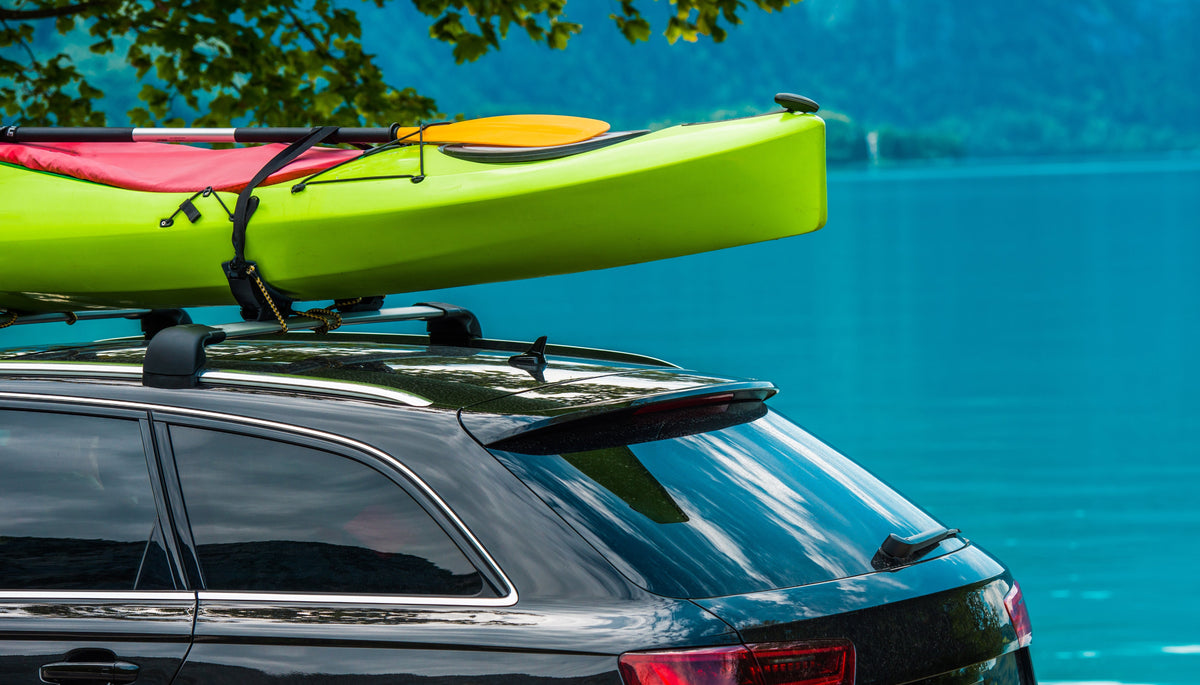
Start by choosing the best spot on your vehicle for the kayak. If you have a roof rack, align the kayak parallel to the car to minimize drag and ensure stability. Consider the wind direction; a well-positioned kayak can make your drive smoother and more fuel-efficient. Use foam blocks or kayak carriers to protect your vehicle and secure the kayak firmly.
Think about your roof’s height. If your car is taller, a side-loading approach might be easier. Experiment with positioning to find what works best for you.
Using Proper Lifting Techniques
Always lift with your legs, not your back, to prevent injuries. Bend your knees and keep the kayak close to your body as you lift. If the kayak is too heavy or awkward to manage alone, recruit a friend to help. Teamwork can save time and effort.
Consider using a kayak lift assist if lifting manually is challenging. These devices can be a game-changer, especially for taller vehicles or heavier kayaks. Remember, safety first—it’s better to take a few extra minutes to lift properly than to rush and risk an injury.
Have you ever tried lifting a kayak alone and found it overwhelming? Many kayakers have been there. Learning the right techniques not only makes the task easier but also keeps you safe.
Securing The Kayak
Securing the kayak on your car is crucial for safe transport. Use sturdy straps and a roof rack for stability. Ensure the kayak is centered and well-balanced to prevent shifts during travel.
Securing your kayak is crucial for a safe journey. Properly securing ensures the kayak stays in place. It prevents accidents and damage during transit. Let’s dive into some key techniques.Strap Types And Techniques
Using the right straps is essential. Cam straps are a popular choice. They are easy to adjust and secure tightly. Ratchet straps offer even more security. But they can damage your kayak if overtightened. Bungee cords are not recommended. They lack the stability needed for long trips. Begin by placing the kayak on the car roof. Position it evenly. Use cam straps to loop over the kayak. Attach the straps to the roof rack. Tighten them until the kayak is snug. Check the tension by shaking the kayak. If it moves, tighten more. For extra security, use bow and stern lines. These prevent forward and backward movement.Checking Stability
Always double-check the stability before driving. Push the kayak gently from different angles. It should not shift or slide. Inspect the straps for any signs of loosening. Adjust as necessary to ensure everything is tight. Remember to check the kayak during rest stops. Straps can loosen over time. Regular checks ensure ongoing safety. Listening for unusual sounds while driving also helps. If you hear rattling, stop and inspect. Safety first for a smooth and enjoyable trip!Driving With A Kayak On Your Car
Driving with a kayak strapped to your car can be a unique experience, blending the thrill of adventure with the meticulousness of transportation. As you hit the road with your kayak, there are essential adjustments to your driving techniques and vigilance required for a smooth journey. Whether you’re a seasoned kayaker or a beginner, understanding these nuances ensures your kayak remains secure and your drive is stress-free.
Adjusting Driving Techniques
When transporting a kayak, speed is your enemy. Reduce your speed slightly to accommodate the extra weight and altered aerodynamics. This helps maintain control and stability.
Avoid sudden maneuvers. Keep your steering smooth and gradual to prevent the kayak from shifting unexpectedly. Braking should be gentle and steady.
Consider the kayak’s length. Give yourself extra space when turning to prevent the kayak from hitting anything. This extra room helps in tight corners and narrow roads.
Monitoring Kayak During Transit
Check your kayak periodically during the trip. Pull over safely to inspect the straps and ensure nothing has loosened.
Listen for unusual noises. Rattling or whistling might indicate a strap has come loose, requiring immediate attention.
Observe other drivers. If you notice curious glances, it might be a sign that something looks off with your kayak setup. Use these cues to double-check your load.
Have you ever had a kayaking trip where everything went smoothly? What was your secret to ensuring your kayak stayed secure on your car? Share your tips and experiences below!
Unloading And Storing Your Kayak
Transporting a kayak by car involves careful unloading and storing. Use a roof rack to secure the kayak. Store it on a flat, shaded surface to protect it from sun damage.
Unloading and storing your kayak properly is crucial for maintaining its condition and ensuring safety. Once you’ve successfully transported your kayak to your destination, you’ll want to handle it with care as you unload it from your car. Additionally, knowing how to store your kayak correctly can extend its lifespan, keeping it ready for the next adventure. Let’s dive into some practical tips for unloading and storing your kayak efficiently.Safe Unloading Practices
When unloading your kayak, ensure that you have a clear path to avoid tripping hazards. Enlist the help of a friend if your kayak is too heavy to handle alone, as this reduces the risk of injury. Always lift with your knees, not your back, to prevent strain. Position yourself at the center of the kayak for balance. If using a roof rack, slide the kayak down gently, ensuring it doesn’t scrape against the car. Consider using a kayak loader or roller to make the process smoother.Proper Storage Tips
Storing your kayak properly can prevent damage and prolong its life. Choose a shaded area to avoid UV exposure, which can degrade the material over time. If indoor storage isn’t an option, use a kayak cover for added protection. Keep your kayak off the ground to prevent moisture buildup. Use wall-mounted racks or straps to suspend it horizontally, distributing weight evenly. Avoid storing it on its hull to prevent warping. What’s your preferred method for unloading and storing your kayak? Have you tried any creative solutions that work well for you? Sharing your experiences might just help someone new to kayaking!Common Mistakes To Avoid
Properly secure the kayak to avoid damage during transport. Use reliable straps and check their tightness regularly. Ensure the kayak is positioned correctly to prevent shifting while driving. Avoid overloading the vehicle, which can lead to safety hazards.
Transporting a kayak with a car can be tricky. It’s important to avoid common mistakes that could damage your kayak or car. Knowing these pitfalls will ensure a smooth and safe journey.Overtightening Straps
Straps hold the kayak securely but don’t overtighten them. Tight straps can bend or crack the kayak. Use just enough tension to keep it stable. Check your straps regularly during travel. Loose straps can cause the kayak to shift. This can lead to accidents or damage.Ignoring Weather Conditions
Weather affects how you transport your kayak. Strong winds can make the kayak unstable on your car. Rain can make straps slippery, risking the kayak falling off. Check the weather forecast before your trip. Adjust your plans if conditions are unsafe. Secure the kayak with extra straps in windy situations.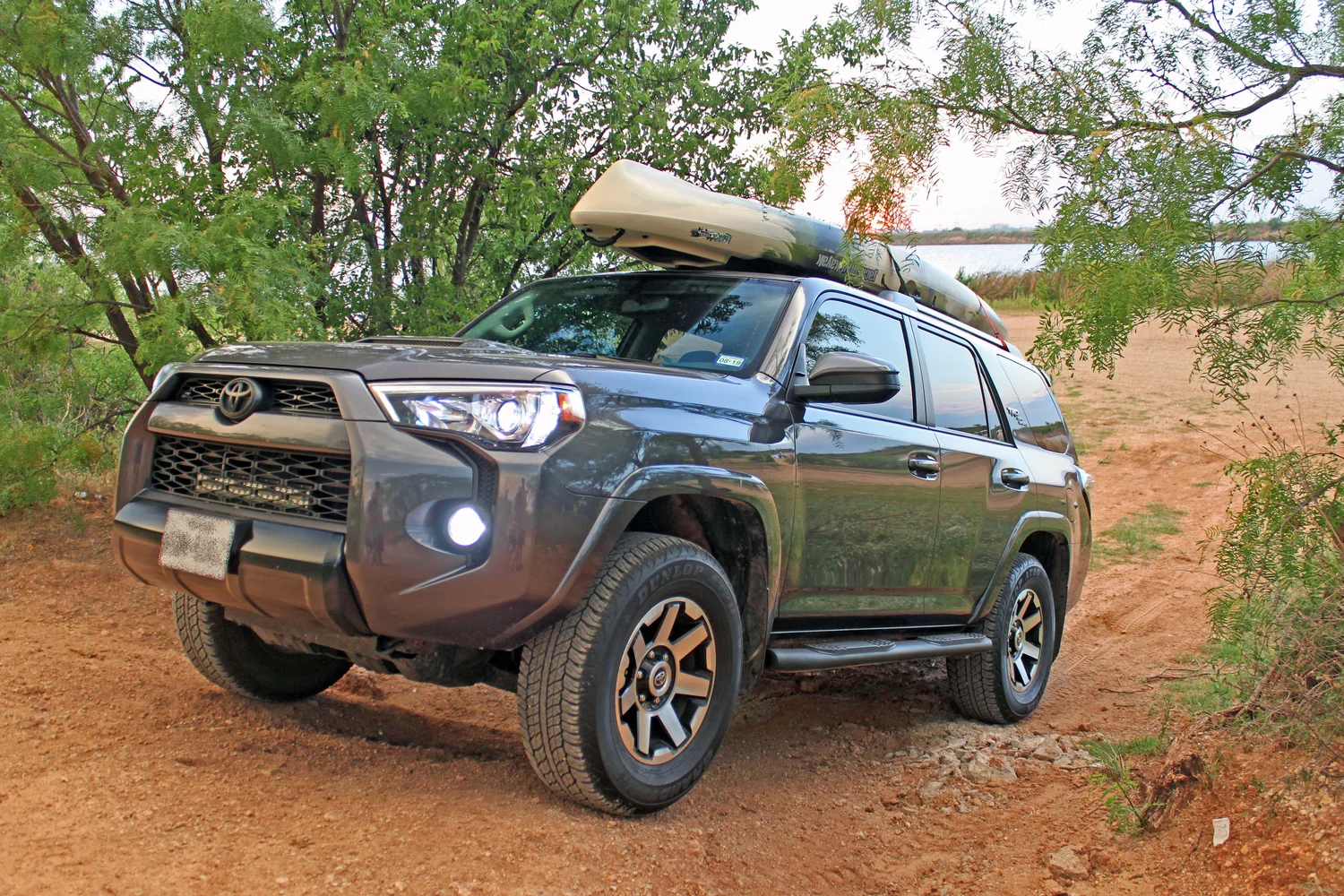
Credit: www.texaskayakfisher.com
Frequently Asked Questions
What Is The Easiest Way To Transport A Kayak On A Car?
Use a roof rack with kayak carriers for easy transport. Secure the kayak with straps. Consider foam blocks or inflatable racks if you lack a roof rack. Always check local regulations for safe transport.
Should Kayaks Be Transported Up Or Down?
Transport kayaks upside down for stability and protection. Secure them with straps to avoid movement during travel. Ensure they rest on roof racks or foam blocks for support. Proper positioning prevents damage and ensures safety. Regularly check straps for tightness during long trips.
How Far Can A Kayak Stick Out Of A Car?
Kayaks can extend up to 3 feet beyond the rear bumper of a vehicle. Ensure visibility with a red flag or marker. Always check local regulations to comply with legal requirements. Secure the kayak properly to prevent accidents during transportation.
Will A Kayak Fit In A Car?
Most kayaks won’t fit inside a car due to their size. Consider roof racks or trailers for transport. Compact or inflatable kayaks are options for easier car storage. Always measure your kayak and vehicle before attempting transport to ensure safety and avoid damage.
Conclusion
Transporting a kayak with a car is easier than it seems. With the right equipment, you can secure your kayak safely. Roof racks and foam pads are great options for this. Always double-check your kayak before driving. Make sure straps are tight and secure.
Safety is key to a smooth journey. Practice loading and unloading for confidence. Enjoy your kayaking adventures without stress. Follow these tips, and you’ll be on your way in no time. Happy kayaking and safe travels!