
Picture this: You’ve planned the perfect day out on the water, ready to paddle away stress and soak in the tranquility of nature. But there’s one hurdle standing between you and your kayaking adventure: getting your kayak to the water.
If you’ve ever found yourself scratching your head at how to transport your kayak in a truck without turning it into a logistical nightmare, you’re not alone. Your truck can be a fantastic ally in this outdoor pursuit, but only if you know how to utilize it correctly.
Imagine gliding through the water, confident that your kayak made it there safely and securely, all because you mastered the art of transportation. This guide will unlock the secrets of efficient kayak transport, ensuring you spend more time enjoying the water and less time worrying about logistics. So, are you ready to conquer the road to your next great kayaking adventure? Let’s dive in!
Choosing The Right Truck
Transporting kayaks in a truck requires choosing the right vehicle. The right truck ensures safe and efficient transport. It also protects your kayak from damage. Consider key factors before making a decision. Two important aspects include truck bed size and payload capacity.
Truck Bed Size
The size of your truck bed plays a crucial role. A larger bed provides more space for your kayak. Measure the length and width of the bed. Ensure it accommodates your kayak’s dimensions. Smaller beds might need extra accessories for secure transport. Think about using a bed extender if necessary.
Payload Capacity
Payload capacity is vital for safe kayak transport. This refers to the weight your truck can carry. Consider the weight of your kayak, gear, and other items. Check your truck’s manual for its payload limit. Overloading can damage your truck or cause safety issues. Always stay within the recommended capacity to ensure safe travels.

Credit: www.youtube.com
Securing The Kayak
Securing the kayak in a truck involves using sturdy straps and padding to prevent movement during transport. Position the kayak carefully, ensuring it is balanced and secured tightly to avoid any damage or accidents on the road.
Securing the kayak in a truck is crucial for safe transport. A loose kayak can shift, causing damage or accidents. Properly securing the kayak ensures it stays in place during travel.Using Straps And Tie-downs
Straps are essential for securing the kayak. Use high-quality ratchet straps for the best hold. Tie-downs add extra security, preventing the kayak from moving. Attach straps to the truck’s anchor points. This keeps the kayak stable. Check strap tension before driving. Loose straps can lead to problems.Preventing Movement
Preventing movement is vital for safety. Use foam blocks or kayak cradles. They cushion the kayak, reducing movement. Position the kayak evenly on the truck bed. This helps distribute weight evenly. Use additional straps if needed. Always double-check the setup. Make sure the kayak is snug in place.Loading Techniques
Transporting kayaks in a truck requires secure placement and careful strapping. Lay the kayak flat in the truck bed. Use ratchet straps to tightly secure it, preventing movement during transit.
Transporting a kayak in a truck can be a breeze with the right loading techniques. Whether you’re heading to the lake solo or embarking on a group adventure, knowing how to properly load your kayak ensures safety and convenience. Let’s dive into some effective methods to load your kayak onto your truck.Solo Loading
When you’re on your own, loading a kayak might seem daunting, but it’s entirely doable with a few tricks. Start by investing in a kayak loader or roller system designed for solo use. These handy devices often attach to the truck bed, allowing you to slide the kayak up without straining your back. Another technique involves using a towel or blanket on the tailgate. This method protects your truck and kayak from scratches. Simply lift one end of the kayak onto the tailgate, then push the kayak forward until it’s fully in the truck bed. Ask yourself, could this be the perfect time to hone your solo loading skills? With practice, you’ll find the method that works best for you.Assisted Loading
Loading a kayak with a friend or family member can make the process quicker and more fun. Each person can take an end of the kayak, lifting it together to place it into the truck bed. Ensure you communicate clearly to avoid any mishaps. Consider using a loading strap to balance the weight, making it easier to lift and maneuver. This method ensures that both of you are sharing the load equally, reducing the risk of injury. Are you missing out on a chance to bond over this shared task? Collaborating with someone can transform a mundane chore into a memorable part of your adventure.Equipment For Transport
Secure kayaks in a truck using strong straps or a specialized rack system. Place the kayak hull-side down, balancing weight evenly. Ensure the truck bed is clean and free from sharp objects to prevent damage.
Transporting your kayak in a truck can be straightforward if you have the right equipment. Ensuring your kayak reaches its destination without damage is crucial. Investing in proper gear not only protects your kayak but also enhances your safety and convenience during transport.Racks And Carriers
Racks and carriers are essential for secure kayak transport. Truck bed racks provide stability and keep your kayak elevated, avoiding potential scratches or dents. Look for adjustable racks that fit your truck’s dimensions; this flexibility ensures compatibility with different kayak sizes. Consider using J-style carriers, which hold the kayak at an angle, maximizing space in your truck bed. This style is particularly useful if you’re transporting more than one kayak. Always double-check that the rack system is tightly secured before hitting the road.Padding And Protectors
Proper padding is vital to prevent damage during transport. Foam blocks or pool noodles can be used as cost-effective padding solutions. These materials help cushion the kayak against the hard surfaces of your truck bed or rack. You might also explore specialized kayak protectors designed to shield against scratches and impacts. These protectors are easy to install and can offer peace of mind, especially during long trips. Think about how much time you spend preparing your kayak for transport—using the right padding can significantly reduce this time while ensuring your kayak remains in pristine condition. Have you ever considered how much wear and tear your kayak endures during transport? Investing in quality padding and protectors can make a huge difference in your kayak’s longevity.Safety Considerations
Transporting kayaks in a truck requires securing them properly to avoid damage. Use foam pads or kayak racks for stability. Ensure straps are tight to prevent shifting during transit.
Transporting kayaks in a truck can be a rewarding experience, but ensuring safety is crucial. Your kayak is not just a piece of equipment; it’s an investment in adventure. Ensuring it reaches your destination safely is as important as the journey itself.Visibility And Clearance
When loading kayaks, visibility can become a major concern. Ensure that your rearview mirror and side mirrors provide a clear view. A kayak sticking out too far can block your line of sight, leading to potential hazards. Consider the clearance height of your truck with the kayaks loaded. Low hanging branches or parking structures can be problematic. Measure the total height to avoid unexpected collisions.Weather And Road Conditions
Weather can play a surprising role in your transportation plans. Rain and wind can affect the kayak’s stability on your truck. Secure your kayak with additional straps if the weather forecast predicts adverse conditions. Road conditions can also impact your journey. Rough or uneven roads can jostle the kayak, leading to damage. Drive cautiously and adjust your speed to the conditions to protect your kayak and your vehicle. Think about how you can adjust your plans if the weather suddenly changes. Are you prepared to make stops to check the security of your load? Being proactive can save you from potential mishaps.Legal Requirements
Transporting kayaks in a truck requires adherence to specific legal requirements. Secure the kayaks properly to avoid fines. Ensure no overhanging parts obstruct visibility or violate road safety laws.
Transporting kayaks in a truck can be an adventure in itself, but you need to be aware of the legal requirements. Ignoring these can lead to fines or, worse, accidents. Understanding what laws apply to your load can make your journey smoother and safer. Let’s dive into the specifics.State Regulations
Each state has its own regulations regarding transporting large items like kayaks. Some states might require specific permits, while others enforce strict size limits. You need to check if your kayak’s dimensions comply with your state’s vehicle load regulations. Failure to do so could result in penalties. A quick online search or a call to your local DMV can save you from unwanted surprises. Have you ever overlooked a rule and faced the consequences?Securing Load Compliance
Securing your kayak properly is not just about safety; it’s also about adhering to legal standards. Authorities may stop you if your load isn’t fastened securely. Using straps and tie-downs effectively is crucial. Make sure they are tight and in good condition to avoid any mishaps. Consider using red flags or lights if your kayak extends beyond the truck bed. These are often required by law to alert other drivers. Are your safety measures up to par?Tips For Long Distance Transport
Transporting kayaks in a truck requires careful planning. Secure the kayak with straps to prevent movement. Use a truck bed extender for longer kayaks, ensuring they remain stable. Consider using protective padding to avoid scratches during transport.
Transporting kayaks over long distances can be a bit of a puzzle, especially if you’re aiming for a smooth and efficient journey. Whether you’re planning a weekend getaway or an extended vacation, proper preparation can make all the difference. As you gear up to hit the road, consider these essential tips to ensure your kayaks arrive safely and your trip remains stress-free.Fuel Efficiency
Fuel efficiency is crucial when you’re transporting kayaks over long distances. The added weight and wind resistance can impact your truck’s mileage. To mitigate this, pack your kayaks securely to minimize wind drag. Use aerodynamic kayak racks designed to cut through the air more efficiently. Plan your route to avoid unnecessary detours or stop-and-go traffic that can waste fuel. Every mile saved is money in your pocket.Rest And Inspection Stops
Long drives demand regular breaks, not just for you, but for your equipment too. Schedule rest stops every couple of hours to stretch and refresh. During these stops, check your kayak’s straps and rack mounts. Ensure everything remains tightly secured, as vibrations can loosen them over time. Also, inspect the kayaks for any signs of wear or damage. A quick check can prevent potential headaches later. How often do you check your gear? An extra minute can save you from a major mishap.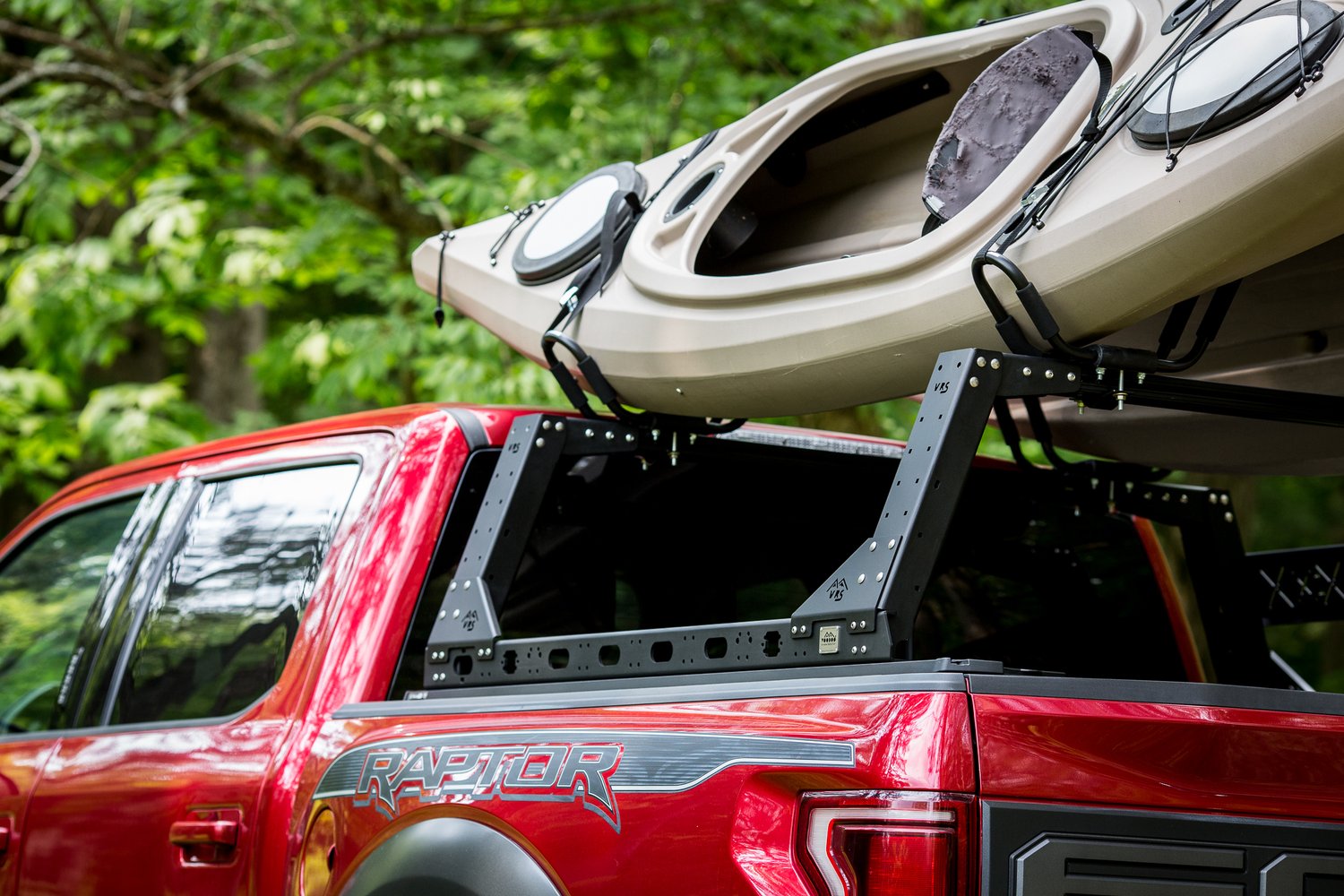
Credit: greensafaris.com

Credit: www.facebook.com
Frequently Asked Questions
How To Transport Kayaks On A Truck?
Secure kayaks on a truck using a sturdy roof rack or foam blocks. Use straps to fasten them tightly. Ensure kayaks are positioned hull-side down for stability. Check all tie-downs for security before driving. Avoid over-tightening to prevent damage.
How Far Can A Kayak Hang Out Of A Truck?
Kayaks can hang out up to 4 feet beyond the truck’s rear. Ensure visibility with red flags. Check state-specific laws for exact regulations to avoid penalties. Properly secure the kayak to prevent accidents and ensure safe transportation.
Should Kayaks Be Transported Up Or Down?
Transport kayaks upside down on a roof rack for better stability and to prevent damage. Ensure they are securely fastened with straps. This method reduces wind resistance and protects the hull from dents and scratches. Always check the manufacturer’s guidelines for specific transport instructions.
How Heavy Is A 12 Ft Kayak?
A 12 ft kayak typically weighs between 45 to 65 pounds. The weight varies based on the material used. Lightweight models are easier to transport and handle. Always check the manufacturer’s specifications for precise weight details.
Conclusion
Transporting kayaks in a truck doesn’t have to be hard. With the right steps, you can ensure safe and secure transport. Remember to use proper equipment like racks and straps. Check everything before hitting the road. Safety is key. A snug fit prevents damage to your kayak and truck.
Always balance the load for smooth driving. Double-check the setup for peace of mind. With these tips, you can enjoy kayaking adventures without worry. Happy kayaking!