
Imagine this: You’re standing at the edge of a tranquil lake, the sun glistening on the water’s surface, your kayak ready for an adventure. But there’s one problem—getting your kayak from the car to the water seems like a Herculean task.
This is where a kayak cart becomes your trusty sidekick. Understanding how to use a kayak cart not only saves your energy but also adds more fun to your kayaking experience. In this guide, you’ll discover simple steps to make the most out of your kayak cart.
By the end of this article, you’ll be able to transport your kayak effortlessly, making your trips more enjoyable and less of a chore. The freedom of the open water is just a few easy-to-follow steps away. Are you ready to glide smoothly into your next adventure? Let’s dive in!
Choosing The Right Kayak Cart
Finding the right kayak cart can simplify your kayaking adventures. It helps in transporting your kayak effortlessly. But choosing the right one requires understanding different aspects. Below, learn about the types, materials, and weight capacity.
Types Of Kayak Carts
Kayak carts come in various styles for different needs.
- Plug-in carts: Fit into scupper holes for stability.
- Strap carts: Use straps to secure the kayak.
- Foldable carts: Easy to store when not in use.
Material Considerations
Materials affect durability and performance. Aluminum carts are lightweight and rust-resistant. Steel carts offer sturdiness but weigh more. Plastic carts are light but may not last long.
Weight Capacity
Ensure your cart can handle your kayak’s weight. Check the manufacturer’s specifications. Overloading can damage the cart. Choose a cart with a higher capacity for heavy kayaks.
Preparing Your Kayak For Transport
Using a kayak cart simplifies transporting your kayak. Position the cart under the kayak’s center for balance. Secure the kayak with straps to prevent slipping during transport.
Preparing your kayak for transport is an essential step in ensuring a smooth and hassle-free journey to the water. The way you prepare your kayak can make a significant difference in your overall kayaking experience. Start by organizing and securing everything on your kayak to prevent any mishaps during transportation. This process not only protects your gear but also helps in maintaining the stability of your kayak on the cart.Securing Loose Items
Before you start moving your kayak, it’s crucial to secure any loose items. Imagine the frustration of arriving at your destination only to find your paddle or life vest missing. Use bungee cords or straps to tightly secure items like paddles, fishing rods, and any other gear. This keeps your equipment in place and prevents accidental loss. A friend of mine once lost her favorite paddle on a bumpy trail, simply because she assumed it wouldn’t move. Don’t make that mistake. Check twice to ensure everything is tied down properly.Balancing Weight Distribution
Proper weight distribution is key to a stable and manageable transport. Load heavier items, such as tackle boxes or coolers, in the center of your kayak. This prevents it from tipping over and makes pulling it much easier. Think of your kayak as a seesaw. If one side is heavier, you’ll struggle to keep it balanced. Adjust your gear until your kayak sits evenly on the cart. This balance will save your energy and reduce the risk of damage during transport. Is there a specific item that always seems to throw your kayak off balance? Consider repositioning it or finding a more secure spot. Balancing your gear not only protects your items but also enhances your overall kayaking adventure.Loading Your Kayak Onto The Cart
Loading your kayak onto a cart can simplify transportation. Place the cart under the kayak’s center, ensuring balance. Secure it with straps for stability.
Loading your kayak onto the cart can seem daunting. With the right approach, it’s simple and efficient. A kayak cart makes transporting your kayak much easier. Follow these steps to ensure a smooth experience.Positioning The Kayak
Start by placing the kayak on a flat surface. Ensure there’s enough space around it. Align the cart with the center of the kayak. This helps balance the weight evenly. Slide the cart underneath, near the kayak’s midpoint. Check that the wheels are positioned correctly. The kayak should rest securely on the cart.Strapping Techniques
Use strong straps for securing the kayak. Loop the strap over the kayak and under the cart. Tighten the strap, but avoid over-tightening. It should hold the kayak firmly without causing damage. Use additional straps if needed for extra security. Ensure the straps are not twisted or loose. This prevents slipping during transport.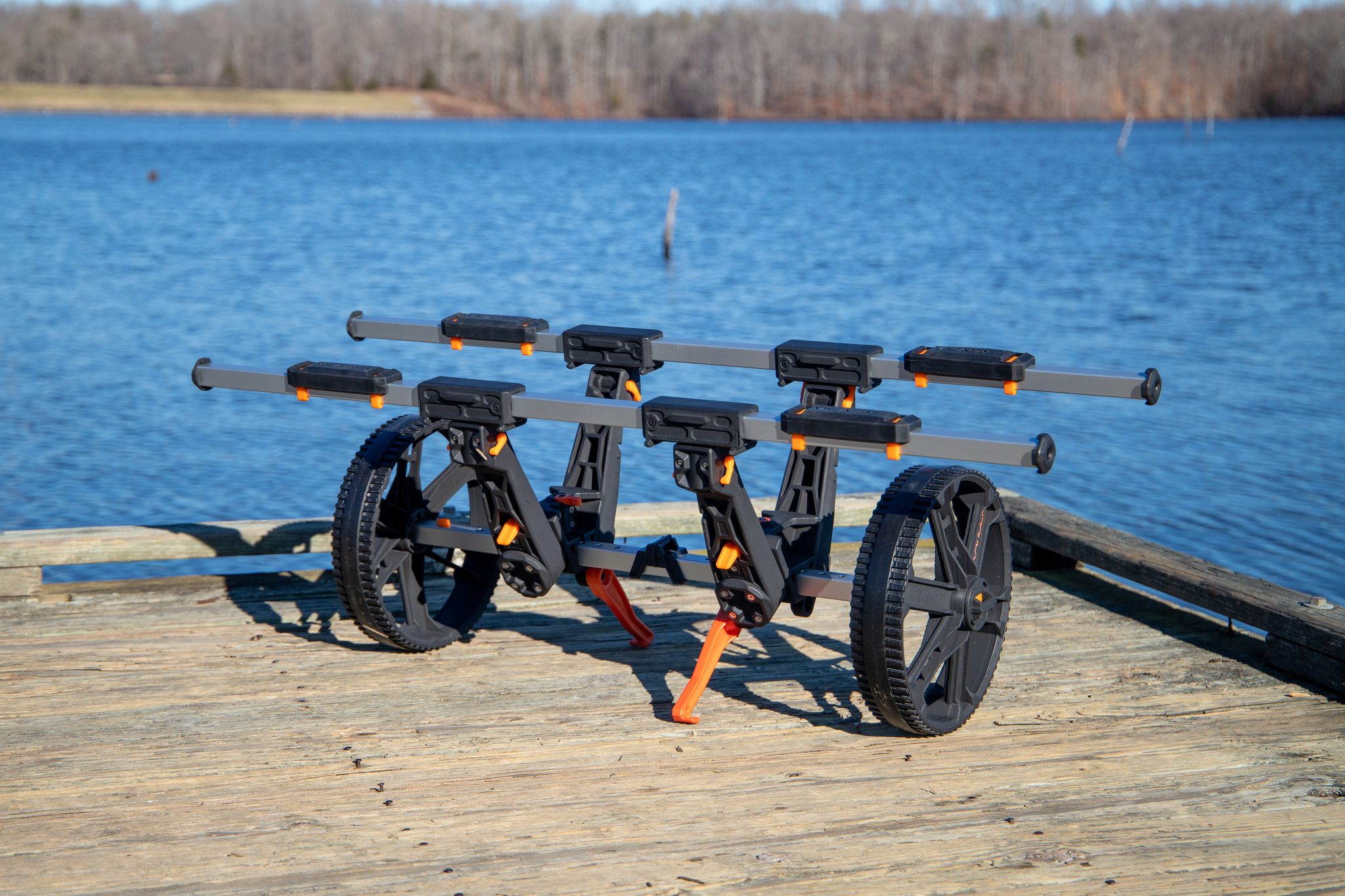
Credit: www.yakattack.us
Navigating Different Terrains
Transport your kayak effortlessly across various terrains using a kayak cart. Position the kayak on the cart’s frame, securing it with straps for stability. Easily maneuver over sand, gravel, or grass, ensuring a smooth journey from the car to the water.
Navigating different terrains with a kayak cart can be quite the adventure, transforming a mundane task into an exciting challenge. Each terrain presents unique obstacles that require specific techniques and strategies to overcome. Whether it’s soft sand, coarse gravel, or rugged landscapes, knowing how to maneuver your kayak cart effectively will save you both time and energy, making your kayaking trips more enjoyable.Handling Sand And Gravel
When you find yourself at a sandy beach or a gravel shore, the key is to maintain momentum. Soft sand can make your wheels sink, while gravel can create resistance. Keep your kayak centered on the cart and ensure the load is evenly distributed. Lower tire pressure can help your cart glide over sand without sinking. Wide tires are more effective on these surfaces as they spread the weight more evenly. Tip: A slight push and pull technique can make it easier to navigate through soft patches.Managing Rough And Uneven Surfaces
Tackling rough and uneven surfaces demands a bit more finesse and patience. Ensure your kayak is securely strapped to avoid any sudden shifts. Here, larger wheels can be your best friend, providing the necessary clearance and stability. Take it slow and pick your path wisely, avoiding large rocks or deep ruts that could tip your cart. Sometimes you may need to walk alongside the cart, guiding it with a firm grip. Have you considered using a cart with adjustable frames? They can adapt to different kayak sizes and ensure a snug fit, reducing the risk of tipping. By mastering these techniques, you’re not just moving your kayak; you’re enhancing your entire kayaking experience. Are you ready to tackle the terrain and make the most of your adventures?Maintaining Your Kayak Cart
Keeping your kayak cart in top shape ensures easy transport. Regularly check for loose parts and clean wheels after each trip. Proper use and maintenance extend the life of your cart.
Maintaining your kayak cart ensures it performs well and lasts longer. Regular upkeep keeps it ready for your next adventure. Here’s how you can keep your kayak cart in top shape.Cleaning And Storage Tips
After each use, rinse the cart with fresh water. This removes salt, sand, and debris. Let it dry completely before storing. Moisture can cause rust or mold. Store the cart in a dry, cool place. Avoid leaving it in direct sunlight. Use a cover if storing outside. It protects against weather and dust.Checking For Wear And Tear
Inspect your cart regularly for signs of damage. Check the wheels and axles for cracks or bends. Ensure all nuts and bolts are tight. Loose parts can lead to accidents. Look for rust or corrosion on metal parts. Replace any damaged or worn-out parts immediately. Regular checks prevent bigger issues down the line.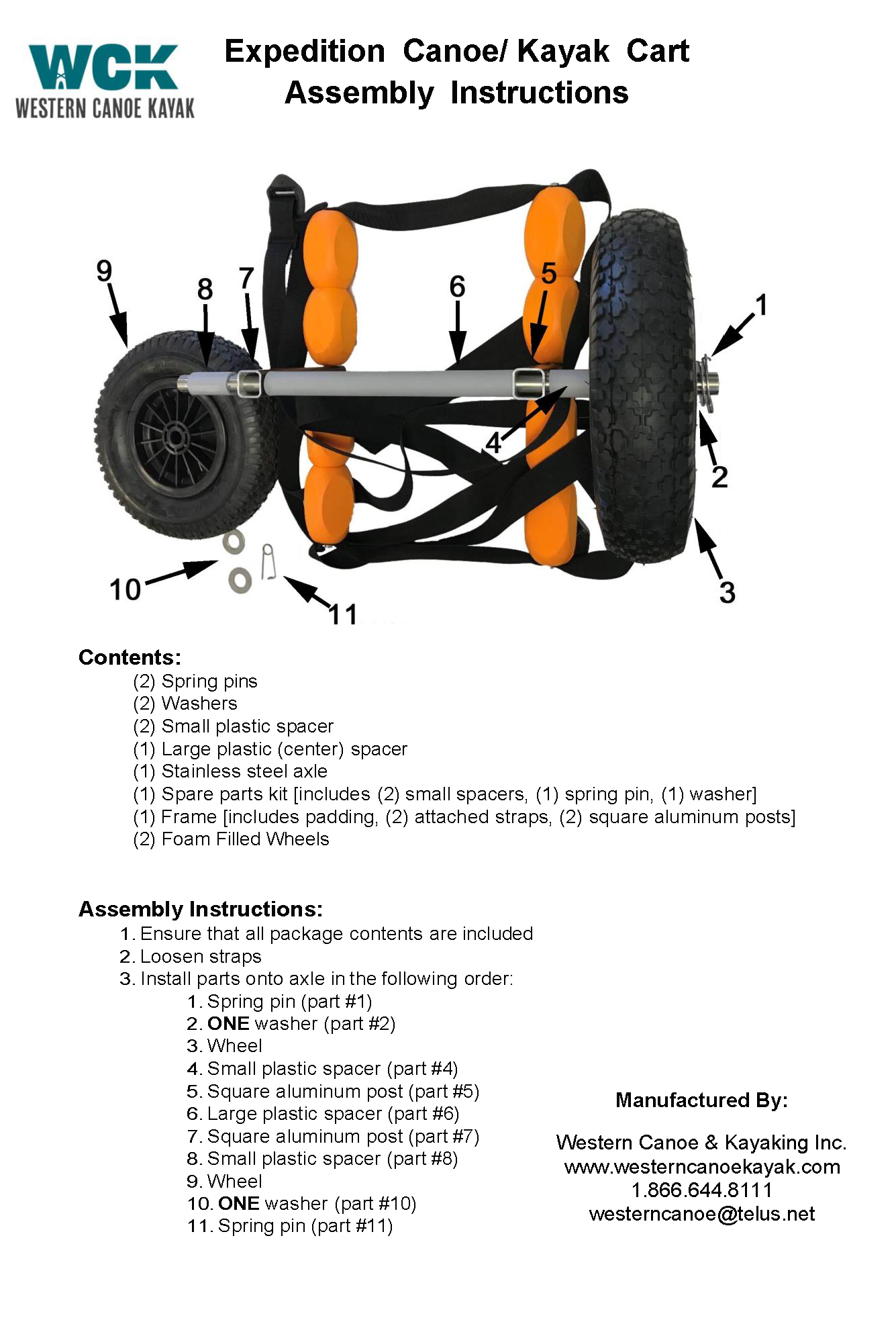
Credit: westerncanoekayak.com
Safety Tips For Transporting Kayaks
Using a kayak cart can make transporting your kayak easy and safe. Position the cart under the kayak’s center for balance. Secure it with straps to prevent slipping during transit.
Transporting your kayak safely is crucial for a hassle-free outdoor adventure. Proper handling prevents damage to the kayak and ensures your safety. Using a kayak cart can make this task easier, but it requires careful attention to avoid accidents. Here are some key safety tips to keep in mind.Avoiding Common Hazards
Be aware of uneven surfaces and obstacles. Rocks, roots, and debris can cause a cart to tip. Walk slowly and choose a smooth path whenever possible. Check the stability of your kayak on the cart. Make sure it is secured tightly before moving. Sudden stops can cause the kayak to slide off. Keep your hands free to maintain balance. Use straps to secure paddles and other equipment.Protecting Your Kayak And Equipment
Ensure your kayak is positioned correctly on the cart. Balance is key to avoiding scratches or dents. Use padding to protect your kayak from hard surfaces. Straps should be checked for wear and tear. Replace them if they are frayed or weak. Protect your paddles and gear by storing them safely. Bags or cases can prevent damage during transport. Regularly inspect your cart for damage. Wheels and axles should be in good condition. Keep your equipment dry and clean to prolong its life.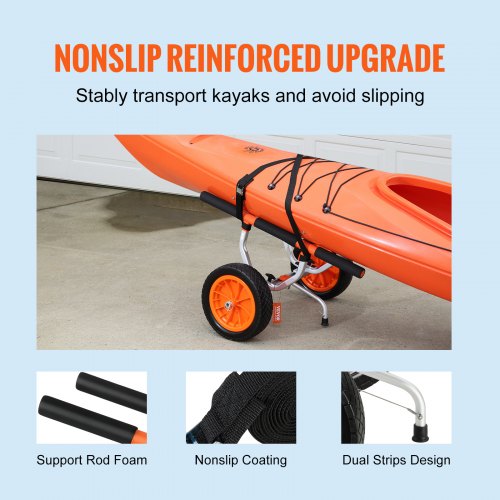
Credit: www.vevor.com
Frequently Asked Questions
How To Put A Kayak On A Kayak Cart?
Position the kayak cart near the kayak’s midpoint. Lift the kayak’s front, sliding the cart underneath. Secure the kayak with straps, ensuring stability. Adjust the cart if needed for balance. Ensure the kayak is centered before moving. Always check the straps for tightness to prevent slipping during transport.
How To Launch A Kayak With A Cart?
Place the kayak on the cart, securing it well. Push it to the water’s edge. Remove the cart and slide the kayak into the water. Ensure balanced loading for a smooth launch. Keep the kayak parallel to the shore for easy entry.
Enjoy your paddle adventure!
Are Kayak Carts Worth It?
Kayak carts are worth it for convenient transport, reducing physical strain, and protecting your kayak. They save time and effort, especially on longer distances or uneven terrains. Investing in a sturdy, reliable kayak cart enhances your overall kayaking experience and preserves the condition of your equipment.
How Does A Canoe Cart Work?
A canoe cart supports the canoe’s weight, allowing easy transportation. Place the canoe on the cart’s frame. Secure it using straps or bungee cords. Pull or push the cart to move the canoe smoothly. Ideal for navigating uneven terrain or long distances without carrying heavy loads manually.
Conclusion
A kayak cart makes transport easier. It saves time and effort. Once you learn to use it, your kayak trips start smoothly. Remember to secure the kayak properly. Check the cart’s balance and stability. Practice a few times before heading out.
Share these tips with fellow kayak enthusiasts. Using a cart is a smart choice. Your adventures become more enjoyable. Happy kayaking!